

 en
en 简体中文
简体中文 English


In daily life, hair brushes have become an indispensable personal care tool. Whether it is used to comb hair, reduce tangles, or provide support during styling, the design of hair brushes is crucial. Among all design elements, the selection and arrangement of bristles directly determine the feel and effect of hair brushes. The material, hardness, length, density and arrangement of bristles are not only related to the comfort and functionality of the product, but also determine the consumer's experience.
The material of the bristles directly affects the comfort and combing effect of the hair brush. Different materials have different softness, elasticity and durability. Consumers will choose the appropriate bristle material according to the different needs of hair quality. For hairbrushes factory, choosing the right bristle material and carrying out refined production is related to the quality and market competitiveness of the product.
Natural boar bristles have always been regarded as the preferred material for high-end hair brushes. It is soft, delicate and elastic, which can not only reduce static electricity, but also help smooth hair and prevent hair from tangling or breaking. During the production process, hairbrushes factories usually mix natural boar bristles with other materials to further optimize the effect of the bristles. The natural characteristics of boar bristles make them the choice for professional hair care brushes, especially for fine, soft and fragile hair.
Nylon bristles are one of the commonly used bristle materials in hairbrushes factories due to their durability and elasticity. Nylon bristles have moderate hardness, which can not only meet the needs of daily combing, but also effectively remove dirt and grease from the hair. Nylon materials can resist friction and wear, so that the bristles can still maintain good functionality and appearance after long-term use.
With the increase of environmental awareness, many hairbrushes factories have begun to introduce environmentally friendly bristle materials, such as degradable polyester fibers or plant fibers. These materials can not only ensure the use effect of the bristles, but also reduce the burden on the environment. As consumers' demand for environmentally friendly products increases, the application of environmentally friendly bristles will become an important trend in hair brush production.
The hardness and softness of the bristles are the core factors that determine the comfort of use and combing effect. Hairbrushes factories usually adjust the hardness and softness of the bristles to provide different user experiences according to the target market and consumer needs. Bristles with improper hardness may cause pulling and damage to the hair, while bristles that are too soft may not be able to effectively comb tangled hair.
Moderate hardness can effectively remove tangles and dirt while avoiding damage to the hair. Most hairbrushes factories will adjust the hardness of nylon or synthetic materials during the production process to ensure that the bristles are flexible and durable enough for different hair types.
Soft bristles are suitable for fine or brittle hair. They can gently comb the hair without pulling, reducing static electricity and hair breakage. Therefore, soft bristles are often used in high-end hair care series, especially for those consumers who pay attention to hair care. When designing soft bristles, hairbrushes factories usually choose natural materials (such as boar bristles) or specially treated synthetic fibers to ensure the softness and comfort of the bristles.
Hard bristles are suitable for thick, coarse hair because they can provide stronger combing power. For curly or tangled hair, hard bristles can effectively separate each hair strand and reduce hair tangles. However, too hard bristles may damage fine and soft hair. Hairbrushes factory usually produces and sells bristles of different hardness according to different market demands.
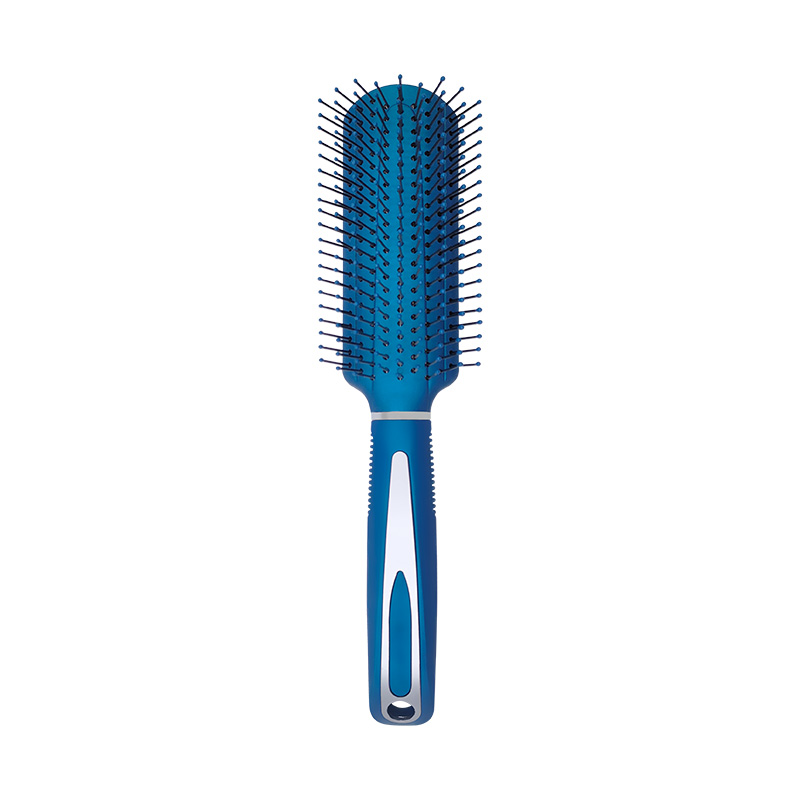
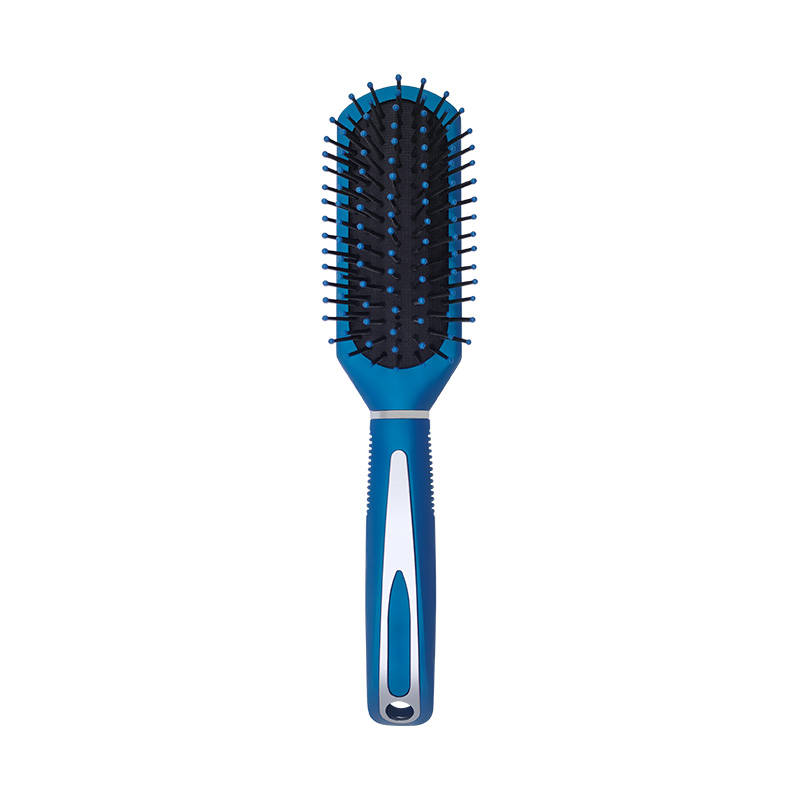
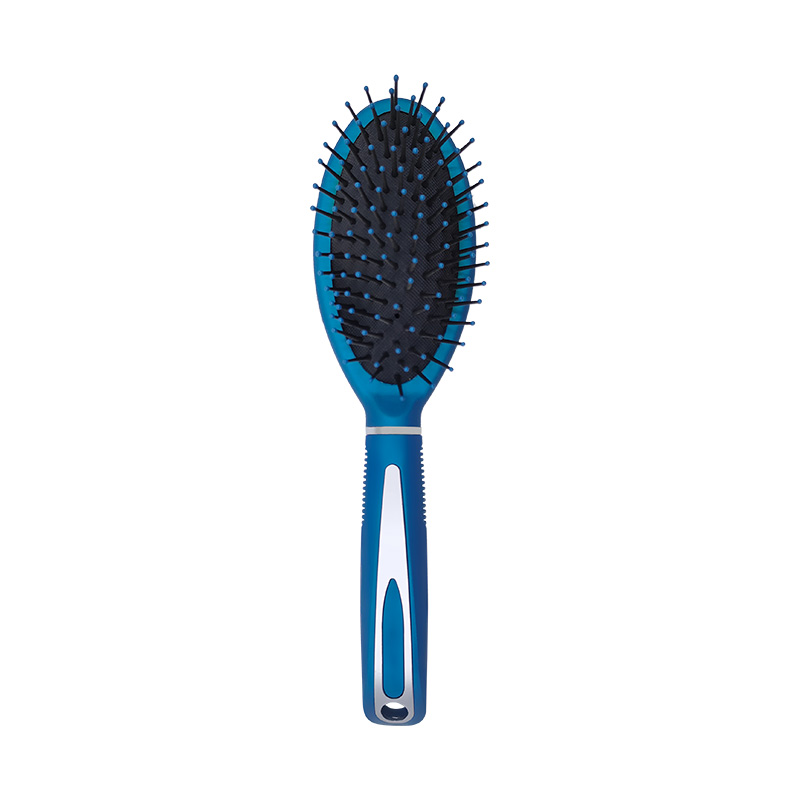
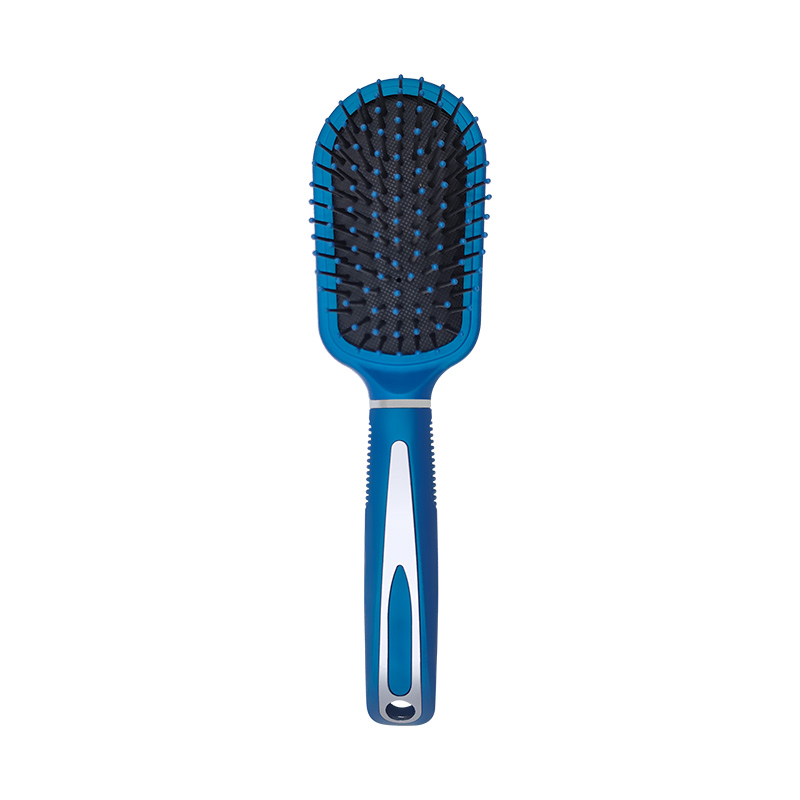
The length and density of the bristles determine the combing efficiency and effect of the hair brush. Bristles of different lengths and densities are suitable for different hair qualities and usage needs. Hairbrushes factory will develop bristles of different lengths and densities according to market feedback and consumer needs to meet more diverse needs.
Hairbrushes with longer bristles are suitable for combing long hair, and can penetrate deep into the roots of hair and easily comb out tangles. Short-bristled brushes are more suitable for short or medium-length hair, providing more precise combing effects. Hairbrushes factory usually ensures the balance of bristle length and density through multiple research and development and testing.
The density of the bristles directly affects the combing force and application range of the brush. Bristles with higher density can help the hair brush better separate the hair strands, which is suitable for removing tangles or combing thick hair. Low-density bristles are suitable for fine and soft hair and can provide a gentle combing experience. Hairbrushes factories need to produce bristles of different densities according to different target markets to meet the needs of various consumers.