

 en
en 简体中文
简体中文 English


A hairbrush is an essential tool for daily haircare and styling. Different types of hairbrushes, depending on their design, are suited to different hairstyles. Barrel brushes and traditional hairbrushes are two very common hairbrushes, but they differ significantly in structure, function, and effectiveness. While both aim to help users manage hair, their design differences determine their effectiveness and suitability for different individuals.
Design Features of Barrel Brushes
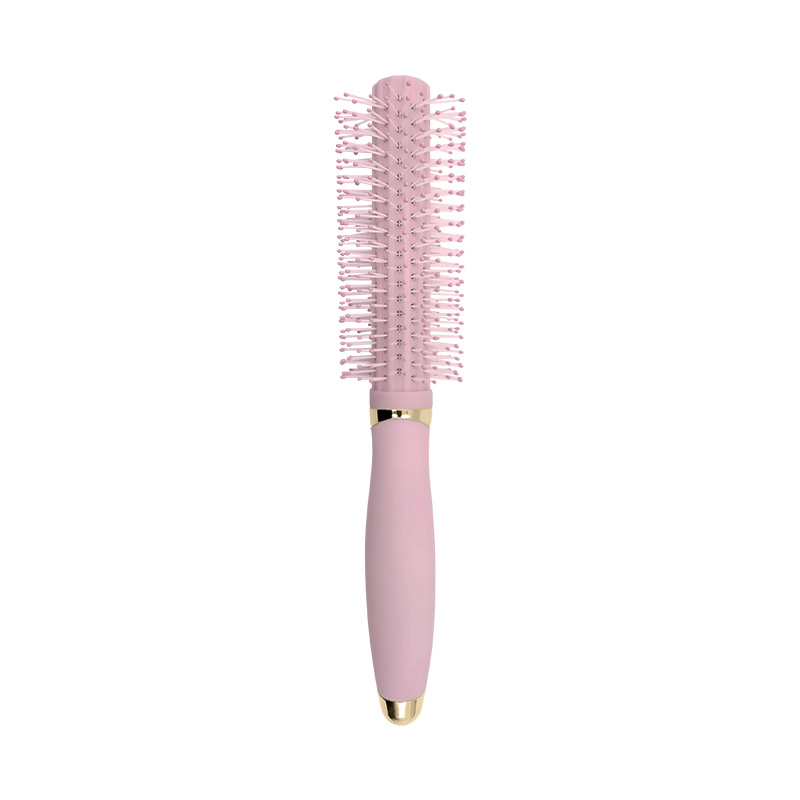
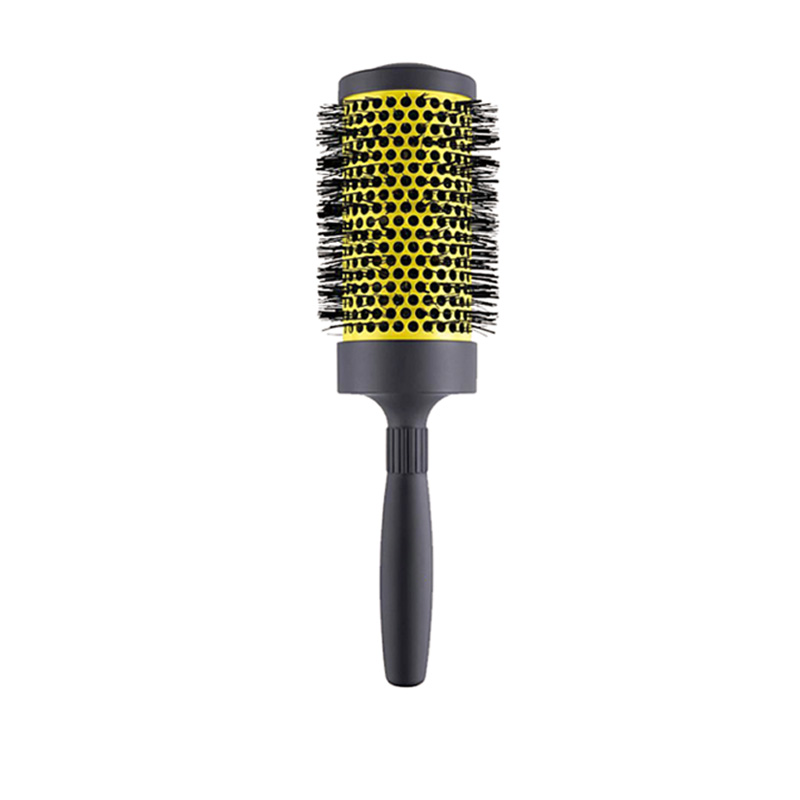
A significant difference between barrel brushes and traditional hairbrushes lies in their shape and structure. Barrel brushes are typically cylindrical, offering greater flexibility for styling, especially when blow-drying.
1. Cylindrical Brush Body: Barrel brushes have a cylindrical or semi-circular body, allowing them to easily wrap around hair and rotate to help shape it. The rounded brush body allows the brush to naturally conform to the curves of hair, especially when used with a hairdryer, effectively enhancing volume, body, and curl.
2. Bristle Arrangement and Material: Barrel brushes typically feature densely packed and evenly arranged bristles. These bristles can be natural, nylon, or other synthetic materials. This design smooths and reduces frizz during brushing. High-end barrel brushes often feature a ceramic coating or metal core. This design promotes even heating, increasing drying speed while minimizing heat damage and drying time.
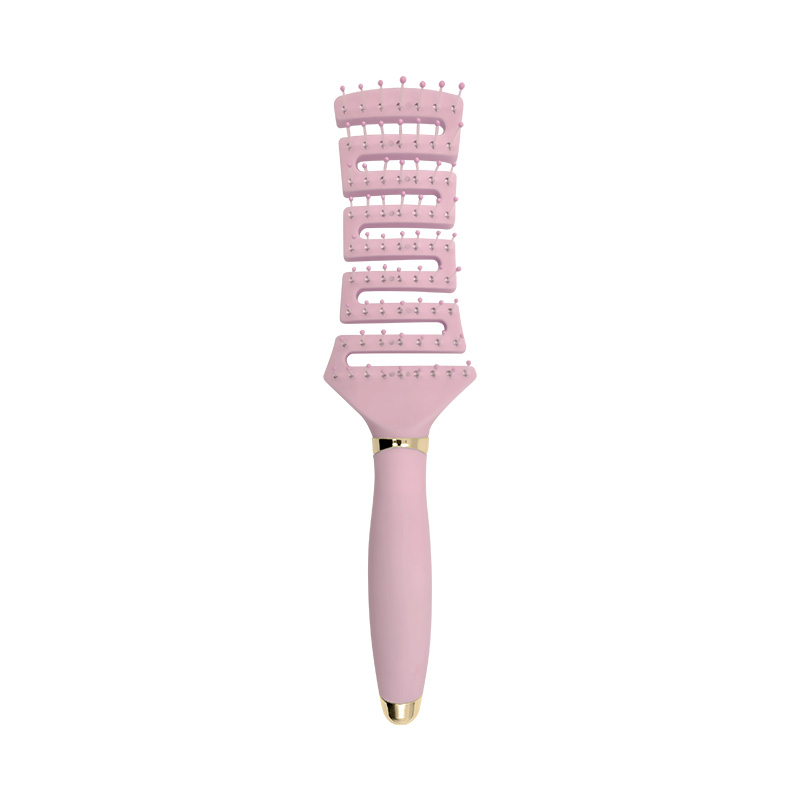
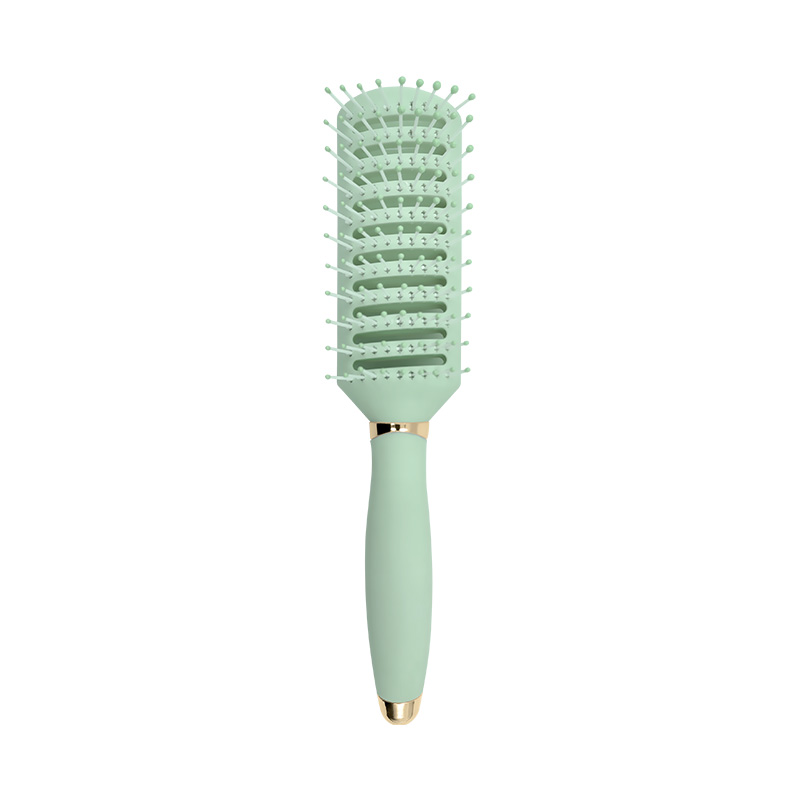
3. Breathability: Many barrel brushes feature ventilation holes within the brush body. This not only facilitates airflow from the hairdryer but also distributes heat evenly, helping hair dry quickly. This design significantly improves efficiency and reduces damage from prolonged hairdryer use.
4. Size and Application: Barrel brushes are typically larger and suitable for styling long to medium-length hair. If you have longer hair, barrel brushes can help you achieve your desired curls more easily. Smaller barrel brushes are ideal for short and slightly curly hair.
Design Features of Traditional Hairbrushes
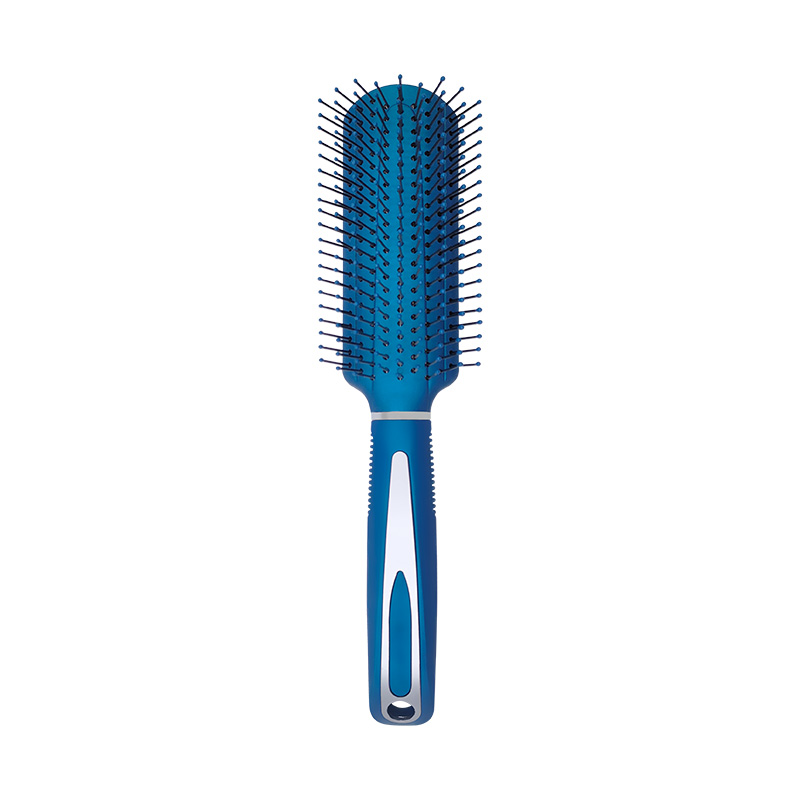
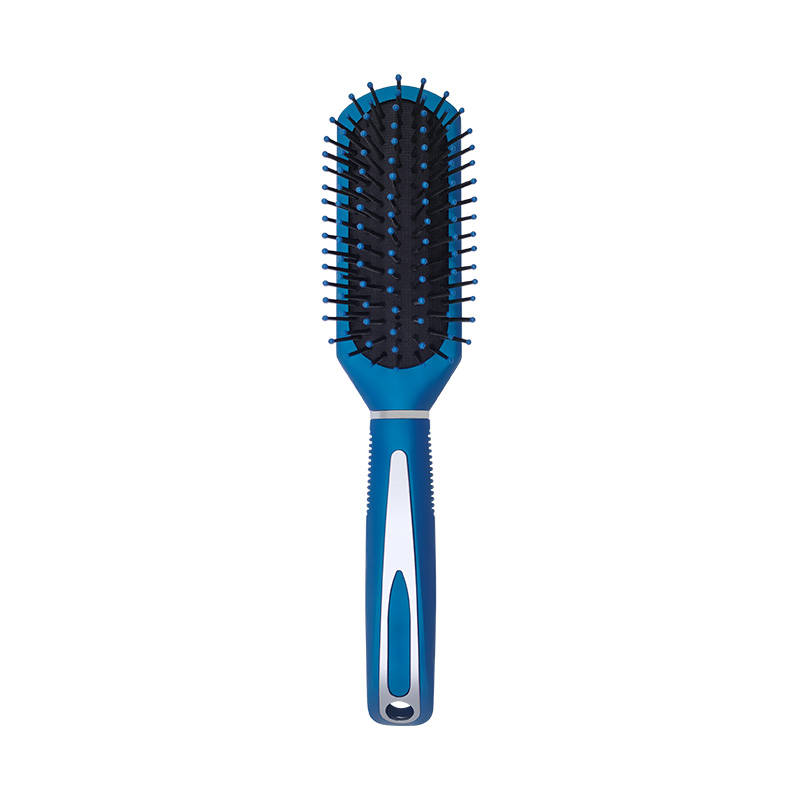
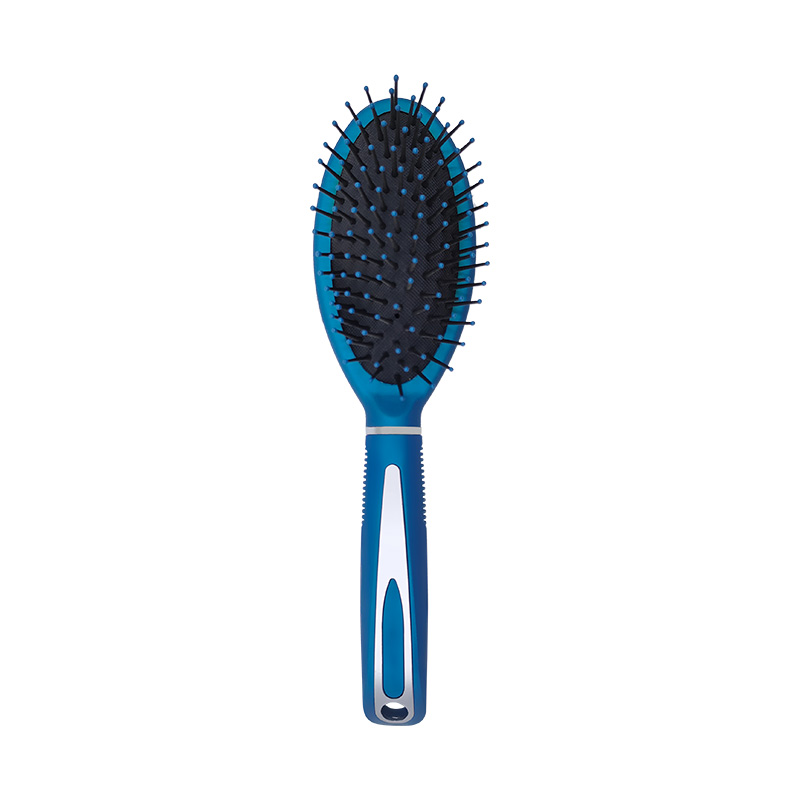
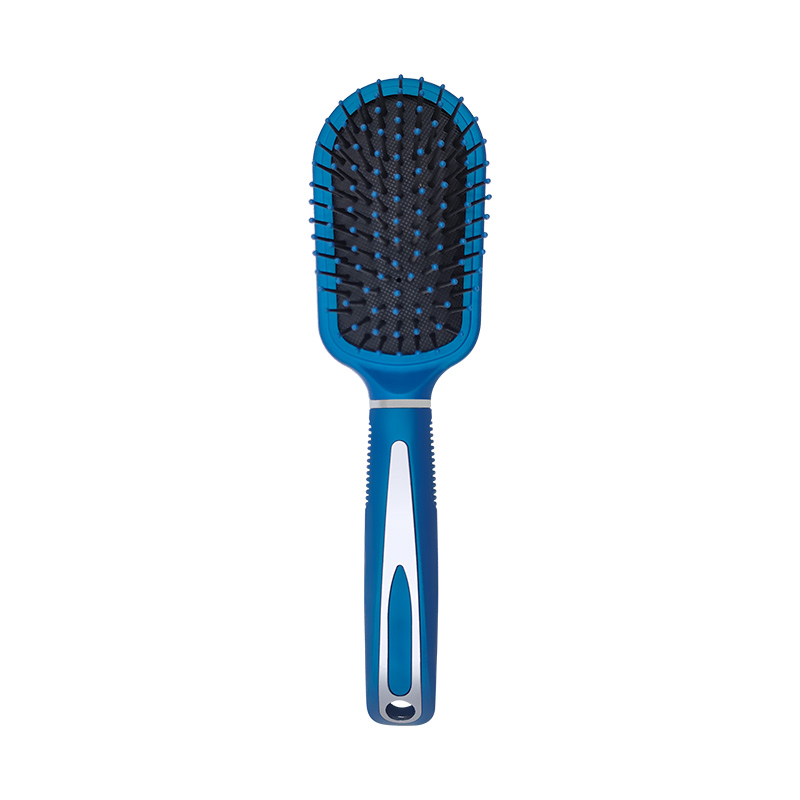
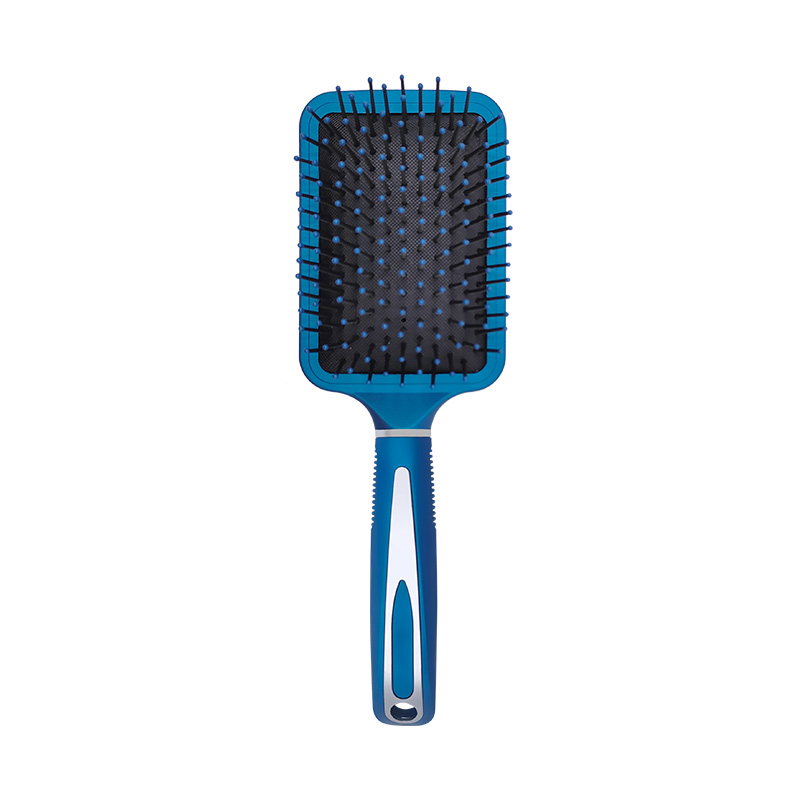
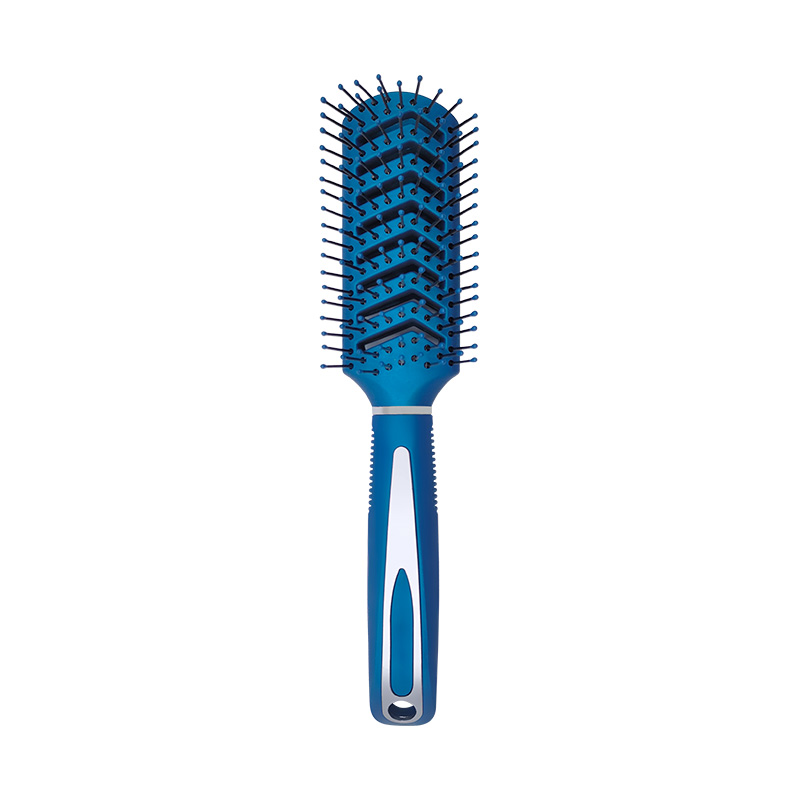
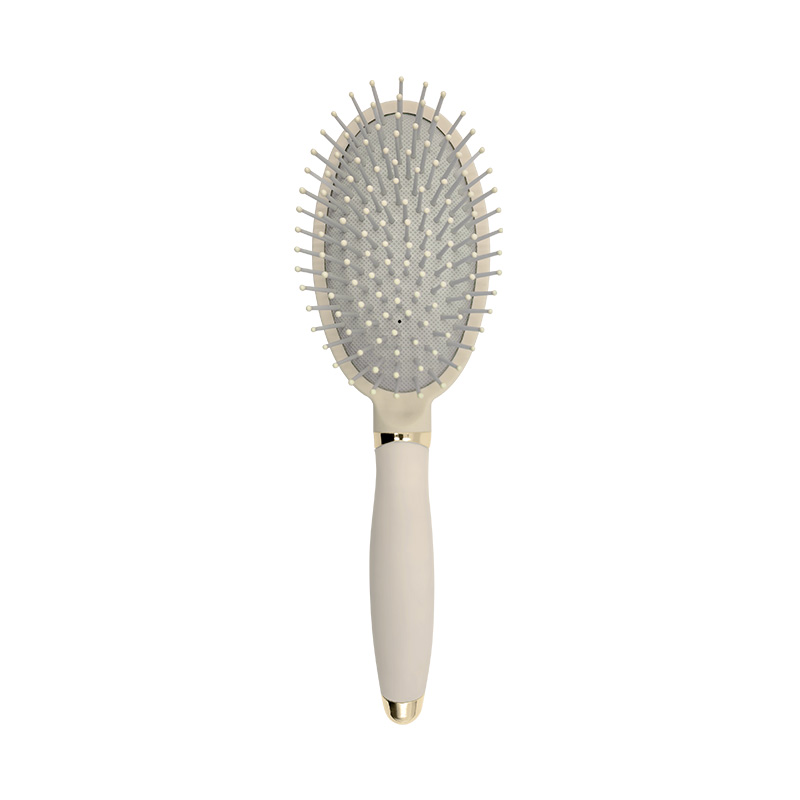
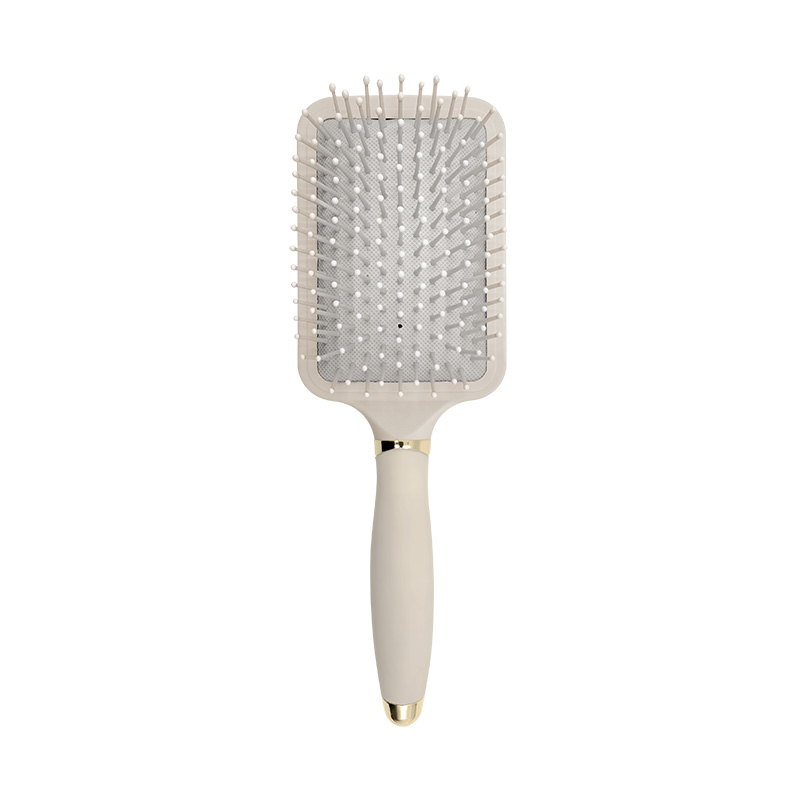
Compared to the cylindrical structure of barrel brushes, traditional hairbrushes have a much simpler design. Traditional hairbrushes, which include flat brushes, flat brushes, and combs, have a simpler body design, making them more suitable for daily hair care. The following are the main design features of traditional hairbrushes:
1. Flat or Curved Body: Traditional hairbrushes typically have a flat or slightly curved body. This design allows for easy detangling and removal of tangles and static during daily care. Compared to the rounded structure of barrel brushes, traditional hairbrushes are designed for comfort and smoothness, making them suitable for easy detangling on wet or dry hair.
2. Simple Bristle Arrangement: Traditional hairbrushes have a relatively simple bristle arrangement, typically evenly spaced or slightly sparsely spaced, to smooth hair and reduce static. Traditional hairbrushes come in a variety of bristle materials, including natural, plastic, and rubber, making them suitable for daily haircare. While their bristle design lacks the structure and curl of barrel brushes, they effectively detangle and smooth hair.
3. No heating: Unlike barrel brushes, which often feature ceramic coatings or metal cores, traditional hairbrushes typically lack any heating features. They rely primarily on manual force to detangle hair without applying excessive heat. This makes traditional hairbrushes suitable for those who don't frequently use a blow-dryer and only require daily care.
4. Widely applicable: Traditional hairbrushes are more suitable for hair of all lengths, especially short or straight hair. Their simple and practical design allows for daily grooming and care without relying on specialized tools or heat. They are an ideal choice for those who prioritize daily care and want to avoid damage.
Design Differences Between Barrel Brushes and Traditional Hairbrushes
From a design perspective, the differences between barrel brushes and traditional hairbrushes can be summarized as follows:
1. Structure and Shape: The cylindrical body of a barrel brush allows it to shape hair through rotation and airflow, making it particularly suitable for creating dynamic styles like curls and waves. Traditional hairbrushes, on the other hand, focus on detangling and smoothing hair and typically have flat or curved bodies, making them more suitable for daily care, especially when using damp hair.
2. Functionality: Barrel brushes not only detangle hair but also help shape hair through the heat of a hair dryer, creating volume, curls, and smoothness. Their design focuses on styling hair using heat and airflow. Traditional hairbrushes, on the other hand, focus on smoothing and detangling and typically lack a heat function, making them suitable for daily care and maintaining hair health.
3. Bristle and Body Material: The bristles of barrel brushes are typically densely packed and strategically arranged, enabling them to create better curls and smooth hair. Traditional hairbrushes, on the other hand, have simpler bristles, making them suitable for daily grooming and can be made of a softer material to avoid stretching.
4. Suitable for: Barrel brushes are ideal for those who frequently use a blow-dryer for styling, especially those with medium or long hair, and can easily create curly, wavy, and other effects. Traditional hairbrushes are suitable for all hair types, especially those with short, straight hair or those with simpler daily haircare needs, helping to detangle and remove tangles.