

 en
en 简体中文
简体中文 English


From "daily necessities" to "fashionable products": consumer concepts quietly change
For a long time, hairbrushes and combs have been classified as "invisible rigid needs" products with low attention and high frequency of use, and the market competition mainly revolves around function and price. However, with the improvement of consumers' aesthetic awareness and the rise of the wave of "self-pleasing consumption", more and more users have begun to regard hairbrushes and combs as a kind of life accessories that show personal style, or even fashion items.
Personalized customization, giving birth to product diversification
Against this background, "personalized customization" has quickly become the main theme of the hairbrushes and combs market, which has not only changed the product design and production logic, but also given birth to the diversity and flexibility of the entire category.
1. Diversified appearance design
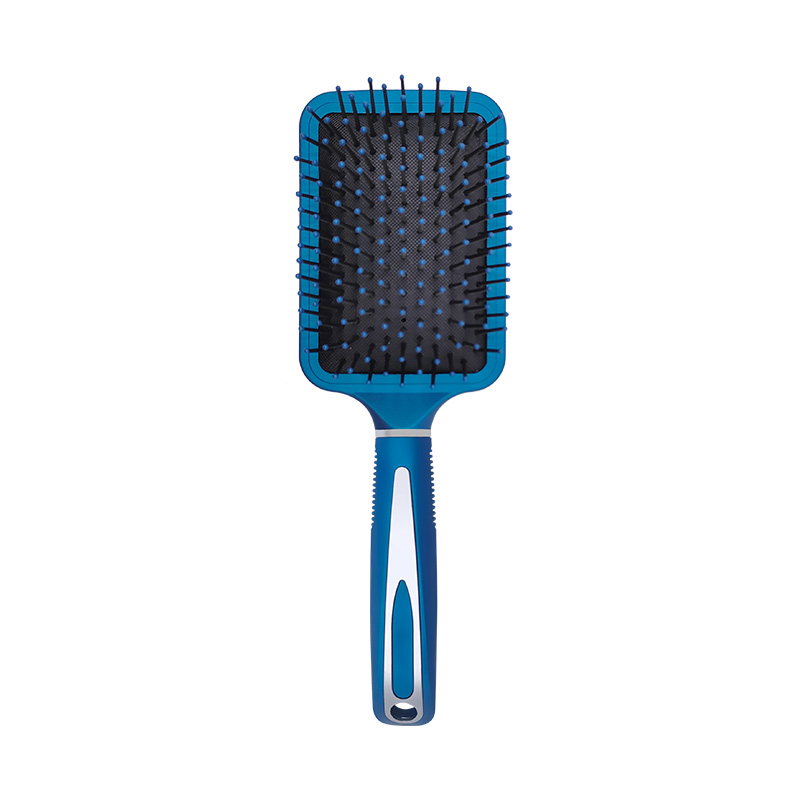
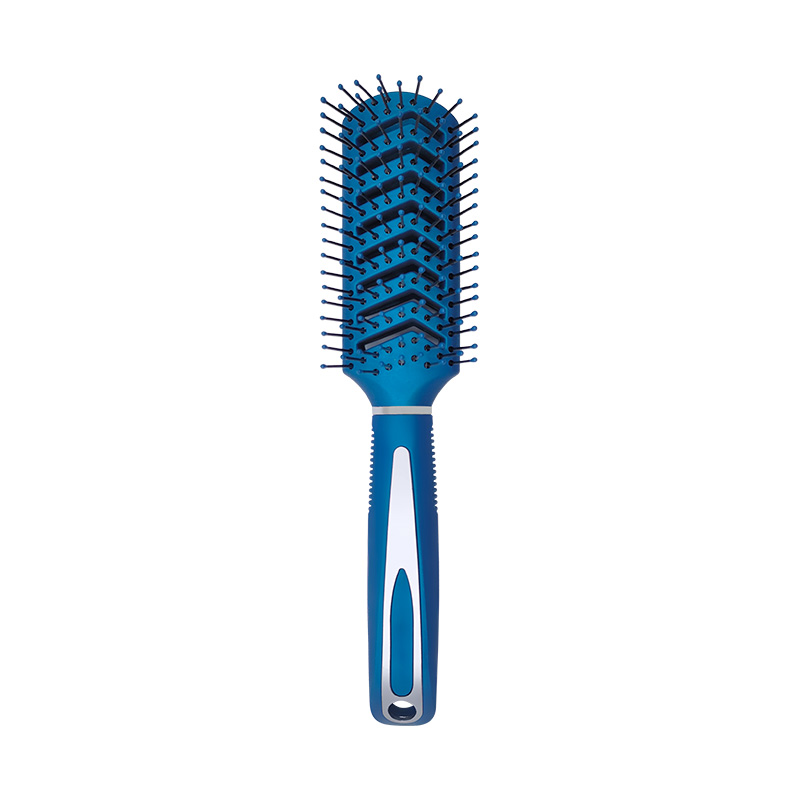
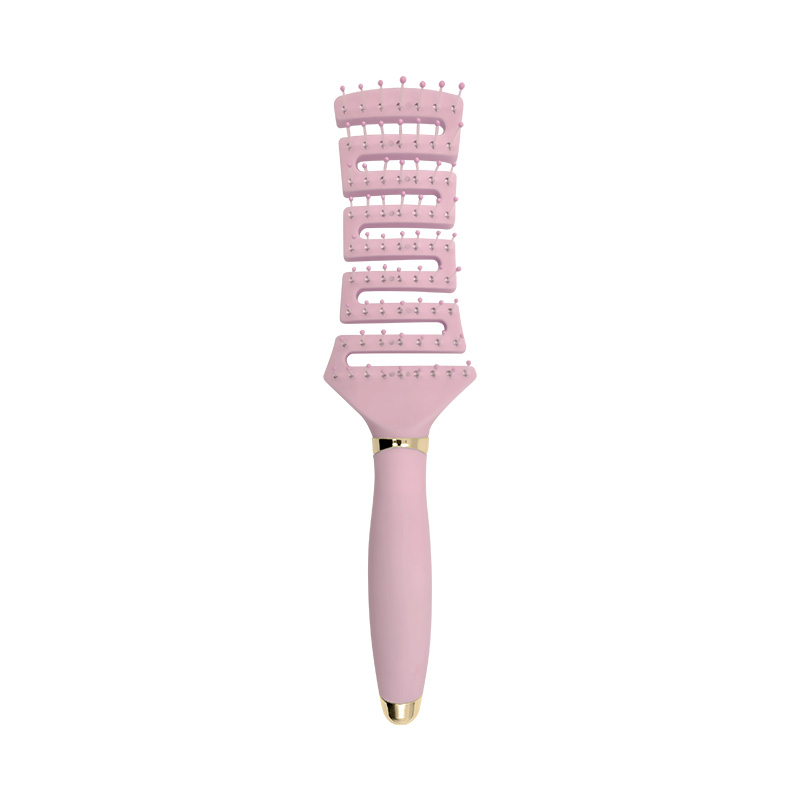
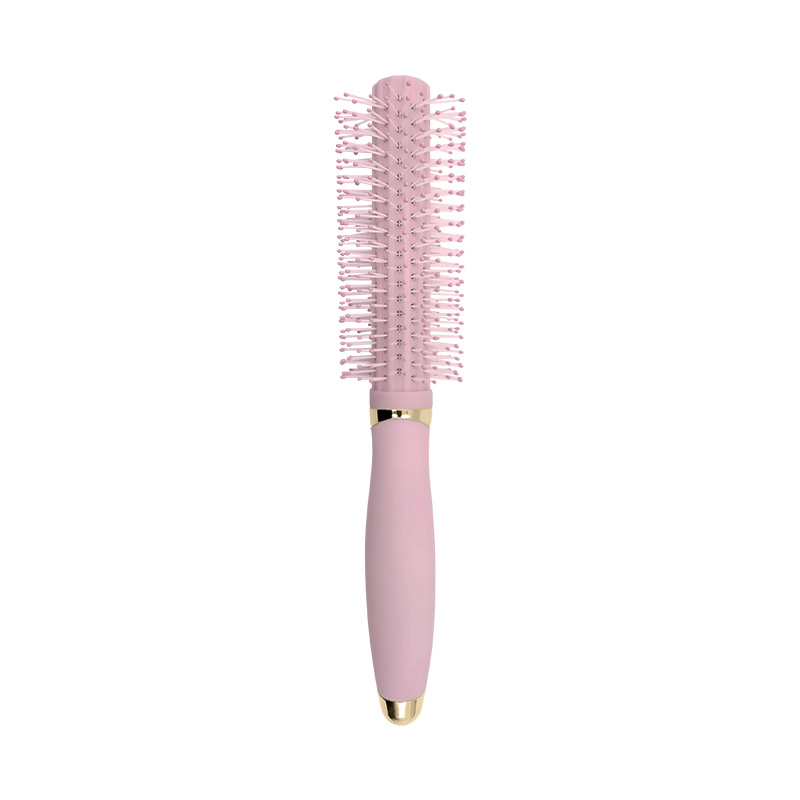
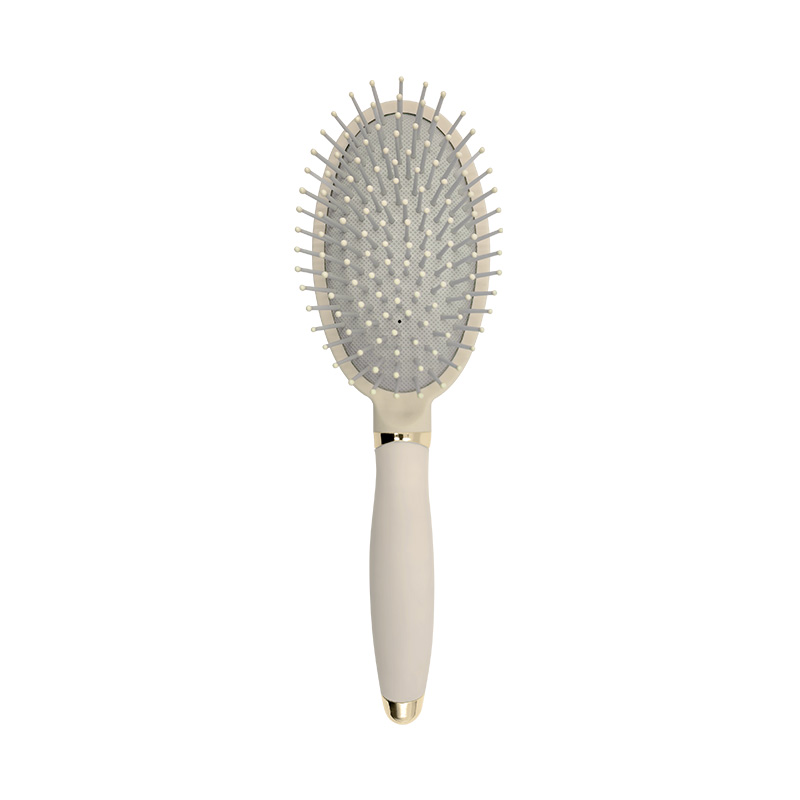
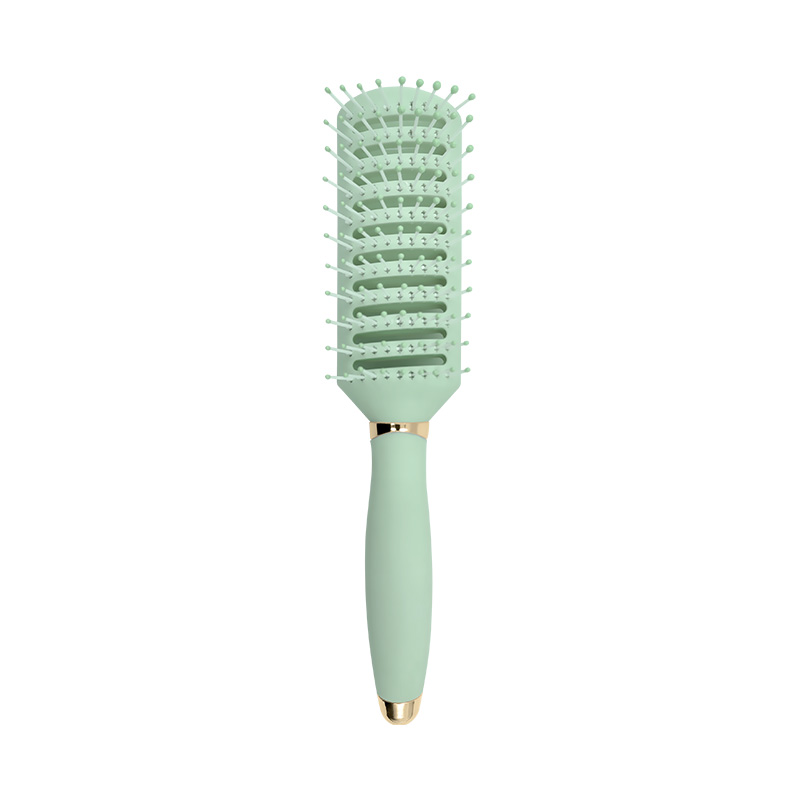
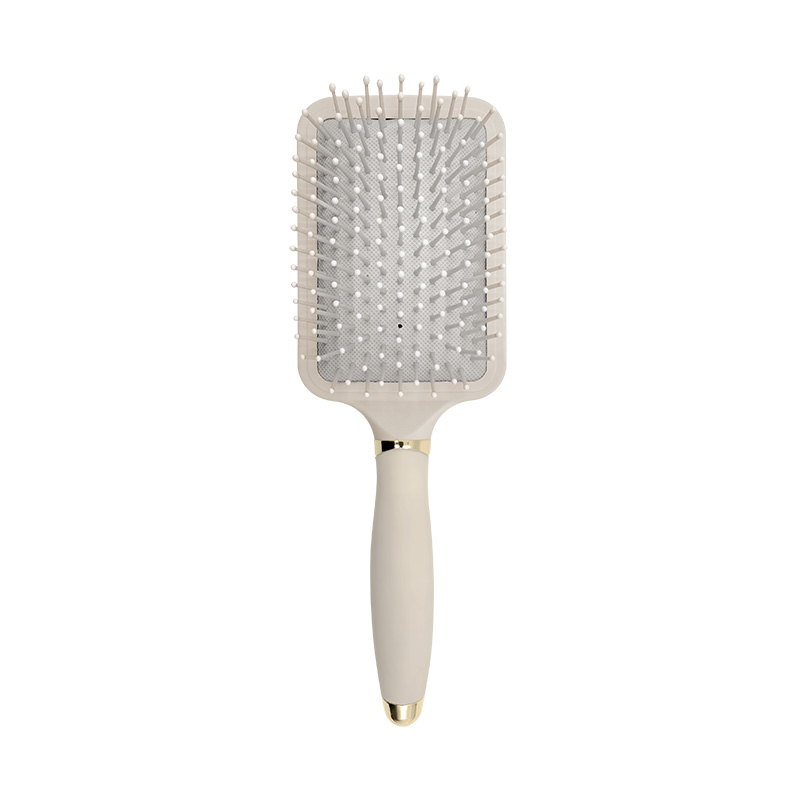
Traditional combs generally adopt standardized appearance, but now consumers can freely choose the color of the comb handle, pattern texture, bristle arrangement, engraving content, etc. according to their own aesthetic preferences.
For example, some brands have launched a "free color matching system" where users can combine hundreds of colors to create a unique "comb handle + brush head + packaging" solution; in the "DIY customization area", users can also upload self-drawn patterns, signatures, and even avatars, achieving a truly personalized comb for each person.
2. Functional segmentation tends to be more precise
There are significant differences in the demand for combs for different hair types, and personalized customization has further promoted the segmentation and optimization of functions. For example:
Curly hair users prefer wide-tooth anti-breakage design;
People who dye and perm tend to choose combs with hair care coatings or anti-static functions;
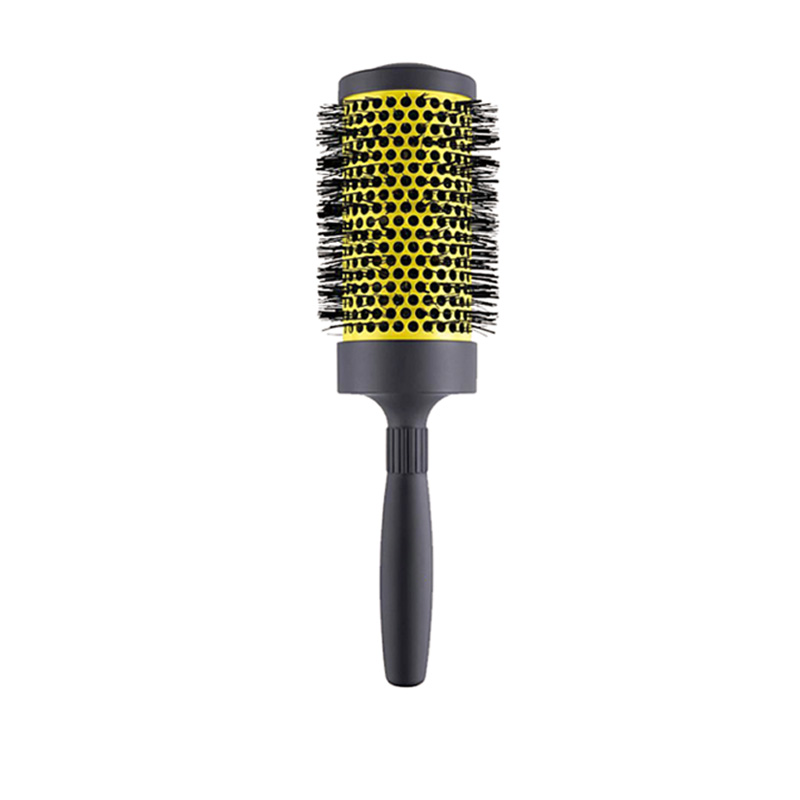
Dry hair is suitable for natural boar bristle brush heads to increase gloss;
Users with sensitive scalps pay more attention to the softness and hardness of the bristles and the massage strength.
This "custom comb" model makes Hairbrushes and Combs no longer a "uniform standard", but a personal care solution tailored to user needs, aesthetics and usage scenarios.
3. Upgrade material selection to green
As the concept of environmental protection permeates all aspects of consumption, many brands have introduced "environmental protection options" in personalized customization:
Use recyclable plastics or degradable materials;
The comb handle is made of original bamboo, recycled wood or waste corn fiber;
Replace animal sources with plant fibers or artificial silk bristles;
Simple packaging design, no plastic sealing, and support for reuse.
These changes not only meet the value demands of environmentally friendly consumer groups, but also give the products stronger social significance and brand warmth.
4. Widely extended application scenarios
The personalization of Hairbrushes and Combs products also promotes its differentiated value in different scenarios:
Gift-oriented: customized couple combs, baby birth commemorative combs, and limited holiday packaging to meet the needs of "emotional gifts";
Workplace/travel exclusive: foldable design, portable brush head, built-in mirror function, etc. to meet the needs of business people;
Mother and baby/child care: soft bristles, cartoon shapes, customized names, to create safe and interesting children's combs;
Hair salon professional: engraved with brand LOGO or hair stylist's exclusive signature, forming brand recognition and customer stickiness.
New retail and social platforms amplify the personalized communication effect
With the rapid development of content e-commerce and social media, the personalized characteristics of Hairbrushes and Combs have been further amplified and spread.
On platforms such as Xiaohongshu and TikTok, many users display and recommend their customized combs as "daily matching", "home ritual" or "gift inspiration", inspiring more people to participate in customized consumption.
Offline stores have also begun to set up "customization experience areas" to allow customers to choose colors, patterns, engravings, and even participate in manual assembly on site. This immersive consumer experience not only increases the added value of products, but also strengthens the emotional connection between brands and consumers.