

 en
en 简体中文
简体中文 English


Content
Detangling hair can be a daily challenge for many, but doing it wrong can lead to split ends, breakage, and a frustrating grooming experience. Whether you have straight, wavy, curly, or coily hair, choosing the right hairbrush or comb for detangling is crucial to maintaining hair health and minimizing damage. But with so many tools on the market, how do you know which one is best for the job?
Why Choosing the Right Detangling Tool Matters
Before diving into specific tools, it’s important to understand why detangling requires the right technique and equipment. When hair is tangled, it can stretch and break, especially if it's pulled too roughly. The wrong tool—whether it's a brush or comb—can exacerbate this problem by causing unnecessary friction or snagging on hair strands.
The key to detangling without damage is a tool that works gently through knots while minimizing tension and breakage. Ideally, you want a tool that works with your hair’s natural texture and helps smooth hair strands without causing friction that leads to split ends or frizz.
Best Hairbrushes for Detangling
Wide-Tooth Combs
Wide-tooth combs are a classic choice for detangling, especially for those with thick, curly, or coily hair. The wide-set teeth gently glide through hair without pulling, which is crucial for minimizing breakage and split ends.
- Pros: Ideal for wet hair, especially for curly or coarse hair types. Wide gaps between teeth prevent hair from pulling or snapping.
- Best for: Curly, coily, or thick hair types, and for use after washing when hair is wet.
Tangle Teezer
The Tangle Teezer is a popular, innovative detangling hairbrush with flexible bristles designed to minimize hair breakage. Its teeth flex to move through hair without causing unnecessary tension, and it works on both wet and dry hair.
- Pros: Works well on all hair types. Lightweight, portable, and easy to use. The flexible bristles detangle with minimal damage.
- Best for: All hair types, particularly fine or delicate hair, and for use when hair is wet or dry.
Wet Brush
Designed specifically for wet hair, the Wet Brush features soft, flexible bristles that help prevent tugging and pulling while detangling. This brush is designed to gently glide through the hair, making it a top pick for minimizing breakage when hair is damp.
- Pros: Works on wet hair without pulling. The bristles are designed to bend and flex to prevent tugging. Great for sensitive scalps.
- Best for: Fine, medium, or thick hair types, especially when hair is damp after a shower.
Boar Bristle Brush
A boar bristle brush is excellent for detangling because it distributes natural oils from the scalp through the hair, promoting shine and health. Though it's typically not as effective for very thick or coarse hair, it works well for fine to medium hair that tends to get tangled in small sections.
- Pros: Distributes oils, adds shine, and helps smooth hair cuticles. Gentle on hair.
- Best for: Fine or medium hair types that need smoothing or are prone to frizz.
Paddle Brush
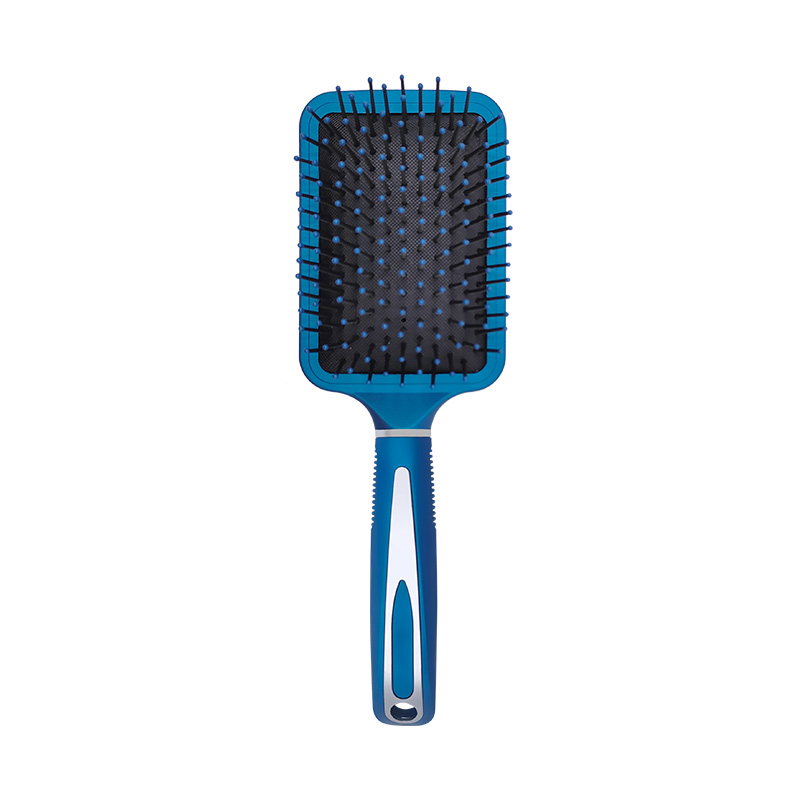
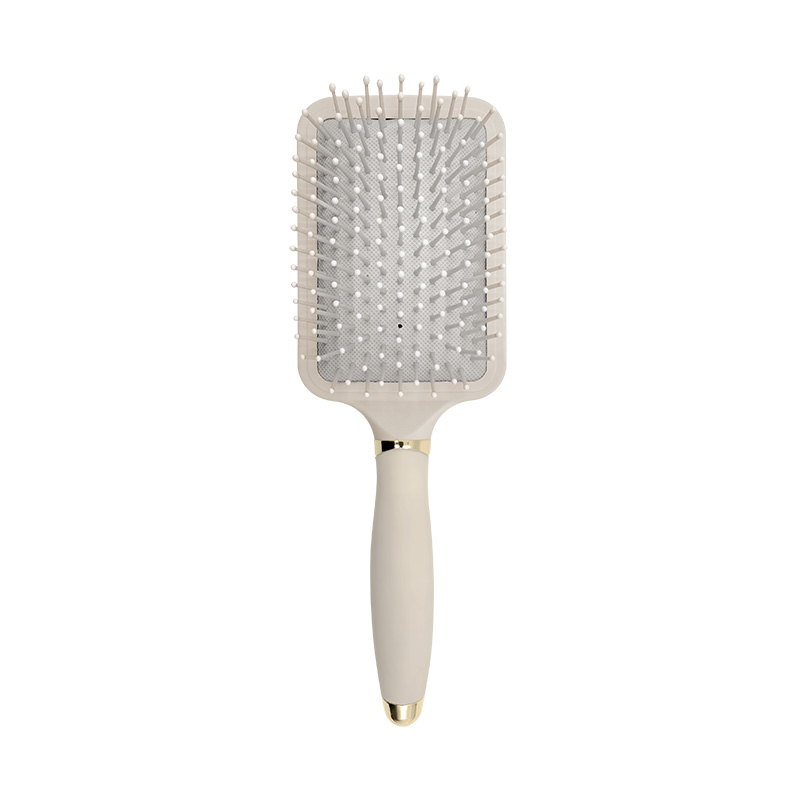
A paddle brush features a large, flat surface with wide-spaced bristles, making it a great option for detangling long hair without pulling. It's particularly helpful for thicker hair because it can cover larger sections at once, smoothing out tangles quickly.
- Pros: Covers a larger surface area, which makes it faster for detangling. Comfortable to hold and use.
- Best for: Long, thick hair.
Best Combs for Detangling
Detangling Comb
A detangling comb is designed with long, smooth teeth that are spaced further apart than a regular comb. It’s designed to glide through hair without causing unnecessary friction, reducing the likelihood of breakage or damage.
- Pros: Gentle on hair. Works well for wet or damp hair. Reduces breakage and snagging.
- Best for: Curly, wavy, or thick hair types, and for use after washing.
Rake Comb
A rake comb has very wide teeth and is excellent for detangling thick or curly hair. The large gaps allow the comb to move through hair without applying excessive tension, making it a great choice for working through tight knots.
- Pros: Ideal for thick, curly, or coily hair. Helps gently detangle without pulling or tugging.
- Best for: Curly or thick hair that is prone to tangles and knots.
Fine-Tooth Comb
A fine-tooth comb is better suited for fine hair or for smoothing edges after detangling with a wider-toothed comb. While not ideal for knotting, it’s great for general styling and refining once hair is detangled.
- Pros: Ideal for fine hair or for smoothing edges. Good for styling and finishing touches.
- Best for: Fine or straight hair, or for after detangling to achieve smooth, sleek styles.
Carbon Fiber Comb
Carbon fiber combs are a durable option made from lightweight, heat-resistant material. These combs are often static-free, which is helpful for reducing frizz during detangling. Carbon fiber is also less prone to breakage compared to traditional plastic.
- Pros: Static-free, heat-resistant, and durable. Excellent for minimizing frizz and flyaways.
- Best for: All hair types, particularly fine or frizzy hair, and for use with heated styling tools.
How to Detangle Hair Without Damage
No matter what tool you choose, the way you detangle your hair is just as important as the tool itself. Follow these tips to minimize breakage:
-
Start from the Bottom: Begin detangling from the ends of your hair and slowly work your way up to the roots. This prevents tugging on knots and helps avoid unnecessary tension.
-
Work in Sections: For longer or thicker hair, section your hair into smaller parts to make the detangling process more manageable. This prevents overloading your tool and reduces the risk of breakage.
-
Use a Leave-In Conditioner or Detangler: Spraying a leave-in conditioner or a detangling spray on your hair before combing or brushing can help soften knots, making the process smoother and reducing the strain on your hair.
-
Don’t Pull or Yank: Be gentle when detangling, especially if you're working with wet hair. If you encounter a tough knot, try using your fingers to loosen it before continuing with the comb or brush.
-
Avoid Excessive Heat: While blow-drying or styling hair, try to avoid using high heat settings, which can lead to further breakage. Let your hair air dry whenever possible before detangling to reduce the amount of heat damage.