

 en
en 简体中文
简体中文 English


Content
- 1 Why is it so important to use a kids & mini comb correctly?
- 2 How to Use Kids & Mini Combs Properly to Avoid Scalp Damage?
- 2.1 Start from the ends and work your way toward the roots
- 2.2 Maintain gentle pressure and avoid excessive force
- 2.3 Brush your child's hair in sections to avoid excessive tangling
- 2.4 Be more gentle when combing wet hair to avoid pulling
- 2.5 Avoid sharing combs and clean them regularly
- 2.6 Choose the right comb material and design
With parents' increasing concern for children's hair care, kids & mini combs have become essential tools in many families. However, due to the delicate nature of children's scalps, improper use of a comb can easily cause damage, irritation, or discomfort. Therefore, while choosing the right kids & mini comb is important, mastering how to use it correctly is even more crucial to avoid any potential damage.
Why is it so important to use a kids & mini comb correctly?
Children's scalp skin is thinner, and their blood vessels and nerves are more sensitive. Therefore, any improper combing can cause unnecessary friction, irritation, or damage. This is especially true for infants and preschoolers, whose hair is finer and softer. A careless combing can pull their hair, irritate their scalp, or cause an allergic reaction.
Children are active and lively, and the contact between their scalp and the comb is often unstable. Failure to master proper combing techniques can easily lead to accidental damage. Therefore, in addition to choosing the right kids & mini comb, parents must also pay attention to proper use during hair care.
How to Use Kids & Mini Combs Properly to Avoid Scalp Damage?
When combing a child's hair, parents should not only pay attention to the design and material of the comb, but also to proper technique. Proper use not only prevents damage to the child's scalp but also helps them develop healthy personal care habits. Here are some key tips to help parents use the kids & mini comb correctly, ensuring a safe and easy combing experience.
Start from the ends and work your way toward the roots
Many parents are accustomed to combing their children's hair from the roots, but this method can cause a pulling sensation when the hair becomes tangled, increasing the risk of scalp injury. Combing from the roots can be particularly damaging to tangled or long hair, as starting from the roots can create a strong pull that can damage a child's delicate scalp.
The correct combing method is to start from the ends and work your way upwards. This not only reduces tugs on the scalp but also effectively detangles the hair, avoiding the discomfort caused by impatience or excessive force. Gently hold the ends of the hair and gently comb upwards from the ends. After untangling any tangles, work your way up to the roots, gradually combing through the entire hair.
Maintain gentle pressure and avoid excessive force
Children's scalps are very sensitive, and excessive force can cause unnecessary irritation or injury. Parents should maintain a gentle pressure when combing, avoiding harsh pulling, especially on knots and tangles. Excessive force may cause the comb teeth to dig too deep into the scalp, causing pain or scratches.
If your child's hair is very tangled, use your fingers to gently separate the tangles first, then use the comb to comb from the base of the knot, gradually untangling it. Avoid using force all at once. This will ensure that the scalp is not damaged and will also reduce the pain of combing.
Brush your child's hair in sections to avoid excessive tangling
Children's hair is typically finer and softer than adult hair, making it more prone to tangling and matting. Brushing too much hair at once can put pressure on the scalp and may even cause discomfort. Parents should divide their child's hair into small sections and comb each section individually. This will avoid excessive pulling and ensure each section is combed more smoothly.
For example, parents can start by dividing the hair into two sections, or by dividing the hair into smaller sections based on length, and combing each section individually. This not only prevents excessive tangling but also ensures that each section is thoroughly combed, ensuring a comfortable and stress-free scalp.
Be more gentle when combing wet hair to avoid pulling
Wet hair is most prone to breakage, especially for children. Wet hair is more delicate than dry hair and is more susceptible to pulling or breaking during combing. Forcibly combing hair before it's completely dry can cause it to become brittle, break easily, or cause scalp discomfort.
When combing wet hair, be extremely careful. Choose a wide-tooth comb or one made of soft materials to avoid harsh pulling. It's best to comb your child's hair when it's partially or completely dry. If it's still damp, gently blot it with a towel before gently combing with a mini comb.
Avoid sharing combs and clean them regularly
The hygiene of the comb itself is crucial to a child's scalp health. Combs come into contact with impurities such as hair flakes, dust, and oil during use. If not cleaned promptly, these impurities can cause scalp irritation or infection.
Parents should regularly clean the kids & mini comb, wiping the teeth and handle with a mild detergent and water to ensure it's clean and free of bacteria. To prevent cross-contamination, avoid sharing combs with family members. Each child should have their own comb, especially during peak infectious disease seasons.
Choose the right comb material and design
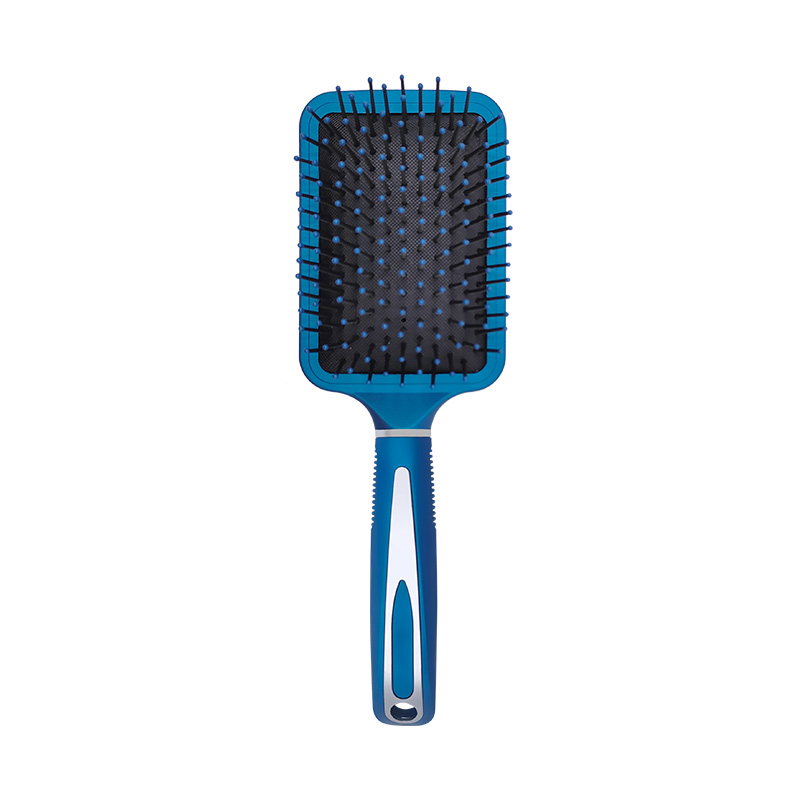
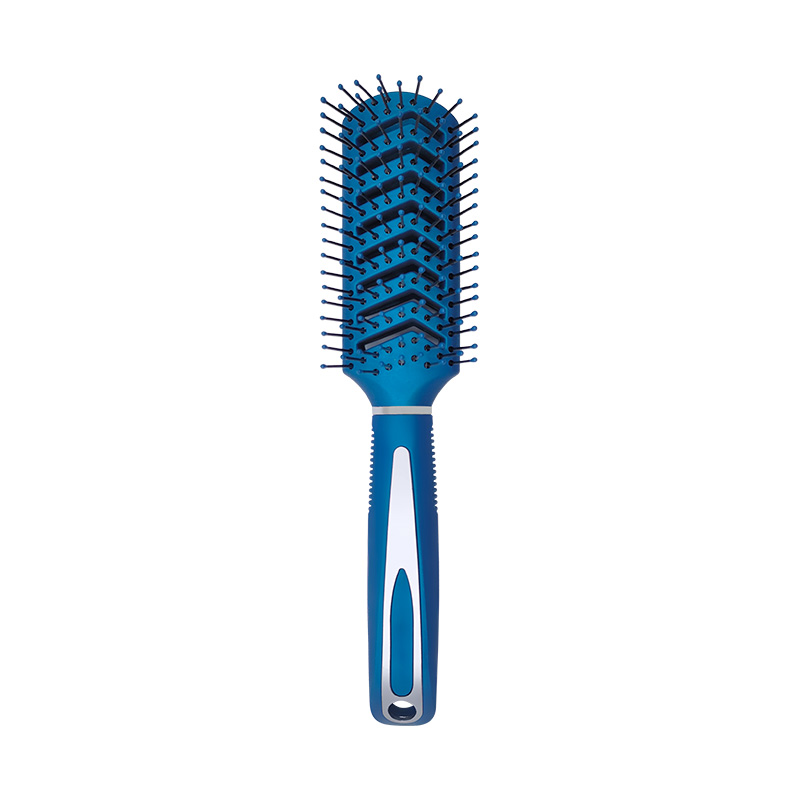
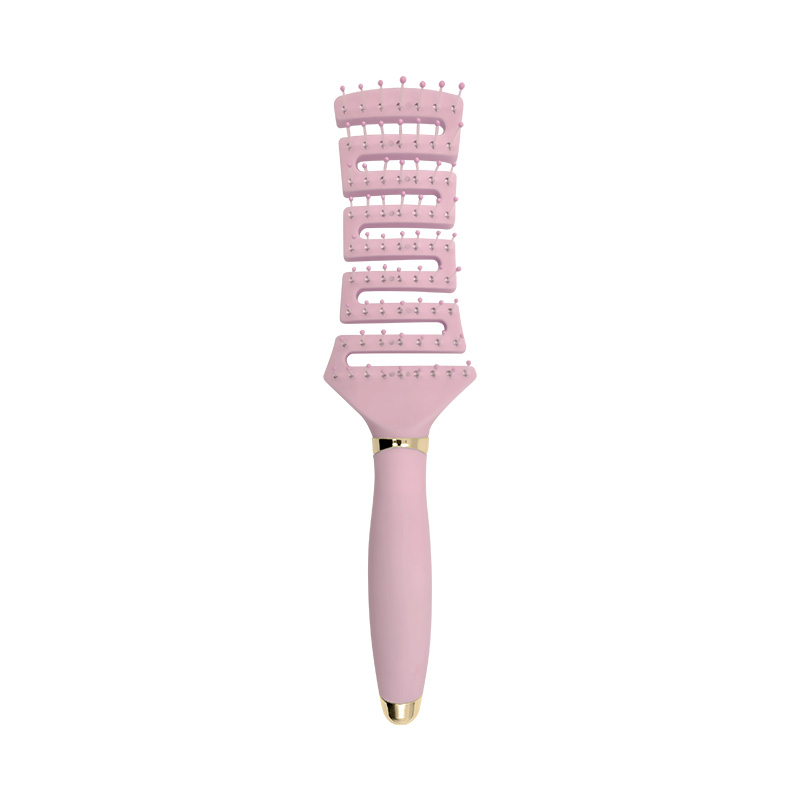
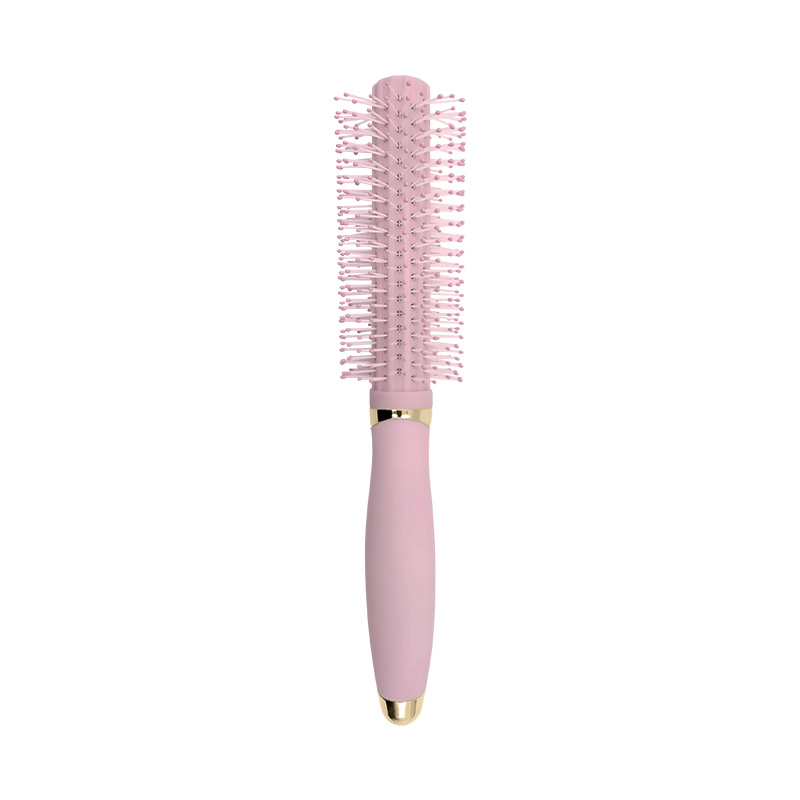
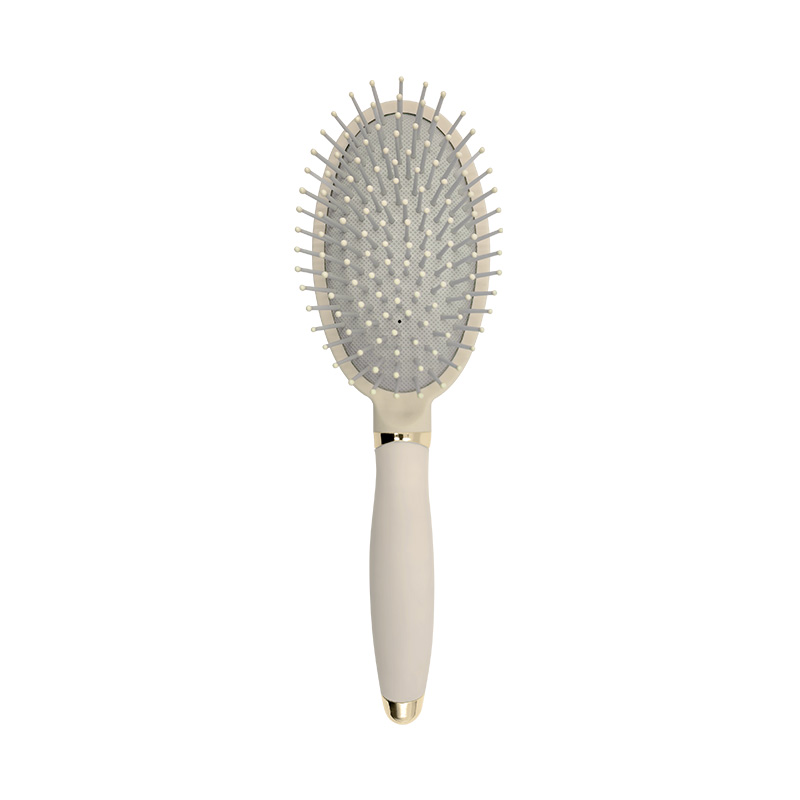
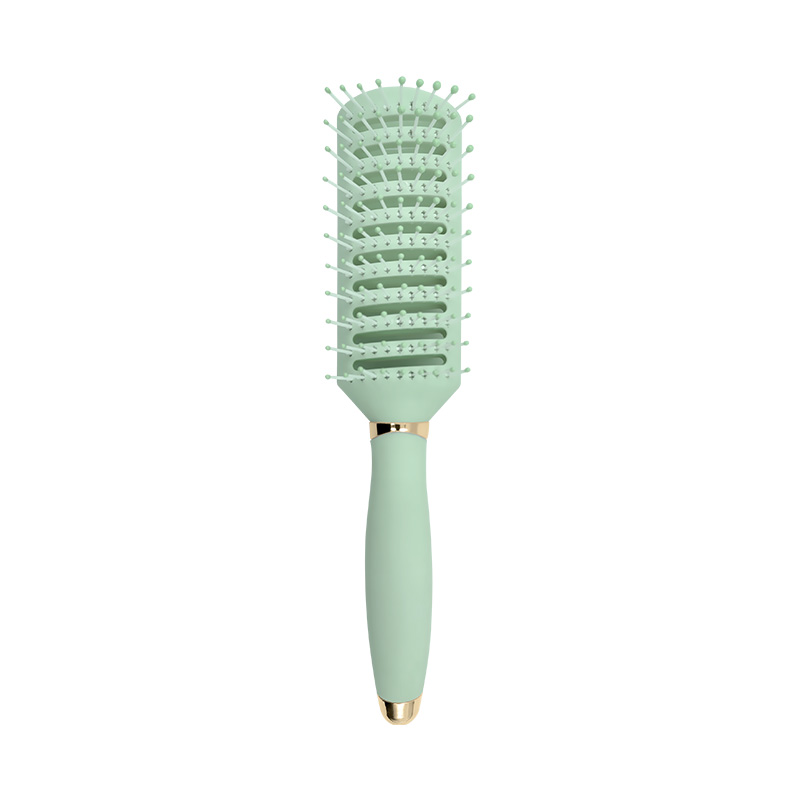
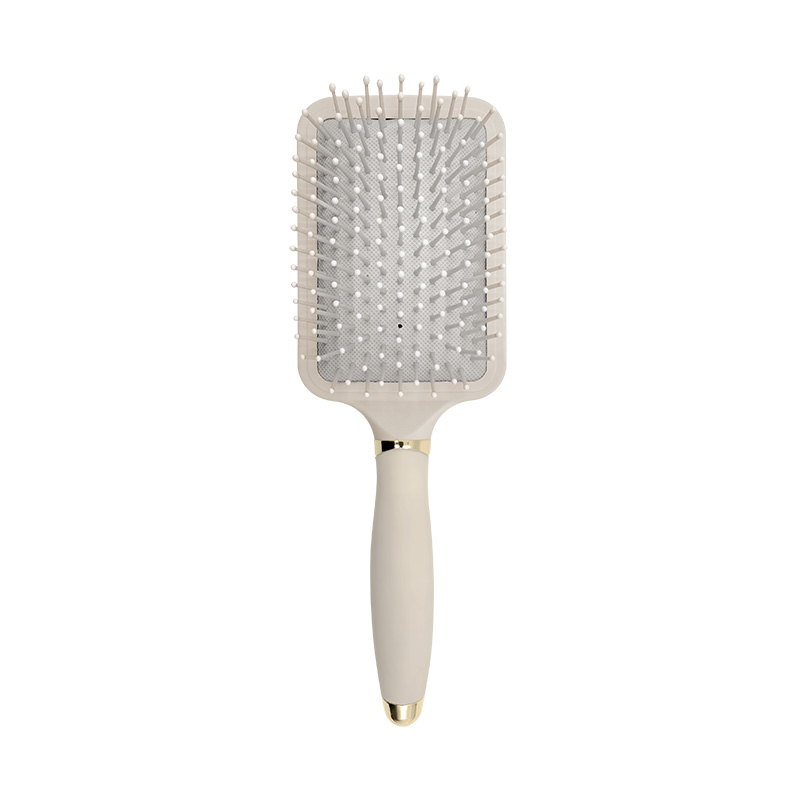
In addition to proper use, choosing the right kids & mini comb is also crucial. There are many types of children's combs on the market. Parents should choose those with soft teeth and smooth, rounded edges without sharp points to avoid harsh or sharp teeth that may damage the scalp. Furthermore, choosing non-toxic and safe materials such as food-grade silicone, environmentally friendly plastic, or natural wood can better protect the child's scalp and hair health.