

 en
en 简体中文
简体中文 English


Content
- 1 Quick Comparison: All Hairbrush Types at a Glance
- 2 Trendy Hairbrushes: Style Meets Function in Modern Designs
- 3 ECO Hairbrushes: Sustainable Performance Without Compromise
- 4 Classic Hairbrushes: Timeless Tools That Still Outperform
- 5 Barrel Hairbrushes: The Professional's Styling Tool
- 6 Wooden Hairbrushes: Natural Beauty With Functional Benefits
- 7 Bamboo Hairbrushes: The Most Sustainable Choice Available
- 8 Kids Hairbrushes: Gentle Design for Delicate Hair and Scalps
- 9 Mini Hairbrushes: Maximum Portability for On-the-Go Styling
- 10 How to Clean and Maintain Any Hairbrush Type
The right hairbrush is one of the most impactful tools in any hair care routine — the wrong brush can cause breakage, frizz, and scalp irritation, while the right one detangles, smooths, and stimulates the scalp with every stroke. Today's hairbrush market spans everything from eco-conscious bamboo hairbrushes and classic wooden hairbrushes to trend-driven designs, professional barrel hairbrushes, gentle kids hairbrushes, and compact mini hairbrushes for on-the-go styling. Each category serves a distinct purpose, and understanding the differences saves both money and hair damage.
The global hairbrush market exceeded $1.2 billion in 2023 and is growing steadily as consumers increasingly seek brushes that combine performance with sustainability and aesthetics. This guide covers every major hairbrush category — what each does best, who it suits, and what to look for when buying.
Quick Comparison: All Hairbrush Types at a Glance
| Brush Type | Best Hair Type | Primary Use | Eco Rating |
|---|---|---|---|
| Trendy Hairbrush | All types | Styling, detangling, gifting | Varies |
| ECO Hairbrush | All types | Daily brushing, detangling | 5 Stars |
| Classic Hairbrush | Normal to thick | Smoothing, everyday brushing | 3 Stars |
| Barrel Hairbrush | Medium to long | Blowouts, curls, volume | 3 Stars |
| Wooden Hairbrush | All types | Scalp stimulation, smoothing | 4 Stars |
| Bamboo Hairbrush | All types | Daily care, eco styling | 5 Stars |
| Kids Hairbrush | Fine, delicate hair | Gentle detangling, daily care | 3 Stars |
| Mini Hairbrush | All types | Travel, touch-ups, portability | 3 Stars |
Trendy Hairbrushes: Style Meets Function in Modern Designs
Trendy hairbrushes are defined not just by their visual appeal but by the way they incorporate current styling needs, innovative materials, and social-media-driven aesthetics into a functional tool. In 2023 and 2024, the most viral hairbrush trends included cloud-shaped detangling brushes, transparent ergonomic handles, and pastel-toned boar bristle paddles — all driven largely by beauty influencer content on TikTok and Instagram, where haircare content regularly generates hundreds of millions of views.
What Makes a Hairbrush "Trendy"
- Aesthetic design: Unique shapes, color-ways, or transparent constructions that look as good on a vanity as they perform in use
- Innovative function: Features like flexible bristle pads, cushioned bases with extra give, or heat-resistant nylon pins designed for use with blow dryers
- Multi-purpose capability: Brushes that detangle, smooth, and add shine in a single pass without switching tools
- Collaborations and limited editions: Designer or influencer co-branded collections that create demand through scarcity and brand association
Top Trending Hairbrush Styles in 2024–2025
- Detangling paddle brushes with flexible bases: Extra-flexible cushion pads that contour to head shape and reduce pulling by up to 40% compared to rigid-base brushes — particularly popular for wavy and curly hair
- Scalp massager hybrid brushes: Combining rubber scalp-stimulating nubs with standard bristles for a dual detangle-and-massage effect that promotes circulation
- Anti-static ionic brushes: Brushes with tourmaline-infused bristles or ionizing plates that reduce frizz by neutralizing static charge — trending particularly in dry climate markets
- Minimalist Scandinavian-style designs: Clean lines, neutral tones, and premium materials positioned as lifestyle accessories rather than purely functional tools
ECO Hairbrushes: Sustainable Performance Without Compromise
ECO hairbrushes prioritize environmental responsibility across the entire product lifecycle — from raw material sourcing through manufacturing, use, and end-of-life disposal. A conventional plastic hairbrush takes 400 to 1,000 years to decompose in landfill, while a well-designed eco hairbrush can be composted, recycled, or returned through take-back programs within months.
Materials Used in ECO Hairbrushes
- Recycled ocean plastic handles: Handles made from reclaimed plastic recovered from coastal waterways — each brush may divert 50 to 150 grams of ocean-bound plastic from marine environments
- Bioplastic (PLA/PHA) handles: Plant-derived polymers that are industrially compostable — functionally identical to conventional plastic in performance
- Natural bristles (boar, plant-based nylon): Boar bristle brushes use a renewable animal byproduct; plant-based nylon alternatives made from castor oil offer a vegan option with comparable performance
- Recycled cardboard packaging: ECO brushes typically eliminate plastic blister packaging in favor of FSC-certified recycled cardboard, reducing packaging waste by up to 90% by volume
Certifications to Look for on ECO Hairbrushes
- FSC (Forest Stewardship Council): Confirms any wood or paper components come from responsibly managed forests
- OEKO-TEX Standard 100: Verifies that no harmful substances are present in bristles or materials that contact skin and hair
- B Corp certification: Indicates the brand meets comprehensive social and environmental performance standards across its operations
- Leaping Bunny / PETA cruelty-free: Confirms no animal testing in manufacturing — particularly relevant for boar bristle brush sourcing verification
Classic Hairbrushes: Timeless Tools That Still Outperform
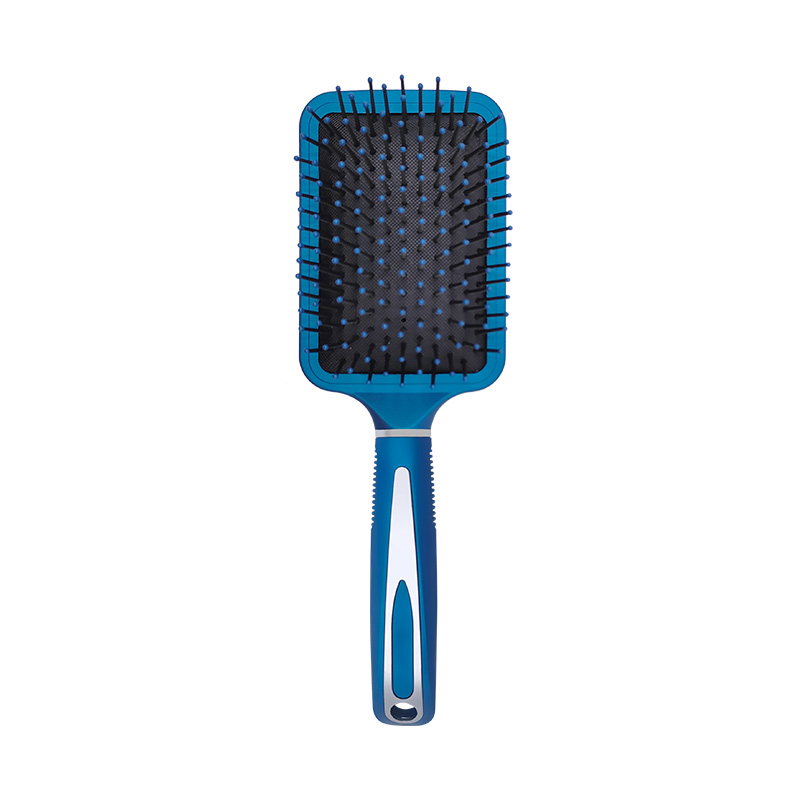
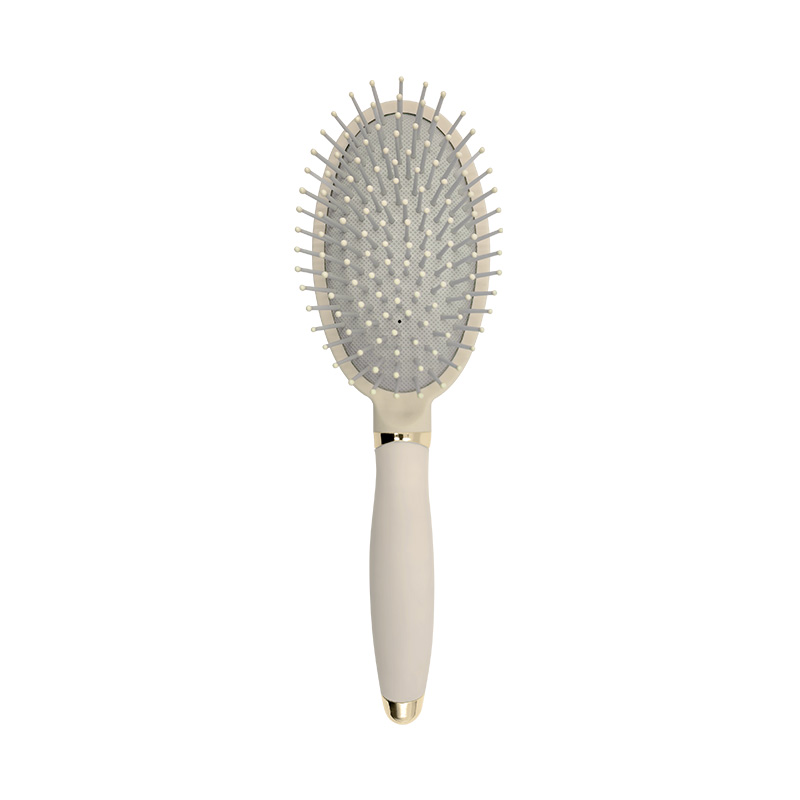
Classic hairbrushes — paddle brushes, cushion brushes, and vent brushes with oval or rectangular heads — remain the most-purchased hairbrush format globally precisely because they work reliably for the broadest range of hair types and styling scenarios. A well-made classic paddle brush with mixed boar and nylon bristles remains the single most versatile hairbrush a person can own, capable of detangling, smoothing, distributing scalp oils, and adding shine in a single grooming session.
Classic Brush Types and Their Specific Functions
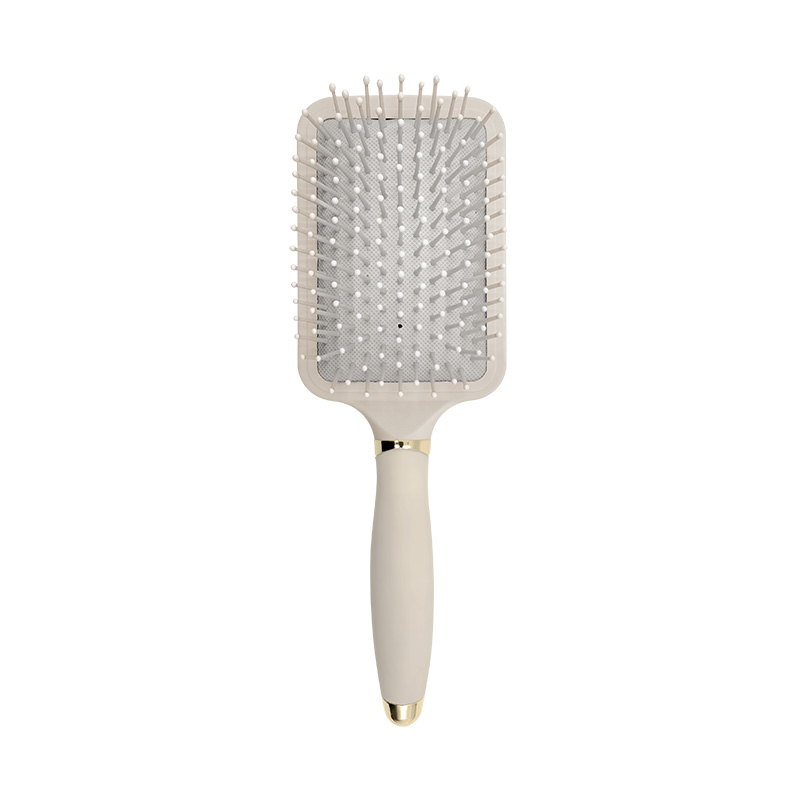
- Paddle brush: Large flat head covers maximum surface area per stroke — ideal for long, straight, or wavy hair that needs efficient detangling and smoothing. The wide head reduces brushing time by 30 to 50% compared to narrow round brushes on the same hair length.
- Cushion brush: A pneumatic rubber cushion base absorbs pressure and allows bristles to flex independently — reduces scalp abrasion and bristle pull, making it the classic choice for sensitive scalps and fine hair
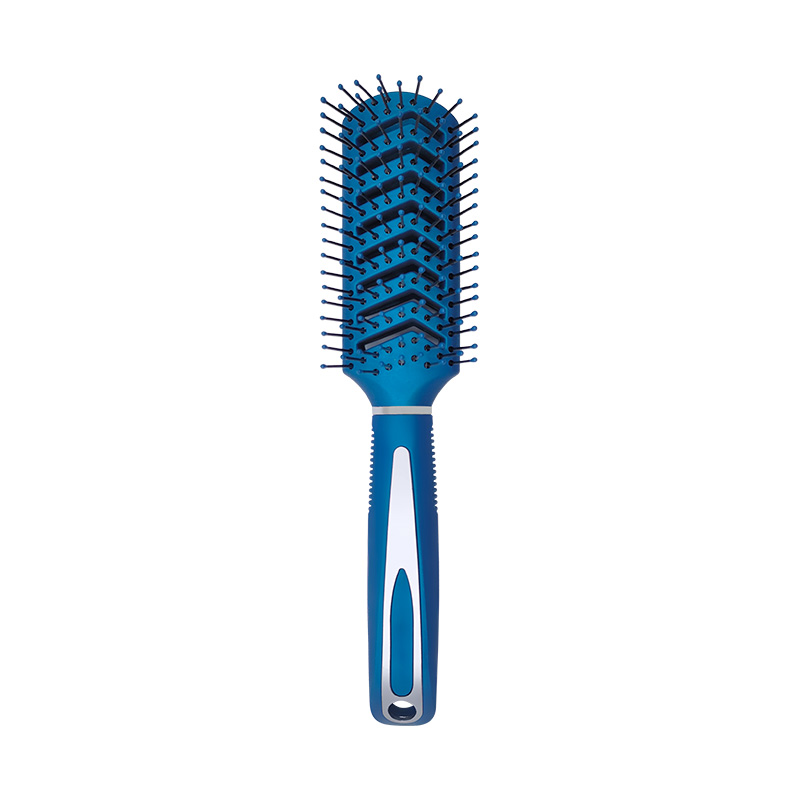
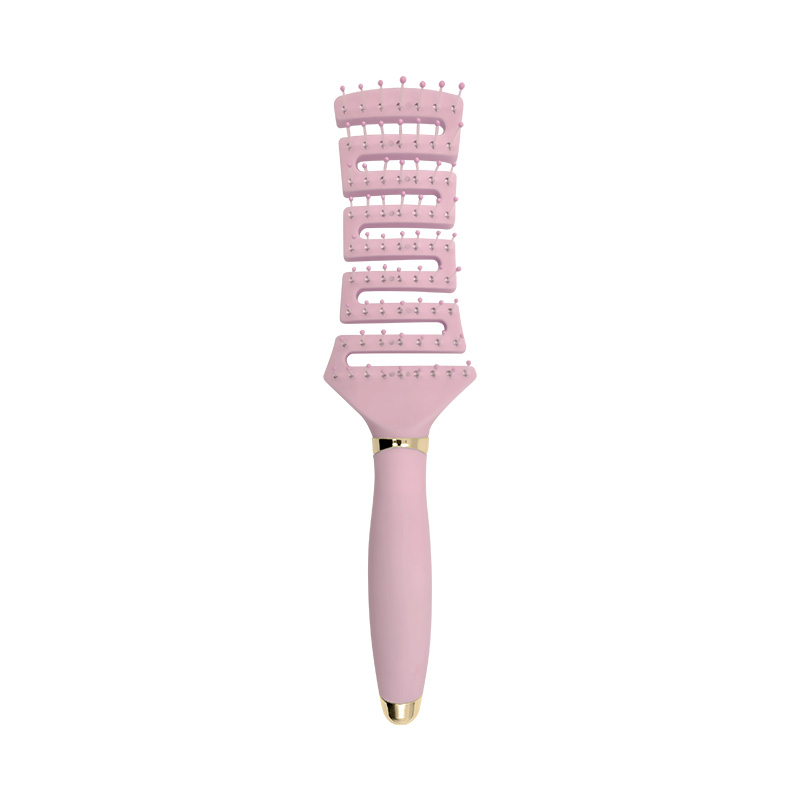
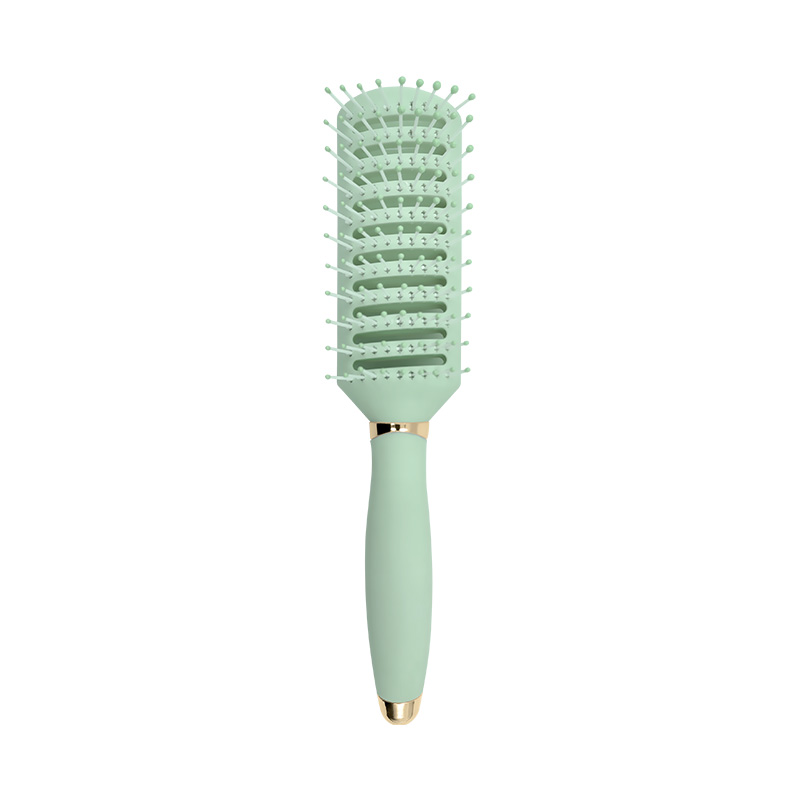
- Vent brush: Openings in the brush head allow airflow through the bristles — significantly reduces blowdry time (by up to 25% in timed tests) by letting hot air circulate directly to the hair shaft
- Military brush: Short, dense oval brush traditionally used for short hair and scalp stimulation — a staple of men's grooming for over a century
Bristle Types in Classic Brushes
- Pure boar bristle: Best for fine to medium hair — distributes natural oils from scalp to ends, adds exceptional shine, and is gentle enough for daily use without causing breakage
- Mixed boar and nylon: Nylon pins penetrate thick or tangled hair while boar bristles smooth and condition — the most versatile bristle combination for medium to thick hair
- Pure nylon: Most effective for detangling coarse, thick, or highly textured hair — not recommended for fine hair as nylon can cause static and mechanical damage without the buffering effect of natural bristles
Barrel Hairbrushes: The Professional's Styling Tool
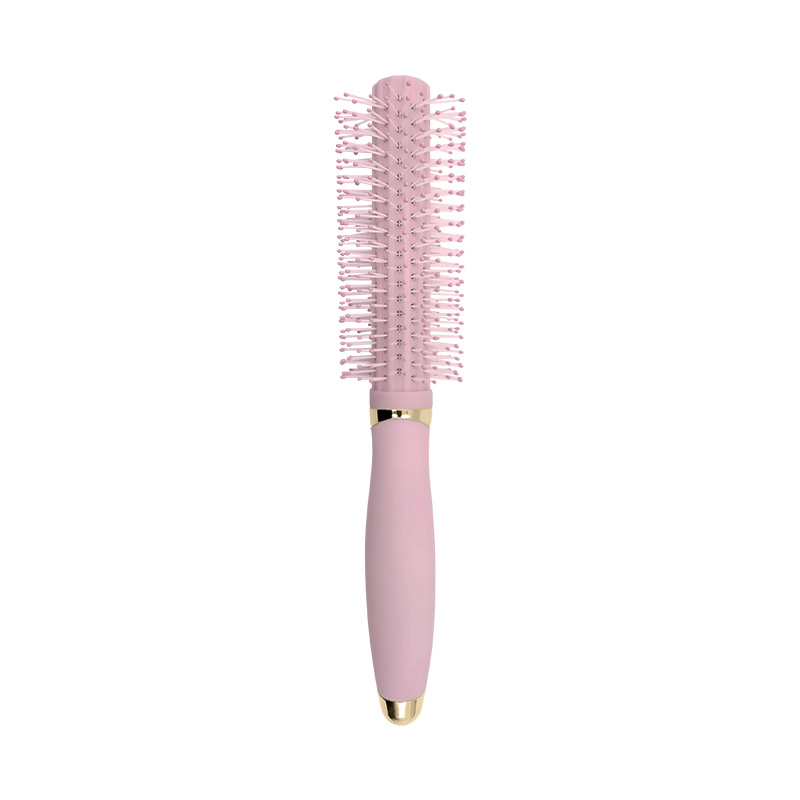
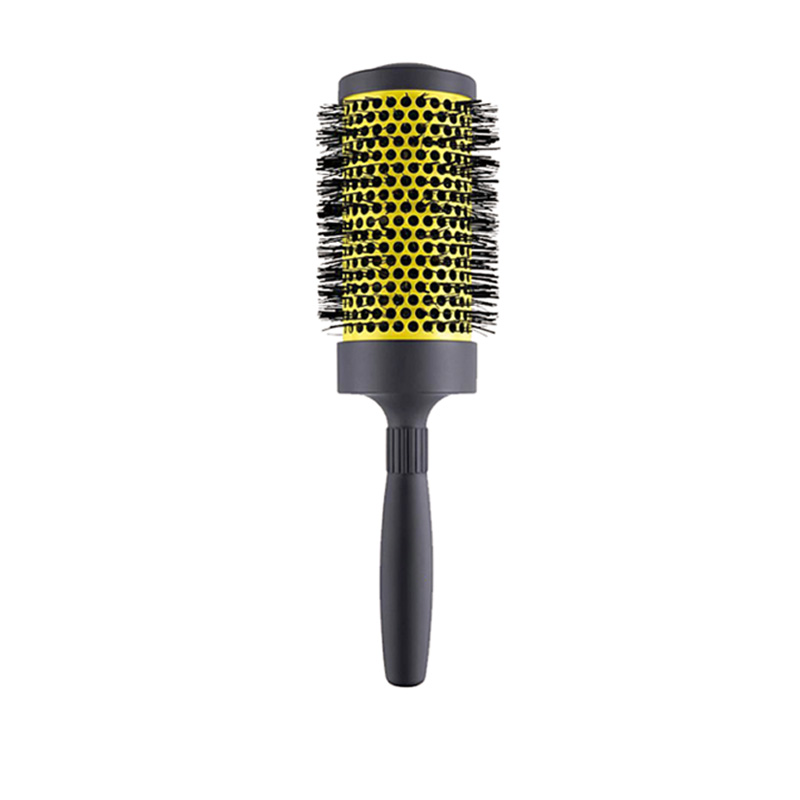
Barrel hairbrushes — also known as round brushes — are cylindrical brushes used in combination with a blow dryer to create volume, curl, wave, and smoothness during the drying process. A barrel brush is the defining tool of a professional blowout, and mastering its use is the single technique that most dramatically transforms at-home styling results from flat to salon-quality.
Choosing the Right Barrel Diameter
Barrel diameter is the most critical selection variable for round brushes — it directly determines the size of curl or wave created and the amount of volume achieved at the root.
- Small barrel (under 1 inch / 25mm): Creates tight curls and ringlets — ideal for short hair, creating defined wave patterns, or adding volume to the fringe area
- Medium barrel (1–1.5 inches / 25–38mm): Produces loose waves and medium curls — the most versatile size for shoulder-length hair and the most common in professional kits
- Large barrel (1.75–2.5 inches / 44–63mm): Creates soft bends, waves, and significant root lift — best for long hair blowouts achieving the classic salon-smooth finish
- Extra-large barrel (over 2.5 inches / 63mm+): Used primarily for root volume and straightening with a slight wave on very long or thick hair
Barrel Core Materials and Heat Performance
- Ceramic barrel: Emits far-infrared heat that dries hair from within rather than just the surface — reduces drying time by up to 30% and minimizes frizz by sealing the cuticle layer
- Metal (aluminum) barrel: Heats up quickly and retains heat well — effective for thick, coarse hair that benefits from sustained high heat, but can cause heat damage on fine hair if used carelessly
- Wooden barrel: Does not conduct or retain heat — safest option for heat-sensitive or damaged hair, though less effective for creating tight wave patterns requiring heat memory
- Bamboo barrel: Lightweight, naturally smooth surface, and non-heat-retaining — increasingly popular in eco-focused professional tool ranges
Wooden Hairbrushes: Natural Beauty With Functional Benefits
Wooden hairbrushes combine aesthetic warmth with genuine functional advantages over plastic alternatives. The most significant benefit is natural anti-static performance — wood does not generate or accumulate static electricity the way plastic does, meaning wooden brushes naturally reduce frizz and flyaways without any additional treatment or coating.
Types of Wood Used in Hairbrush Construction
- Beechwood: The most common wood in premium hairbrush handles and bases — hard, smooth-grained, and highly resistant to warping from water exposure. Used by heritage brands like Mason Pearson for over 100 years.
- Cherry wood: Fine-grained and naturally antibacterial — used in premium artisan brushes where longevity and aesthetics are prioritized
- Olive wood: Extremely dense and beautiful grain patterns — primarily used in luxury brush handles; naturally antimicrobial due to oleuropein content
- Pine: Lighter and more affordable than hardwoods — common in mid-market wooden brushes; requires sealing to prevent moisture absorption
Wooden Pin Benefits for the Hair and Scalp
Wooden pin brushes feature rounded wooden tips that glide through hair with significantly less snagging than metal or rigid plastic pins. The smooth wooden tip contacts the scalp with a gentle massaging action that stimulates blood circulation — regular scalp massage with a wooden pin brush for just 4 minutes daily has been associated in clinical studies with measurable improvements in hair thickness over 24 weeks. Wooden pins also do not conduct static, making them particularly effective for fine, flyaway hair types.
Bamboo Hairbrushes: The Most Sustainable Choice Available
Bamboo hairbrushes represent the pinnacle of sustainable hair tool design. Bamboo is the fastest-growing plant on Earth, capable of regenerating up to 91 cm per day without replanting, making it dramatically more renewable than any hardwood alternative. It requires no pesticides, minimal water, and naturally sequesters carbon at rates comparable to many tree species — all without the habitat disruption associated with logging.
Why Bamboo Outperforms Plastic in Hairbrush Applications
- Natural anti-static properties: Like all wood-based materials, bamboo does not generate static charge — brushing with a bamboo brush leaves hair smooth and frizz-free without product
- Lightweight yet strong: Bamboo has a tensile strength comparable to steel at one-fifth the weight — bamboo brush handles are exceptionally durable without adding bulk
- Natural antibacterial properties: Bamboo contains an antimicrobial agent called bamboo kun that inhibits bacterial and fungal growth on the brush surface — important for hygiene in daily-use personal tools
- Biodegradable end of life: A bamboo brush handle with natural bristles is fully compostable — biodegrading in 6 to 12 months in home compost versus 400+ years for a conventional plastic brush
Bamboo Hairbrush Bristle Options
- Boar bristle + bamboo handle: The most common combination — natural bristles match the sustainability ethos of the bamboo body, and boar bristle performance on fine to medium hair is unmatched for shine and oil distribution
- Plant-based nylon + bamboo handle: Fully vegan option — castor-oil-derived nylon pins set in a bamboo cushion base provide effective detangling without animal-derived components
- Bamboo pins + bamboo handle: The most radically sustainable option — the entire brush is one material, simplifying end-of-life disposal. Best for gentle daily brushing on fine to medium hair.
Kids Hairbrushes: Gentle Design for Delicate Hair and Scalps
Children's hair and scalps require a fundamentally different approach to brushing than adult hair. Children's scalps are more sensitive, their hair is typically finer and more prone to tangles, and the brushing experience must be comfortable enough not to create lifelong aversion to hair care. A poorly chosen brush that pulls or scratches can make brushing a daily battle — the right kids hairbrush makes it painless and even enjoyable.
Key Design Features of Quality Kids Hairbrushes
- Extra-soft bristles: Silicone, ultra-fine nylon, or soft boar bristles rated for sensitive scalps — bristle tip hardness should be significantly softer than adult brushes to prevent scalp abrasion on thinner pediatric skin
- Flexible cushion base: Maximum cushion flex absorbs pressure variation from a child's less-controlled brushing force — reduces pulling force by distributing it across the base rather than concentrating at individual bristle points
- Ergonomic small handle: Sized for small hands — both for children learning to brush themselves and for parents gripping a compact handle during brushing sessions
- Wide-spaced bristles: Greater spacing between pins allows fine, tangled hair to pass through without bunching — reducing the tug-and-pull that causes pain and hair breakage in children with fine or curly hair
- Non-toxic, BPA-free materials: Children frequently put brushes in their mouths or handle them extensively — all materials must comply with toy safety standards such as EN 71 (EU) or ASTM F963 (US)
Age-Appropriate Kids Brush Recommendations
- 0–12 months: Soft natural bristle brush (goat hair or ultra-soft boar) for cradle cap massage and first hair care — zero nylon pins
- 1–4 years: Silicone or soft nylon cushion brush with a chunky non-slip handle — designed for use by a parent on a child who moves during brushing
- 4–10 years: Detangling brush with wide-spaced flexible bristles — specifically formulated to glide through knots without pain, building positive brushing habits
- 10+ years (pre-teen): Transitional brushes sized between kids and adult — appropriate for hair that is thickening as adult hormones begin to influence hair texture
Mini Hairbrushes: Maximum Portability for On-the-Go Styling
Mini hairbrushes deliver the essential functions of a full-size brush in a compact format designed to fit in a handbag, gym bag, carry-on luggage, or desk drawer. A quality mini brush should be under 5 inches (12.5cm) in length when closed or collapsed yet provide genuine detangling and smoothing performance — not just a token travel accessory.
Types of Mini Hairbrushes
- Folding brush: Full-bristle head that folds flat against the handle for transport — the most common mini format, offering the closest performance to a full-size brush in a compact profile
- Pocket paddle brush: A scaled-down paddle brush, typically 3 to 4 inches wide, that provides paddle brush performance for touch-ups and mid-day smoothing
- Retractable brush: Bristles retract into the handle for hygienic transport — the cleanest format for bag storage as bristles are protected from lint and debris when not in use
- Mini barrel brush: Compact round brush for travel blowouts — typically 1 to 1.5 inches in barrel diameter, suitable for short hair styling or fringe work on any hair length
What to Look for in a Mini Brush for Travel
- TSA/carry-on compliance: Mini brushes should have no components (mirrors, batteries) that could trigger security screening — a simple brush-only design travels with zero friction
- Durable hinge (for folding designs): The folding mechanism is the highest-stress point — look for metal hinges rather than plastic snap connections, which fatigue and break with repeated use
- Matching bristle quality to full-size version: Many travel brushes use lower-quality bristles than their full-size equivalents to cut cost — always verify bristle specification, not just size
- Mirror inclusion: Many mini brush designs include a small integrated mirror — valuable for touch-ups without additional accessories, though adds marginal weight
How to Clean and Maintain Any Hairbrush Type
Regardless of brush type — trendy, eco, bamboo, or kids — proper cleaning extends brush lifespan, maintains bristle performance, and prevents the buildup of product residue, dead skin cells, and oils that reduce brushing effectiveness. Most dermatologists recommend cleaning hairbrushes at least once per week for daily users.
- Remove hair buildup: Use a comb or the pointed end of a rat-tail comb to lift and pull accumulated hair from the bristle base — start at the outside edge and work toward the center. Remove after every 2 to 3 uses to prevent compaction.
- Prepare cleaning solution: Mix a few drops of gentle shampoo or dish soap in a bowl of warm water. For bamboo and wooden brushes, use minimal water to avoid warping — a damp cloth is preferable to soaking.
- Clean the bristles: For plastic and rubber-cushion brushes, dip bristles into the solution and use an old toothbrush to scrub between pins. For wooden and bamboo brushes, apply solution with a cloth and scrub bristles without submerging the handle.
- Rinse thoroughly: Run clean water over bristles to remove all soap — soap residue left on bristles transfers to hair during brushing and can cause buildup.
- Dry correctly: Place all brushes bristle-side down on a clean towel to allow gravity to drain water away from the cushion pad or wooden base — never store wet brushes bristle-up, which traps moisture and accelerates mold growth on natural materials and cushion degradation on synthetic brushes.