

 en
en 简体中文
简体中文 English


Content
- 1 The basic anatomy of a hairbrush
- 2 Handle materials: plastic, wood, bamboo, and metal
- 3 Bristle materials: natural, synthetic, and mixed
- 4 Cushion and pad materials: rubber, silicone, and air
- 5 Thermal barrels and coatings: ceramic, tourmaline, and titanium
- 6 Why material choices matter when sourcing from a factory
Pick up a typical hairbrush and examine it for a few seconds. You will see a handle, a base, and bristles. Pick up a professional round brush, and the structure is the same, plus a coated metal barrel. When someone asks what hair brushes are made of, the practical answer comes down to those core components: handle, pad, bristles, and an optional thermal coating. The material chosen for each part decides weight, grip, friction, heat tolerance, static control, and how long the brush survives daily use.
The basic anatomy of a hairbrush
Before comparing materials, it helps to know what each part actually does.
- Handle. The part you grip. It defines balance and comfort and can be made from plastic, wood, bamboo, or metal.
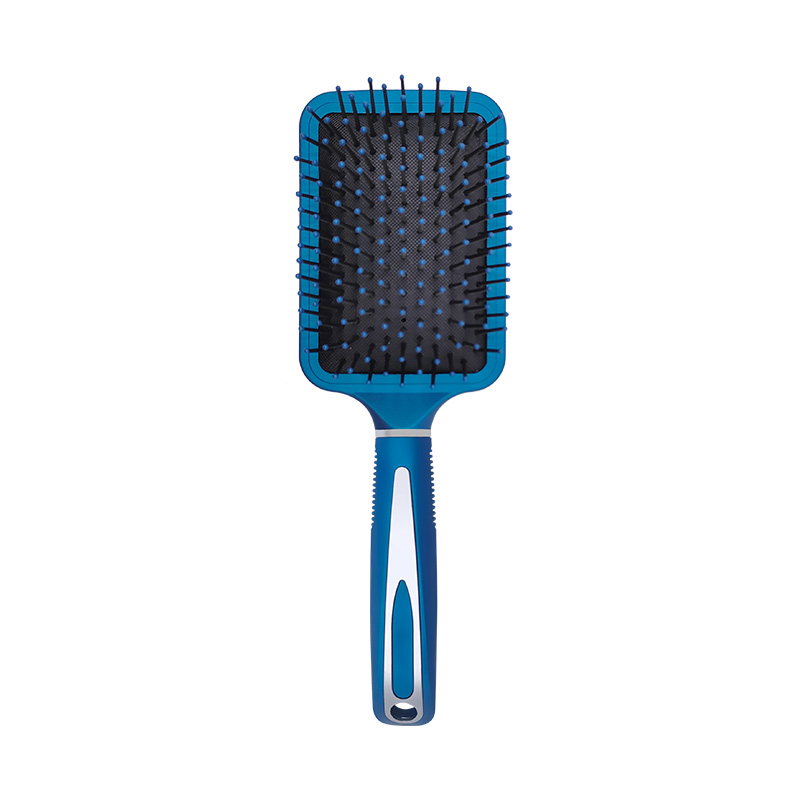
- Cushion pad. The flexible layer between the brush body and the bristles. In cushion brushes it is usually rubber; in simpler molded designs it can be part of the plastic body.
- Bristles. The part that touches the hair. Options include natural boar bristle, nylon pins, mixed rows, and ball-tipped pins.
- Barrel coating. Found on round and thermal brushes. Ceramic, tourmaline, or titanium is applied over an aluminum or steel core to manage heat.
Once you map any brush to these four parts, the material question becomes much easier to answer.
Handle materials: plastic, wood, bamboo, and metal
Handle material has the biggest influence on weight and grip. It also drives production cost, which is why most entry-level brushes use molded plastic. ABS and polypropylene are common choices because they are light, tough, and can be molded into comfortable ergonomic shapes. They also accept custom colors and surface textures, which is why they dominate fashion-led and children's brushes.
Wood offers a different experience. Beech and pear wood are favored for their smooth grain and balanced weight. Wooden brushes feel solid in the hand, and with a protective coating they resist moisture and cracking. Bamboo goes a step further: it grows quickly, requires less processing energy than plastic, and has become the default choice for eco-friendly brush lines. Wood and bamboo brushes are usually fitted with natural or mixed bristles to match their natural positioning.
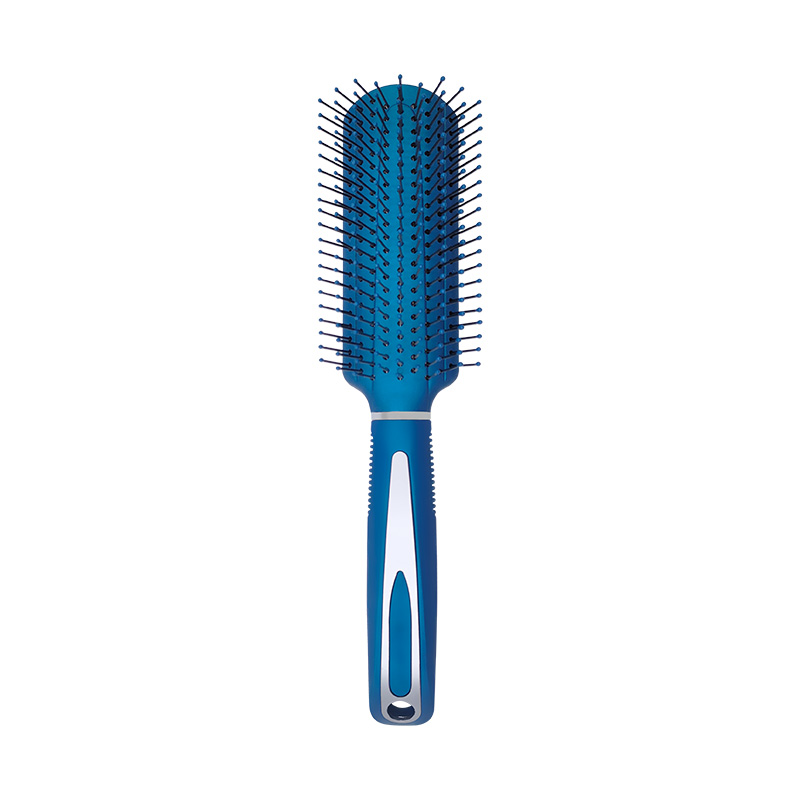
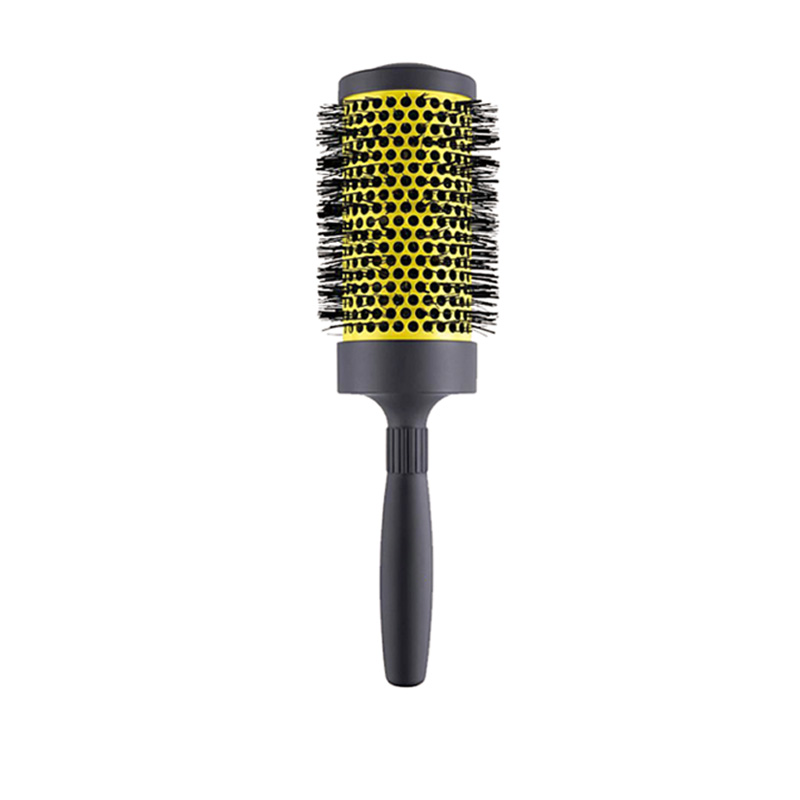
 Osaki W9886 Round Brush with Coated Metal BarrelThis Osaki brush appears where the article contrasts wood and metal barrels, showing how an aluminum body must be coated to spread heat evenly and protect hair during thermal styling.View Product →
Metal appears mainly in thermal styling brushes. An aluminum barrel is light and conducts heat well, so it shows up in most round brushes. The metal is almost always coated before shipment, because a bare barrel can pull heat unevenly and damage both hair and comfort.
Bristle materials: natural, synthetic, and mixed
Bristles are the most debated part of a hairbrush because they touch the hair first. They are also where material science matters most.
Boar bristle is the classic natural option. Its structure is similar to human hair, so it glides through strands, spreads sebum from the scalp toward the ends, and helps create a smooth, shiny finish. The trade-off is that pure boar bristle is less effective for detangling thick or curly hair and needs more careful cleaning.
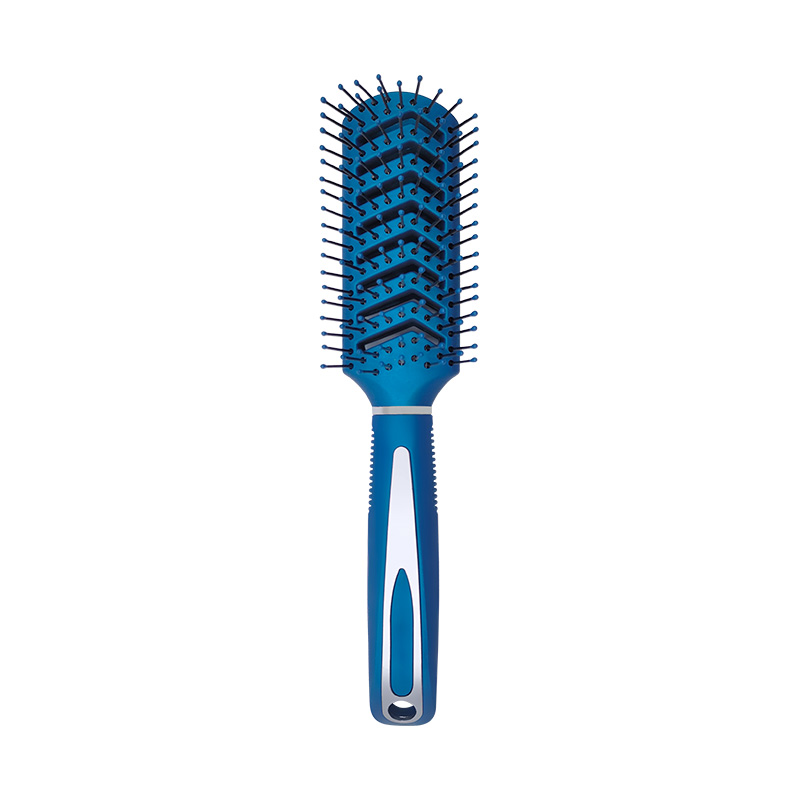
Nylon pins are the workhorse of modern grooming. They are strong, flexible, easy to clean, and can be manufactured with rounded tips, which makes them better at detangling and less likely to scratch the scalp. For wet or towel-dried hair, nylon is usually the safer material because it does not absorb water and dries quickly.
Many everyday brushes use a mixed configuration: nylon pins for detangling plus an inner or outer section of boar bristle for smoothing. This combination gives the user both control and gloss, which is why it appears across classic and salon-style lines.
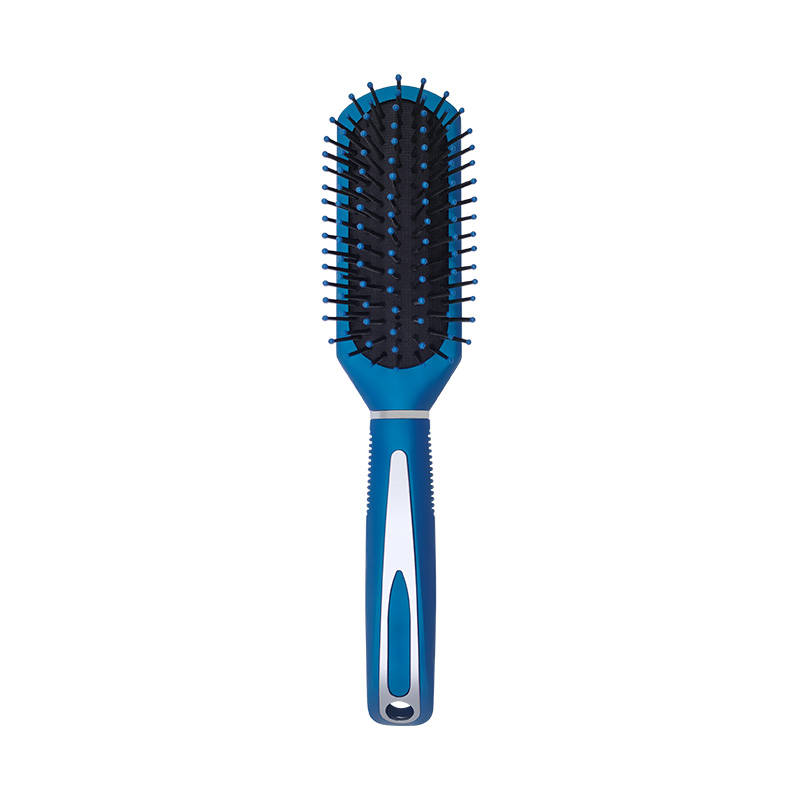
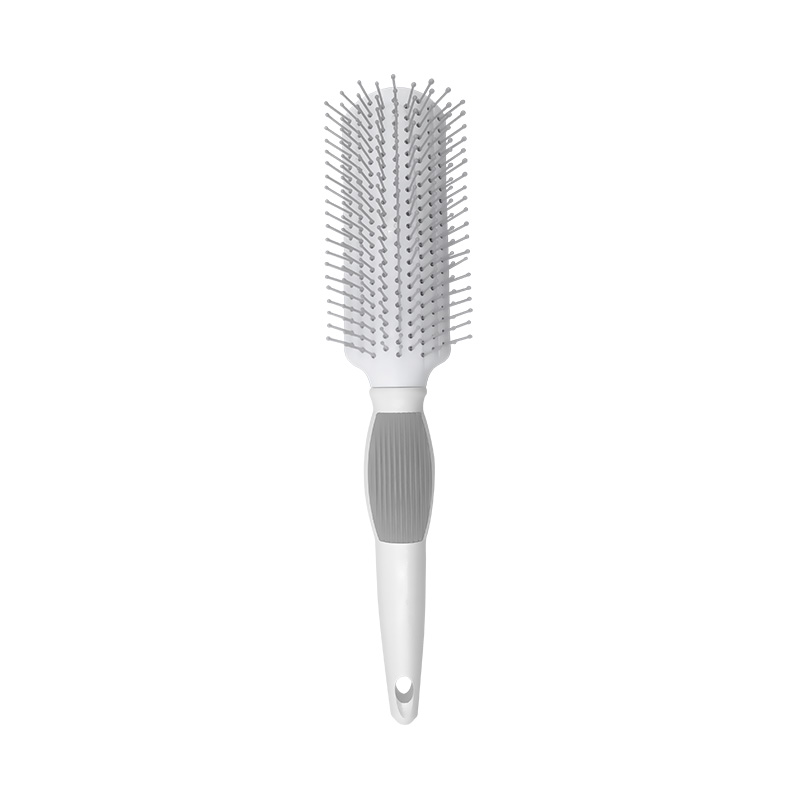 Osaki 9543AM Brush with Ball-Tipped Nylon PinsFollowing the discussion of mixed bristle configurations, this Osaki model fits the segment on ball-tipped nylon, which is gentle on sensitive scalps and commonly used in detangling and children’s brushes.View Product →
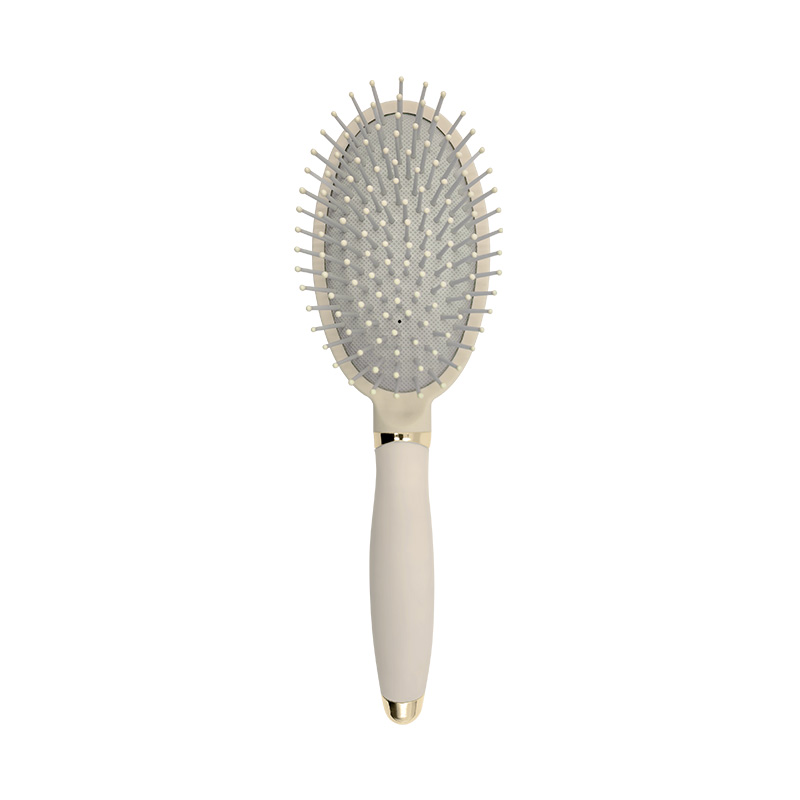
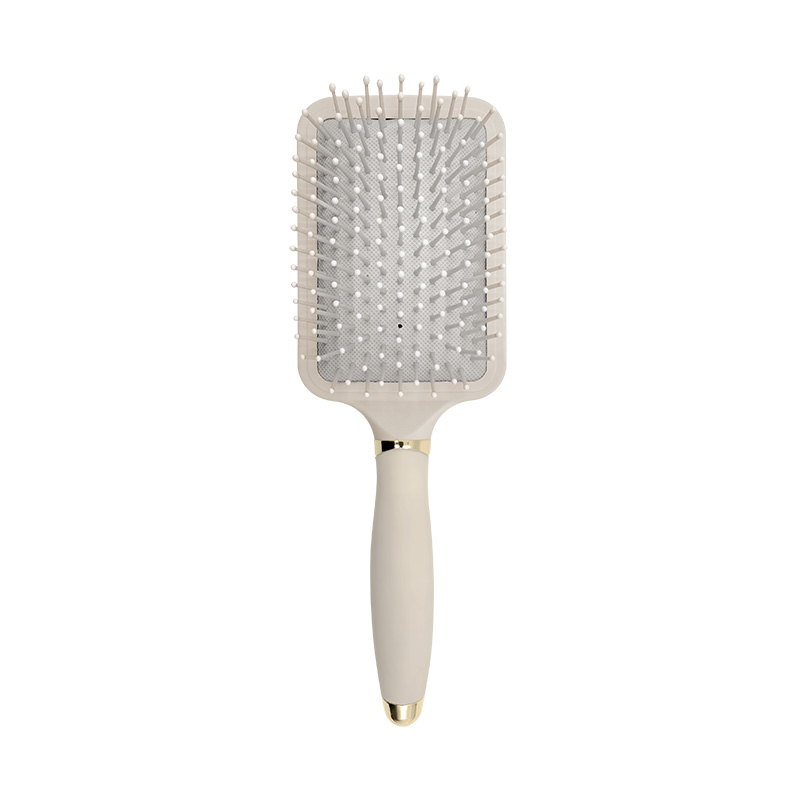
There is also ball-tipped nylon, where each pin ends in a small plastic sphere. These pins are gentle on sensitive scalps and popular in kids' and detangling brushes. If you are sourcing brushes for children or clients with a tender scalp, this is the bristle specification to request.
Bristle materials at a glance
| Bristle Type | Source | Main Strengths | Common Uses |
|---|---|---|---|
| Boar bristle | Natural | Smooths cuticle, adds shine | Classic, finishing brushes |
| Nylon pin | Synthetic | Strong, detangles easily | Everyday, wet-hair brushes |
| Mixed boar + nylon | Both | Control plus smooth finish | Daily grooming brushes |
| Ball-tipped nylon | Synthetic | Gentle on the scalp | Kids, sensitive-scalp brushes |
Cushion and pad materials: rubber, silicone, and air
The cushion pad sits between the brush body and the bristles. Its job is to flex with the shape of the head so the bristles stay in contact with the hair instead of dragging against it.
Rubber is the most widely used cushion material. In production, the pad is formed by rubber molding and vulcanization, two processes that give it elasticity and durability. A good rubber cushion springs back quickly, which makes brushing more comfortable and reduces tension on the hair.
Silicone is a newer alternative. It is softer than most rubber compounds, non-porous, and easy to wipe clean, which is an advantage for wet brushing. Air-cushion brushes, often called pneumatic brushes, combine a flexible pad with air trapped behind it to create an especially soft feel during styling.
Thermal barrels and coatings: ceramic, tourmaline, and titanium
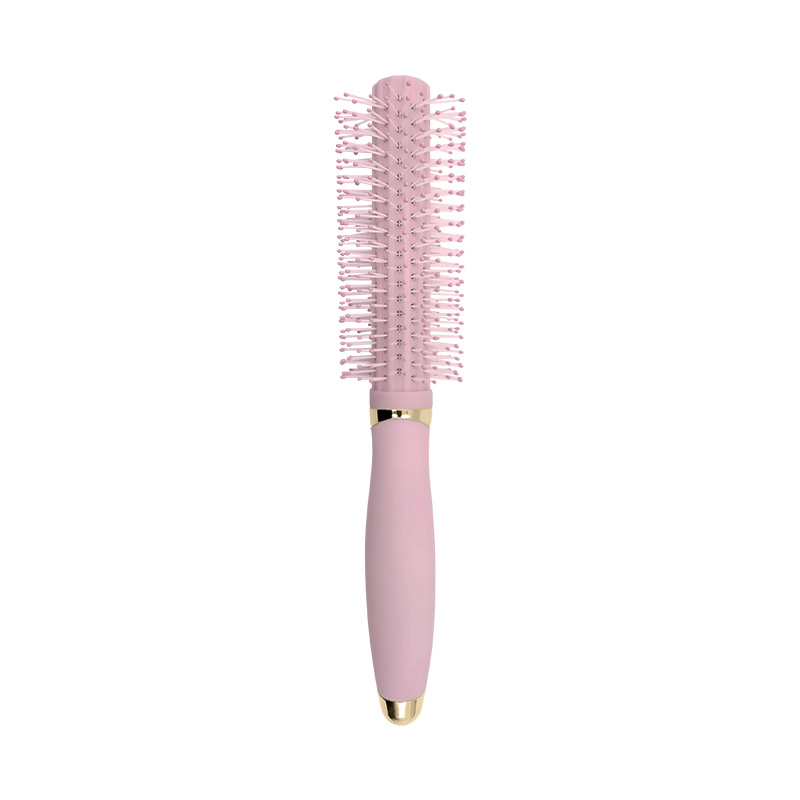
Round brushes used for blow-drying bring another material question: what should the barrel be made of? A typical round brush has an aluminum core, chosen for light weight and fast heat conduction. But the core is rarely exposed. It is coated to control how heat transfers to the hair.
Ceramic coating distributes heat evenly and helps smooth the hair cuticle during drying. Tourmaline, a natural mineral ground into the coating, adds another benefit: when heated, it produces negative ions that reduce static and lock in moisture. Titanium coating is thinner, harder, and heats quickly, which suits stylists who work at higher temperatures.
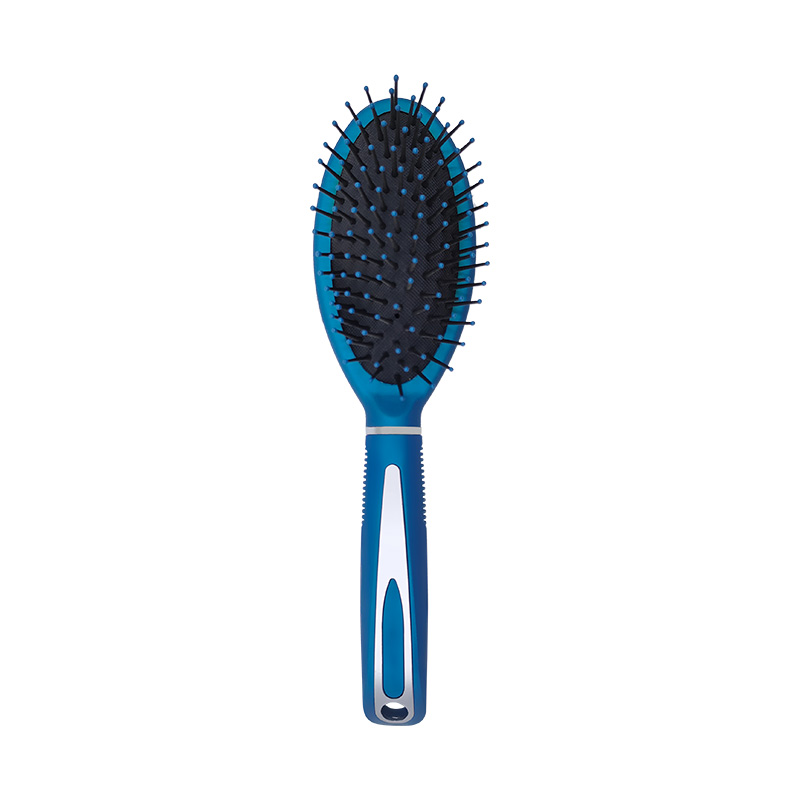
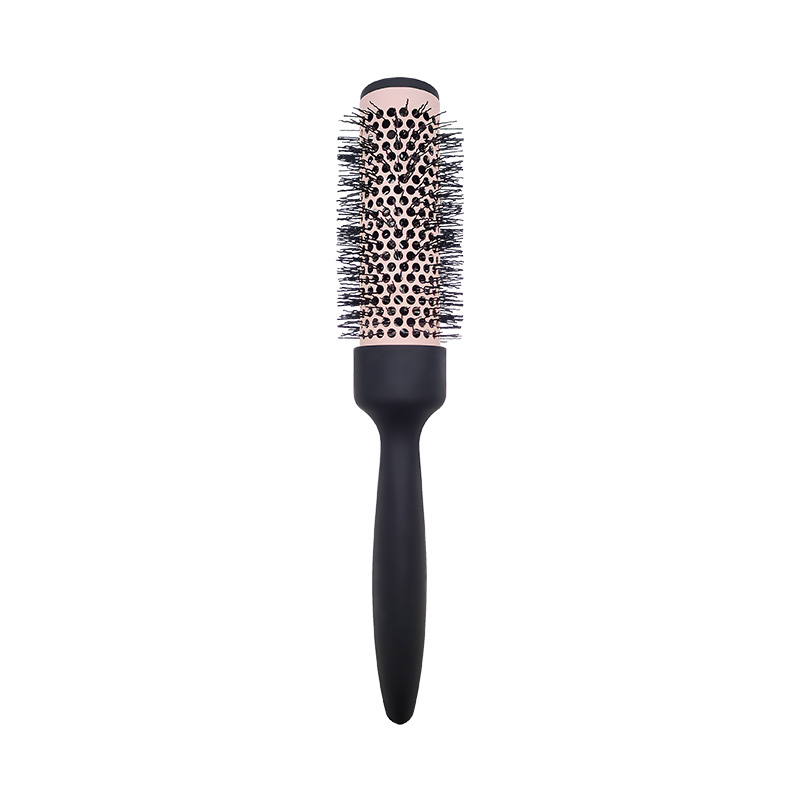 Osaki 9856 Brush for Heat-Resistant Nylon BristlesPlaced after coating comparisons, this Osaki brush aligns with the call for heat-tolerant nylon bristles that keep their stiffness during high-temperature blow-drying on round brushes.View Product →
Whichever coating you choose, the bristles on a round brush must be heat-tolerant. Heat-resistant nylon keeps its stiffness at high drying temperatures, while standard bristles would soften or bend.
Why material choices matter when sourcing from a factory
If you are buying hairbrushes for a brand, a salon supply chain, or a retail line, material decisions are also commercial decisions. A plastic handle with nylon pins is cost-efficient and suits high-volume entry products. A bamboo or wooden body pushes the product toward a natural, premium position and changes the unit price. Mixed boar and nylon bristles raise perceived quality but add both material cost and production steps.
Material choices also affect compliance and testing. Factories working under ISO 9001 and BSCI document every batch of resin, wood, rubber, and bristle, which helps buyers pass retailer audits and restricted-substance checks. Sustainable inputs, from FSC-certified wood to recycled plastics, are now expected by more global buyers. A useful starting point is to review how brush types and materials match different target users, then compare that specification with what a factory can actually deliver.
The short answer to what hair brushes are made of is that it depends on the job: plastic or wood handles, rubber or silicone cushions, nylon or boar bristles, and ceramic, tourmaline, or titanium on thermal barrels. The better question is whether the material set fits the hair type, the usage, and the price point you are targeting. Once the specification is clear, sourcing becomes a practical conversation. Manufacturers with in-house molding, rubber molding, and bristle planting can help you match materials to your market, so talk to a factory team when you want to validate a material list before committing to production.