

 en
en 简体中文
简体中文 English


Content
Ask ten people when they last replaced their hairbrush and most will guess wrong — not because the date is hard to remember, but because the brush still looks fine. Under that surface, a daily-use brush takes a beating: hundreds of bristle-flex cycles every week, a steady diet of sebum, conditioner, and dry shampoo worked into the pad, and years of pulling against tangles. The short answer to how often you should replace a hairbrush is every 6 to 12 months for a brush you use daily, and immediately if the bristle tips are worn flat, the cushion is cracked, or buildup will not wash out. Occasional-use brushes can go longer; hard-worked ones need earlier retirement. Here is how to judge where your own brush falls.
The Realistic Replacement Timeline
Six to twelve months is the range dermatologists and salon professionals most often quote, and it matches what we see from the manufacturing side. A brush's lifespan is decided by how many stress cycles its bristles and cushion absorb and by how much residue gets worked into the pad between cleanings. Four variables move you to either end of the range: brushing frequency, hair length and density, heat exposure, and cleaning habits.
| Usage scenario | Suggested interval | Why the interval differs |
|---|---|---|
| Daily brushing of medium to long hair | Every 6-12 months | Constant flexing wears bristle tips and gradually relaxes the cushion |
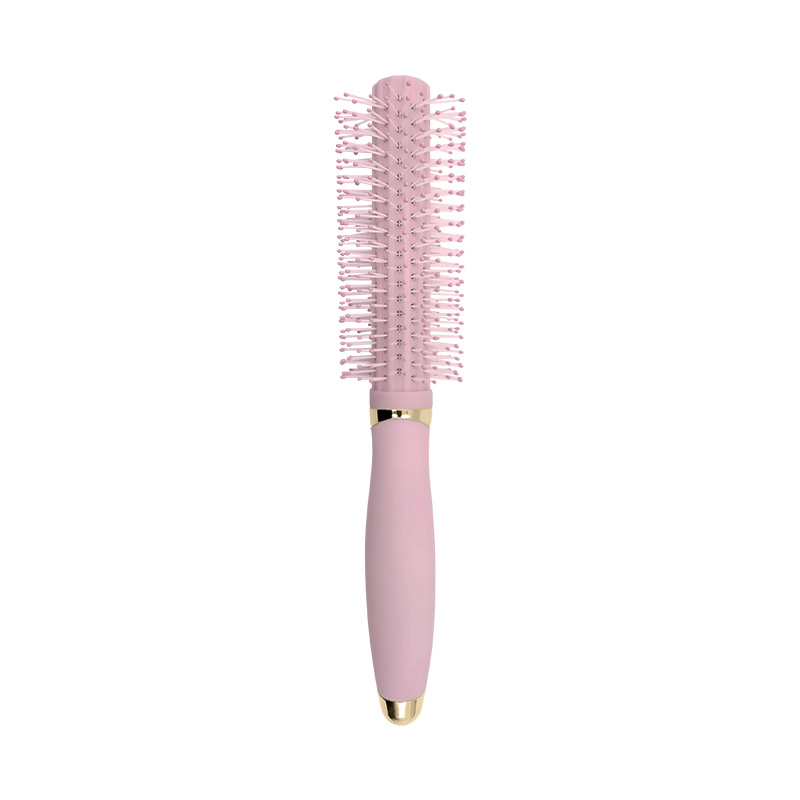
| Blow-drying with a round or barrel brush | Every 6 months, inspect monthly | Heat and tension accelerate bristle fatigue and wear away surface coatings |
| Detangling wet hair | Every 6-9 months | Water softens the pad and repeated tension stresses the tuft anchors |
| Light use a few times a week | Every 12-18 months | Fewer stress cycles and less residue slow wear noticeably |
| Kids' brushes and travel minis | Every 6-12 months | Smaller pads clog faster and tolerate more drops and rough handling |
| Pet grooming brushes | Every 6-12 months | Coarse coat hair and skin oils are harder on teeth and pads than human hair |
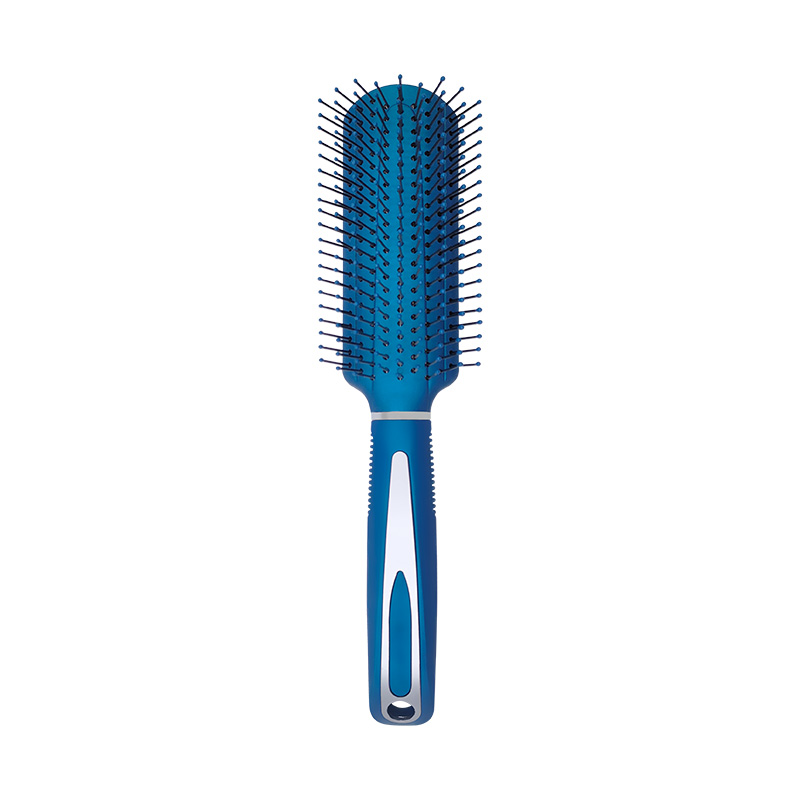
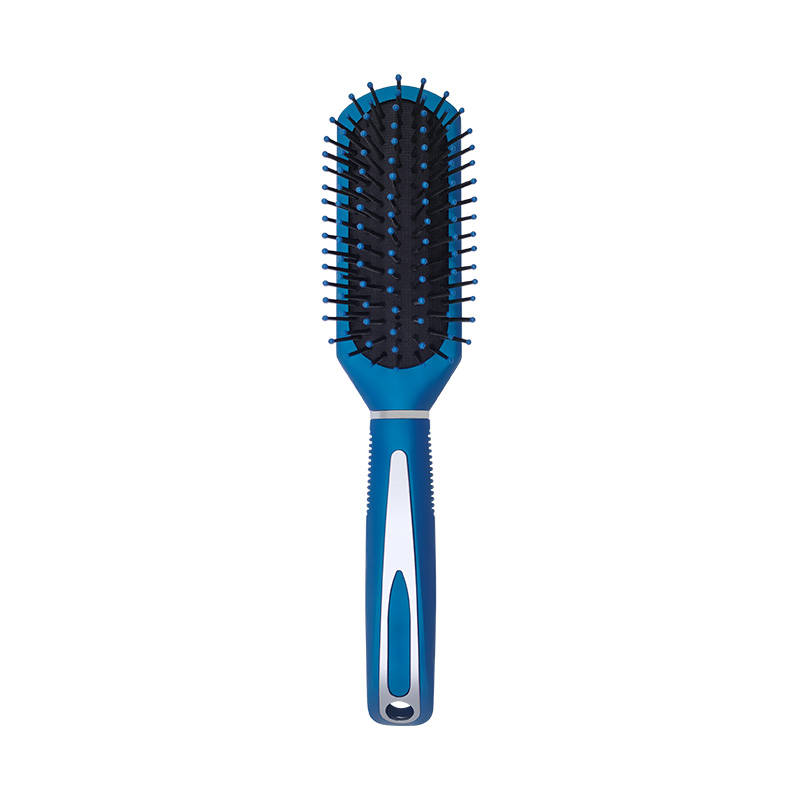
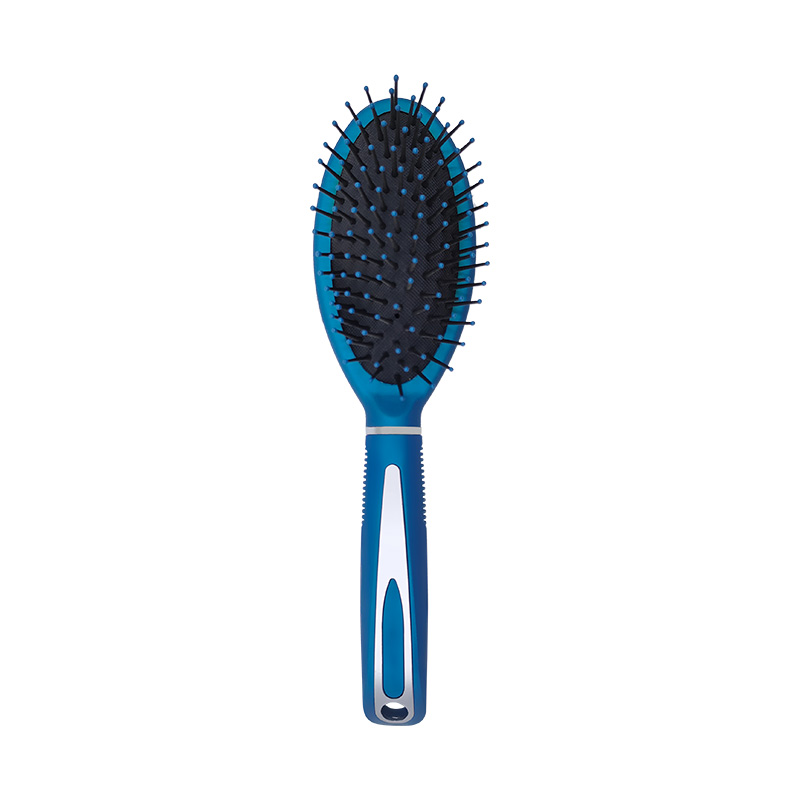
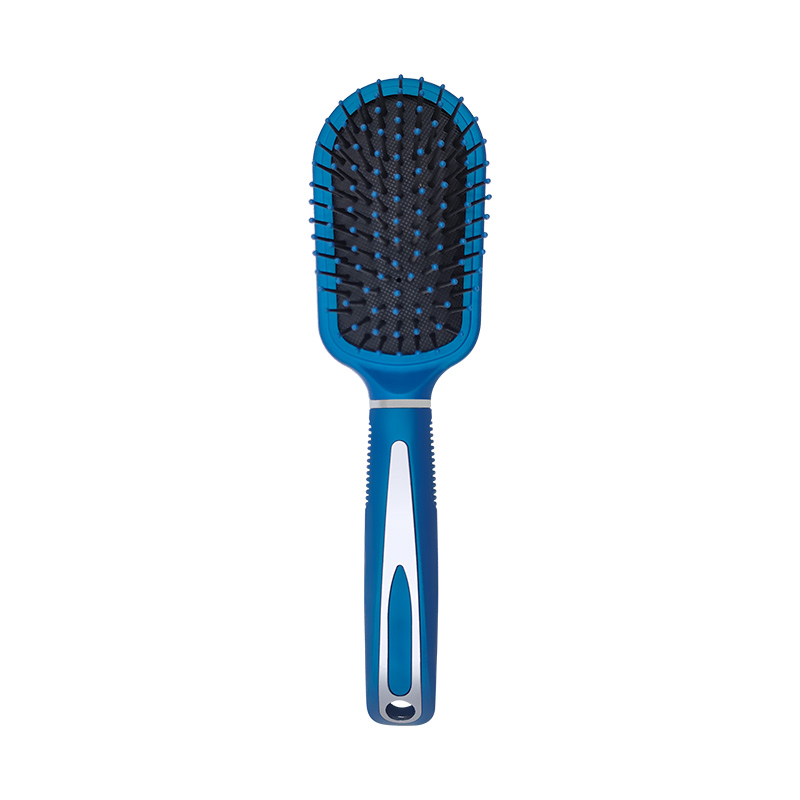
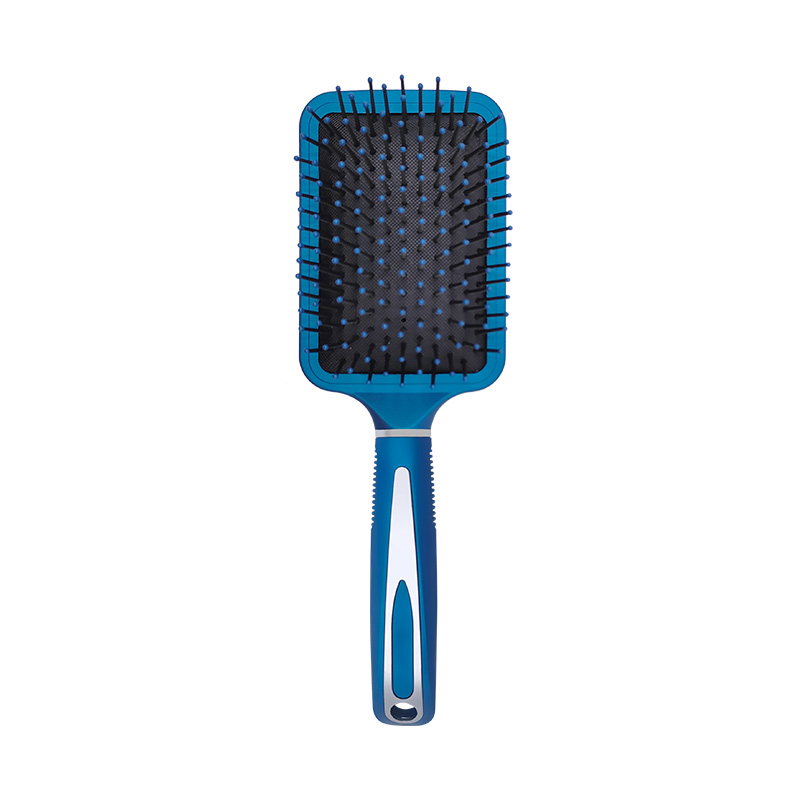
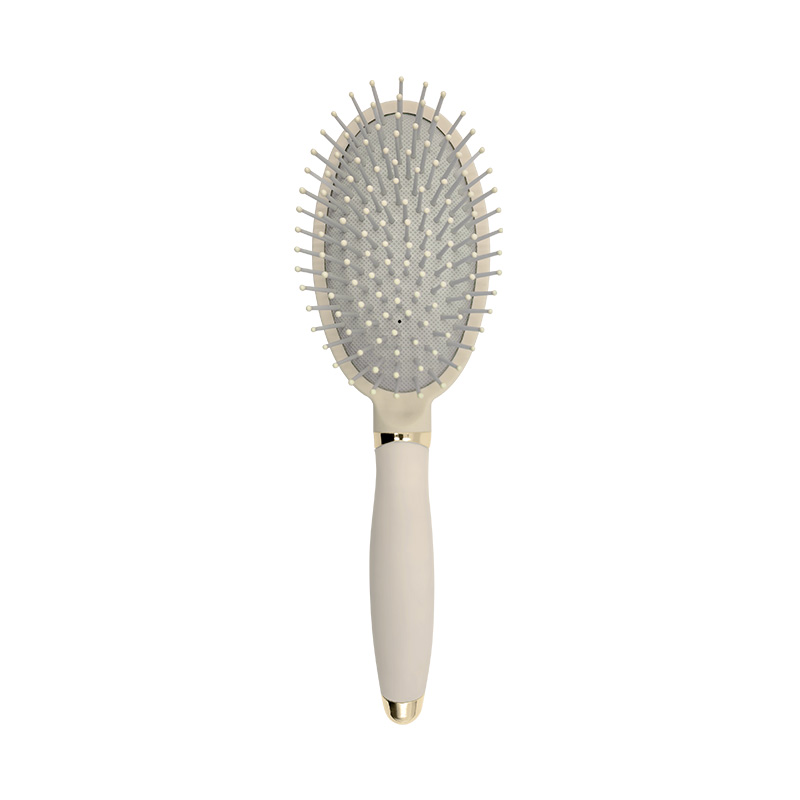
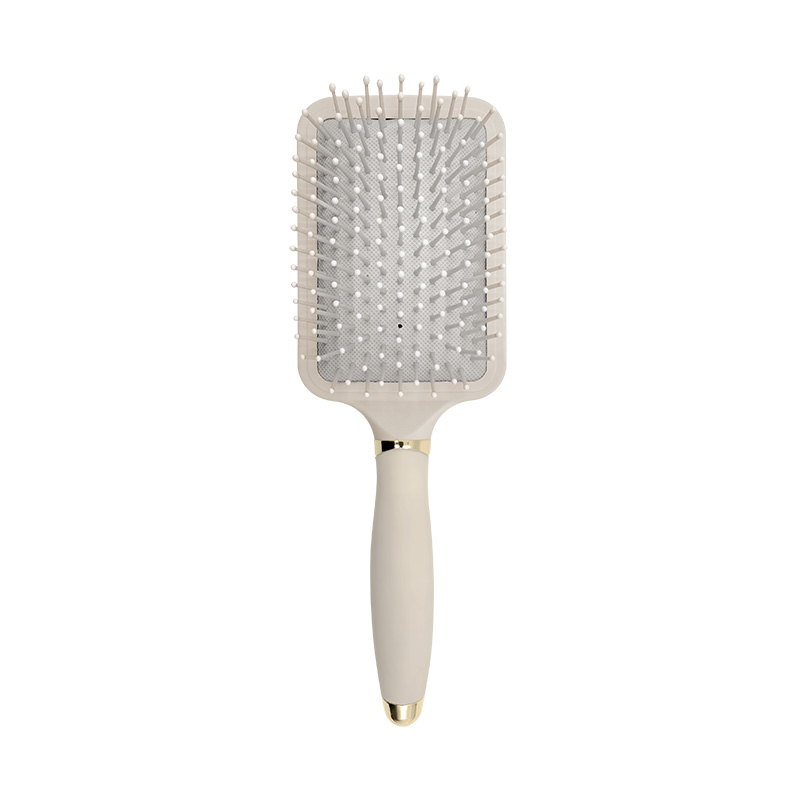
The components that fail first are predictable. On synthetic brushes, the rounded tips erode first, then the tuft anchors loosen, then the rubber pad loses its spring. From the factory floor, the difference between a brush that lasts eight months and one that lasts eighteen usually comes down to planting density, tip finishing, and how well the pad is vulcanized to the core. When your everyday brush reaches the end of the range, a well-made classic cushion brush is the straightforward replacement for daily grooming:
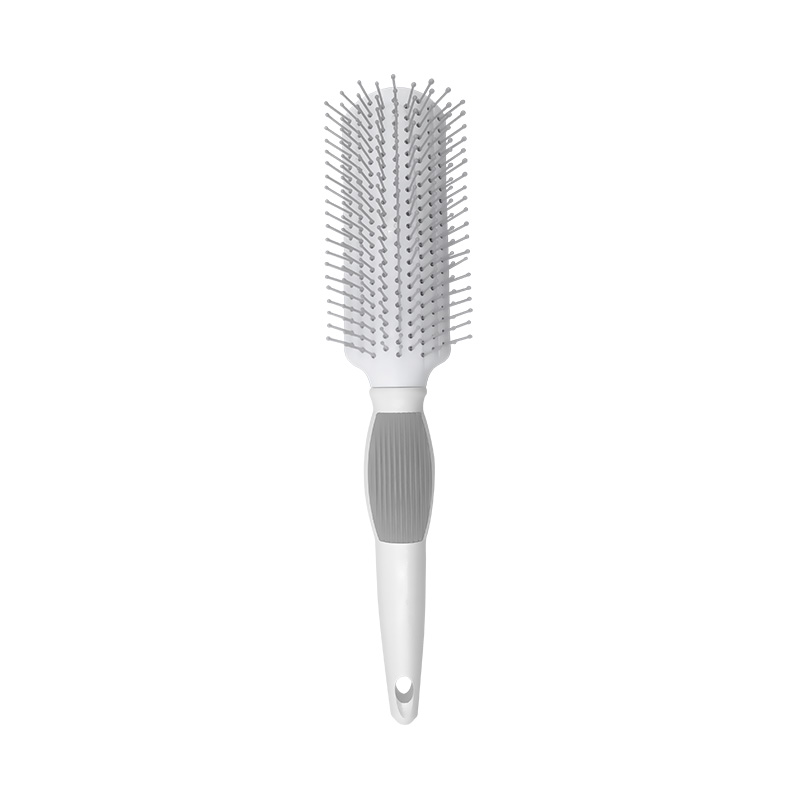 Osaki 9543AM Classic Cushion Hair Brush for Daily GroomingA well-made classic cushion brush serves as the straightforward replacement when an everyday brush wears out, offering dense bristle planting, finished tips, and a securely vulcanized pad for lasting daily use.View Product →
If you round-brush with a dryer several times a week, add a monthly inspection to your routine. Heat-styled bristles can go brittle well before the twelve-month mark even when the rest of the brush looks new.
Six Signs Your Brush Is Done
Age aside, a brush tells you when it is finished. Check for these signs at every cleaning:
- Bristles are bent, broken, or missing. A worn bristle field loses its tension, so the brush stops gliding through hair and starts dragging.
- The ball tips have worn smooth or disappeared. Those tips are what keep nylon bristles from scratching the scalp; once they go, every stroke works like a mild abrasive.
- The cushion is cracked, split, or permanently dented. A flat pad cannot flex, so the brush pulls instead of giving, and a crack can trap moisture and residue.
- Residue survives cleaning. If a gray film or product crust stays on the pad after a proper wash, the brush is redepositing old sebum and styling product onto fresh hair.
- Static and frizz increase for no obvious reason. Worn, pitted bristle surfaces generate more friction than smooth ones.
- The brush smells musty even after washing. Odor means organic material has worked into places you cannot reach.
What an Overdue Brush Costs Your Hair
An old brush does not just work less effectively — it actively works against you. Bristles that have lost their rounded tips scratch and micro-abrade the scalp, which can leave it tight, flaky, or irritated, especially for anyone with sensitive skin. A pad loaded with old sebum and product re-applies that residue with every stroke, so hair goes flat and dull sooner after washing. And a brush with a stiffened or dented cushion cannot distribute tension evenly; it yanks through knots instead of easing them, which shows up as breakage, flyaways, and more hair left in the bristles than belongs there. None of this is dramatic on any single day, which is exactly why overdue brushes stay in rotation. The damage accumulates quietly over months.
Cleaning Delays the Inevitable
Cleaning is what buys you the full lifespan a brush is capable of. Pull shed hair out of the bristles after every use — a few seconds with your fingers or the tail of a comb prevents the mat that chokes the pad. Wash the brush every two to four weeks: warm water, a small amount of mild shampoo, and a soft toothbrush worked between the rows to lift residue from the pad and the bases of the tufts. Cushion brushes should be rinsed briefly rather than soaked, because water that seeps under the pad softens the adhesive and loosens the anchors. Then let the brush air-dry completely, bristles facing down on a towel, before the next use. For type-specific methods across paddles, cushions, wooden handles, and combs, our full guide to cleaning a hairbrush walks through each one step by step.
Choosing a Replacement That Holds Up
A replacement is your chance to fix whatever the old brush did badly.
Match the brush to the job
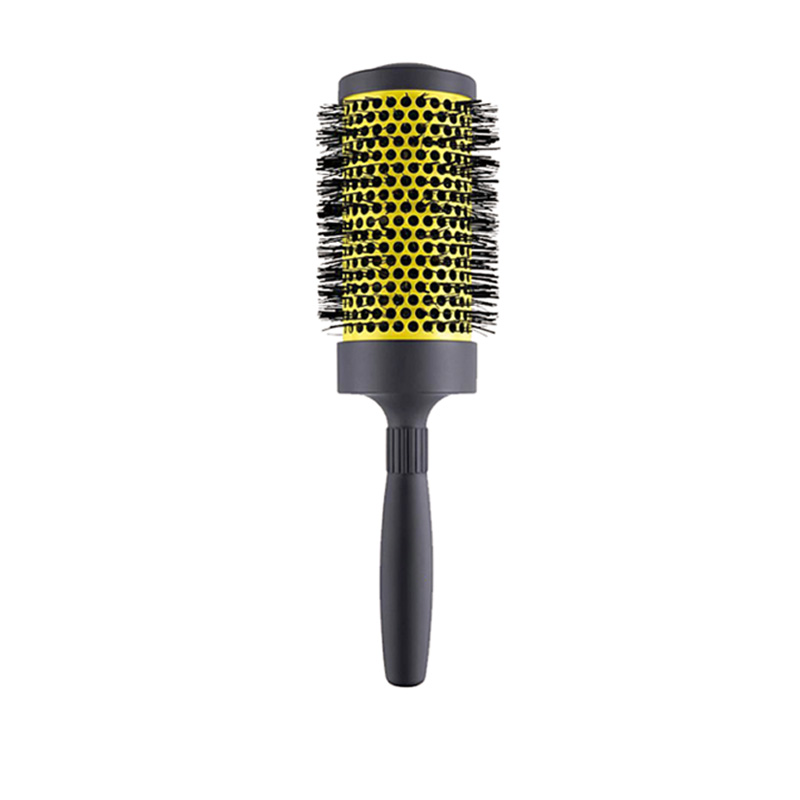
Fine or fragile hair does better with soft, flexible bristles and a forgiving pad; thick or coarse hair needs denser planting and more backbone. If wet detangling is where your old brush failed, choose a tool designed for that instead of forcing a dry-styling brush into the role. Anyone who blow-dries regularly should size the barrel to the sections they actually work with, since an oversized brush strains the wrist and an undersized one overworks the hair.
Judge the build before you buy
Whatever style you settle on, run the same checks we apply before a design leaves our factory: bristle tips should feel uniformly rounded with no sharp edges, tufts should be evenly spaced and firmly seated, the cushion should spring back when pressed, and there should be no gaps at the seams where water and residue can migrate in. Those four details separate a brush that performs past its first year from one that goes limp in a season.
Material choice also shapes longevity and feel. Wooden and bamboo brushes run low on static, stay gentle on the scalp, and age gracefully — a solid choice if your current brush leaves hair frizzy:
 Osaki W8586 Wooden Bristle Hair BrushWooden and bamboo brushes reduce static, feel gentle on the scalp, and age gracefully, making this model a fitting pick for readers whose current brush leaves hair frizzy and who want durable everyday performance.View Product →
For anyone replacing brushes on a regular cycle, eco-minded models built around sustainable or recycled materials make the routine easier to justify without giving up durability:
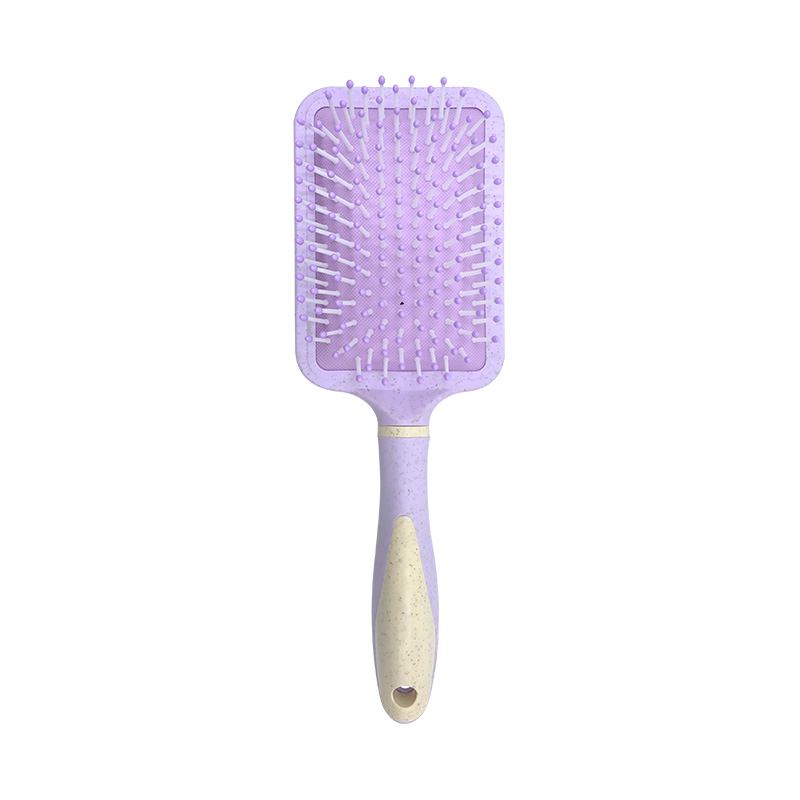 Osaki 9886AW Eco-Friendly Hair BrushBuilt around sustainable or recycled materials, this eco-minded brush makes regular replacement easier to justify while maintaining the durability needed to avoid early tip, cushion, or pad failure.View Product →
A hairbrush is a grooming tool, not a keepsake. Put a reminder on your calendar twice a year, give the brush an honest inspection at every cleaning, and replace it the moment the tips, cushion, or pad show their age. The cost of a new brush is trivial next to the cost of repairing hair and scalp trouble that an overdue one quietly causes. And if you buy brushes for a brand or a retail shelf rather than a bathroom drawer, the same arithmetic applies: build quality is what determines whether your customers come back for a replacement in six months or are still recommending the original two years on.