

 en
en 简体中文
简体中文 English


Content
Hairbrushes and combs are not interchangeable tools: a brush's dense field of bristles is built for smoothing, sebum distribution, and volume, while a comb's widely spaced teeth are built for detangling with far less mechanical load per stroke. Using the wrong one on wet, thick, or textured hair — not the tool category itself — is the actual cause of most brushing-related breakage. For buyers and retailers, this same distinction is what separates a factory that engineers brushes by hair type and use case from one that manufactures a single generic mold in different colors.
Below: how bristle material and contact-point density change performance, what separates a reliable hairbrush factory from a risky one, and how to match brush types to real customer needs.
Why Brushes and Combs Solve Different Problems
The core mechanical difference between a hairbrush and a comb is contact-point density — how much of the tool touches the hair at once, and how that force is distributed across a stroke. A brush places many bristles across a wide base, which is what makes it effective for surface smoothing, redistributing scalp oils, and adding volume during styling. A comb isolates far fewer contact points along a single row of teeth, which lowers the cumulative mechanical load per stroke and makes it the safer choice for working through dense, wet, or matted hair.
| Hair Condition / Goal | Better Tool | Why |
|---|---|---|
| Wet, freshly washed hair | Wide-tooth comb | Wet hair stretches significantly and is more fragile; low contact-point density limits force per stroke |
| Dry detangling, knot removal | Wide-tooth comb or wet brush | Isolates knots without dragging force across already-smooth sections |
| Daily smoothing, dry hair | Boar or mixed-bristle brush | Distributes sebum evenly and adds shine without excess static |
| Blow-dry volume or curl shaping | Round or vent brush | High contact density supports the hair against heat airflow for shape retention |
| Fine or thin hair styling | Nylon-bristle brush or fine-tooth comb | Flexible bristles add lift without pulling weight from fine strands |
| Curly or coily hair (Type 3–4) | Wide-tooth comb on wet, product-saturated hair | Preserves curl pattern; dry brushing disrupts curl clumps and causes frizz |
A frequently cited 2022 study in the International Journal of Trichology found that brushing wet hair with stiff synthetic bristles increased tensile strain by up to 340% compared to using a wide-tooth wooden comb, correlating with higher rates of split ends observed under microscopy. The lesson for buyers isn't "brushes are worse than combs" — it's that tool selection has to match hair condition, and a retailer's product mix should make that pairing obvious rather than selling one brush as a universal solution.
How Bristle Material Changes Real-World Performance
Bristle material is the single biggest performance variable in a brush, and it affects three measurable things: static generation, breakage risk, and how well the brush distributes natural oils. These aren't marketing claims — they're differences rooted in how each material interacts with hair's surface charge and cuticle layer.
- Boar bristle: natural, slightly textured surface that grips and redistributes scalp oils along the hair shaft, producing added shine on dry hair
- Nylon bristle: smooth, blunt, and often tapered or flagged (split-tipped) specifically to reduce hair breakage; consistent and affordable at scale
- Wood and bamboo bristle: generates measurably lower static than plastic because it doesn't strip electrons from hair's keratin surface as readily during friction
- Mixed bristle (boar + nylon): combines detangling capability with shine-enhancing oil distribution, commonly used for curly or Type 3 hair
In controlled humidity testing (45–55% relative humidity), bamboo-bristle brushes produced roughly 62% less static voltage than standard nylon brushes on dry, medium-porosity hair. The mechanism is triboelectric charging: smooth plastic and nylon readily transfer electrons away from hair's keratin during friction, leaving strands positively charged and prone to frizz, while wood and bamboo's cellular structure resists that charge transfer.
Buyer's takeaway: Static reduction and breakage reduction are not the same claim, and a factory or retailer should be able to tell you which one a given bristle material actually addresses. Wood and bamboo bristles primarily reduce static; tapered nylon and correctly spaced wide-tooth designs primarily reduce breakage. A brush marketed as solving both needs a construction that combines both design elements, not just a single material swap.
What Actually Happens Inside a Hairbrush Factory
Modern hairbrush manufacturing blends high-speed automation with selective hand-finishing, and understanding the real production sequence helps buyers ask better questions of a factory instead of relying on a supplier's self-description.
- Design and material selection. Engineers determine brush type — paddle, round, vented, or detangling — based on intended function: smoothing, volume, or gentle detangling.
- Handle molding. Injection molding shapes plastic, wood, or bamboo handles; CNC machines handle precision drilling and shaping for bristle placement.
- Bristle sorting and cutting. Natural and synthetic bristles are sorted by length, thickness, and quality, then cut to required lengths — sometimes tipped or rounded to reduce scalp irritation.
- Automated bristle insertion. High-volume factories use automated boring and insertion machinery; premium lines add selective hand-stitching or hand-finishing.
- Assembly and welding. Ultrasonic welding or mechanical fastening secures the base, cushion, and handle components together.
- Quality control inspection. Reputable factories test bristle retention strength, run drop tests, and inspect for alignment and finish defects before packaging.
Leading factories now combine over 80% automation with targeted handcrafting for high-end product lines, and roughly 80% of global hairbrush production is concentrated in a small number of Chinese manufacturing clusters — which makes factory vetting, not just product photos, the deciding factor in supplier reliability.
Vetting a Hairbrush Factory Before You Order
Because so much of the industry runs through a concentrated set of manufacturing hubs, the practical difference between suppliers usually comes down to documented quality control rather than claimed capability. Buyers sourcing wholesale or private-label brushes should request evidence, not assurances.
| What to Request | Why It Matters |
|---|---|
| ISO 9001 certification | Indicates standardized, repeatable production controls across batches |
| BSCI audit documentation | Validates ethical labor practices at the factory |
| Bristle pull-resistance test data | Reputable factories validate at or above roughly 5kg pull resistance before shipping |
| Drop-test results | Confirms handle and assembly durability from a standard 1-meter drop |
| In-house molding vs. outsourced production | In-house molding gives tighter control over consistency and lead times |
| REACH or FDA compliance (for chemical-treated bristles) | Required for eco-conscious or regulated markets |
Red flag to watch for: A factory that can't produce inline production check data — automated bristle alignment verification during manufacturing, not just a finished sample — is more likely to ship inconsistent batches once volume scales past the sample order.
Matching Brush Categories to Customer Demand
Retail buyers don't need every brush style — they need a mix that maps cleanly onto the hair conditions and use cases customers actually have. A concentrated, well-differentiated lineup outperforms a broad catalog of near-duplicate SKUs.
Trendy and styling-focused brushes
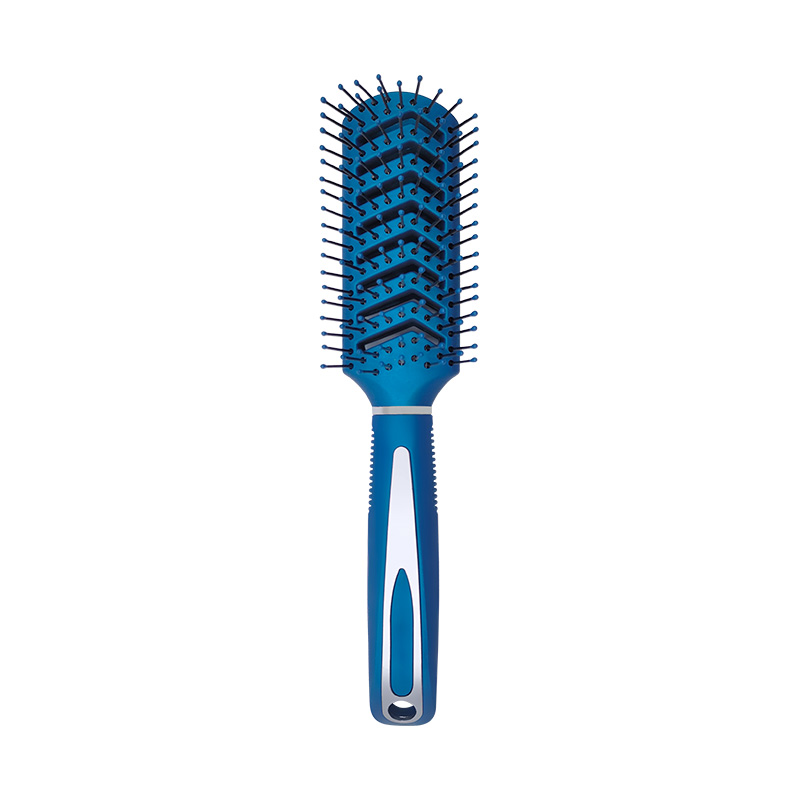
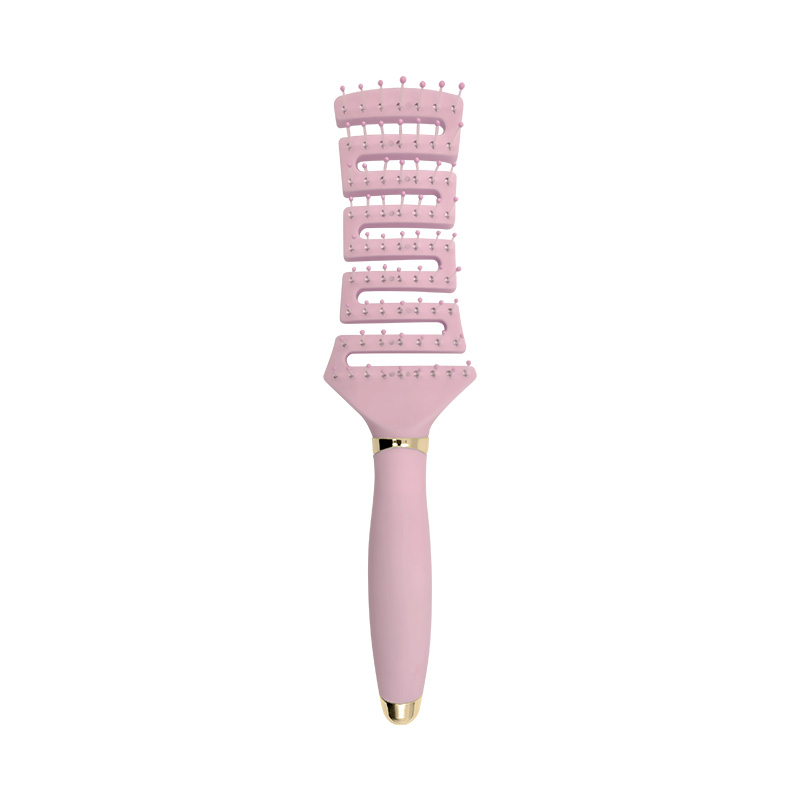
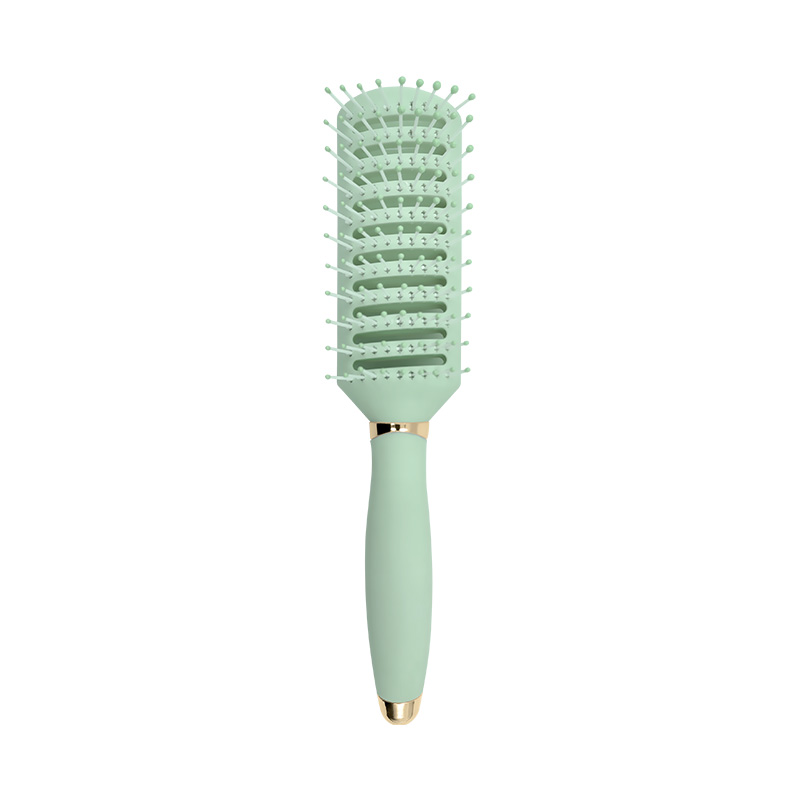
Round, vent, and blow-dry brushes built for volume and shape retention during heat styling; performance depends on bristle density supporting hair against airflow.
ECO and sustainable brushes
Bamboo and biodegradable-bristle designs address both static reduction and environmental sourcing concerns — two separate but complementary selling points.
Classic and everyday brushes
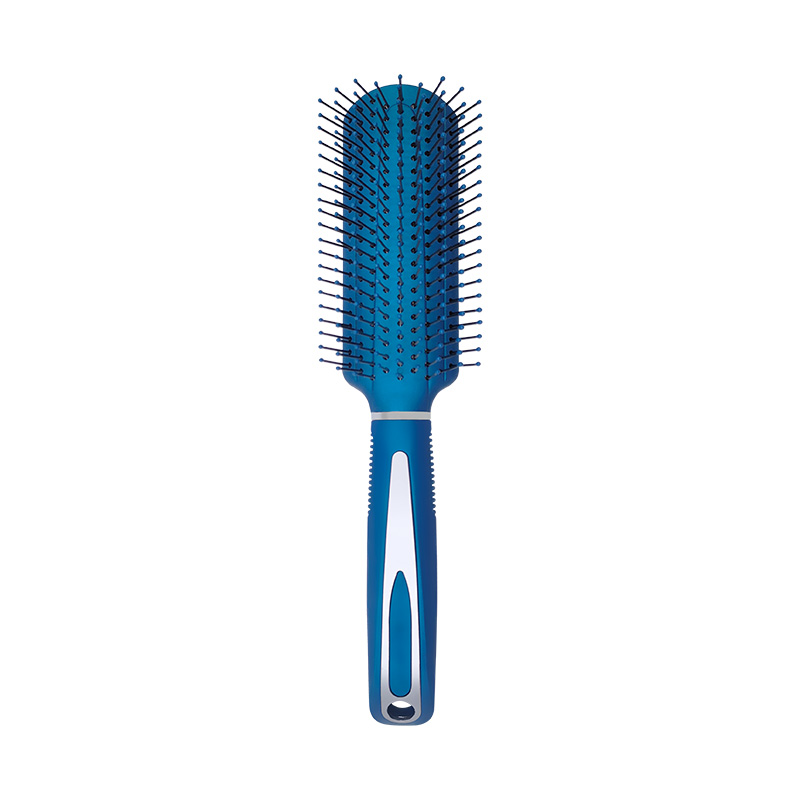
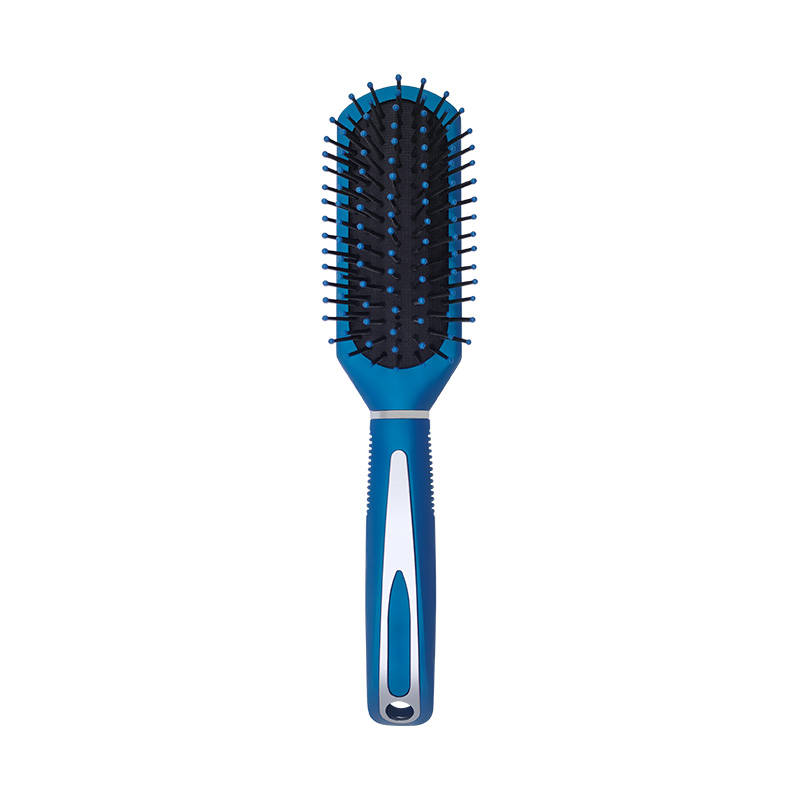
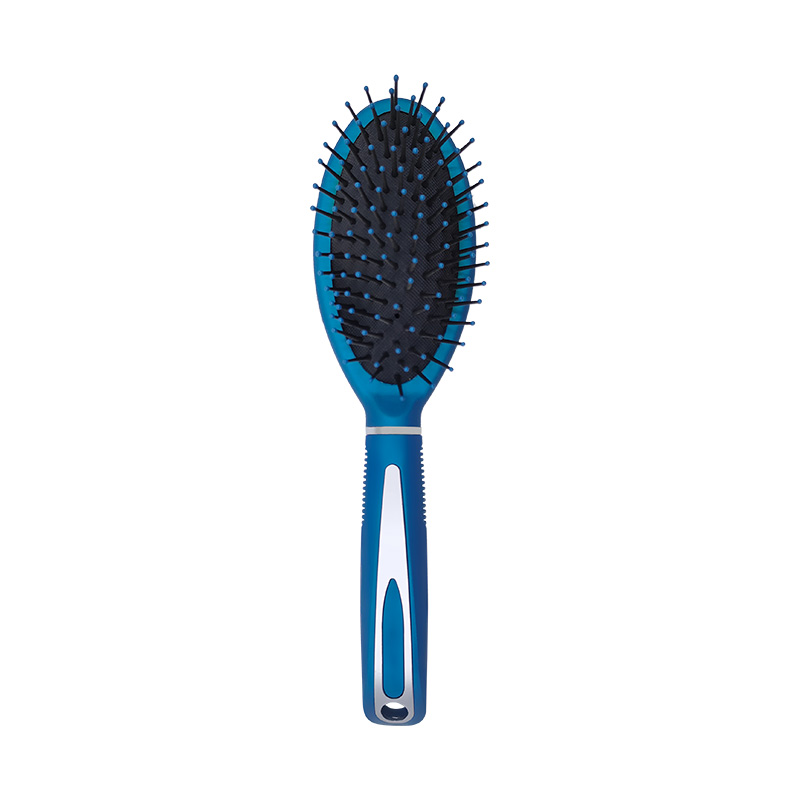
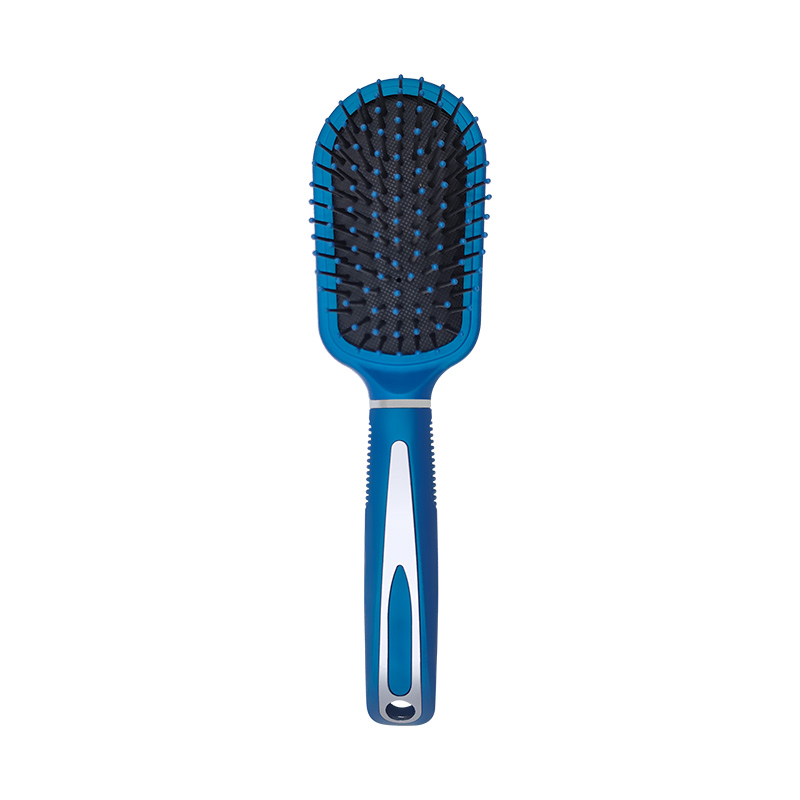
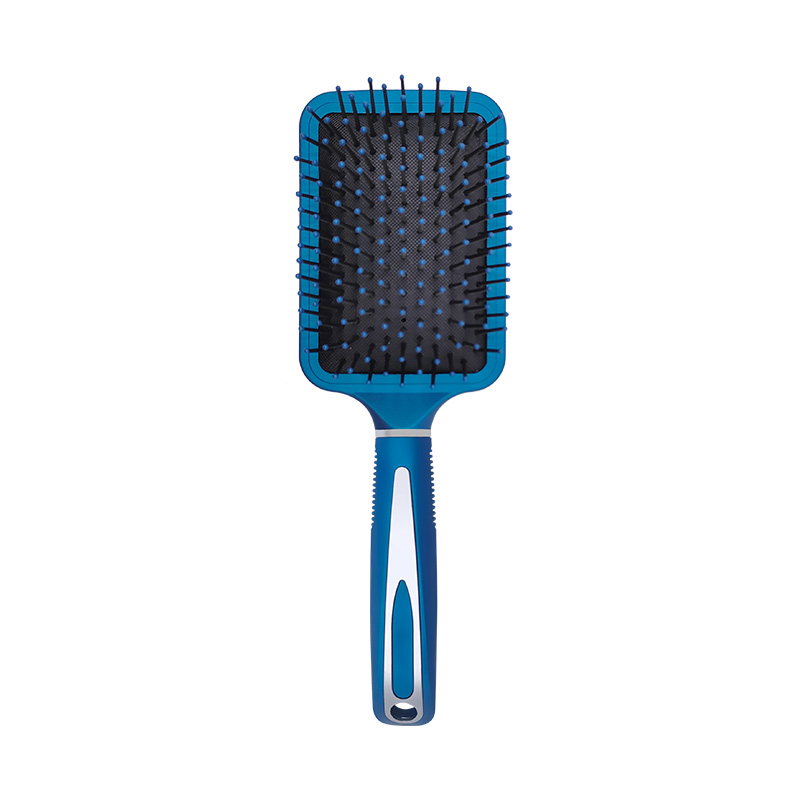
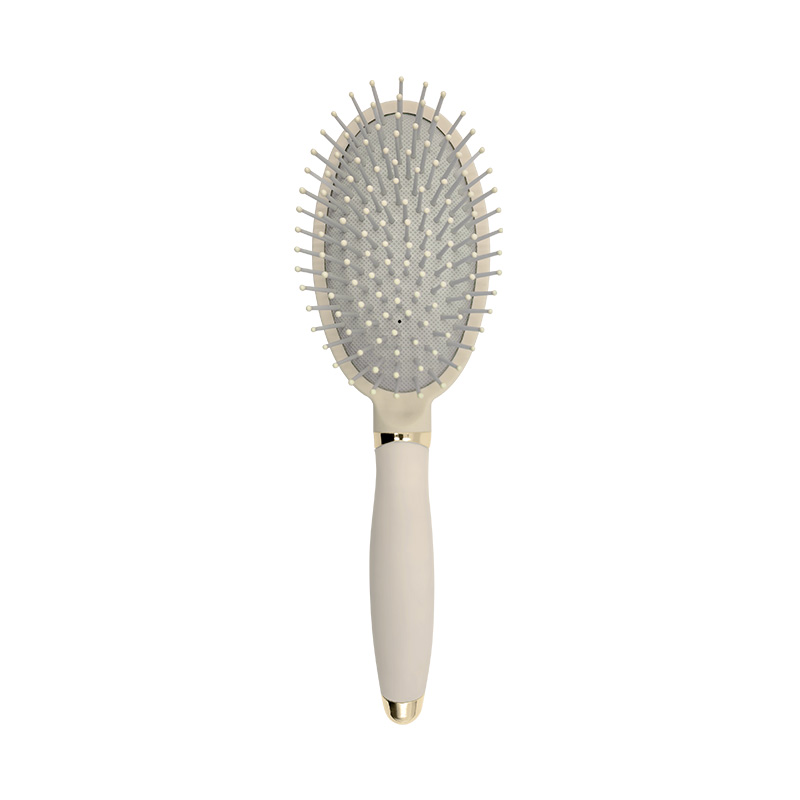
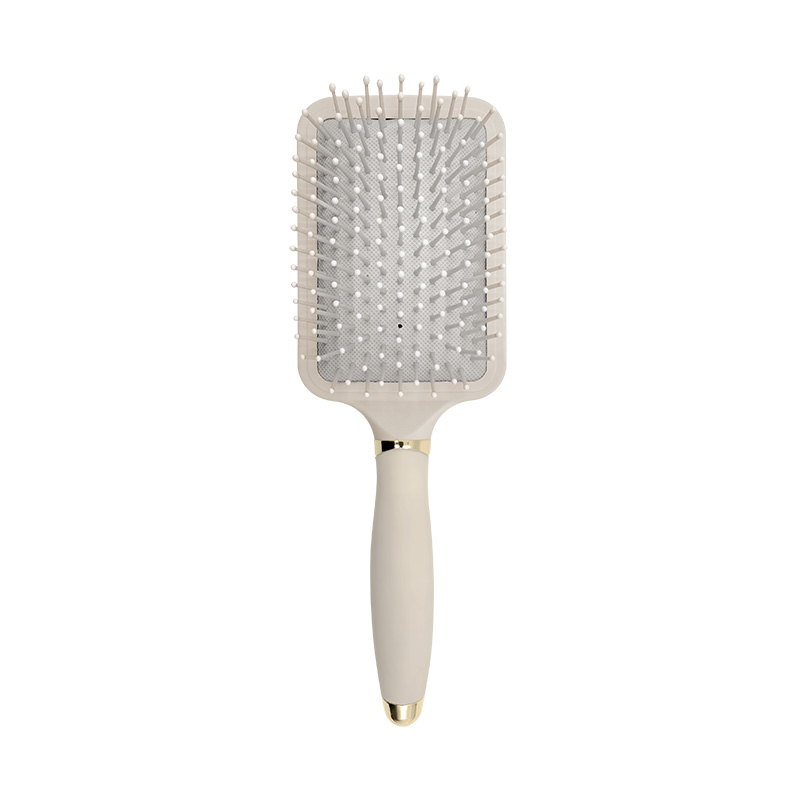
Mixed or nylon bristle paddle brushes for daily smoothing and oil distribution; the highest-frequency-use category in most households.
Barrel brushes
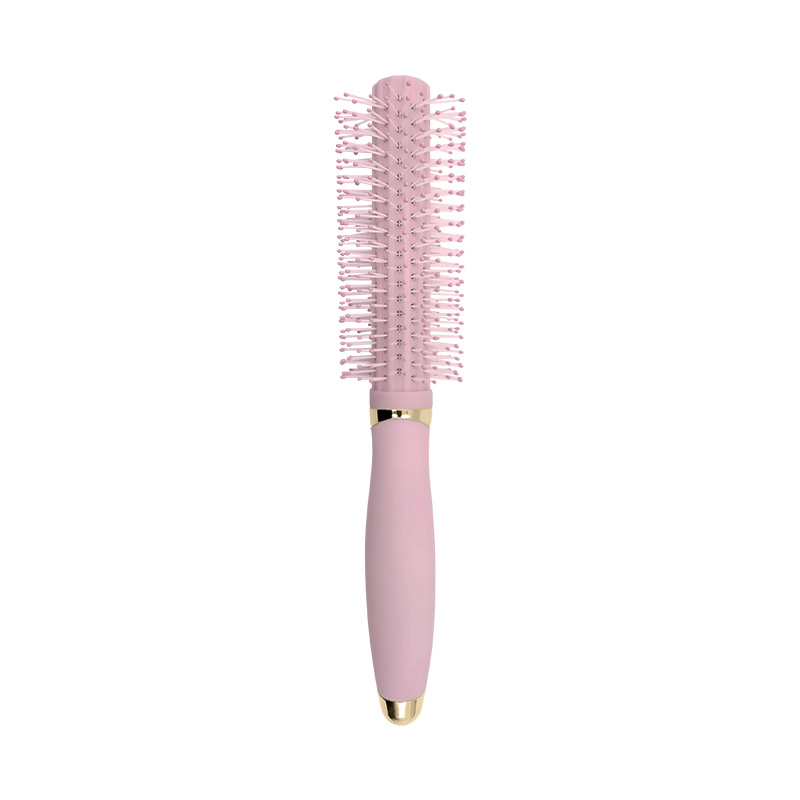
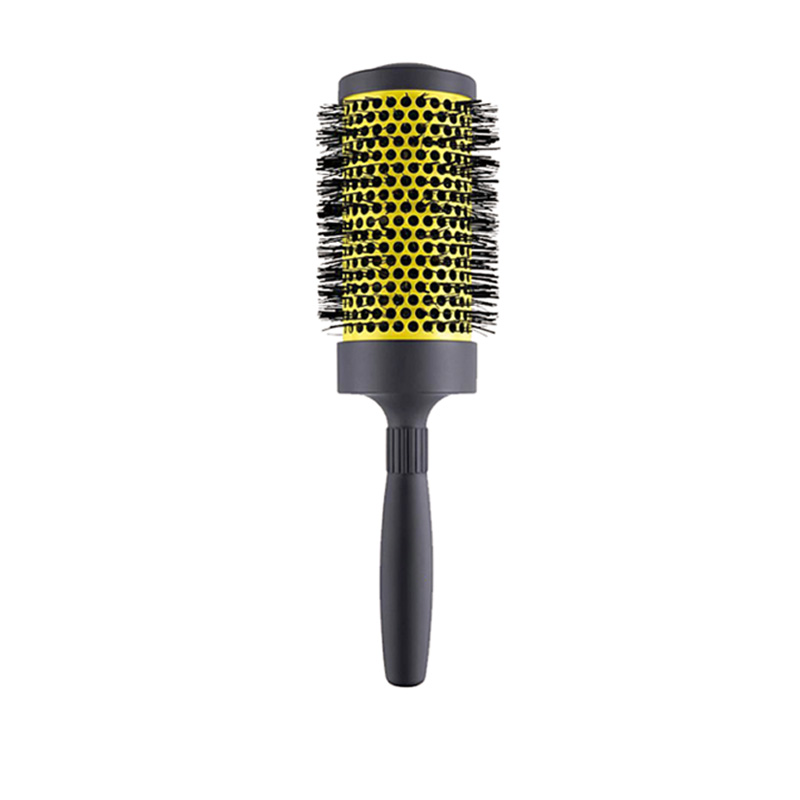
Cylindrical, heat-resistant designs for curling and volumizing during blow-dry; thermal-resistant nylon is the standard professional material.
Wooden and bamboo brushes
Lowest static generation of any common material, best suited to fine or static-prone hair rather than heavy detangling duty.
Kids and mini brushes
Rounded, tipped bristles and lighter pull-resistance thresholds matter more here than in adult lines, given more sensitive scalps.
Frequently Asked Questions
Should I brush or comb wet hair?
Comb it. Wet hair can stretch significantly beyond its dry length and is far more fragile; a wide-tooth comb's lower contact-point density causes measurably less breakage than a brush on wet hair.
Do wooden brushes really reduce static more than plastic ones?
Yes. Controlled testing has shown bamboo-bristle brushes producing roughly 62% less static voltage than standard nylon brushes on dry hair, because wood and bamboo resist the electron transfer that causes triboelectric charging.
What's a reasonable quality benchmark to request from a hairbrush factory?
Bristle retention strength of at least roughly 5kg pull resistance and successful drop tests from a 1-meter height are commonly used validation thresholds before a batch should ship.
Sourcing Hairbrushes and Combs at Factory Scale?
We manufacture across Trendy, ECO, Classic, Barrel, Wooden & Bamboo, and Kids & Mini brush lines — every batch validated against documented bristle retention and drop-test standards.
Request Factory Specifications