

 en
en 简体中文
简体中文 English


Content
- 1 How to Choose the Right Hair Brush: The Short Answer
- 2 Step 1: Identify Your Hair Texture
- 3 Step 2: Match Bristle Material to Your Hair's Needs
- 4 Step 3: Choose the Right Brush Shape for Your Goal
- 5 Matching Brush to Hair Type: Quick Reference
- 6 Sourcing from a Hairbrushes Factory: What Quality Actually Looks Like
- 7 Maintenance: Getting the Most from Whatever Brush You Choose
How to Choose the Right Hair Brush: The Short Answer
The right hair brush is determined by two factors working together: your hair's texture (fine, medium, or coarse) and its curl pattern (straight, wavy, curly, or coily). Fine or thin hair needs soft, flexible bristles — natural boar or a boar-nylon mix — while thick, coarse, or coily hair needs a wide-tooth comb or a brush with sturdier, widely spaced nylon bristles that can move through density without snagging. Get this match wrong and the brush itself becomes a source of breakage rather than a grooming tool. Get it right, and the same brush that detangles also distributes natural scalp oil, adds shine, and cuts down on frizz.
The sections below break down each hair type's needs, compare bristle materials side by side, and explain what to look for whether you're buying a single brush or sourcing in bulk from a hairbrushes factory for retail or salon supply.
Step 1: Identify Your Hair Texture
Before comparing brush shapes, you need to know what you're working with. Hair texture refers to the diameter of an individual strand, and it's easy to check without any tools.
The Strand Test
Take one strand of clean, dry hair and roll it gently between two fingers. If you can barely feel or see it, your hair is fine. If it's easily felt but not thick, it's medium. If it feels noticeably thick and coarse, your hair is coarse. This single test tells you more about which bristle stiffness you need than any product label will.
- Fine hair — prone to breakage, needs the softest bristles available
- Medium hair — the most forgiving texture, works with most brush types
- Coarse hair — needs firmer bristles or wider spacing to actually make contact with every strand
Step 2: Match Bristle Material to Your Hair's Needs
Bristle material is the single biggest factor in how a brush performs, and it's where most buying mistakes happen. There are three main categories, and each does a fundamentally different job.
Natural Boar Bristle
Boar bristle is soft, gentle on the scalp, and excellent at picking up natural oil at the roots and spreading it down the hair shaft — which is what produces that smooth, glossy finish. The tradeoff is penetration: boar bristle is too soft to reach the scalp through thick or long hair, so it works best on fine, straight, or medium hair rather than dense or coily textures.
Nylon Bristle
Nylon is synthetic, firmer, and doesn't absorb oil the way boar does, which makes it better suited to detangling and fast styling. Nylon bristles can be engineered for specific stiffness and heat resistance — Nylon 66, for example, has a memory effect that lets it return to shape after heat exposure, which is why it shows up so often in blow-dry and round brushes.
Mixed Boar and Nylon
This is the configuration most working stylists reach for daily, and for good reason: the boar bristles distribute oil for shine while the longer nylon pins extend further into the hair to grip and detangle. It's the closest thing to an all-purpose brush, handling everything from fine to thick hair, though very tight curls still tend to need a dedicated detangling tool.
| Bristle Type | Best Hair Type | Main Strength | Main Limitation |
|---|---|---|---|
| 100% Boar | Fine, straight, medium | Oil distribution, shine | Weak penetration on thick hair |
| Nylon | Thick, coarse, curly | Detangling, heat resistance | No oil absorption or distribution |
| Mixed Boar + Nylon | Most hair types | Balances shine and detangling | Less specialized than pure options |
Step 3: Choose the Right Brush Shape for Your Goal
Bristle material tells you how gently or firmly a brush interacts with hair; shape tells you what job it's designed to do. Detangling, volumizing, and smoothing each call for a different form factor.
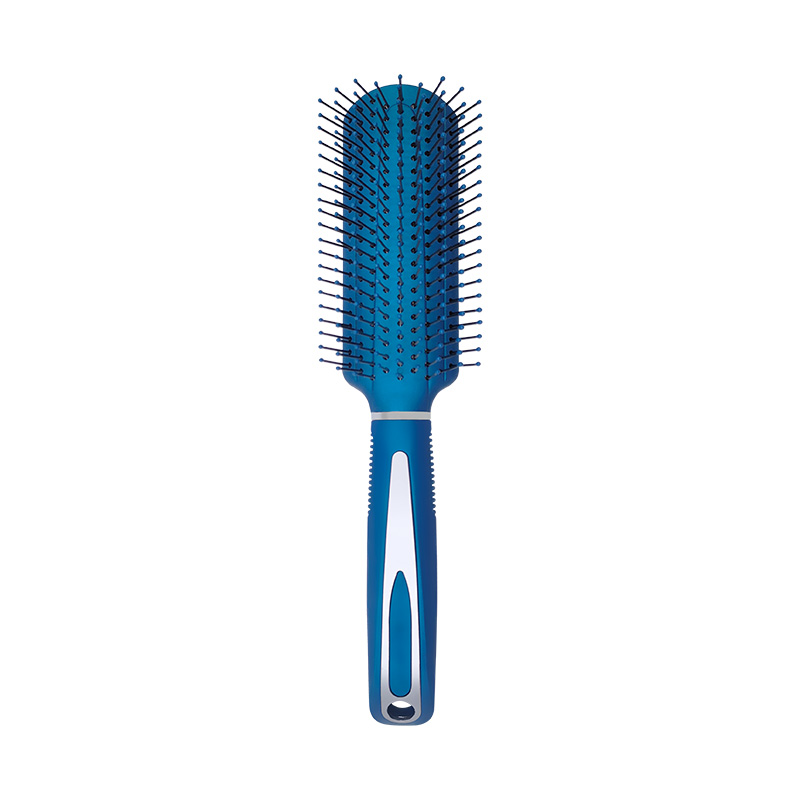
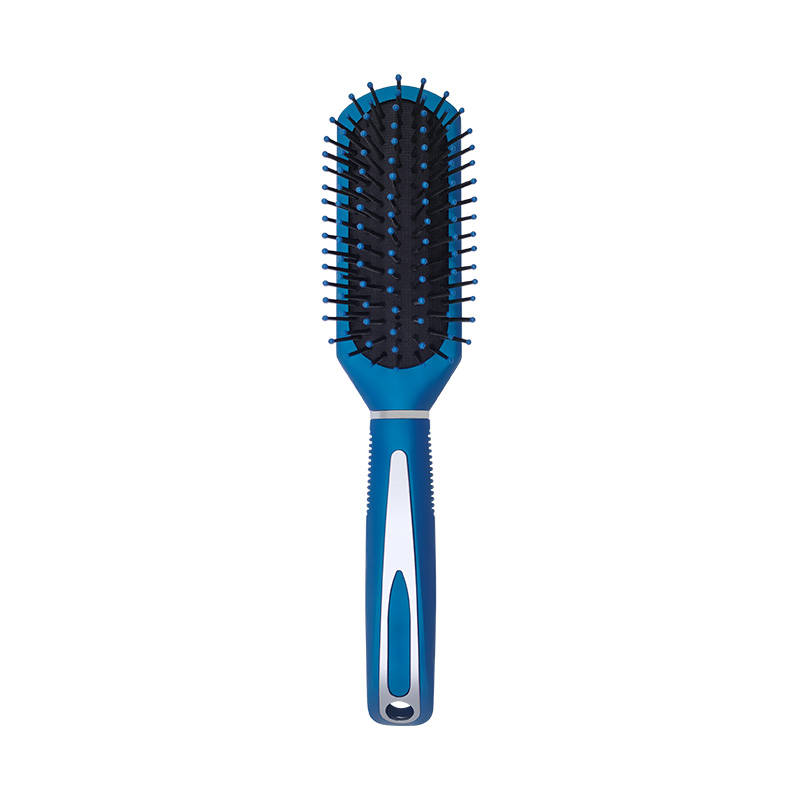
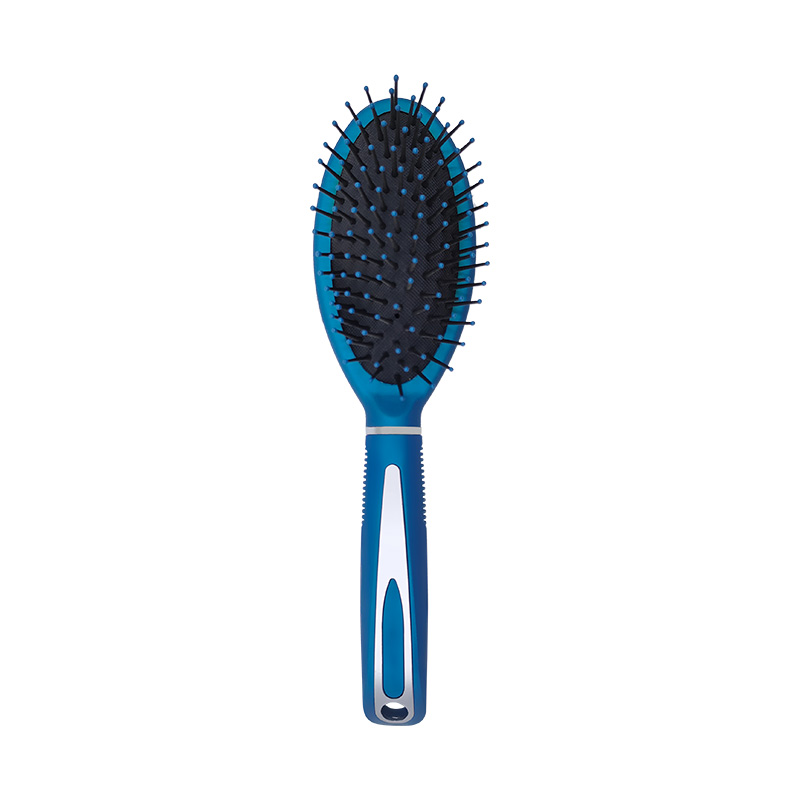
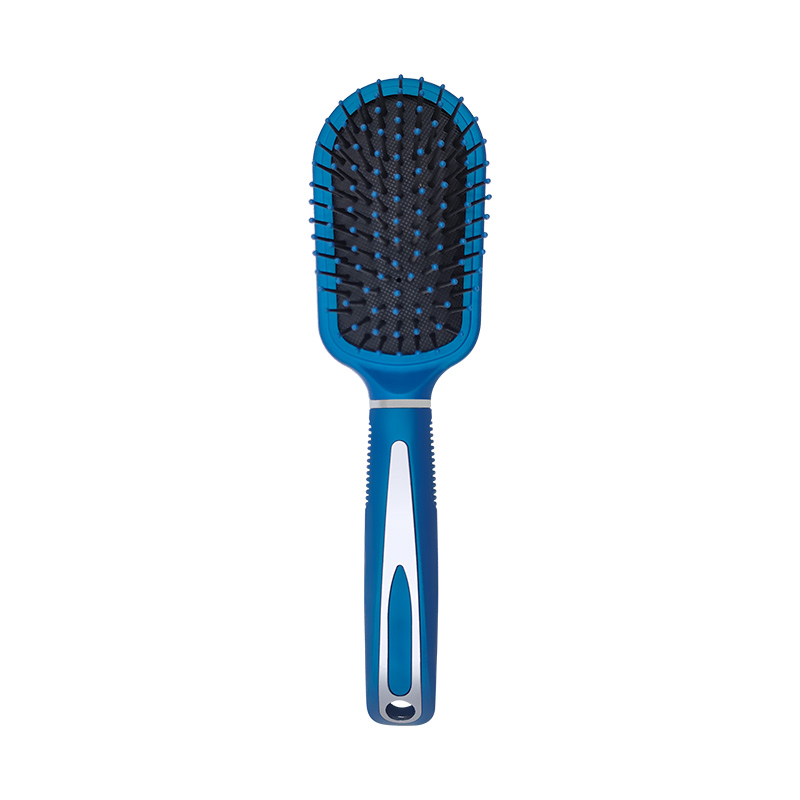
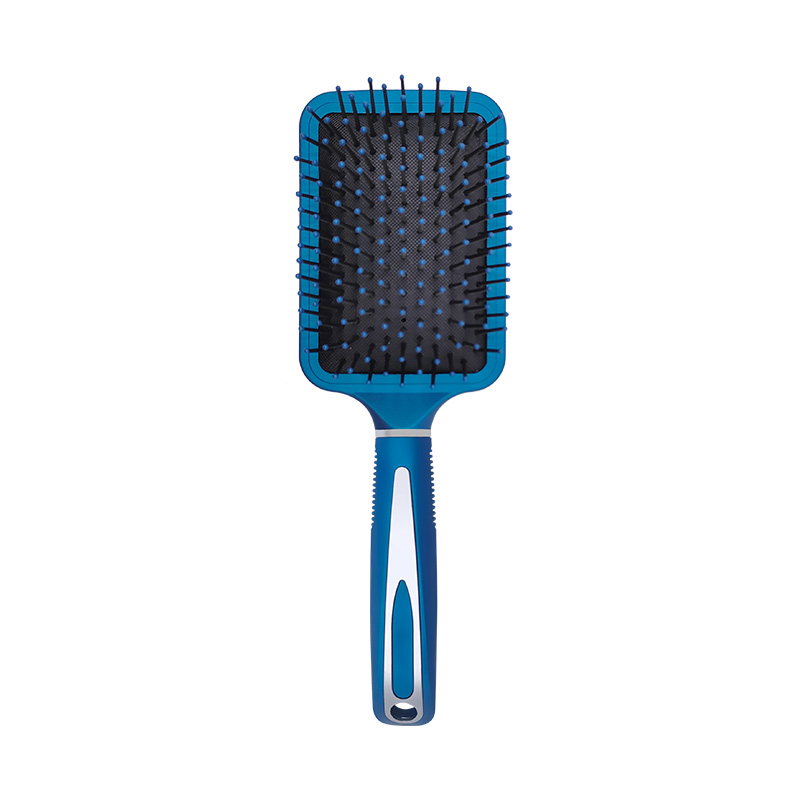
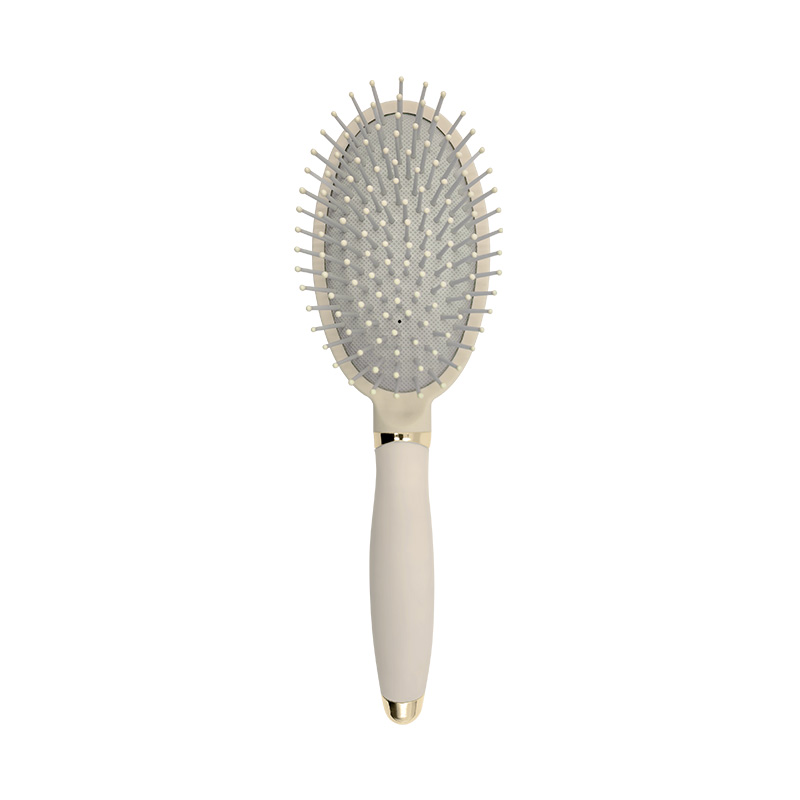
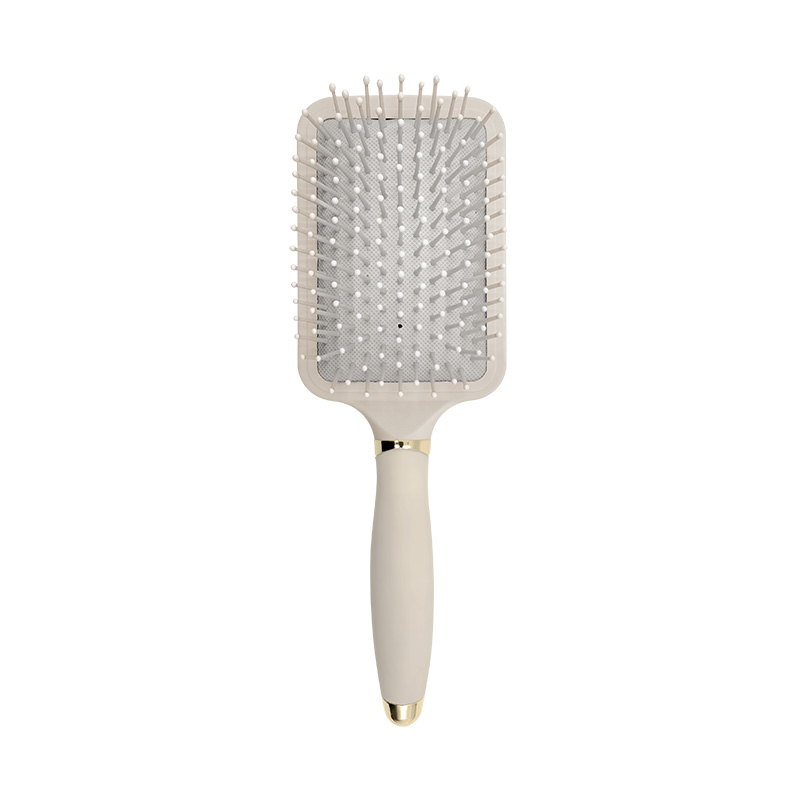
Paddle Brush
A large, flat, rectangular head with widely spaced bristles. Best for thick or long hair since the surface area covers a lot of ground per stroke, and the wide spacing smooths without pulling the hair's natural pattern out of shape.
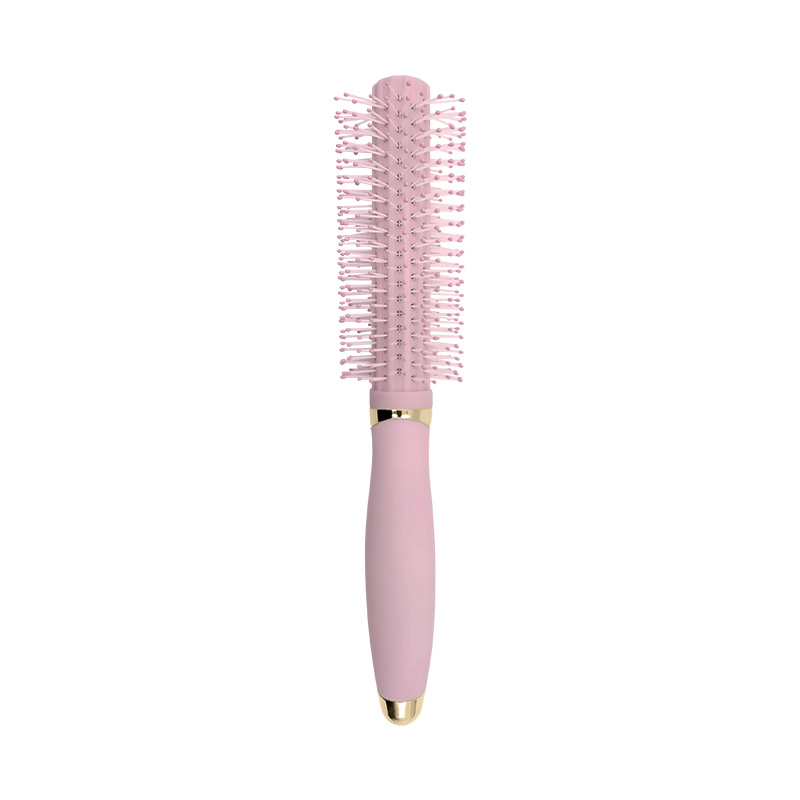
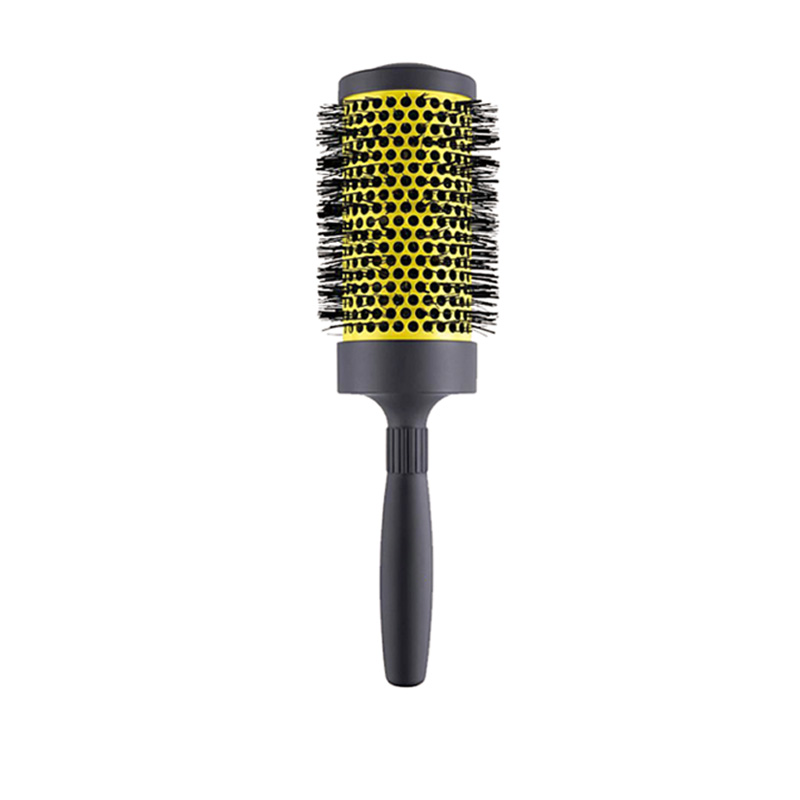
Round Brush
A cylindrical head, often with a ceramic or metal barrel that helps conduct and distribute heat. Used during blow-drying to curl or add volume to sections of hair as they dry — barrel diameter determines curl size, so smaller barrels create tighter curls and larger barrels create loose waves or volume.
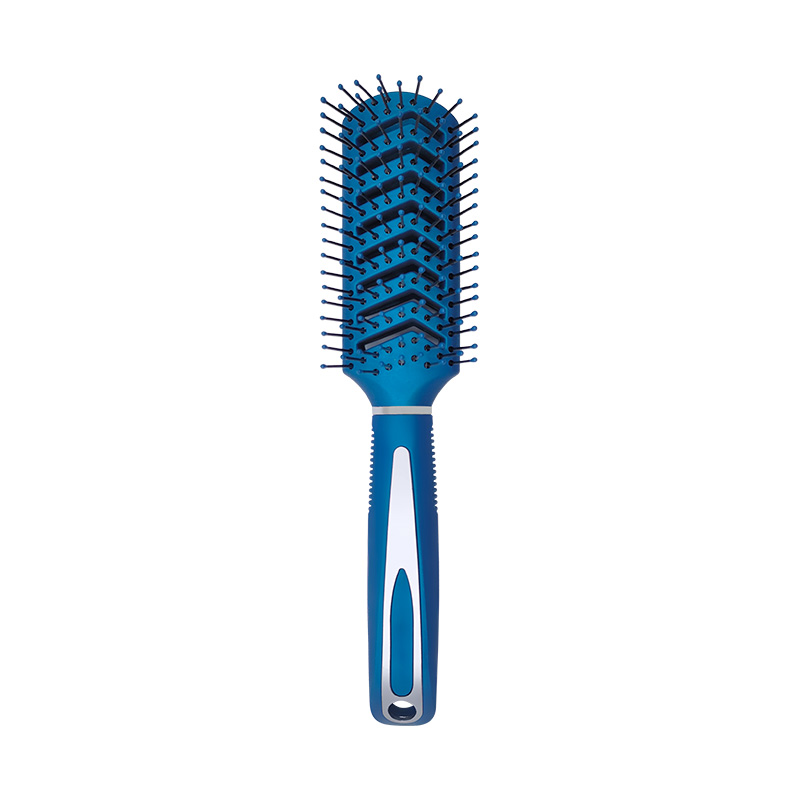
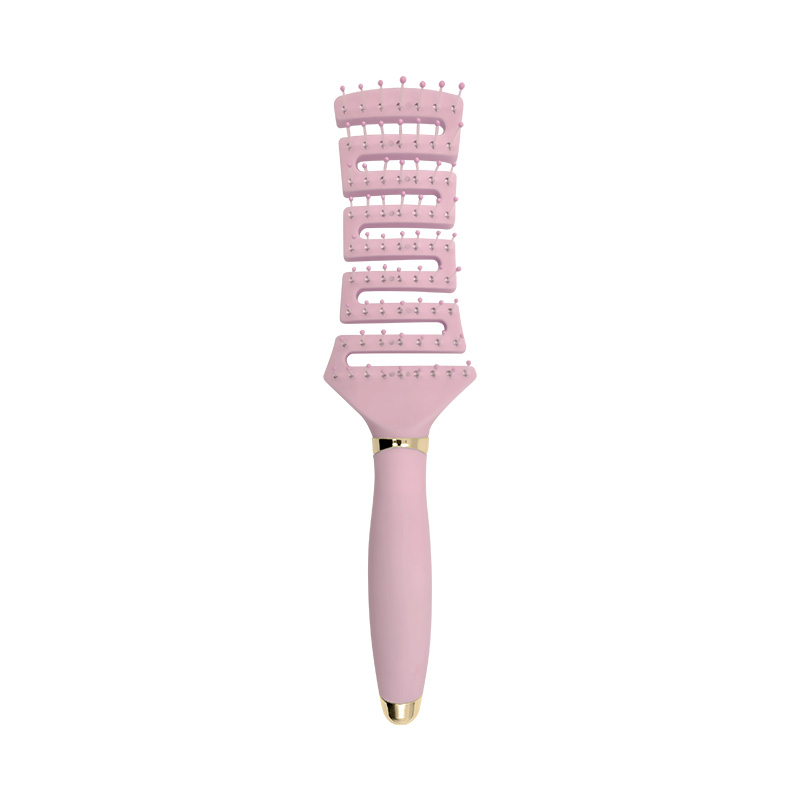
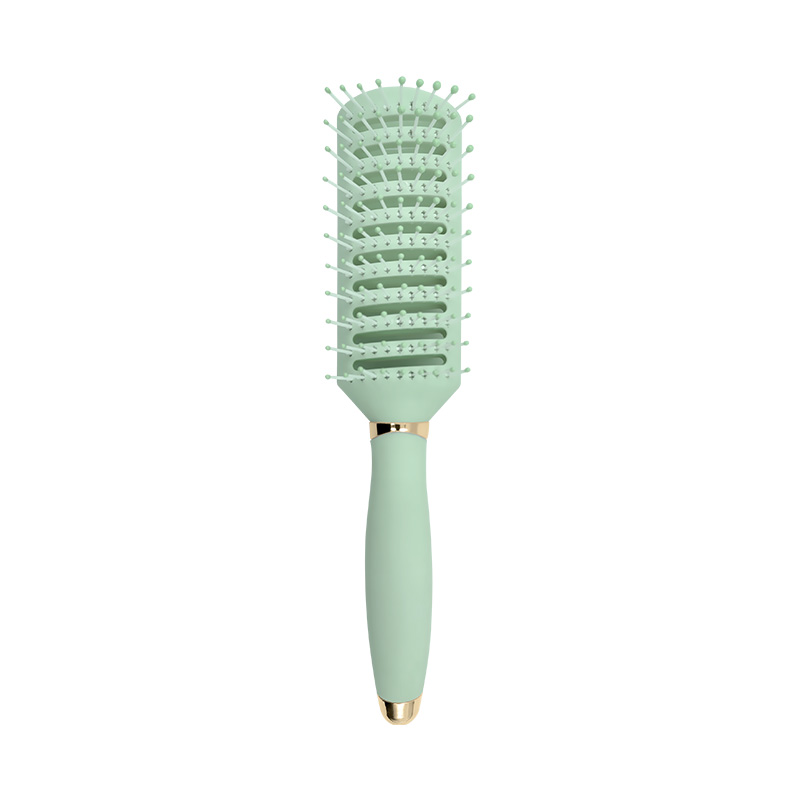
Vented Brush
Built with open channels that let air move through the bristles, which shortens drying time and reduces heat exposure. Particularly good for fine hair that needs a gentler touch and can't tolerate prolonged direct heat.
Wide-Tooth Comb
Not a brush in the traditional sense, but essential for dense, curly, or coily hair. The wide spacing between teeth lets it move through tangles without the snagging that a bristled brush would cause on the same texture, and it's the recommended tool for detangling wet, product-saturated hair.
Matching Brush to Hair Type: Quick Reference
Once you know your texture and curl pattern, this table gives a fast starting point. It's not a rigid rule — personal preference and styling goals still matter — but it reflects what dermatologists and professional stylists most commonly recommend for each category.
| Hair Type | Recommended Brush | Bristle Material |
|---|---|---|
| Fine / thin | Vented brush, small paddle | 100% boar or soft mixed |
| Medium / straight | Paddle brush, round brush | Mixed boar + nylon |
| Thick / coarse | Large paddle brush, wide-tooth comb | Nylon |
| Curly / coily | Wide-tooth comb, flexible detangler | Flexible nylon, wide-spaced |
One rule applies across every category: avoid very stiff, tightly packed bristles on fine hair, since they generate tension that pulls strands out at the root rather than gliding through them. When in doubt, choose the softer or more flexible option — it's easier to add pressure with a gentle brush than to undo damage from a harsh one.
Sourcing from a Hairbrushes Factory: What Quality Actually Looks Like
For retailers, salons, or private-label brands buying in bulk, the same principles above apply — but at scale, a few additional specifications separate a reliable hairbrushes factory from one that will cause returns and complaints.
- Ask whether boar bristle is first-cut or second-cut — first-cut comes from the root end of the natural fiber and holds tension and stiffness far longer than second-cut, which is softer and used in mid-range products
- Confirm the nylon grade — Nylon 66 with a heat-memory effect performs differently from generic nylon and holds up better in round brushes and blow-dry tools
- Request bristle density specs per square inch, since this directly determines detangling performance and how a "boar bristle" claim actually translates to feel
- Check handle and base material — wood or resin bases resist heat better near round-brush barrels than basic plastic, which can warp over repeated blow-dry use
- Verify whether "boar bristle" products are labeled accurately, since synthetic boar-mimic bristles are common in the market and should be disclosed, not passed off as natural
Retail pricing on genuine 100% first-cut boar brushes typically runs from $40 to $300+, while mixed boar-and-nylon brushes sit in a more accessible $15 to $80 range — a useful benchmark when evaluating a factory quote against market positioning, since a wholesale price far below these ranges usually signals second-cut bristle, synthetic substitution, or both.
Maintenance: Getting the Most from Whatever Brush You Choose
Even the correct brush underperforms if it's dirty. Bristles — natural or synthetic — accumulate dead skin cells, product residue, and oil buildup that reduces effectiveness and can transfer bacteria back onto clean hair.
- Remove loose hair from the bristles after every use with a comb or your fingers
- Wash boar bristle brushes with warm water and mild soap roughly every two to three weeks to clear oil buildup
- Nylon bristles clean up faster and can tolerate more frequent washing without damage
- Always brush dry or damp hair with wide-spaced or flexible bristles; only brush dry hair with tightly packed boar bristle to avoid unnecessary friction
A well-matched brush, kept clean, is one of the lowest-cost, highest-impact tools in any hair care routine — the right choice at purchase does most of the work, and consistent maintenance keeps it doing that work for years rather than months.