


 en
en 简体中文
简体中文 English
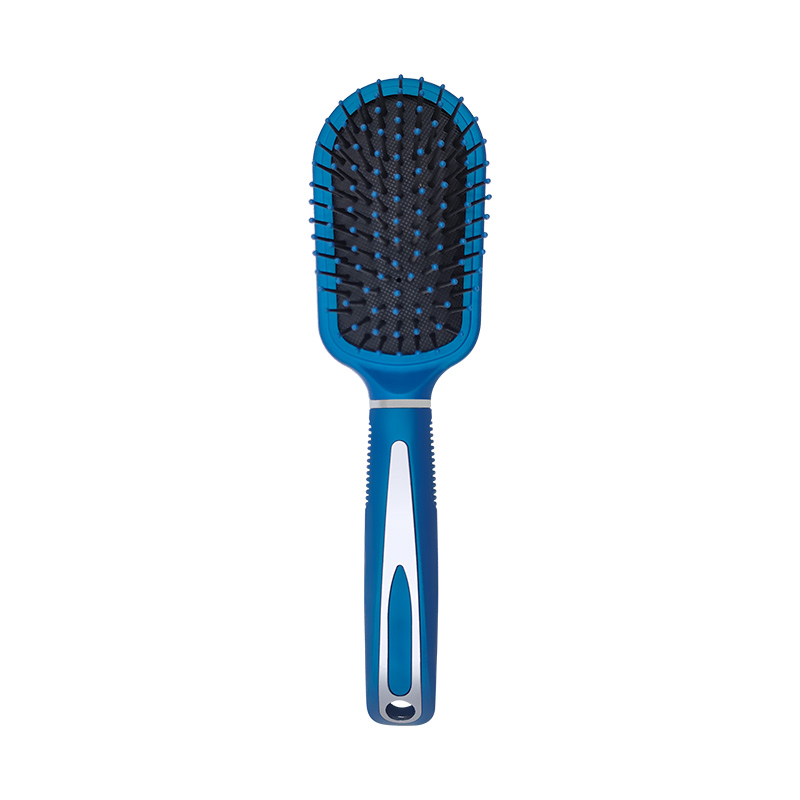
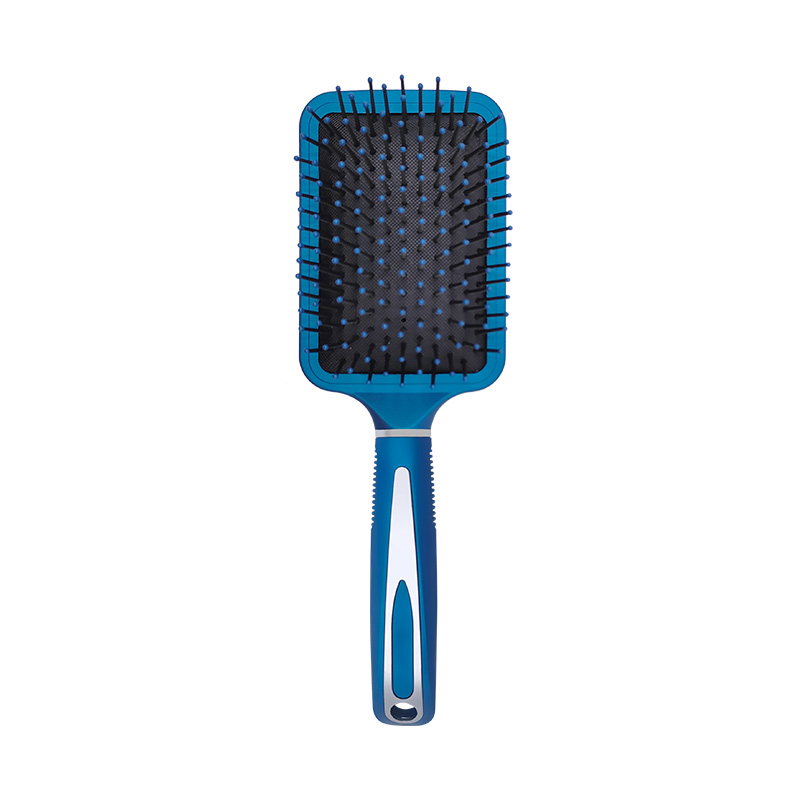
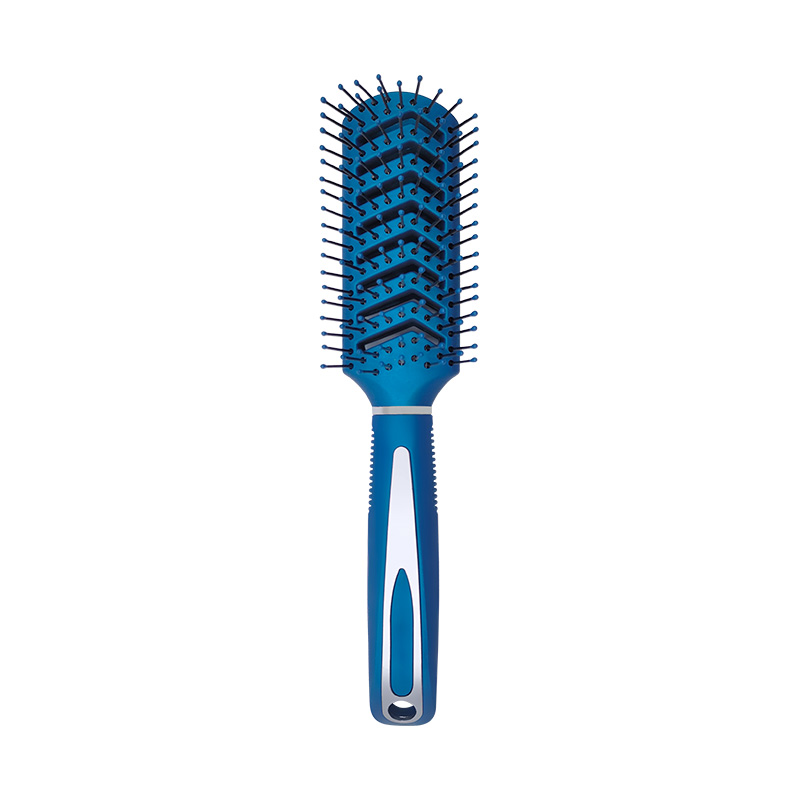
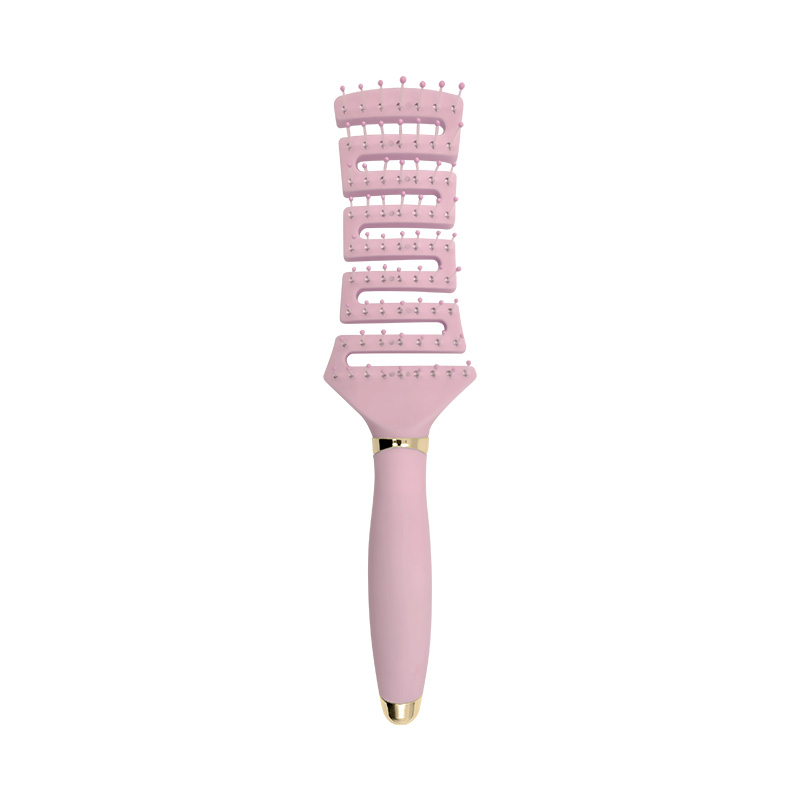
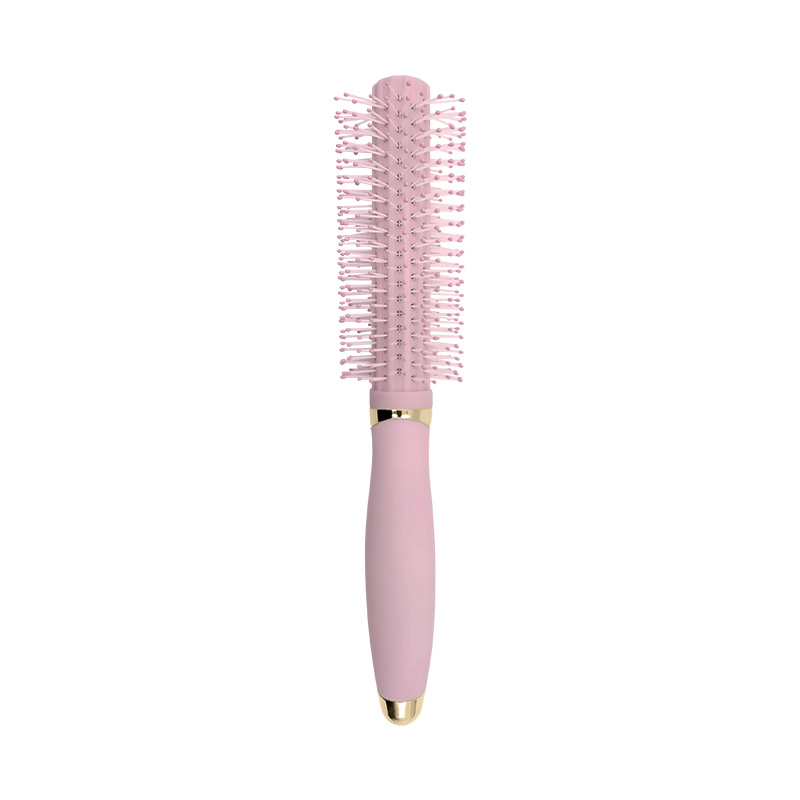
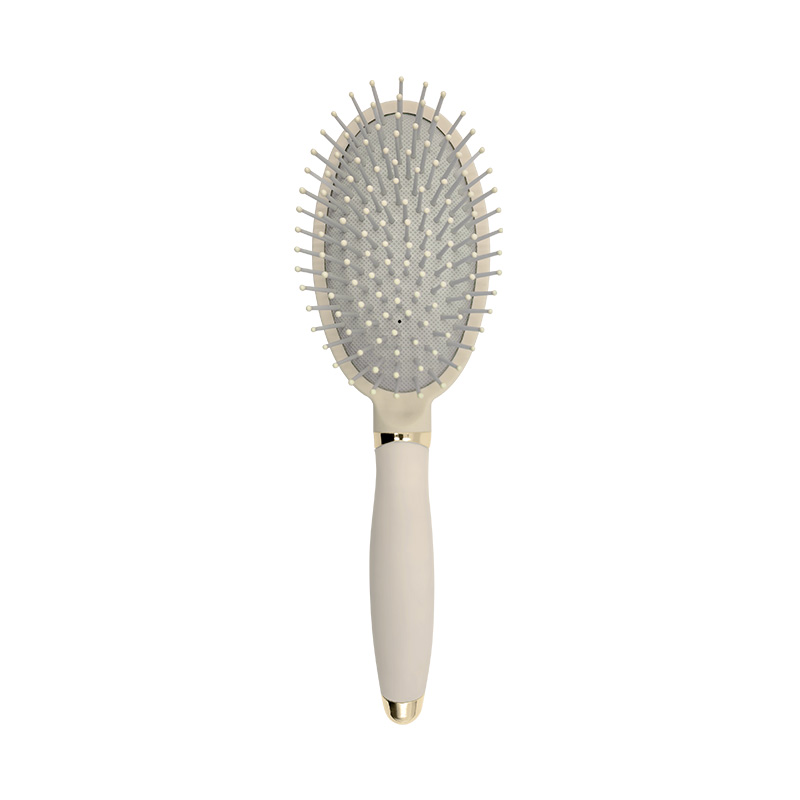
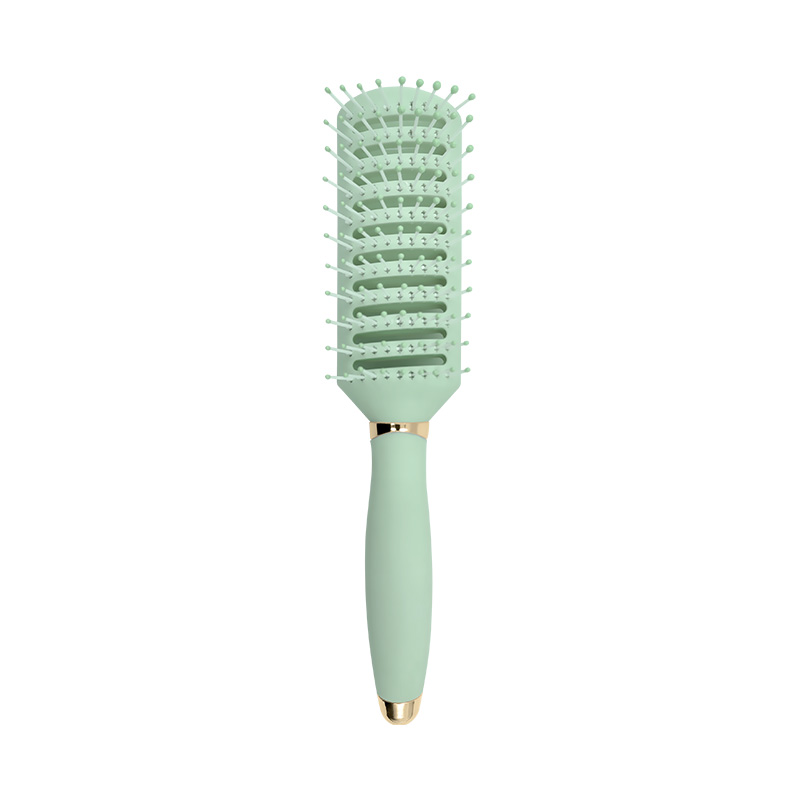
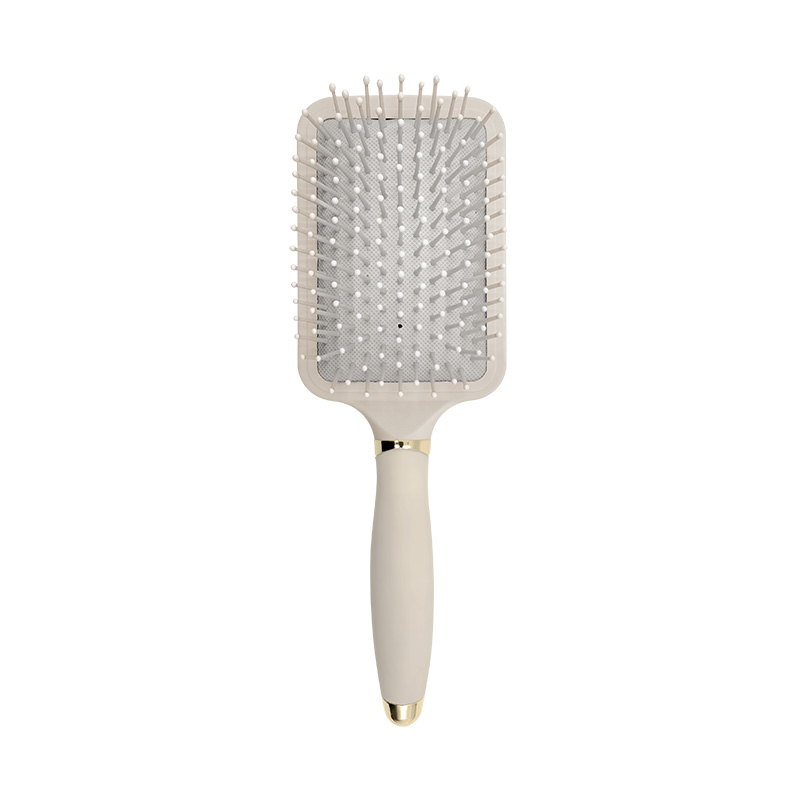
In the production process of styling combs, reducing carbon emissions and improving environmental production standards need to start from multiple aspects, including the selection of raw materials, optimization of production processes, rational use of energy, and waste management, in order to achieve sustainable development goals.
Using renewable or degradable materials for styling combs is an effective way to reduce carbon emissions. For example, using natural materials such as bamboo and wood instead of traditional plastics can reduce dependence on fossil fuels while reducing the generation of non-degradable waste. In addition, the use of recycled plastics for remanufacturing not only reduces the use of virgin plastics, but also effectively reduces energy consumption and carbon emissions. Supply chain sustainability is also an important factor affecting carbon emissions. Working with suppliers with environmental certification can ensure that the source of raw materials meets environmental standards.
The use of energy-saving equipment and intelligent manufacturing technology in styling combs can effectively reduce energy consumption and improve production efficiency. For example, using high-efficiency injection molding machines or adopting low-temperature molding technology can reduce electricity consumption and carbon dioxide emissions. At the same time, optimizing the production process and reducing unnecessary processing steps can help reduce energy waste and raw material loss. Promoting green manufacturing models and precisely controlling production parameters so that each process can maintain high-quality production standards while reducing energy consumption.
Waste management is also an important aspect of improving environmental standards. Reducing the waste of scraps in the production process of styling combs and improving material utilization are effective measures to reduce the environmental burden. For example, in the manufacturing process of styling combs, optimizing mold design can reduce material waste, and using recyclable scraps for reuse can effectively reduce the generation of waste.
Reducing carbon emissions and improving environmentally friendly production standards require optimization and improvement in multiple links. From the selection of raw materials to the improvement of production processes, from the rational use of energy to the management of waste, the optimization of each link can contribute to environmentally friendly production. Through continuous innovation and improvement, styling comb manufacturers can achieve more sustainable development and improve market competitiveness while reducing environmental impact.
News
Home / News / Industry News / How to reduce carbon emissions and improve environmentally friendly production standards during the production of styling combs?
- What Does an Ionic Hair Brush Do? How It Works, Benefits & Uses Explained
- How Often Should You Replace a Hairbrush? Timelines, Warning Signs, and Care Tips
- What Are Hair Brushes Made Of? A Guide to Handle, Cushion, Bristle, and Coating Materials
- How Often Should You Replace a Hairbrush? Timelines, Warning Signs, and Care Tips
Contast Us
-

+86-13958313693
-

-

NO.521 YuanBaoShan Road, Beilun, NingBo China 315800
Search
-
How to reduce carbon emissions and improve environmentally friendly production standards during the production of styling combs?



-

NO.521 YuanBaoShan Road, Beilun, NingBo China 315800
-

-

+86-13958313693
Copyright © 2023 Ningbo Osaki Biotech Co., Ltd. All Rights Reserved.
