

 en
en 简体中文
简体中文 English


Content
- 1 What Is a Rubber Molding Hairbrush?
- 2 Why Rubber Molding Reduces Tangling and Pulling
- 3 Practical Benefits for Sensitive Scalps and Busy Bathrooms
- 4 Rubber-Molded vs. Traditional Brushes: A Quick Comparison
- 5 What to Check When Sourcing Rubber Molding Brushes
- 6 Finding the Right Rubber-Molded Brush for Your Line
- 7 Making the Sourcing Decision
Standing at the bathroom mirror with wet, tangled hair and a brush that snags on every knot is a frustration nearly every consumer knows. The brush that performs best in that moment often shares one design detail: a rubber-molded cushion. Rubber molding hair brushes have moved from a niche manufacturing technique to a mainstream answer for detangling, scalp comfort, and easy maintenance. The core reason is straightforward: a rubber-molded brush head flexes with the hair instead of fighting against it, which reduces pulling, minimizes breakage, and feels noticeably gentler on the scalp.
What Is a Rubber Molding Hairbrush?
A rubber molding hairbrush is not a brush with rubber bristles glued onto a wooden pad. It is a brush whose cushion, bristle base, and often the bristles themselves are formed together in a single injection-molding process. Thermoplastic rubber or liquid silicone is injected into a closed mold cavity, then cooled and ejected as one integrated component. This manufacturing approach eliminates the gaps and weak points found in traditional brushes, where bristles are stapled or glued into a separate cushion.
How the Mold Determines the Feel
Mold design is where the real engineering happens. The geometry of each bristle—its taper, tip radius, and angle relative to the cushion—is locked into the mold before the first brush is produced. A well-designed rubber mold produces bristles with rounded tips and a slight backward curve, so they glide through hair without catching. The thickness of the rubber cushion also matters: a firmer cushion gives more control during blow-drying, while a softer, thinner cushion adapts better to the curved shape of the scalp. Because the entire structure is molded as one piece, the flex pattern stays consistent across thousands of brushes, which is difficult to achieve with assembled designs.
A Quick Look at the Production Process
In practice, the process follows a predictable sequence. The mold is closed and heated, thermoplastic rubber is injected under pressure into the cavity, the material cools and cures, then the mold opens and the finished cushion is ejected. Some brushes go through a secondary step where the rubber cushion is over-molded onto a plastic or wooden handle. For manufacturers with in-house molding lines, this means the brush body, cushion, and bristles can be produced and assembled under one roof, which shortens lead times and gives buyers a single point of quality control. A factory with dedicated rubber molding, vulcanization, injection molding, and bristle-planting lines can manage this entire flow internally.
Why Rubber Molding Reduces Tangling and Pulling
The most common question buyers ask is whether rubber bristles actually perform better than nylon or metal bristles. The short answer is yes—for detangling and daily scalp comfort. Unlike rigid plastic or metal bristles, rubber bristles have an inherent pliability that allows them to bend and move with the hair as the brush passes through. When the brush encounters a knot, the bristles deflect rather than forcing their way through, which reduces the likelihood of snagging and breaking strands. This behavior is by design, not by accident: the elasticity of the rubber, the spacing between bristles, and the shape of each tip are all tuned during mold development to create a brushing action that separates hair without ripping it.
A rubber-molded one-piece head also removes the mechanical weak points that cause pulling over time. In a traditional brush, the bristles sit in individual holes and can loosen as the adhesive ages or the cushion compresses. A rubber-molded brush has no holes to loosen; the bristles are structurally continuous with the cushion. Even after months of daily use, the bristle tips keep their smooth, rounded profile because there is no joint where they can break off. This is one of the main reasons rubber molding has become the preferred construction for brushes aimed at wet hair, fine hair, and children’s sensitive scalps. You can read more about the specific design choices that reduce the likelihood of tangling or pulling during brushing in this detailed breakdown.
Practical Benefits for Sensitive Scalps and Busy Bathrooms
Rubber molding hair brushes deliver three practical advantages—beyond detangling—that make them attractive for both retail shelves and custom OEM programs.
Comfort for Sensitive Skin
For people with sensitive scalps, conditions like eczema, or post-blowout tenderness, the soft, flexible tips of a rubber-molded brush feel noticeably different from stiff nylon pins. The cushion absorbs pressure before it reaches the scalp, so brushing is more of a massage than a scrape. This is especially relevant for children, whose scalps are thinner and more delicate than adult skin. Buyers who have previously rejected traditional brushes due to discomfort often find that rubber-molded versions solve the complaint without compromising on brushing effectiveness. The full picture of why these brushes work well for sensitive scalps is covered in our dedicated article on the benefits of rubber molding hairbrushes for sensitive scalps.
Antibacterial and Easy-to-Clean Surfaces
Rubber and silicone are naturally non-porous, which matters more than most shoppers realize. Hair, oil, product residue, and dead skin cells accumulate in brush bristles; with porous materials, that buildup becomes a breeding ground for bacteria. A rubber-molded surface wipes clean in seconds and does not absorb styling products. Many rubber compounds can also be formulated with antibacterial additives during molding, providing an extra layer of protection for daily use. For B2B buyers, this is a strong selling point for markets focused on hygiene and low-maintenance beauty tools.
Light Enough for Travel
Because the cushion and bristles are a single piece of material, rubber-molded brushes tend to weigh less than brushes with a wooden back and densely planted bristles. They are also more flexible, which makes them easier to pack without damaging the bristle tips. Travel-friendly design is often an afterthought in brush development, but it becomes a deciding factor for consumers who carry a brush in a gym bag or carry-on. Our analysis of whether rubber molding hairbrushes are designed to be lightweight for travel or ergonomic for everyday use breaks down how the same construction serves both purposes.
Rubber-Molded vs. Traditional Brushes: A Quick Comparison
Choosing between a rubber-molded brush and a traditional bristle brush depends on the use case. The table below summarizes the key differences that matter to both end consumers and buyers evaluating a product line.
| Criteria | Rubber-Molded | Traditional Planted Bristle | Metal/Plastic Comb Teeth |
|---|---|---|---|
| Flexibility | High; bristles bend with the hair | Moderate; depends on bristle material | Low; rigid teeth |
| Detangling Performance | Excellent for wet and fine hair | Good for dry styling | Harsh on knots |
| Scalp Comfort | Soft and massaging | Varies; can be scratchy | Can feel sharp or cold |
| Cleaning | Surface-wipe; non-porous | Debris accumulates between bristles | Easy to rinse but food/oil film lingers |
| Durability | No loose bristles; one-piece structure | Bristles can detach over time | Teeth can bend or break |
| Best Use Case | Daily detangling, sensitive scalps, travel | Blow-drying, polishing, and volume | Sectioning, tight curls |
What to Check When Sourcing Rubber Molding Brushes
For importers, private-label brands, and retailers, the decision to source rubber molding brushes goes beyond picking a model from a catalog. The manufacturing process is highly reproducible, but quality varies significantly between factories. A few checks separate a reliable supplier from one that ships inconsistent goods.
1. Bristle Tip and Taper Consistency
The entire detangling benefit of a rubber-molded brush depends on the tip geometry. A poor mold with a slightly dull tip or flashing at the ejection point will feel scratchy and snag the hair. When evaluating samples, run the brush through a small section of damp hair and feel for resistance. Then inspect the tip radius under magnification. A consistent, rounded tip across the whole cushion indicates a factory that controls its mold maintenance and injection parameters tightly.
2. Cushion Hardness and Rebound
Rubber hardness, measured in Shore A, directly affects how the brush feels on the scalp and how well it distributes tension. A cushion that is too soft feels flimsy and fails to separate hair effectively; one that is too hard defeats the purpose of the rubber construction. Press the center of the cushion and observe how quickly it returns to shape. Slow rebound indicates a low-quality compound that will fatigue quickly. Reputable manufacturers specify the Shore A value for each mold, and a good supplier will adjust the compound to match your target feel.
3. Material Certifications and Compliance
Rubber compounds vary widely in terms of food-grade safety, skin sensitivity, and chemical content. For brushes that will touch skin and hair daily, ask for material test reports covering phthalates, heavy metals, and BPA. If children’s brushes are part of the lineup, compliance with strict regulations like CPSIA or REACH becomes a non-negotiable requirement. A factory with BSCI and ISO9001 certification in place is more likely to have the documentation trail needed to support these claims.
4. Mold Ownership and Customization Options
Because rubber molding is mold-driven, customization can be as deep as redesigning the bristle pattern, adjusting the cushion thickness, or changing the handle material. Some factories offer existing mold libraries where minor changes like color or logo are possible with lower upfront costs. For exclusive designs, understanding who owns the mold and the cost structure for future revisions matters. A transparent supplier will clearly outline mold ownership, maintenance fees, and the minimum order quantity required to justify a new mold.
Finding the Right Rubber-Molded Brush for Your Line
The rubber molding category spans far beyond one silhouette. A well-developed product line offers different shapes for different brushing behaviors, all built on the same material principle.
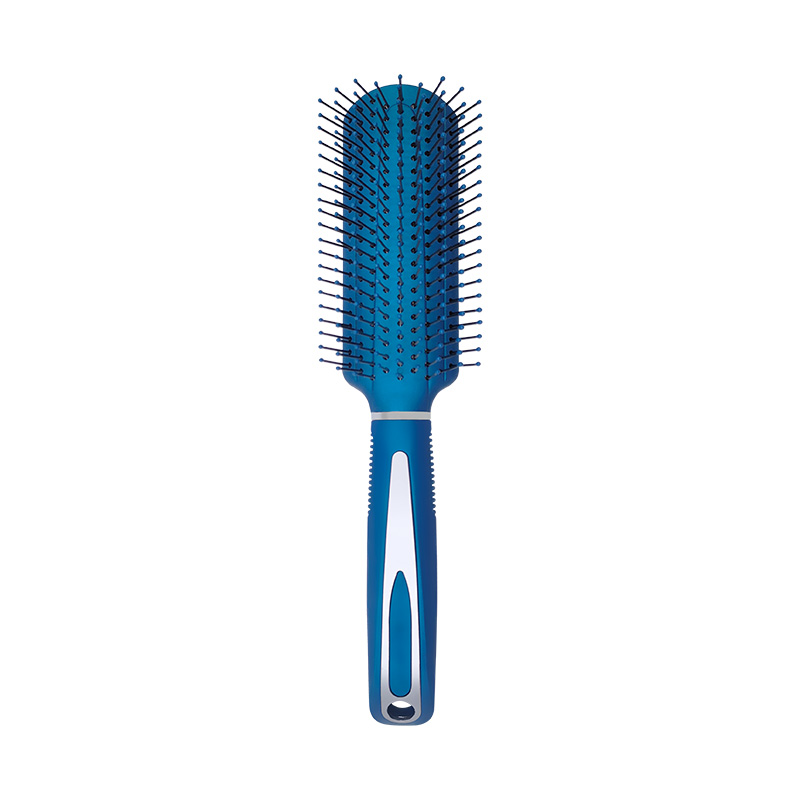
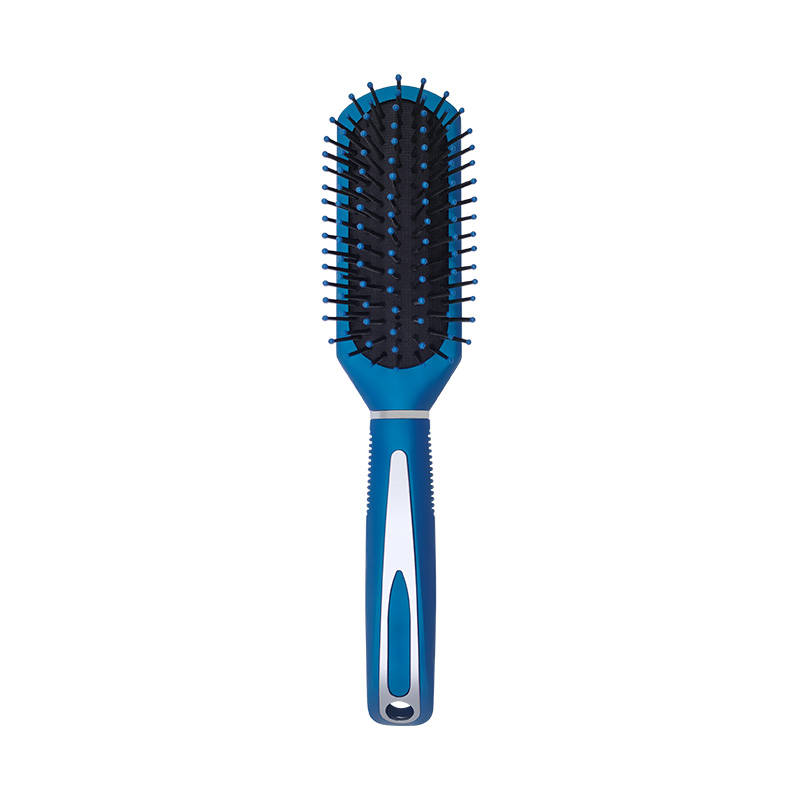
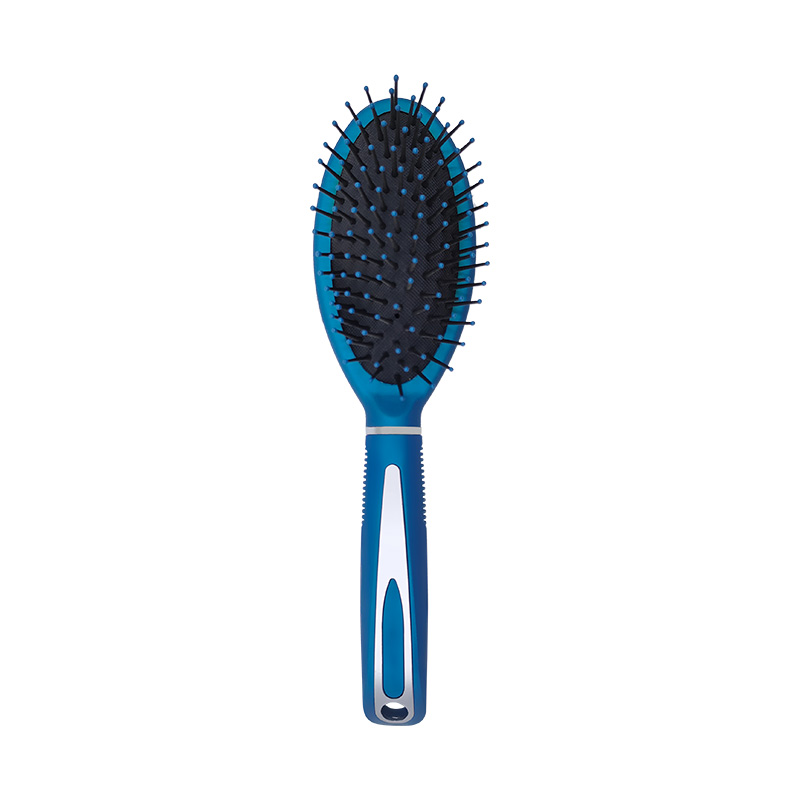
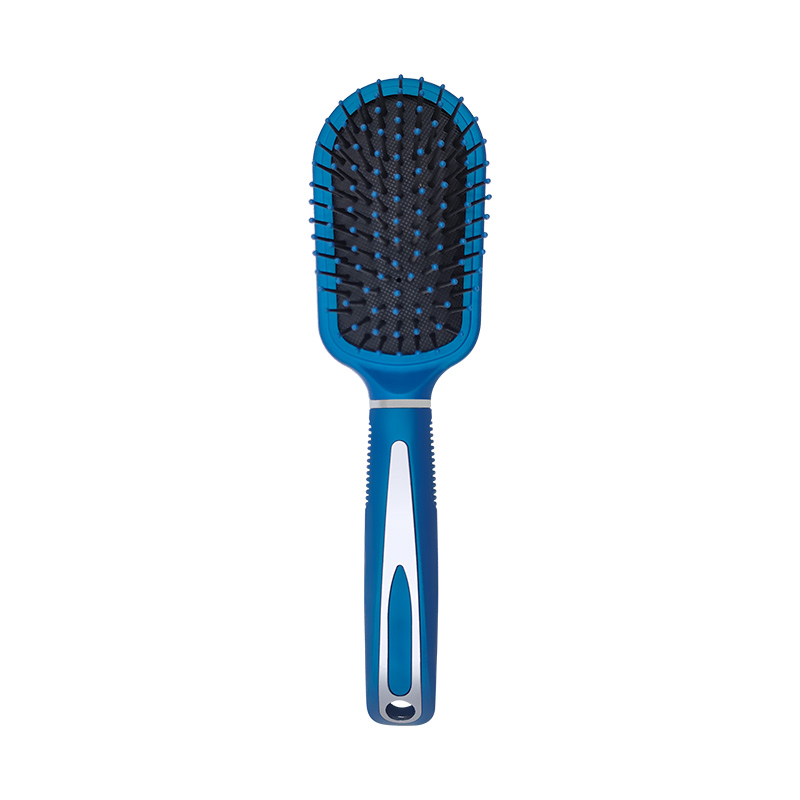
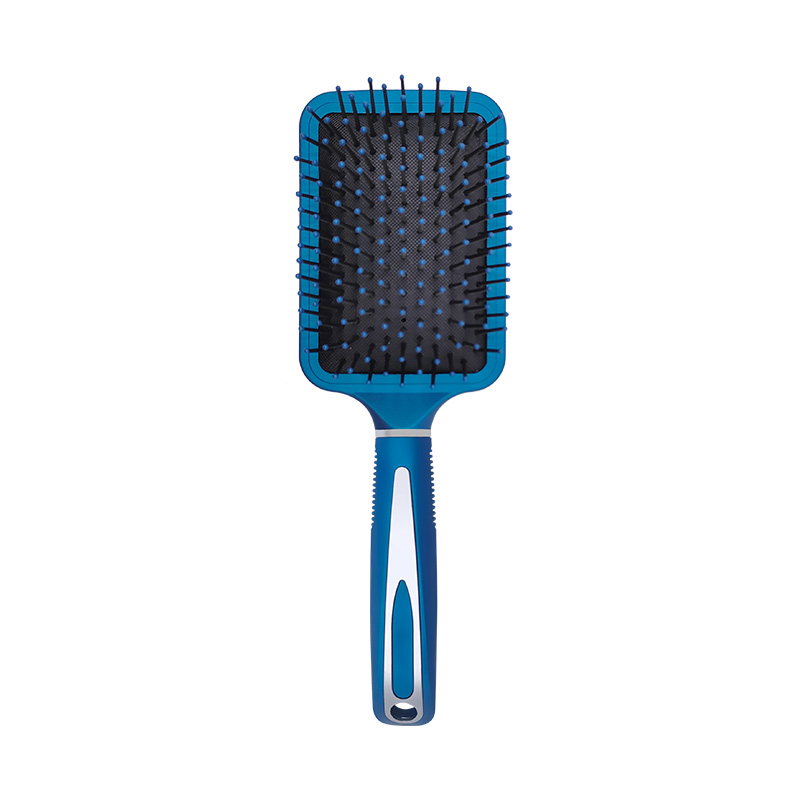
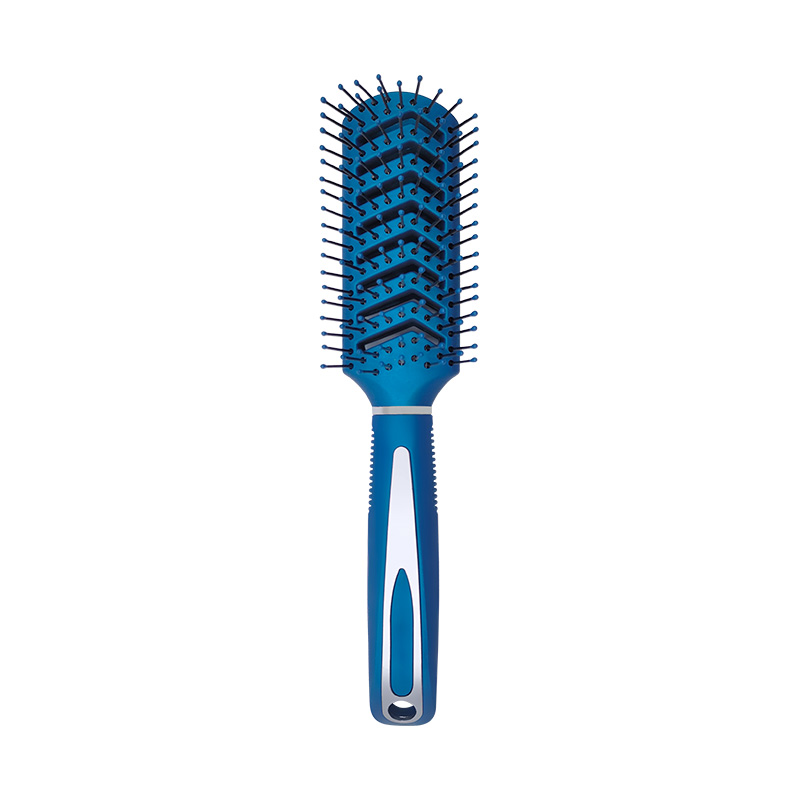
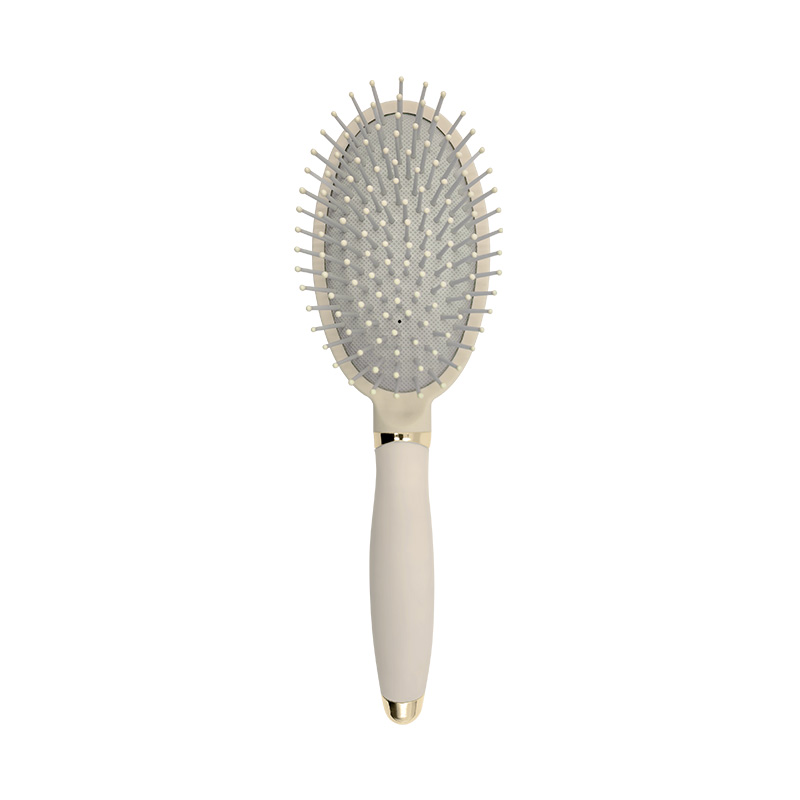
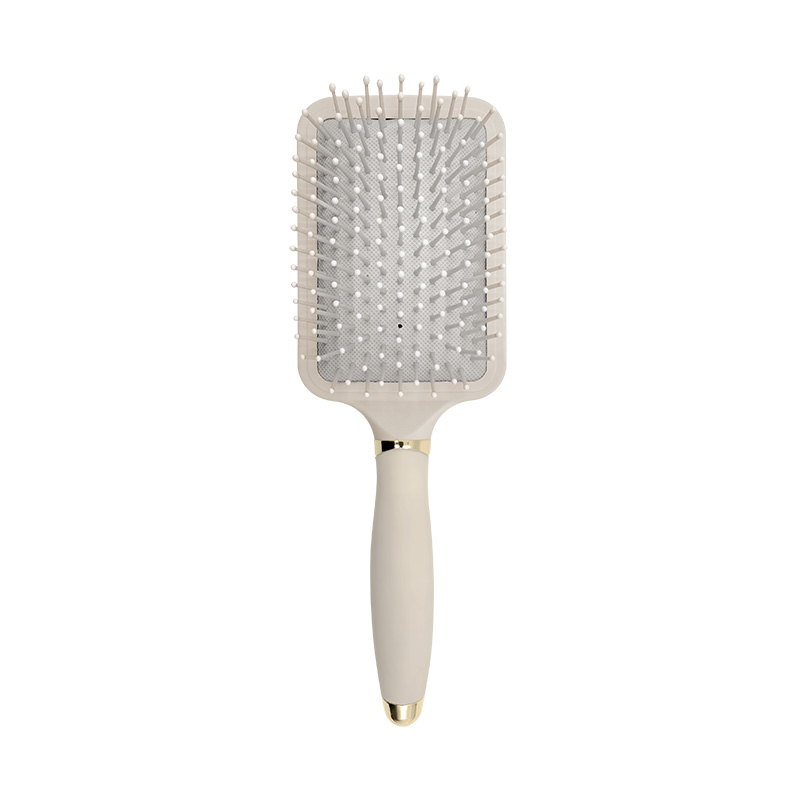
Classic shapes remain the foundation of most programs. A rubber-molded classic brush with a cushioned pad and comfortable handle suits daily grooming and is often the first model a private-label buyer starts with. The molded cushion variant in the classic series shows how a standard shape can be upgraded with the soft-touch benefits of rubber construction.
At the same time, buyers looking for a stronger environmental story are turning to eco-friendly material blends. Rubber compounds can be formulated with recycled or bio-based content, and when paired with a bamboo or wooden handle, the result is a brush that appeals to sustainability-focused retailers. One option worth reviewing is the eco-friendly rubber molding hairbrush in the ECO line, which combines the detangling performance of rubber with a more sustainable material profile.
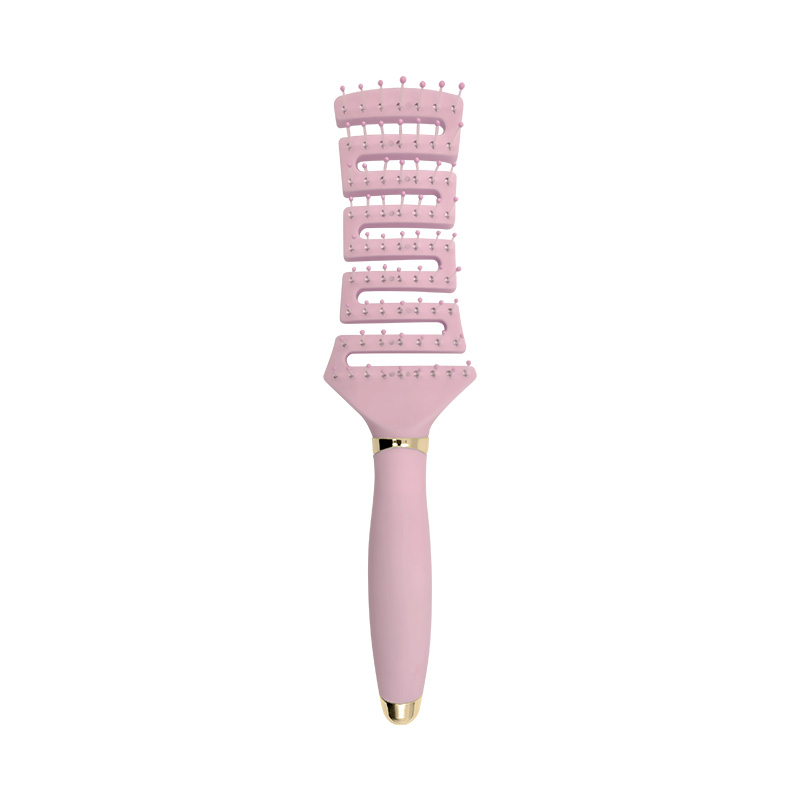
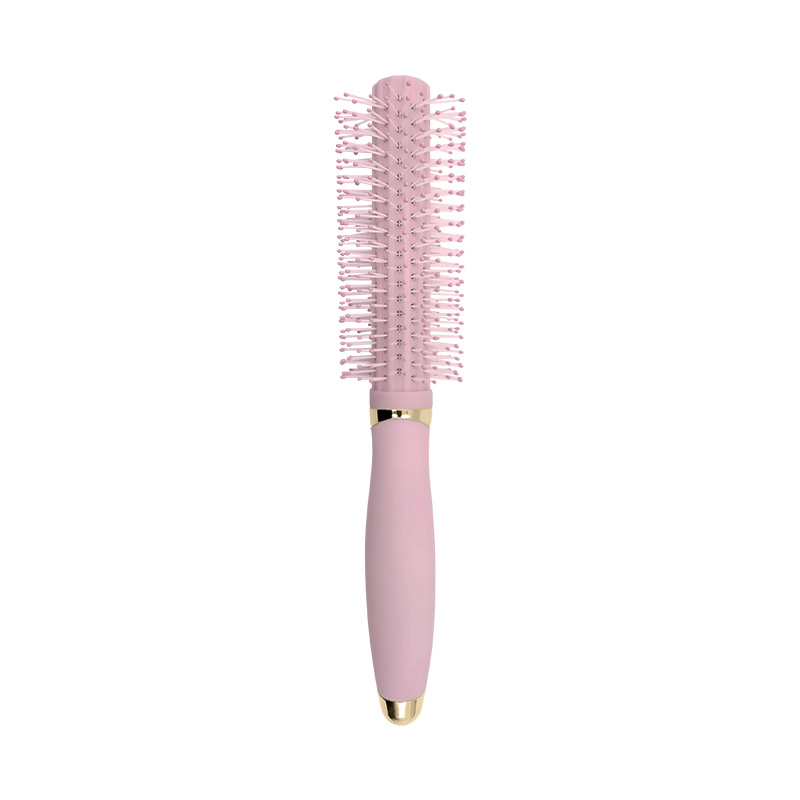
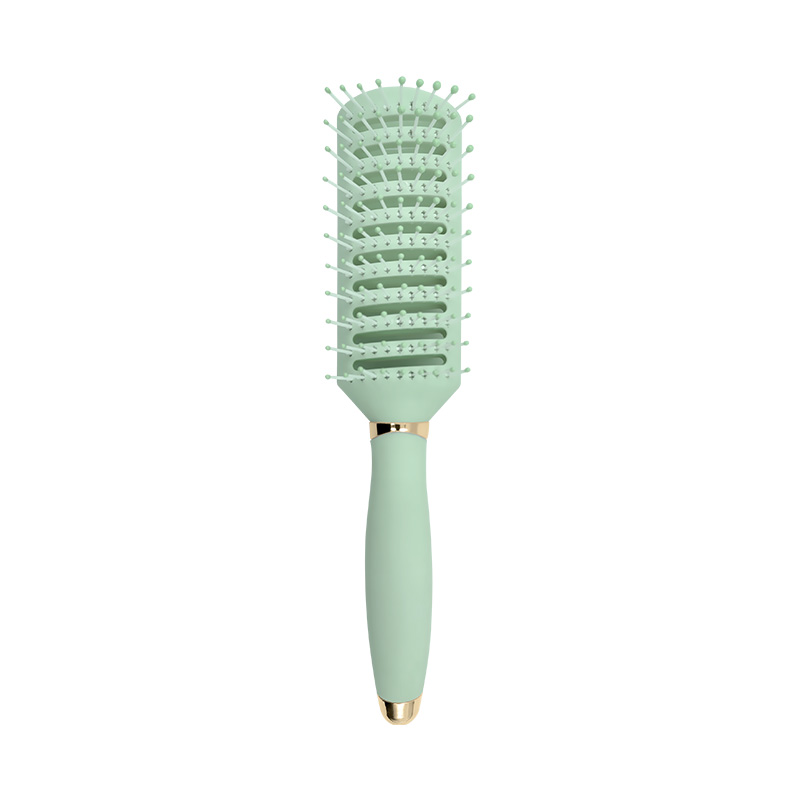
Trendy silhouettes also benefit from rubber molding, since the one-piece construction allows for more sculptural shapes without the constraints of traditional assembly. For buyers targeting a younger demographic, a trendy rubber molding hairbrush offers the same gentle brushing experience with a modern look that stands out on shelf.
Making the Sourcing Decision
Rubber molding hair brushes are more than a fast-growing subcategory; they have become a baseline expectation for consumers who want gentle detangling, low-maintenance hygiene, and a brush that travels well. The manufacturing process is well established, and the key to retail success lies in choosing the right mold design, material hardness, and supplier quality controls.
For buyers entering this category, the practical path is to begin with a clear understanding of your end customer: are they brushing wet post-shower hair, styling dry hair, or grooming a child’s delicate scalp? That answer narrows the mold selection and cushion hardness far more effectively than any trend snapshot. From there, working with a factory that runs its own molding lines, holds ISO9001 and BSCI audits, and can show you the mold-development process from first shot to finished product gives you confidence that the brush you sample today is the brush you will receive at scale.