

 en
en 简体中文
简体中文 English


Content
- 1 Why the Right Hairbrush Matters More Than You Think
- 2 The Main Types of Hairbrushes and What They Do
- 3 Best Hairbrush by Hair Type: Specific Recommendations
- 4 Bristle Materials Explained: What Hairbrush Factories Actually Use
- 5 How Round Brush Barrel Size Affects Your Style
- 6 What to Look for When Buying From a Hairbrushes Factory or Supplier
- 7 How to Clean and Maintain Your Hairbrush Properly
- 8 Quick Reference: Matching Hair Type to the Right Brush
The best hairbrush for your hair depends on your hair type and styling goal. Paddle brushes suit straight or thick hair, round brushes work best for blowouts and volume, and boar bristle brushes are ideal for fine or color-treated hair. Choosing the wrong brush causes breakage, frizz, and scalp damage — choosing the right one transforms both the health and appearance of your hair within weeks.
This guide, informed by manufacturing standards from a professional hairbrushes factory perspective, breaks down every brush type, bristle material, and hair-specific recommendation so you can make a confident, informed decision.
Why the Right Hairbrush Matters More Than You Think
Many people underestimate how much a hairbrush affects hair health. According to professional stylists, over 60% of mechanical hair damage comes from improper brushing tools — not chemical treatments or heat. A poorly matched brush can cause split ends, excessive shedding, scalp irritation, and loss of natural shine.
From a hairbrushes factory standpoint, brushes are engineered with specific bristle density, cushion firmness, and base diameter calibrated to hair texture and usage. Understanding those variables helps you choose like a professional.
The Main Types of Hairbrushes and What They Do
Every brush type serves a distinct purpose. Using a detangling brush for heat styling, for example, delivers poor results and potential damage. Here is a clear breakdown:
| Brush Type | Primary Function | Best For |
|---|---|---|
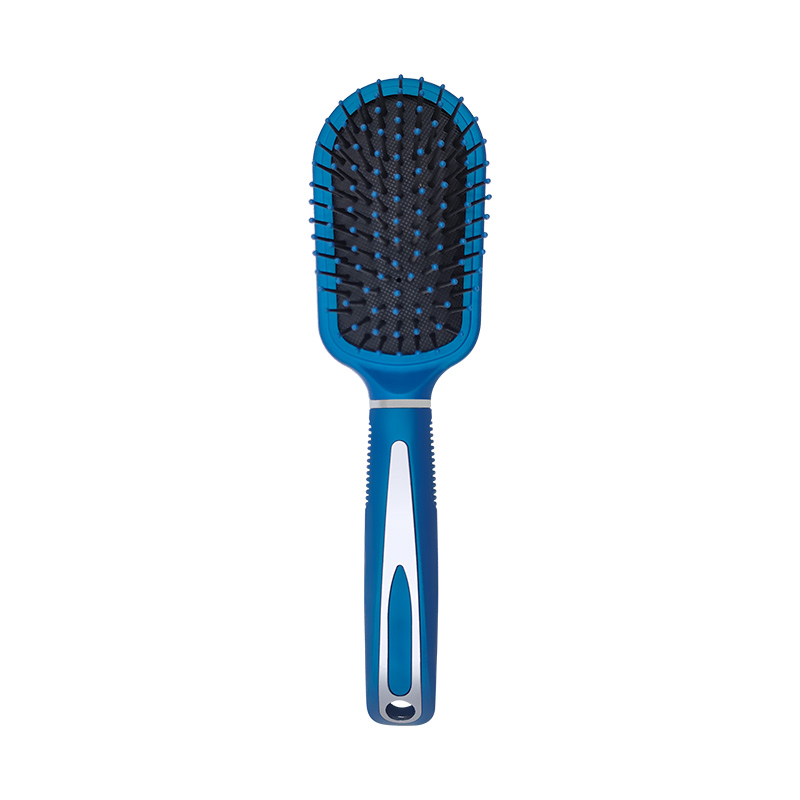
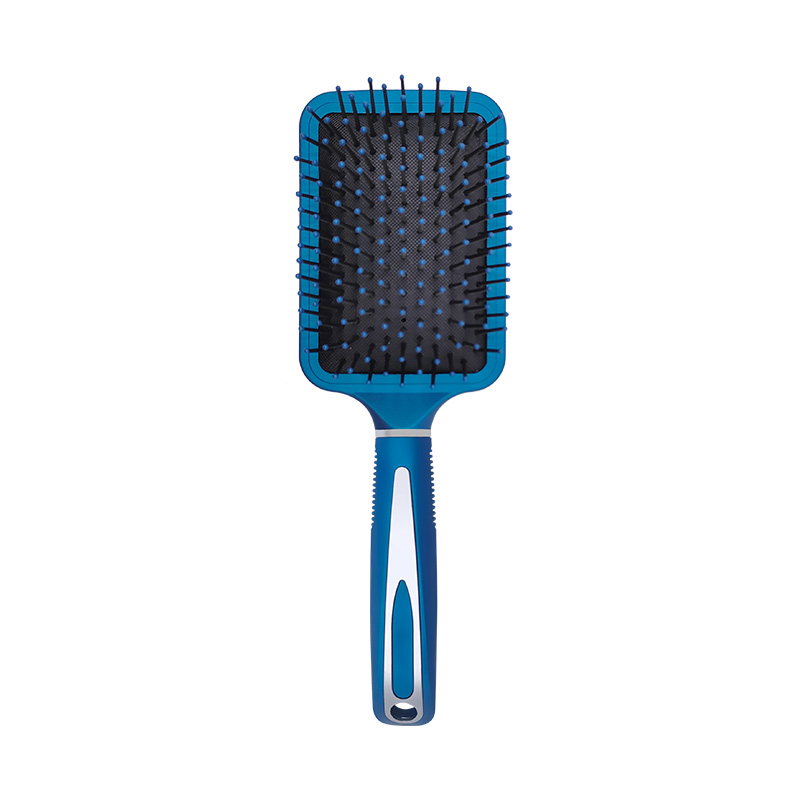
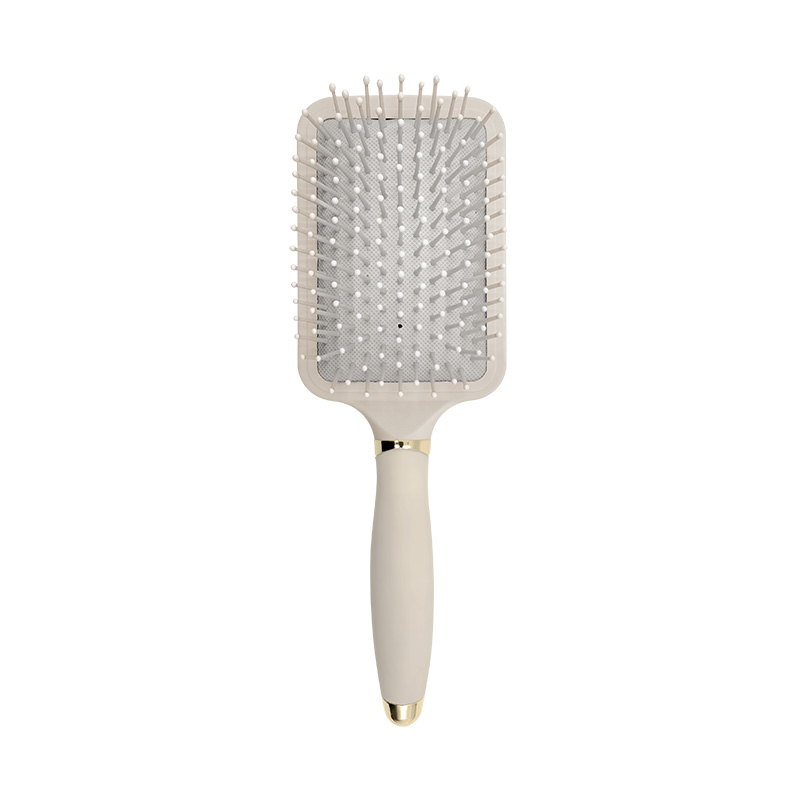
| Paddle Brush | Detangling, smoothing, straightening | Long, thick, straight hair |
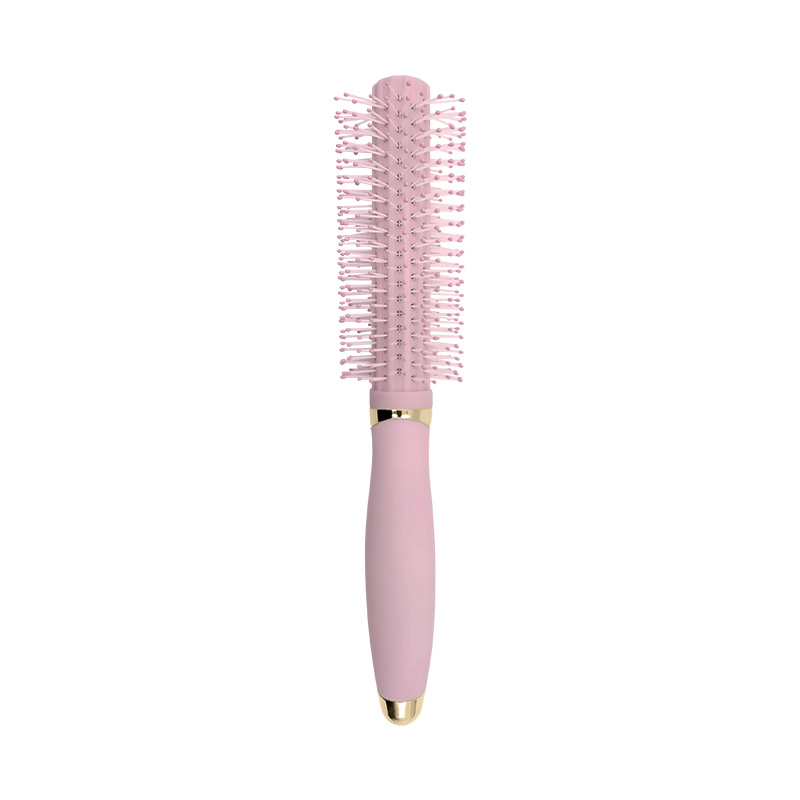
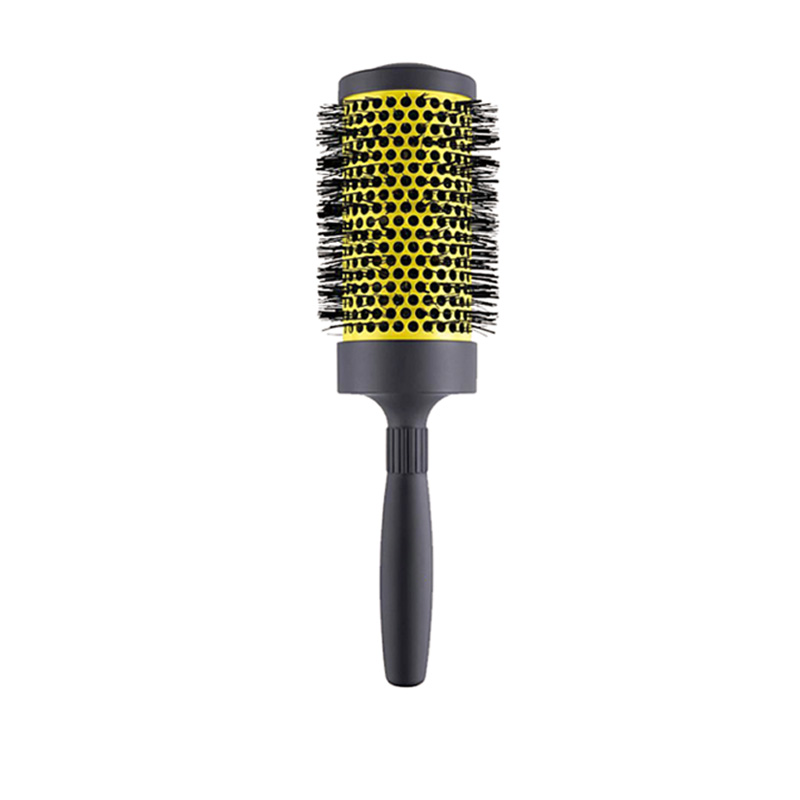
| Round Brush | Blowouts, curls, root lift | All types during heat styling |
| Boar Bristle Brush | Distributing oils, adding shine | Fine, normal, color-treated hair |
| Detangling Brush | Gentle knot removal | Curly, coily, wet hair |
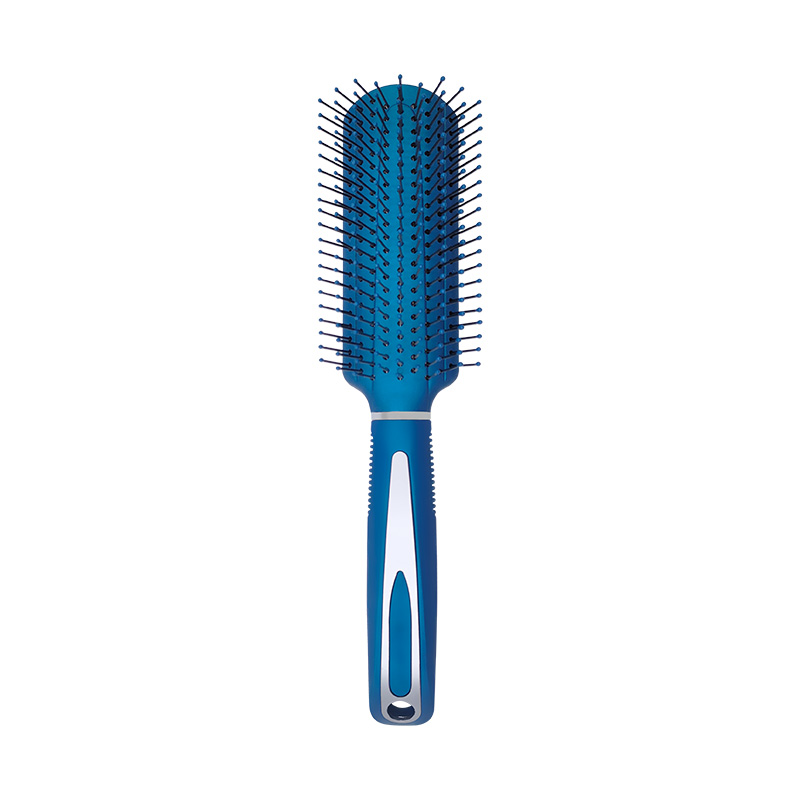
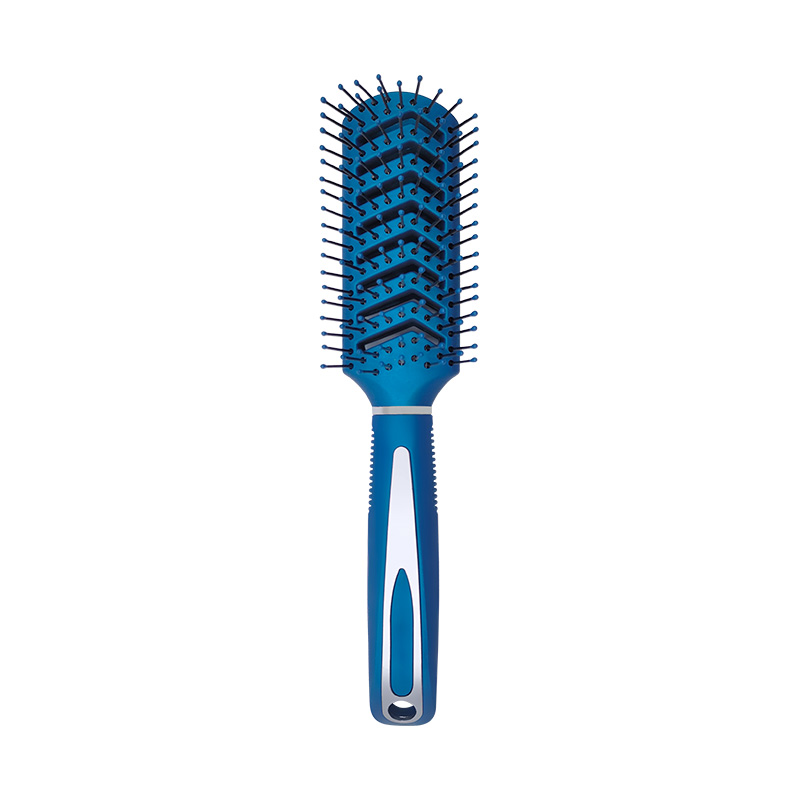
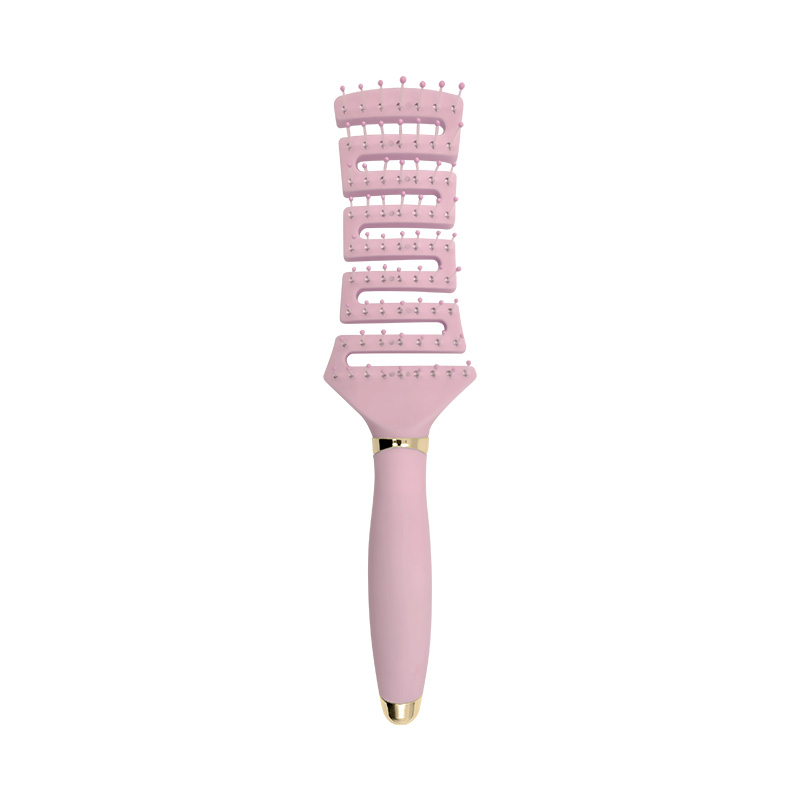
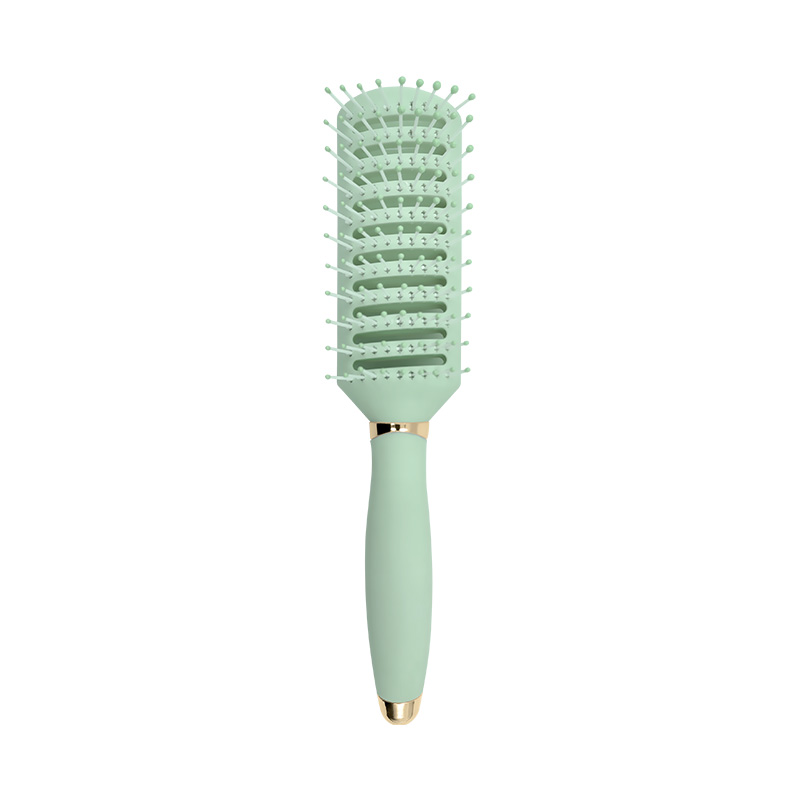
| Vent Brush | Quick drying, everyday brushing | Medium-thickness, layered hair |
| Teasing Brush | Adding volume and texture at root | Fine, limp, or thin hair |
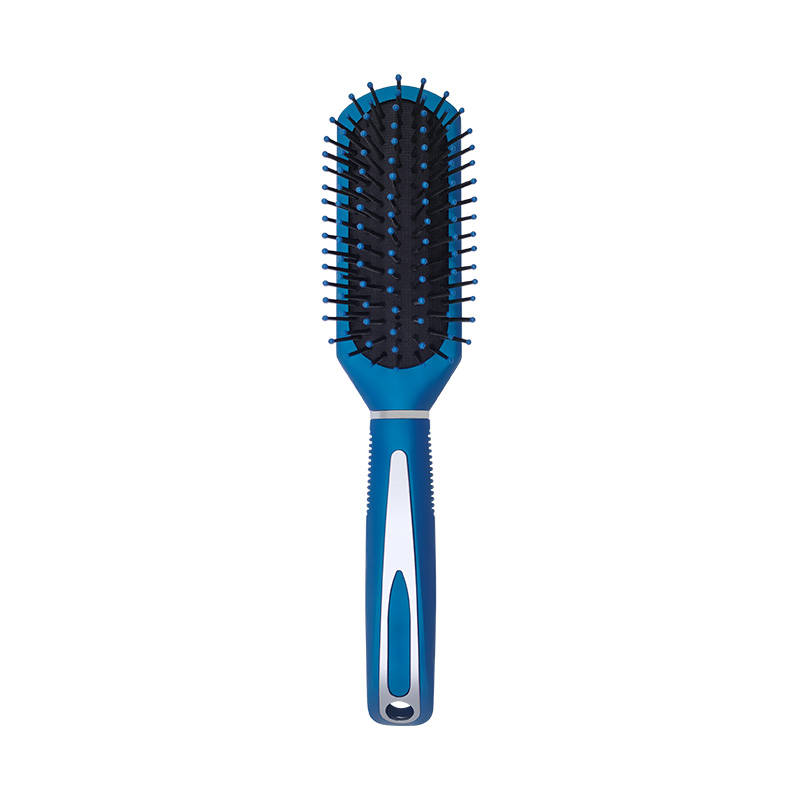
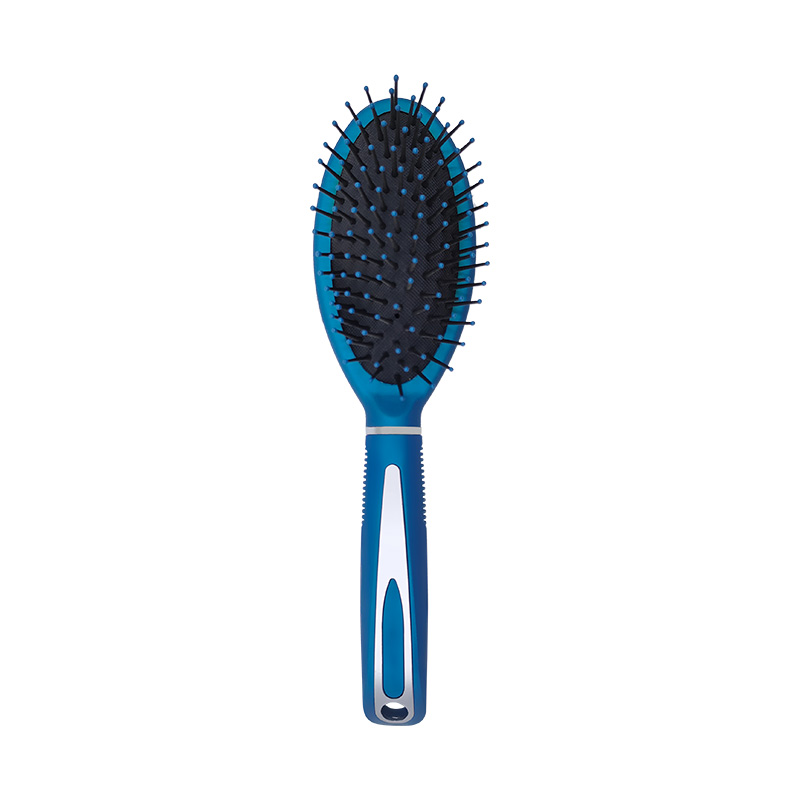
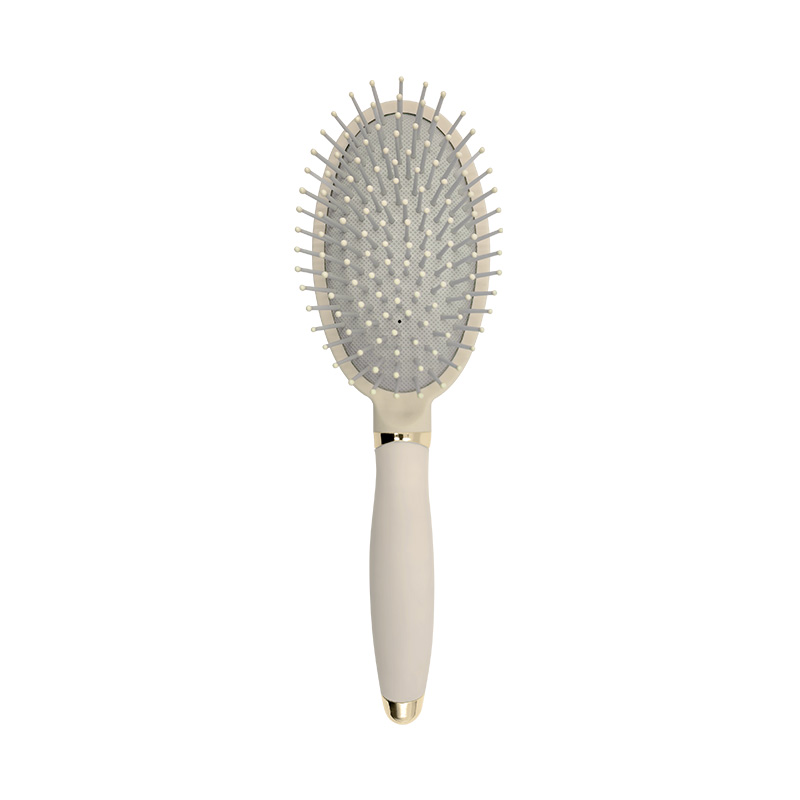
| Cushion Brush | Everyday smoothing and scalp care | Sensitive scalps, general use |
Best Hairbrush by Hair Type: Specific Recommendations
Fine or Thin Hair
Fine hair breaks easily and loses volume quickly. A 100% boar bristle brush is the top recommendation — its soft, tightly packed bristles glide through strands without pulling, while distributing scalp oils from root to tip for natural shine. Avoid stiff nylon bristles entirely, as they create static and breakage on fine hair.
For styling volume, a small-barrel round brush (25–38mm diameter) paired with a blow dryer adds lift at the roots without weighing strands down.
Thick or Coarse Hair
Thick hair requires firmer bristles to penetrate the hair mass. A mixed boar-and-nylon bristle paddle brush is the strongest performer for this type. The nylon pins detangle while boar bristles smooth the cuticle. Paddle brushes with cushioned bases (pneumatic cushions) are particularly effective — the cushion flexes with the scalp contour, reducing pulling force by up to 30% compared to rigid-base brushes.
Curly or Coily Hair (Types 3A–4C)
Curly hair is the most fragile structure due to its uneven protein distribution along each curl. Never brush curly hair when dry — it destroys curl pattern and causes extreme frizz. The correct tool is a wide-tooth detangling brush or a flexible paddle detangler used only on wet, conditioned hair.
For tighter coils (4A–4C), the Denman-style brush with flexible rubber-set nylon pins is a longstanding professional standard. It sections and defines curls without breaking them.
Color-Treated or Chemically Processed Hair
Chemical processes compromise the cuticle layer, leaving hair porous and prone to breakage. A soft boar bristle brush with a pneumatic cushion base is essential for this hair type. It minimizes mechanical stress while the natural bristles help seal the damaged cuticle, preserving color vibrancy longer. Avoid metal-pin brushes completely — they snag and tear weakened strands.
Wet Hair
Hair is up to 3× weaker when wet due to the disruption of hydrogen bonds in the cortex. Only wide-toothed combs or purpose-built wet detangling brushes — such as those with flexible, widely spaced pins — should be used on saturated hair. Wet brushes with SofTips technology (ball-tipped, ultra-flexible pins) are a common factory-standard design for this use case.
Bristle Materials Explained: What Hairbrush Factories Actually Use
Bristle type is the most technically significant variable in hairbrush manufacturing. Understanding the material helps you decode product labels accurately.
- 100% Boar Bristle: Sourced from wild or farmed boar, these bristles are structurally similar to human hair (both composed of keratin). They are gentle, flexible, and ideal for fine or normal hair. A quality hairbrushes factory grades boar bristles from 1st to 3rd cut — 1st cut is the finest and most expensive.
- Mixed Boar and Nylon: Nylon pins (typically 0.6–1.0mm diameter) are interspersed between boar tufts. This combination provides detangling power alongside oil distribution — the go-to for medium to thick hair.
- Nylon-Only Bristles: Durable, heat-resistant, and easy to clean. Common in styling brushes used with blow dryers. Ball-tipped nylon reduces scalp scratching. Best for normal to thick hair; too stiff for fine or fragile hair.
- Metal (Ion-Infused) Pins: Found in vented or thermal brushes. Conduct heat evenly for faster drying. Suitable for thick hair only; risk of tearing for fine or damaged hair.
- Synthetic Vegan Bristles: Plant-based or synthetic fiber alternatives to boar, increasing in quality as manufacturing technology improves. A growing category in premium hairbrush factory lines targeting cruelty-free markets.
How Round Brush Barrel Size Affects Your Style
Round brushes are the most size-sensitive tool in any brush collection. The barrel diameter determines the size and tightness of the curl or wave produced during blowout styling.
- 20–25mm (Small): Tight curls and ringlets. Best for short hair or precision styling around the face.
- 32–38mm (Medium): Soft waves and defined curls. The most versatile size, suited for shoulder-length hair.
- 44–55mm (Large): Smooth, voluminous blowouts with subtle bends. Best for medium to long hair seeking body without strong curl.
- 63mm+ (Extra-Large): Maximum volume and straightening effect. Preferred for long, thick hair in professional blowout services.
Ceramic-barrel round brushes retain heat better than metal or wood barrels, reducing total blow drying time by approximately 20% in controlled tests — a key spec highlighted in professional hairbrushes factory catalogs.
What to Look for When Buying From a Hairbrushes Factory or Supplier
Whether purchasing retail or sourcing wholesale from a hairbrushes factory, these are the production-level quality markers worth verifying:
- Bristle Anchoring Method: Hand-tied or machine-knotted bristle tufts set in drilled holes outperform glued tufts — glued bristles shed up to 5× faster under regular use.
- Cushion Quality: A pneumatic rubber cushion should compress smoothly and return to shape immediately. A cheap foam cushion collapses over time, losing its protective flex.
- Handle Ergonomics: Anti-slip rubber grips and balanced weight distribution reduce hand fatigue during extended styling sessions. Professional-grade brushes typically weigh between 90–150g.
- Barrel Coating (Round Brushes): Look for tourmaline or ceramic coatings rather than bare metal — they emit negative ions that reduce static and frizz during heat styling.
- Certifications: Reputable hairbrushes factories provide REACH compliance (EU chemical standard), cruelty-free certification for boar bristles, and ISO 9001 quality management certification for consistent production standards.
How to Clean and Maintain Your Hairbrush Properly
Even the highest-quality brush underperforms when clogged with shed hair, product residue, and skin cells. Brushes should be cleaned every 1–2 weeks for daily users. Dirty bristles redistribute oils and debris back onto clean hair, negating any styling benefit.
Basic Cleaning Process
- Remove trapped hair using a comb or the end of a rattail comb, working from the center outward.
- Fill a bowl with lukewarm water and 2–3 drops of clarifying shampoo or gentle dish soap.
- Swirl the brush bristle-side down for 30–60 seconds. Do not submerge wooden handles or cushion bases — prolonged water exposure warps wood and degrades rubber.
- Rinse under cool running water and shake excess moisture off.
- Lay bristle-side down on a clean towel and allow to air dry completely before use — typically 2–4 hours.
Boar bristle brushes require more gentle washing than nylon brushes. Harsh detergents strip the natural oils from boar bristles, making them brittle and less effective over time. Replace any brush whose bristles are splayed, broken, or unevenly worn — a compromised brush causes more damage than benefit.
Quick Reference: Matching Hair Type to the Right Brush
| Hair Type | Best Brush Style | Recommended Bristle | Avoid |
|---|---|---|---|
| Fine / Thin | Boar bristle brush, small round brush | 100% Boar | Stiff nylon, metal pins |
| Thick / Coarse | Cushion paddle brush | Mixed boar + nylon | Soft-only boar (insufficient penetration) |
| Curly / Coily | Wide detangling brush, Denman brush | Flexible nylon pins | Brushing dry, paddle brushes |
| Color-Treated | Soft boar bristle cushion brush | 100% or mixed boar | Metal pins, stiff nylon |
| Wet Hair | Wet detangling brush | Ultra-flexible ball-tipped nylon | All rigid-pin brushes |
| Normal / Medium | Cushion brush or vent brush | Mixed boar + nylon | No major restrictions |