

 en
en 简体中文
简体中文 English


Content
- 1 Core Benefits of Using a Barrel Hair Brush
- 2 Choosing the Right Barrel Size for Your Hair Type and Goal
- 3 Bristle Types and Their Specific Benefits
- 4 Benefits by Hair Type: Matching the Brush to Your Needs
- 5 How to Use a Barrel Brush for a Professional Blowout at Home
- 6 Barrel Brush vs. Other Brush Types: Why the Shape Matters
- 7 Care and Maintenance to Preserve Brush Performance
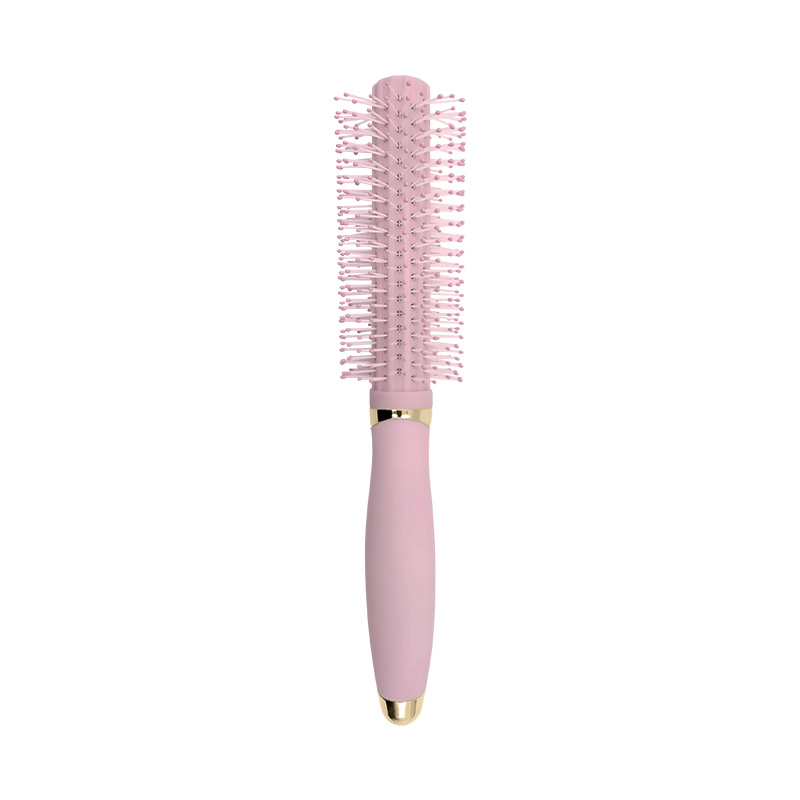
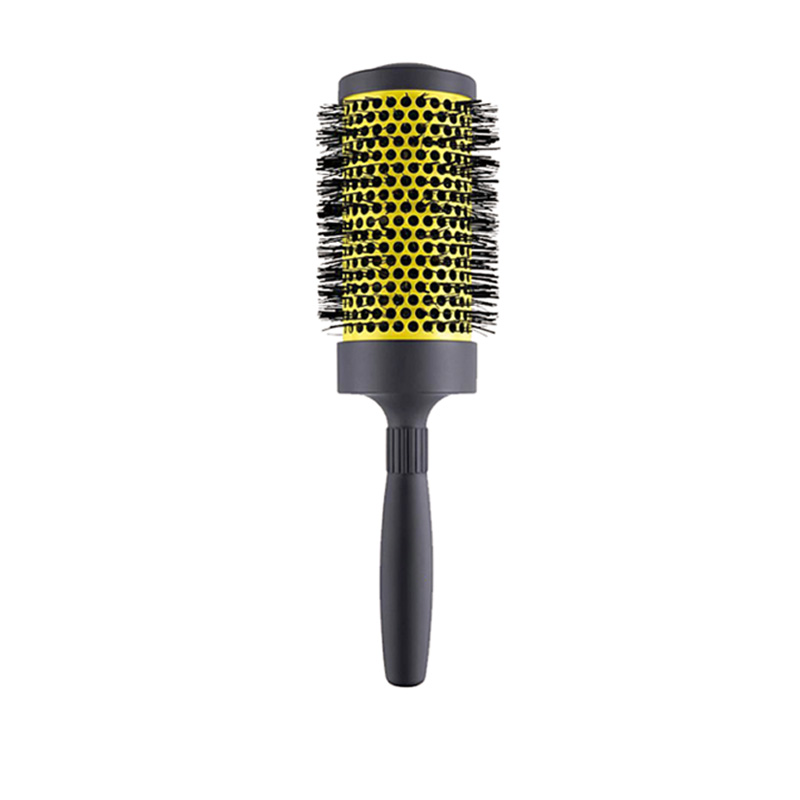
Barrel hair brushes—also called round brushes—benefit your hair by adding volume at the roots, smoothing the cuticle to reduce frizz, creating curls or waves without heat tools, and distributing natural scalp oils along the hair shaft. Unlike flat paddle brushes or detangling brushes, the cylindrical barrel shape allows hair to wrap around the brush as you blow-dry or style, giving you professional-level blowout results at home. Whether you have fine, thick, curly, or straight hair, the right barrel brush used correctly can transform your daily styling routine.
Core Benefits of Using a Barrel Hair Brush
The barrel shape is not aesthetic—it is functional. Each benefit below is a direct result of how the cylindrical form interacts with hair during styling.
Adds Volume and Lift at the Roots
Fine or flat hair loses volume quickly after washing. A barrel brush used with a blow-dryer lifts hair at the root by rolling the brush under the hair section and directing heat downward while pulling upward. The tension created as hair wraps around the barrel stretches the hair shaft slightly, and the heat sets this lifted shape as it cools. The result is root volume that can last 1–3 days, compared to the flat result produced by air-drying or using a paddle brush alone.
For maximum volume, a smaller barrel diameter (25–32mm) at the roots creates more lift than a large barrel, because the tighter curl angle pulls the root further away from the scalp before setting.
Smooths the Hair Cuticle and Reduces Frizz
Frizz is caused by the hair's outer cuticle layer lifting and catching moisture from the air. Blow-drying with a barrel brush while directing the airflow downward along the hair shaft flattens the cuticle scales, sealing the surface and reducing moisture absorption by up to 50% compared to air-dried hair with an open cuticle. This smoothing effect is most pronounced with natural boar bristle or mixed boar-nylon barrel brushes, whose softer bristles polish the surface as the hair glides through.
Creates Curls, Waves, and Bends Without Additional Heat Tools
A barrel brush effectively functions as a temporary curling rod during blow-drying. By wrapping hair around the barrel and applying heat from the dryer, then allowing the hair to cool on the brush before releasing, you set a wave or curl pattern that holds for hours. A 38–44mm barrel creates soft, loose waves suitable for medium to long hair, while a 25–32mm barrel produces tighter, bouncier curls. This technique eliminates the need for a separate curling iron for many styling goals, reducing total heat exposure.
Distributes Natural Scalp Oils Along the Hair Shaft
The scalp produces sebum—a natural conditioning oil—but it concentrates near the roots and rarely reaches mid-lengths and ends without mechanical distribution. Brushing with a barrel brush (particularly boar bristle versions) physically moves sebum from the scalp down the hair shaft with each stroke, naturally conditioning the hair without product. This is especially beneficial for people who wash their hair every 2–3 days, as regular brushing keeps mid-lengths and ends moisturized between washes.
Detangles While Styling—Saving Time
Barrel brushes with nylon or mixed bristles detangle hair as they smooth and style, combining two steps into one. Unlike fine-tooth combs that can catch and snap wet hair, a quality round brush with flexible pins glides through knots with less mechanical stress on the hair shaft, reducing breakage during the styling process.
Stimulates the Scalp for Improved Circulation
The pressure of bristle tips against the scalp during brushing stimulates blood microcirculation in the scalp's dermis layer. Improved blood flow delivers more oxygen and nutrients to hair follicles, supporting a healthy follicle environment. While barrel brushes are not a treatment for hair loss, regular scalp stimulation through brushing is a recognized complementary practice in scalp health maintenance, endorsed by trichologists as part of a comprehensive healthy hair routine.
Choosing the Right Barrel Size for Your Hair Type and Goal
Barrel diameter is the single most important specification when selecting a round brush. The wrong size produces disappointing results regardless of technique or quality.
| Barrel Diameter | Best Hair Length | Styling Result | Ideal For |
|---|---|---|---|
| 20–25mm (Small) | Short (pixie to bob) | Tight curls, strong root lift | Short styles, bangs, face framing |
| 32–38mm (Medium-Small) | Short to medium (chin to shoulder) | Defined curls, body, volume | Fine hair needing volume, lob styles |
| 44–50mm (Medium) | Medium to long (shoulder to mid-back) | Soft waves, smooth blowout | Most versatile all-round brush |
| 54–63mm (Large) | Long (mid-back and beyond) | Loose waves, sleek straight blowout | Thick hair, smoothing frizzy hair |
| 70mm+ (Extra Large) | Very long or thick hair | Straight, voluminous, salon blowout | Professional blowouts, coarse hair |
Bristle Types and Their Specific Benefits
The bristle material of a barrel brush determines how it interacts with your hair—affecting smoothness, grip, static, and scalp stimulation. Understanding the differences helps you select a brush matched to your hair's specific needs.
Boar Bristle
Natural boar bristles have a structure similar to human hair, with overlapping scales that grip and polish the hair cuticle simultaneously. They are ideal for fine to normal hair because they add shine, distribute oils evenly, and smooth frizz without creating too much tension. Pure boar bristle brushes are not recommended for thick or coarse hair—they lack the stiffness to detangle effectively without heavy pulling.
Mixed Boar and Nylon Bristle
The most versatile bristle combination, mixing boar bristle's polishing and oil-distributing properties with nylon pins that penetrate thicker hair to detangle. Mixed bristle brushes suit medium to thick hair and are the most widely recommended all-purpose choice by professional stylists. The nylon pins provide grip and penetration while boar bristles between them polish and smooth.
Pure Nylon or Plastic Bristle
Nylon-only bristles provide strong grip and are effective at detangling thick, curly, or coarse hair. They are more durable and easier to clean than boar bristle versions. The tradeoff is less smoothing and less oil distribution compared to natural bristle options—making them better for curl definition and detangling than for achieving a polished, frizz-free finish.
Ceramic-Coated Barrel
Many premium barrel brushes feature a ceramic or tourmaline-coated barrel core. Ceramic distributes heat evenly across the barrel surface, reducing hot spots that can cause localized heat damage, and cuts blow-drying time by up to 30% by radiating infrared heat into the hair from both the dryer and the brush simultaneously. Tourmaline coatings emit negative ions that neutralize positive-charge frizz, enhancing shine and smoothness.
Benefits by Hair Type: Matching the Brush to Your Needs
The benefits you get from a barrel brush vary depending on your natural hair texture and the concerns you are trying to address.
Fine Hair
Fine hair benefits most dramatically from barrel brushes. The root-lifting technique adds volume that fine hair cannot achieve through other styling methods without volumizing products. A 32–44mm boar bristle or mixed bristle brush on fine hair creates the illusion of significantly more body and thickness. The key is to use sections no wider than the barrel diameter so each section wraps fully around the brush.
Thick or Coarse Hair
Thick hair benefits from the tension and heat penetration a large barrel brush provides. A 54–70mm ceramic-coated barrel with nylon or mixed bristles smooths coarse texture, controls bulk, and creates the polished, sleek finish that is difficult to achieve with thick hair using any other tool. The ceramic barrel's even heat distribution is particularly important for coarse hair, which requires consistent heat to relax its structure.
Curly or Wavy Hair
For curly hair users who occasionally blow-dry straight, a large barrel brush with firm nylon or mixed bristles provides the tension needed to stretch curl pattern while blow-drying. Working in small sections with a concentrator nozzle on the dryer significantly reduces frizz and maximizes smoothing results. Those wishing to enhance—rather than eliminate—their curl pattern can use a barrel brush to define wave clusters without fully straightening.
Color-Treated or Damaged Hair
Chemically processed hair is more porous and prone to heat damage. A pure boar bristle barrel brush on low heat settings provides the gentlest styling option, smoothing without requiring extreme heat or aggressive brushing tension. The oil-distributing property of boar bristles is particularly valuable for color-treated hair, which tends to lose moisture faster than virgin hair.
How to Use a Barrel Brush for a Professional Blowout at Home
Technique matters as much as brush selection. Following these steps replicates the results of a professional salon blowout at home.
- Start with 70–80% dry hair. Blow-drying soaking wet hair with a round brush causes excessive heat exposure and reduces style hold. Rough-dry with your hands or a towel first, then begin using the brush.
- Section hair into manageable panels. Clip upper layers away and work from the bottom up. Sections should be no wider than the barrel diameter for complete wrap-around control.
- Place the brush beneath the section at the roots. Roll the brush away from the face or upward, depending on your volume goal, while holding the hair taut over the barrel with gentle tension.
- Follow the brush with the blow-dryer nozzle, keeping the airflow directed downward along the hair shaft from root to tip. Keep the dryer moving—holding heat in one spot for more than 3–5 seconds risks heat damage.
- Cool the hair on the brush before releasing. After applying heat to a section, switch the dryer to cool shot and hold for 5–10 seconds. This sets the style by allowing the hair's hydrogen bonds to reform in the new shape, dramatically improving longevity.
- Finish with a light hold product or shine spray applied to the hands and smoothed over the surface to seal the cuticle and add gloss.
Barrel Brush vs. Other Brush Types: Why the Shape Matters
Understanding how barrel brushes compare to flat and cushion brushes clarifies when to reach for each tool.
| Brush Type | Best Use | Volume Benefit | Curl/Wave Benefit | Smoothing Benefit |
|---|---|---|---|---|
| Barrel / Round Brush | Blow-drying, styling | Excellent | Excellent | Very Good |
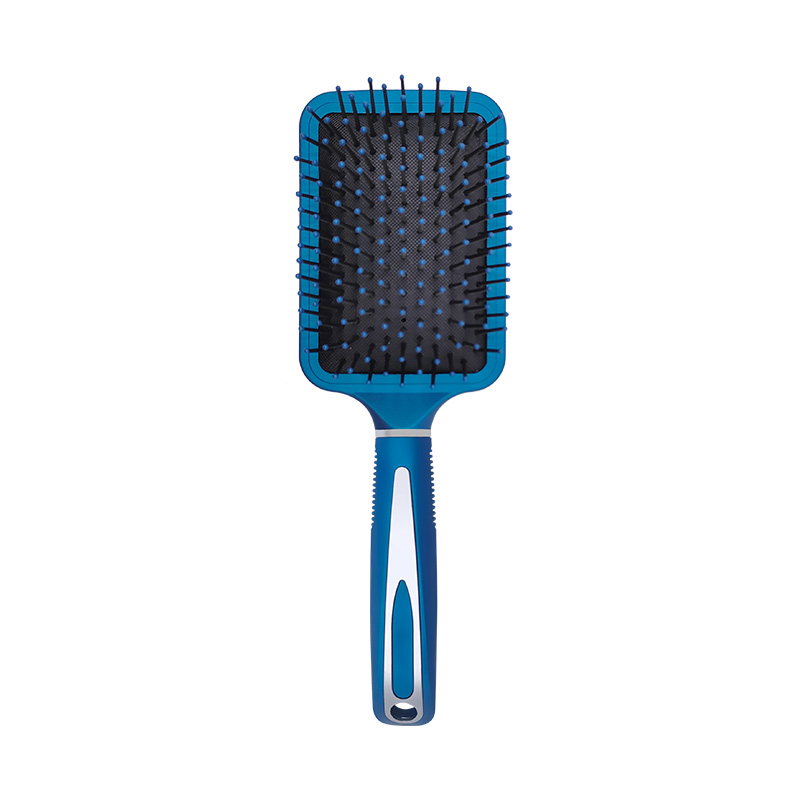
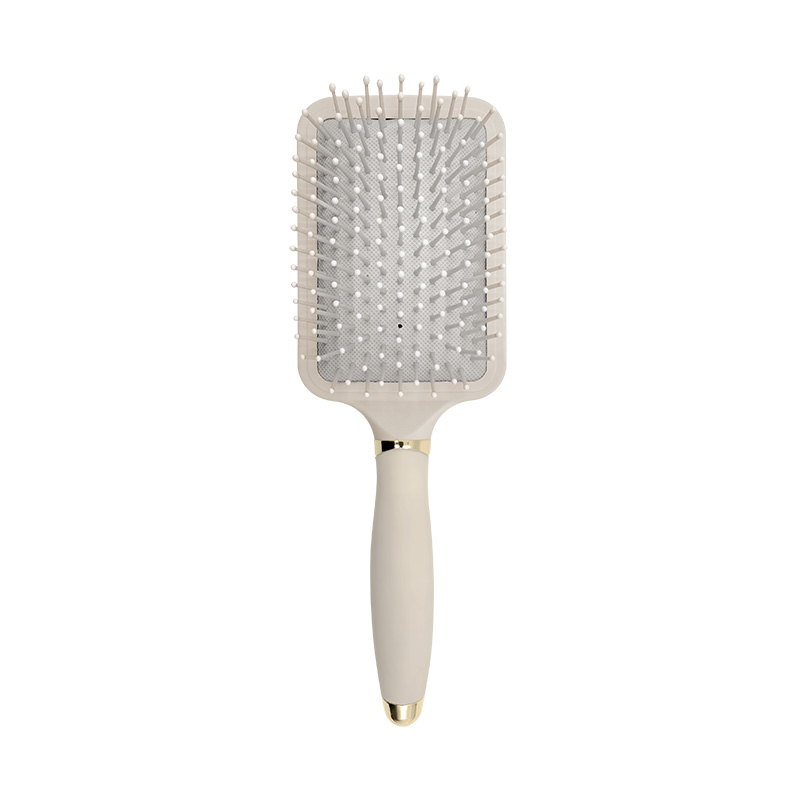
| Paddle Brush | Detangling, smoothing long hair | Minimal | None | Good |
| Cushion Brush | Daily brushing, scalp care | Low | None | Moderate |
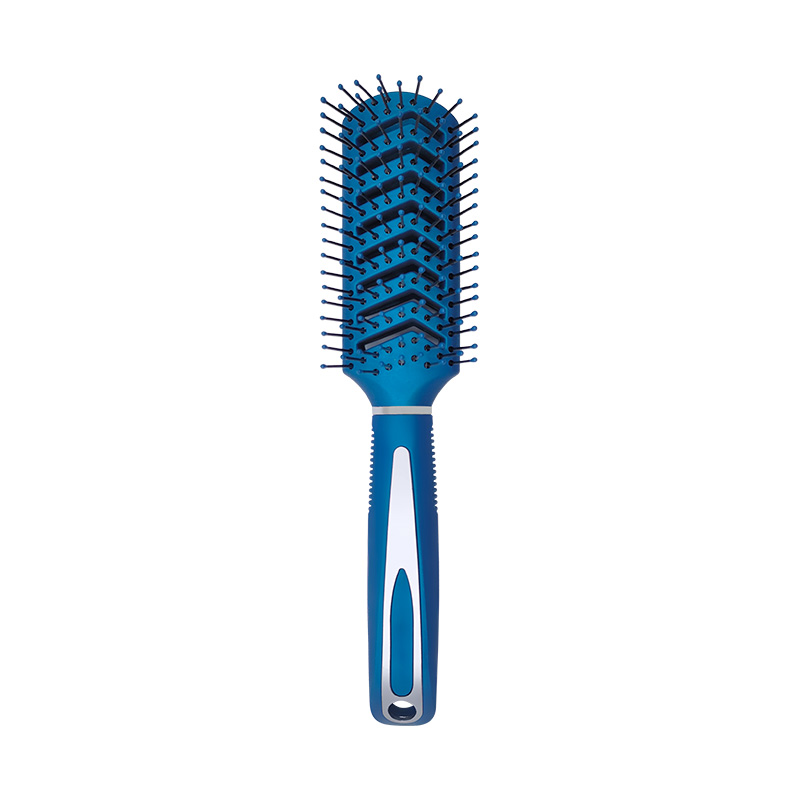
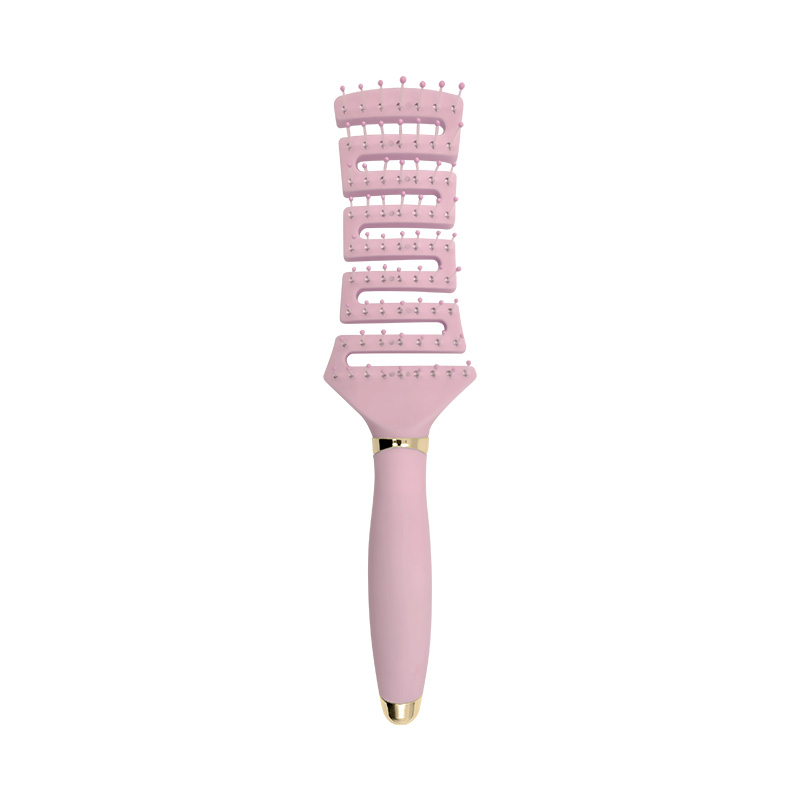
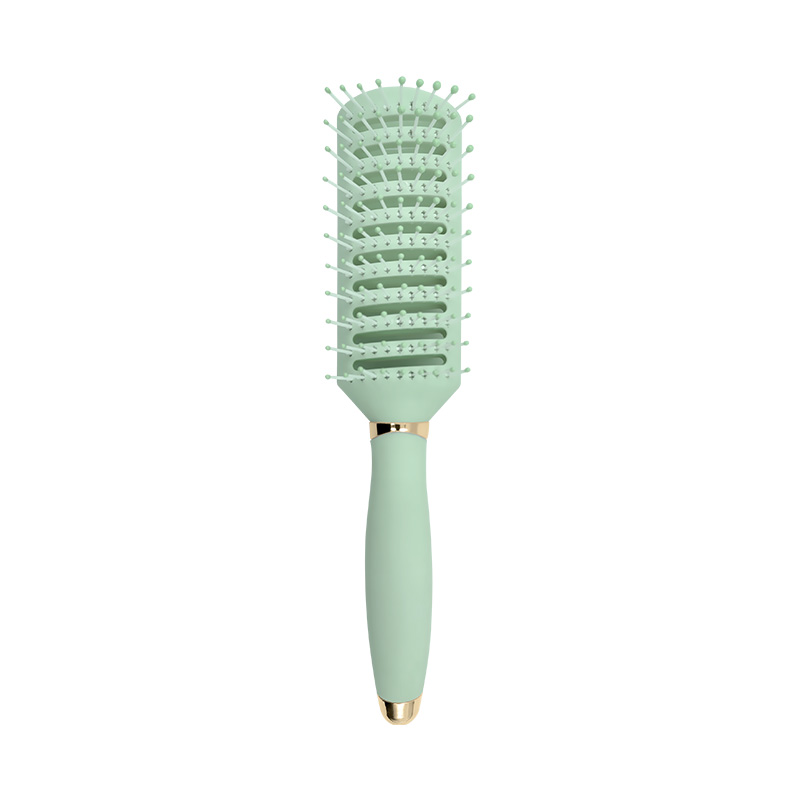
| Vented Brush | Quick rough-drying | Low–Moderate | None | Low |
| Teasing Brush | Backcombing, updos | Moderate (by backcombing) | None | None |
Care and Maintenance to Preserve Brush Performance
A barrel brush collects product residue, oil, and shed hair that degrade performance if not removed regularly. Proper maintenance extends the brush's life and preserves its styling effectiveness.
- Remove trapped hair after every use using a wide-tooth comb or the included cleaning pick. Hair wrapped around the barrel reduces bristle contact with new hair sections and degrades brushing performance.
- Deep clean every 1–2 weeks by soaking the bristle area in warm water with a small amount of gentle shampoo for 5–10 minutes, then agitating with an old toothbrush to loosen product buildup.
- Do not soak wooden-handled barrel brushes—water penetration causes wood to swell, crack, and eventually split the handle. Clean the bristle area only, keeping the handle dry.
- Allow to dry bristle-side down on a clean towel after washing. Drying bristle-up allows water to collect at the base of the bristles and in the handle, promoting mold growth in wooden or cushioned bases.
- Replace boar bristle brushes every 1–2 years with regular use, as natural bristles wear down and lose their polishing and oil-distributing properties. Nylon bristle brushes last longer but should be replaced when pins begin to splay outward or become permanently bent.