

 en
en 简体中文
简体中文 English


Content
- 1 China: The Dominant Global Hairbrush Manufacturing Hub
- 2 India: A Growing Hairbrush Manufacturing Base
- 3 Europe: Germany and Italy for Premium and Professional Brushes
- 4 South Korea and Taiwan: Technology-Driven Hairbrush Manufacturing
- 5 Global Hairbrush Manufacturing by Region: At a Glance
- 6 Inside a Hairbrush Factory: How Brushes Are Made
- 7 How to Evaluate and Source from a Hairbrush Factory
- 8 Emerging Trends Reshaping Hairbrush Factory Production
The majority of the world's hair brushes are manufactured in China, which accounts for an estimated 70–80% of global hairbrush production. Other significant manufacturing countries include India, Germany, Italy, South Korea, and Taiwan. Each region brings a distinct production profile — from high-volume, cost-competitive factories in China to precision craft workshops in Europe that supply luxury and professional salon brands.
Understanding where hairbrushes are manufactured matters whether you are a retailer sourcing private-label products, a brand owner evaluating factory partnerships, or a consumer wanting to know what's behind the product in your bathroom. This article breaks down every major manufacturing region, what their factories specialize in, and what questions to ask before placing an order.
China: The Dominant Global Hairbrush Manufacturing Hub
China's hairbrush manufacturing industry is concentrated in several key provinces. Guangdong, Zhejiang, and Jiangsu together host the largest density of hairbrush factories, with Guangdong's Pearl River Delta region — particularly cities like Dongguan, Zhongshan, and Shenzhen — serving as the epicenter of plastic and mixed-material brush production.
Why China Dominates Hairbrush Production
- Vertically integrated supply chains: Chinese factories can source nylon bristles, boar hair, rubber cushions, wooden handles, and plastic bases within a 50–200 km radius of the factory, dramatically reducing lead times and component costs.
- Scale of production: A mid-sized Guangdong hairbrush factory typically produces 500,000–2,000,000 units per month, enabling cost structures that no other region can match at comparable volumes.
- OEM and ODM flexibility: Most Chinese hairbrush factories offer both OEM (manufacture to buyer's design) and ODM (develop proprietary designs for buyer branding), giving international buyers significant product customization options.
- Export infrastructure: Proximity to major ports — Guangzhou, Ningbo, Shanghai — enables fast, cost-effective shipping to North America, Europe, and Australia.
What Chinese Hairbrush Factories Produce
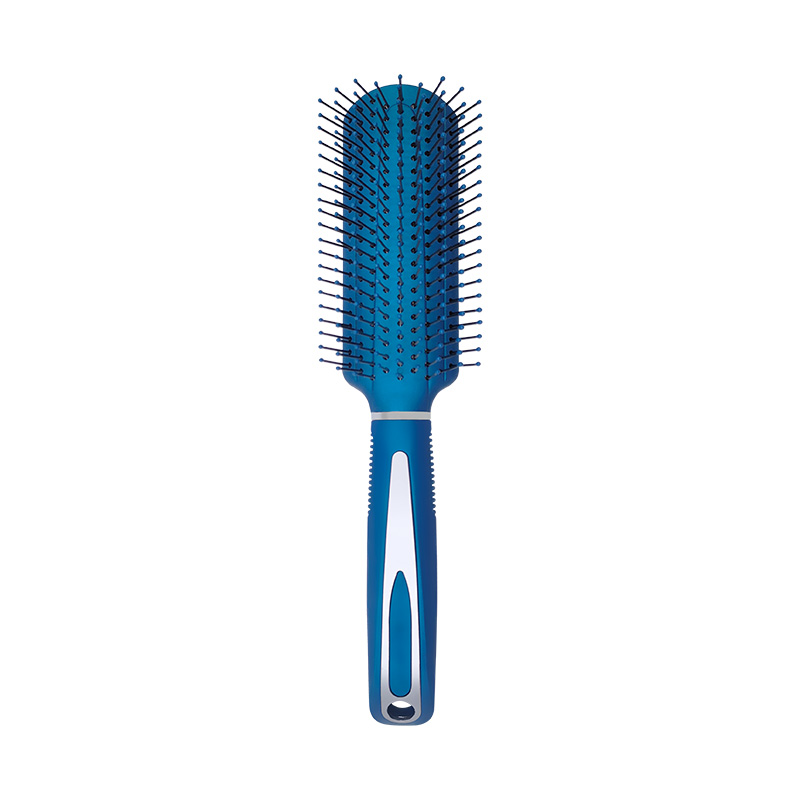
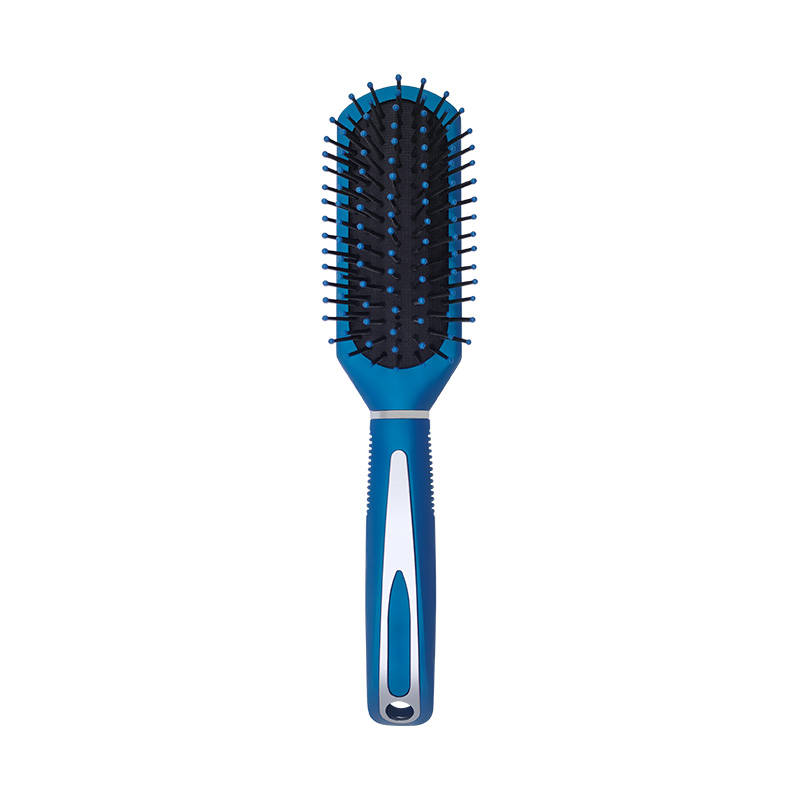
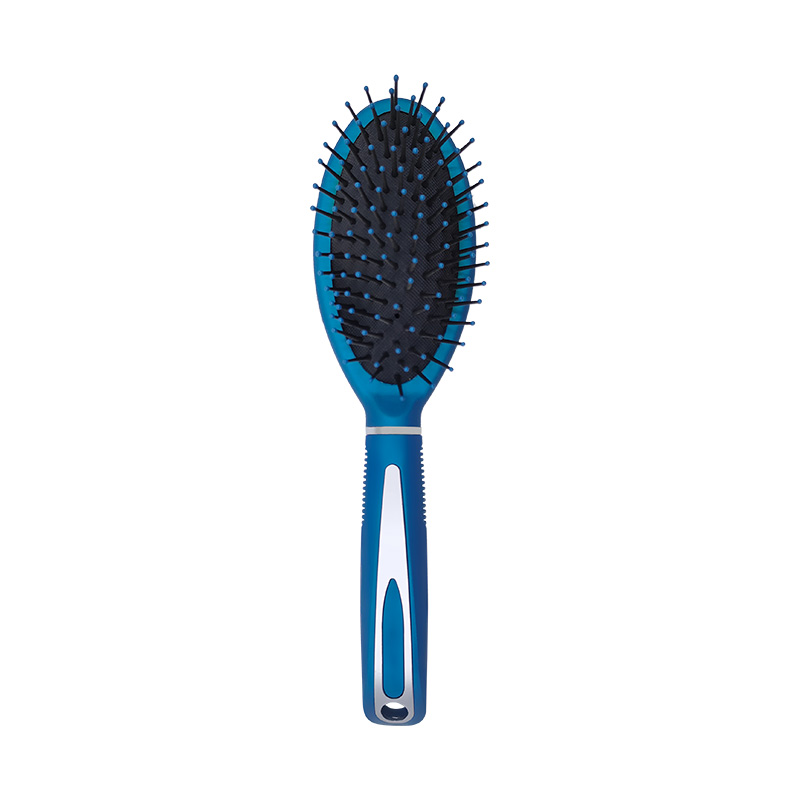
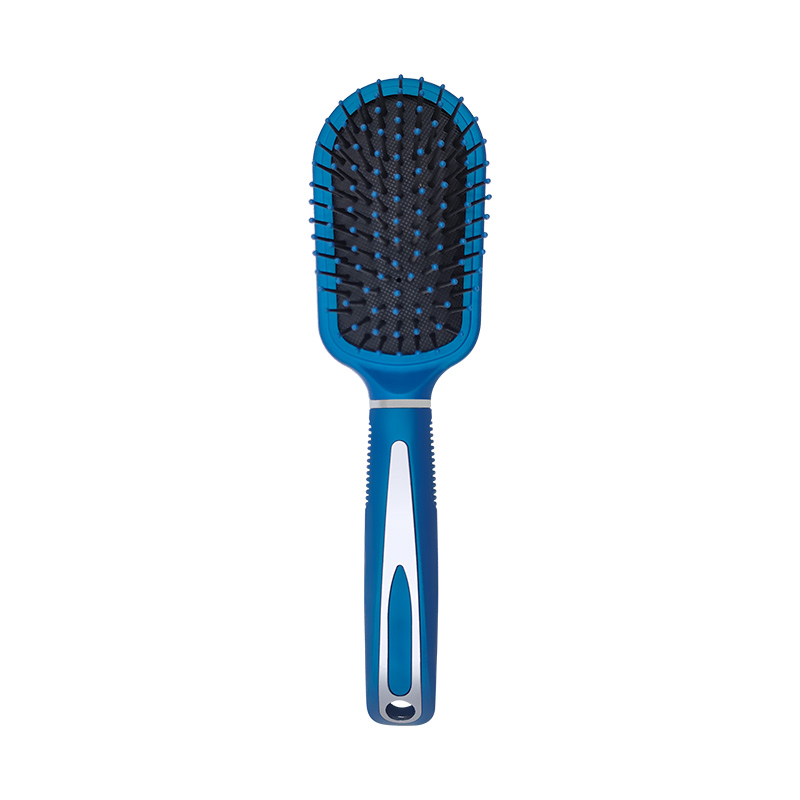
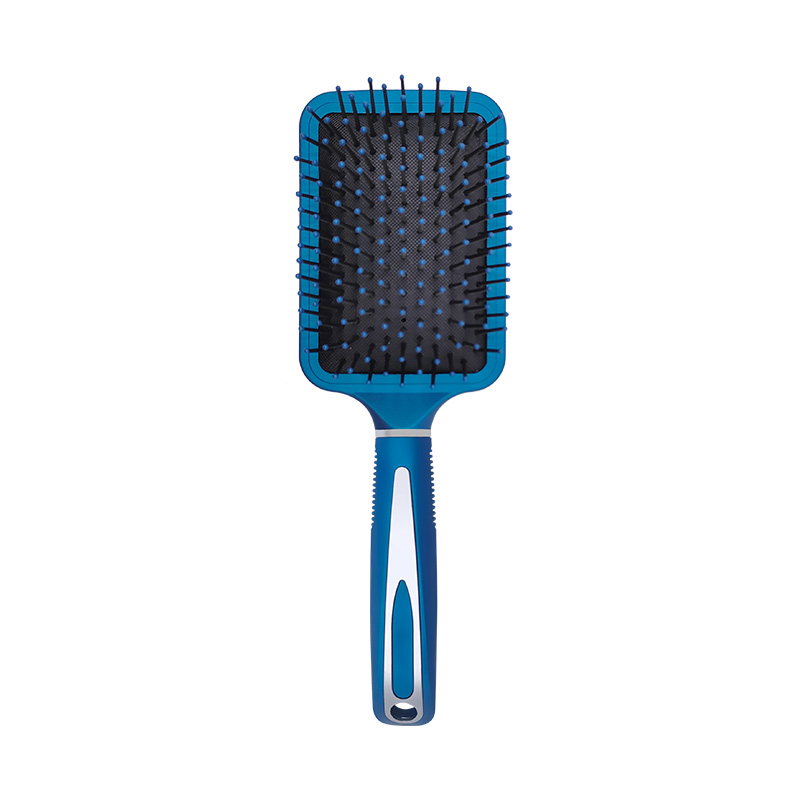
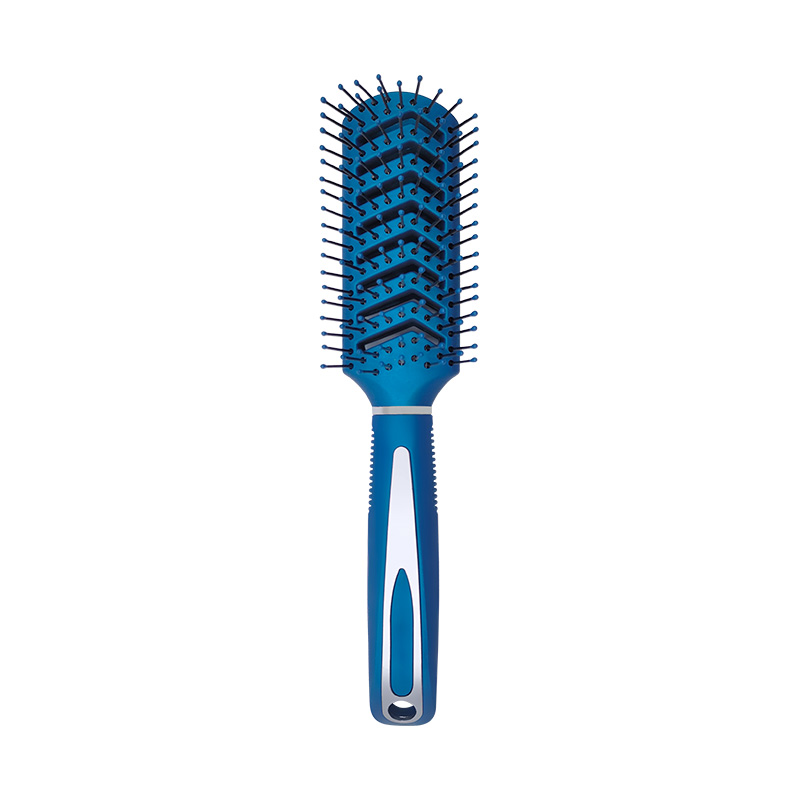
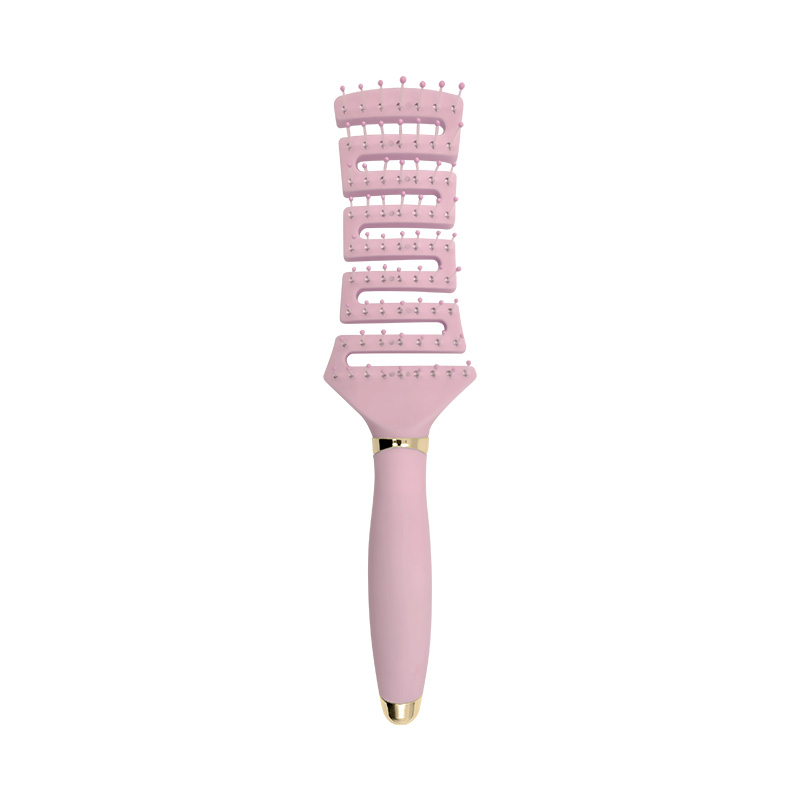
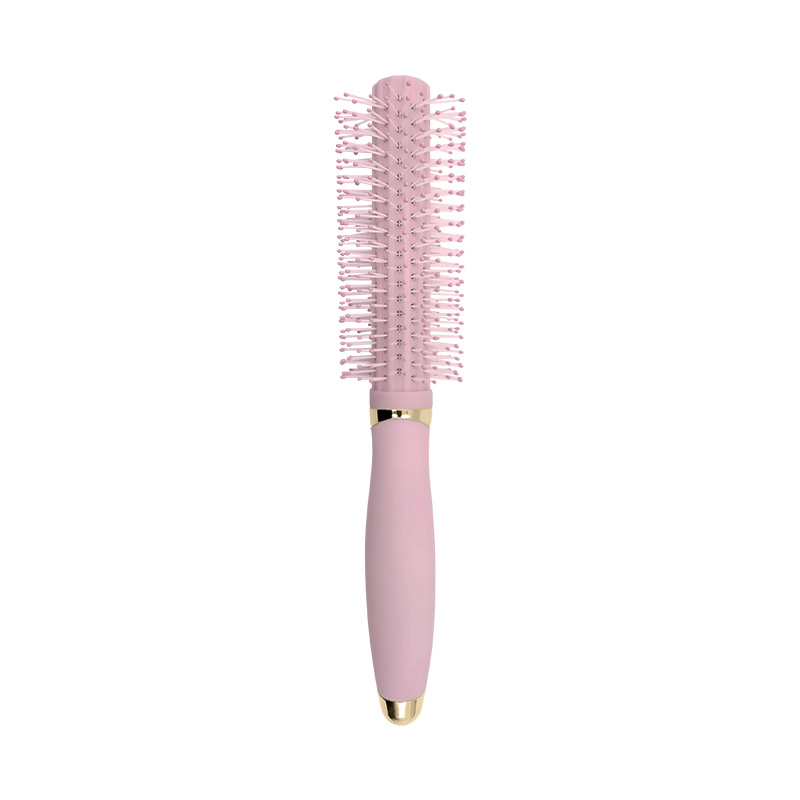
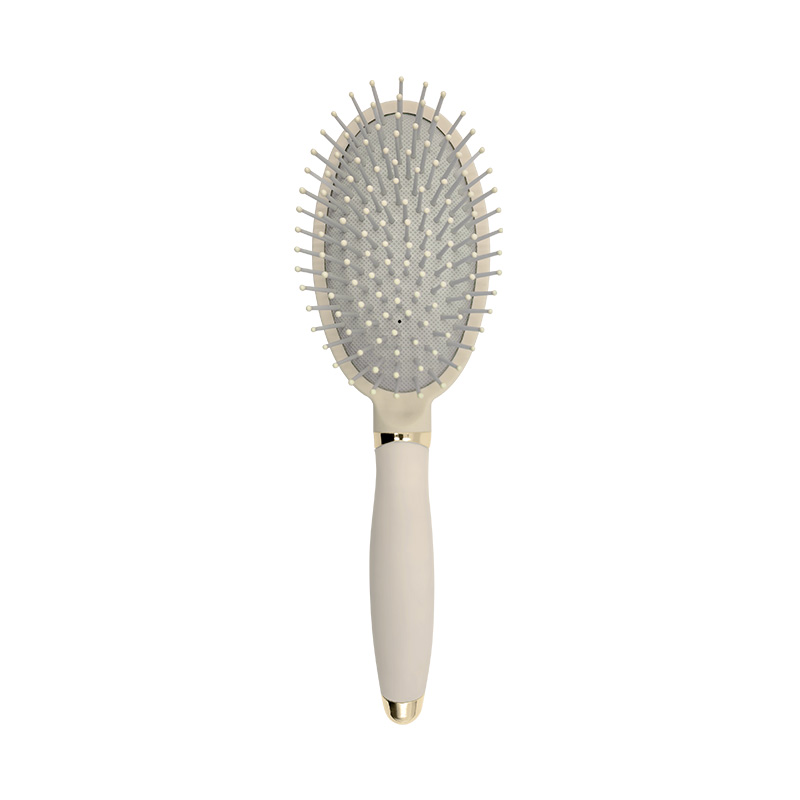
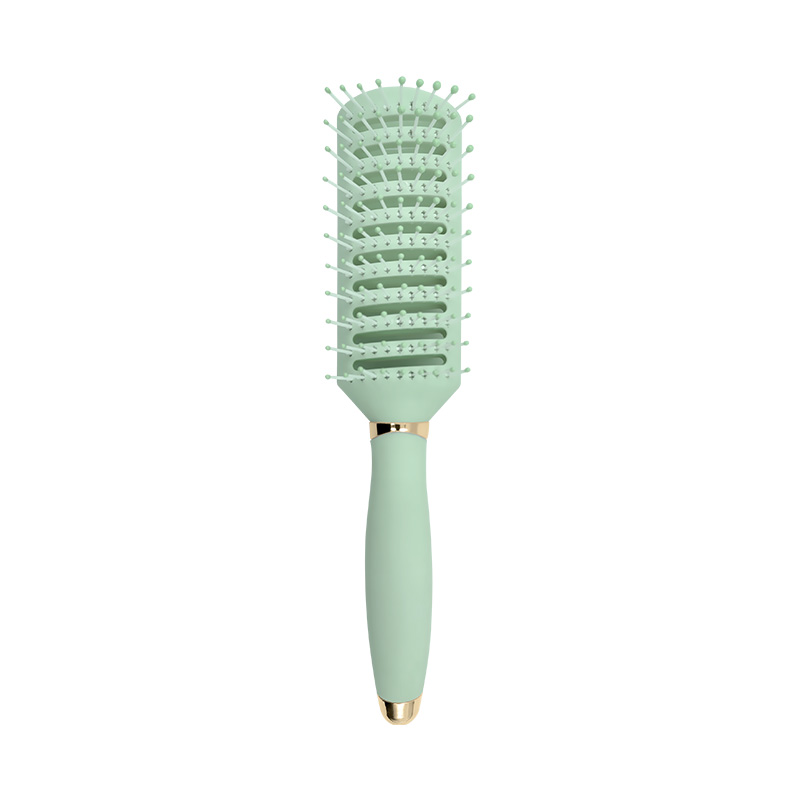
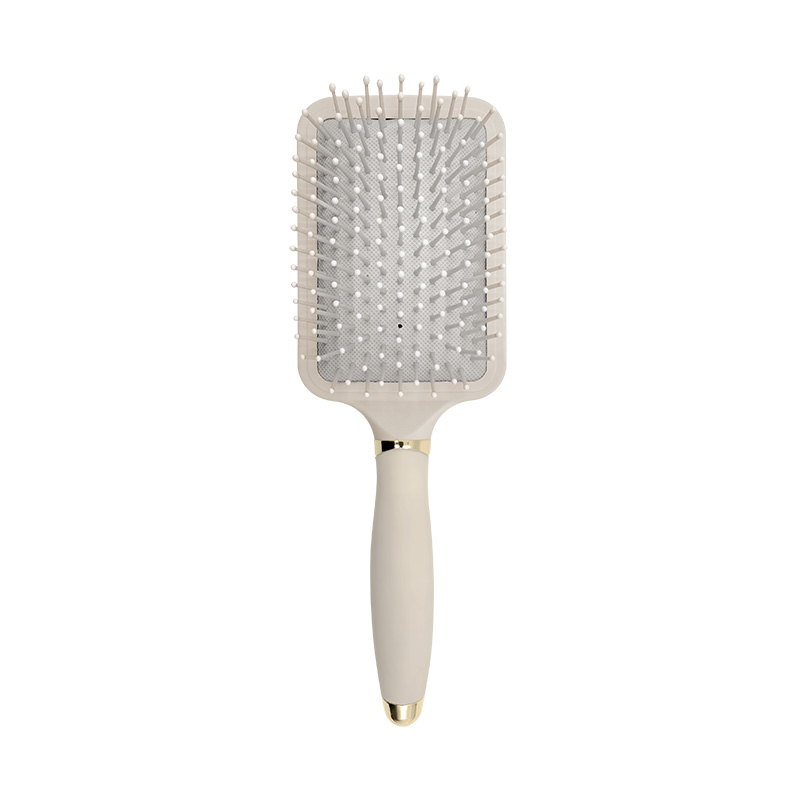
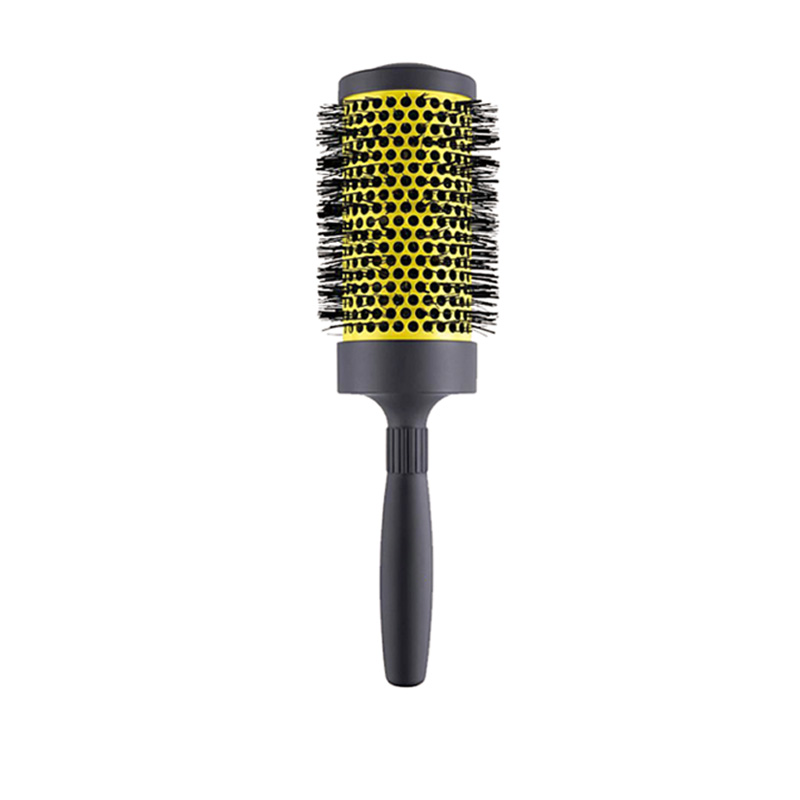
Chinese factories manufacture the full spectrum of hairbrush types: paddle brushes, round brushes, detangling brushes, boar bristle brushes, vented brushes, and professional salon tools. Many factories also produce electric heated brushes and styling brush attachments for global beauty brands. Factories in Yiwu (Zhejiang) specialize in lower-cost promotional and retail-tier brushes, while factories in Shenzhen and Dongguan tend to handle more technically demanding, higher-margin professional products.
India: A Growing Hairbrush Manufacturing Base
India is the world's second-largest hairbrush manufacturing country by volume. Production is primarily concentrated in Mumbai (Maharashtra), Delhi NCR, and Tamil Nadu. Indian factories have a particular advantage in natural bristle brushes: India is one of the largest processors of boar hair and other animal-derived bristle materials, giving factories direct access to raw materials at lower costs than their Chinese counterparts.
Indian hairbrush factories have historically supplied domestic markets and neighboring regions, but export volumes to Europe and the Middle East have increased by approximately 15–20% annually over the last five years, driven by competitive labor costs and improving quality certifications. Factories in Mumbai's industrial zones produce an estimated 10–15 million hairbrushes per year for export.
Europe: Germany and Italy for Premium and Professional Brushes
European hairbrush manufacturing is a smaller but highly significant segment, focused almost entirely on premium, professional, and luxury products. Two countries lead this category.
Germany
Germany has a centuries-old brush-making tradition centered in the Nuremberg and Bavaria regions. German hairbrush factories are known for engineering precision, with products sold to professional hairdressers and high-end department stores worldwide. Companies such as Redecker and Hans Kümmel manufacture brushes using traditional hand-set bristle techniques that Chinese factories cannot cost-effectively replicate at the same quality tier. A German-made boar bristle hairbrush retails for €40–€150, compared to €8–€25 for Chinese-made equivalents.
Italy
Italian hairbrush manufacturing is concentrated in Lombardy and Tuscany, often operating as small-to-medium artisan factories supplying luxury fashion houses and professional salon brands. Italian factories excel in wooden-handle craftsmanship, using domestic hardwoods and hand-finishing techniques. Many Italian-made brushes are sold under private labels for French and British luxury beauty brands.
South Korea and Taiwan: Technology-Driven Hairbrush Manufacturing
South Korea and Taiwan occupy a distinct niche in hairbrush manufacturing — they specialize in technologically advanced and K-beauty-aligned products, including ionic hairbrushes, anti-static brushes, and brushes with integrated heat-resistant coatings. South Korean factories in the Seoul metropolitan area and Incheon supply major K-beauty brands domestically and export to Japan, Southeast Asia, and increasingly to the United States.
Taiwanese factories, concentrated in Taipei and Taichung, are known for higher-precision injection molding and quality control systems, making them preferred suppliers for Japanese cosmetics brands that require tighter manufacturing tolerances than mass-market production demands.
Global Hairbrush Manufacturing by Region: At a Glance
| Country / Region | Key Manufacturing Zones | Specialization | Market Tier | Est. Global Share |
|---|---|---|---|---|
| China | Guangdong, Zhejiang, Jiangsu | All brush types, OEM/ODM, volume | Budget to mid-range | 70–80% |
| India | Mumbai, Delhi NCR, Tamil Nadu | Natural bristle, boar hair brushes | Budget to mid-range | 8–12% |
| Germany | Bavaria, Nuremberg | Precision, hand-set bristle brushes | Premium to luxury | 2–4% |
| Italy | Lombardy, Tuscany | Artisan wooden-handle brushes | Premium to luxury | 1–2% |
| South Korea | Seoul, Incheon | Ionic, K-beauty, tech brushes | Mid-range to premium | 2–3% |
| Taiwan | Taipei, Taichung | Precision molding, Japan-export | Mid-range to premium | 1–2% |
Inside a Hairbrush Factory: How Brushes Are Made
Understanding the manufacturing process helps buyers evaluate factory capabilities and quality claims. A full-production hairbrush factory handles several distinct stages.
Handle and Base Production
Plastic handles and cushion bases are produced via injection molding, using ABS plastic, PP, or TPR rubber compounds. A single injection mold tool costs between $3,000–$15,000 USD depending on complexity, which is why minimum order quantities at factories typically start at 1,000–5,000 units — the volume required to amortize tooling costs. Wooden handles are turned on CNC lathes and sanded to a finish in a separate workshop section.
Bristle Setting
Bristle insertion is either machine-tufted (standard for nylon and synthetic bristles, rates of 800–1,200 tufts per minute) or hand-set (used for natural boar hair or mixed-bristle premium brushes). Machine tufting involves drilling holes in the base, inserting folded bristle bundles, and anchoring them with a metal staple or anchor wire. Hand-setting is used in European factories and some premium Chinese facilities, producing denser, more precisely positioned bristle patterns.
Assembly, Trimming, and Quality Control
After tufting, brushes are trimmed to uniform bristle height using rotary cutting machines, then rounded or feathered at the tips. Quality control checks include bristle pull-out force testing (bristle bundles should withstand at minimum 5–10 N of pull force), handle impact testing, and bristle tip inspection under magnification to verify rounded, non-sharp ends — a requirement for all EU and US market brushes.
How to Evaluate and Source from a Hairbrush Factory
For buyers looking to source directly from hairbrush factories — whether for private label, branded product, or retail supply — the evaluation process should cover several critical areas.
Certifications to Require
- ISO 9001: Confirms a documented quality management system is in place — a baseline requirement for any serious factory relationship.
- REACH compliance (EU): Verifies that plastic and rubber materials do not contain restricted chemical substances above legal thresholds.
- CPSC compliance (US): Required for products sold in the United States, covering material safety and physical hazard standards.
- BSCI or SMETA audit: Confirms ethical labor practices — increasingly required by European and Australian retail chains before onboarding new suppliers.
Key Questions to Ask a Hairbrush Factory
- What is your minimum order quantity (MOQ) for custom designs, and what are the tooling costs?
- Do you own your injection molds, or do you outsource molding to a third-party supplier?
- What bristle materials do you use as standard, and can you source natural boar hair or bamboo alternatives?
- What is your average lead time from order confirmation to ex-works shipment?
- Can you provide third-party material safety test reports for the bristles and handle materials?
- What is your defect rate, and what is your policy for out-of-spec goods?
Emerging Trends Reshaping Hairbrush Factory Production
The hairbrush manufacturing industry is shifting in response to sustainability demands, material innovation, and supply chain diversification following disruptions in 2020–2022.
- Sustainable materials: Factories in China and Europe are increasingly offering handles made from bamboo, recycled ABS, and bio-based plastics. Bamboo hairbrush lines from Chinese factories now represent a fast-growing sub-category, with major retailers requesting bamboo options across all price tiers.
- Vietnam and Bangladesh as emerging alternatives: Some buyers are diversifying away from China-only sourcing, with hairbrush assembly operations beginning to establish in Vietnam (Ho Chi Minh City) and Bangladesh, leveraging lower labor costs for simple assembly tasks while still importing Chinese components.
- Shorter runs and faster turnaround: The growth of DTC (direct-to-consumer) brands has pushed factories to reduce MOQs — some Chinese factories now accept orders as low as 500 units for standard mold designs, compared to 3,000–5,000 units five years ago.
- Smart and heated brush technology: South Korean and Chinese factories are investing in production lines for electrically heated styling brushes and vibration-assisted detangling brushes — a segment that grew by over 30% in global retail sales between 2021 and 2024.