

 en
en 简体中文
简体中文 English


Content
- 1 Quick Reference: Hairbrush Types by Hair Type and Use
- 2 Classic Hairbrushes: The Foundation of Every Hair Routine
- 3 Barrel Hairbrushes: Styling, Volume, and Blow-Dry Results
- 4 Wooden Hairbrushes: Natural Materials for Healthier Hair and Scalp
- 5 Eco Hairbrushes: Sustainable Design Without Compromising Performance
- 6 Kids' Hairbrushes: Gentle Design for Sensitive Scalps and Fine Hair
- 7 Trendy Hairbrushes: What's Popular Now and Why It Works
- 8 Bristle Materials Compared: What Each Type Actually Does
- 9 How to Clean and Maintain Any Hairbrush Type
The right hairbrush type makes a measurable difference in hair health, styling results, and scalp condition. The main categories are classic paddle and cushion brushes for everyday detangling, barrel brushes for blow-dry styling and volume, wooden brushes for scalp stimulation, eco brushes for sustainability-conscious buyers, and specialist kids' brushes designed for fine or sensitive hair. Trendy brushes — including boar-bristle hybrids, wide-tooth detanglers, and aesthetically designed sets — now overlap with all of these categories. Choosing correctly starts with knowing your hair type, then matching it to the brush's bristle material, pad design, and intended function.
Quick Reference: Hairbrush Types by Hair Type and Use
Before diving into each category, this overview matches the most common hair types and styling goals to the brush type most suited to them:
| Hair Type / Goal | Best Brush Type | Key Feature |
|---|---|---|
| Thick, long, or tangled hair | Paddle brush | Wide head covers more surface area |
| Fine or thinning hair | Boar bristle / classic soft brush | Gentle, distributes natural oils |
| Blow-dry volume and smoothness | Round / barrel brush | Creates tension and lift at roots |
| Curly or coily hair | Wide-tooth detangling brush | Minimizes breakage and frizz |
| Scalp stimulation and shine | Wooden bristle brush | Natural pins reduce static |
| Children's fine hair | Kids' soft-bristle brush | Extra-flexible, gentle on scalp |
| Eco-conscious everyday use | Eco / sustainable brush | Bamboo, recycled, or biodegradable |
Classic Hairbrushes: The Foundation of Every Hair Routine
Classic hairbrushes have remained largely unchanged in design for over a century because their core function — detangling, smoothing, and distributing scalp oils from root to tip — does not require reinvention. What has changed is the range of bristle materials and cushion pad technologies available within the classic form.
Paddle Brushes
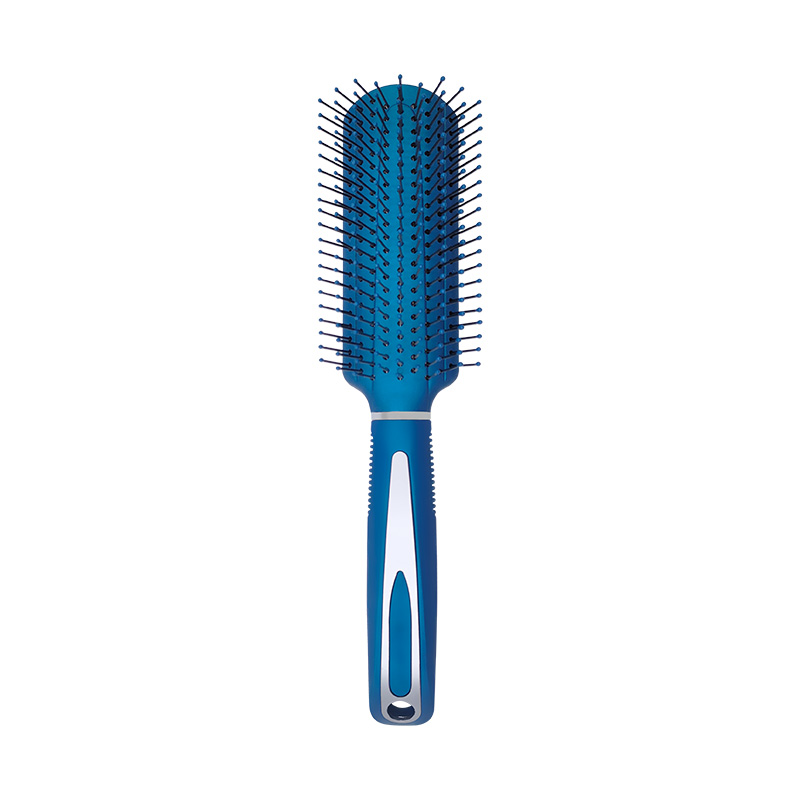
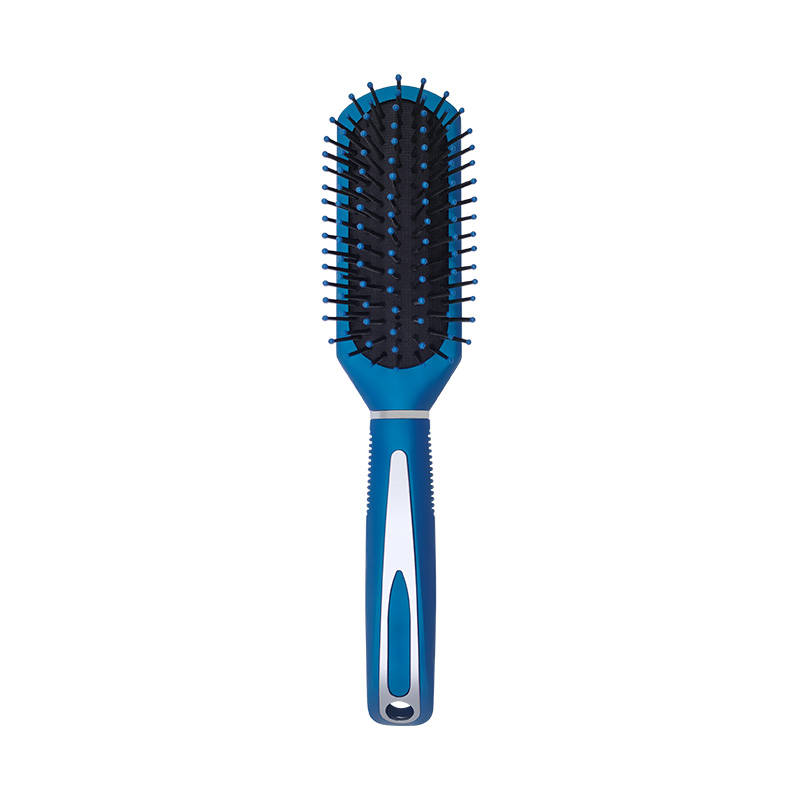
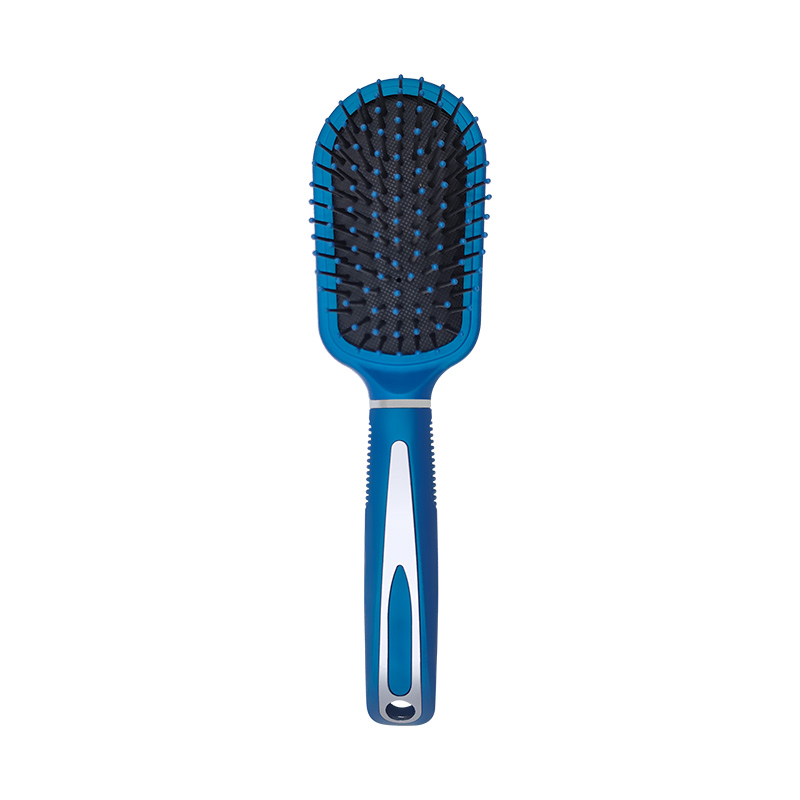
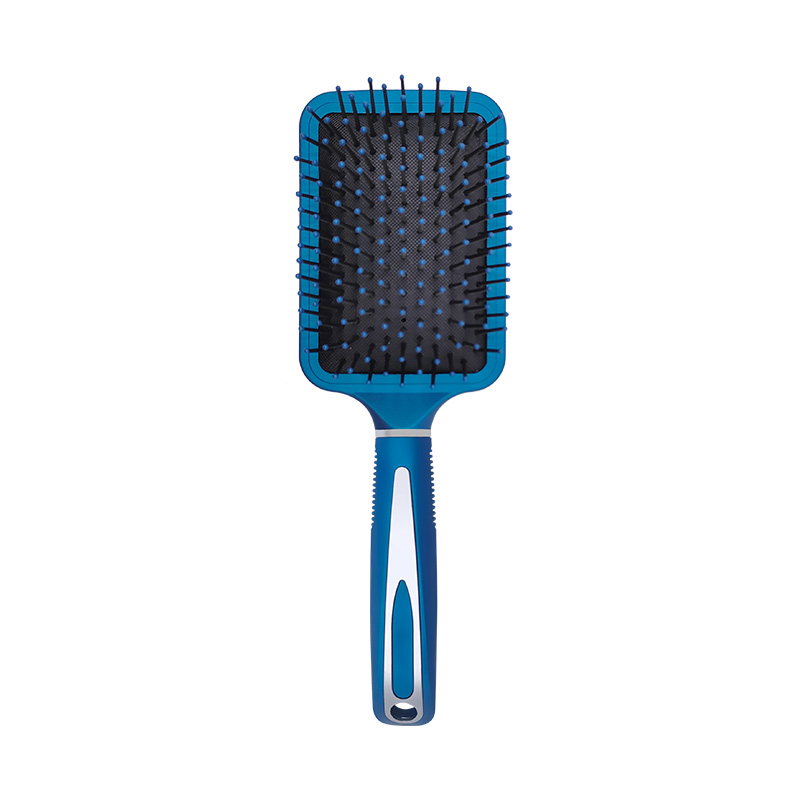
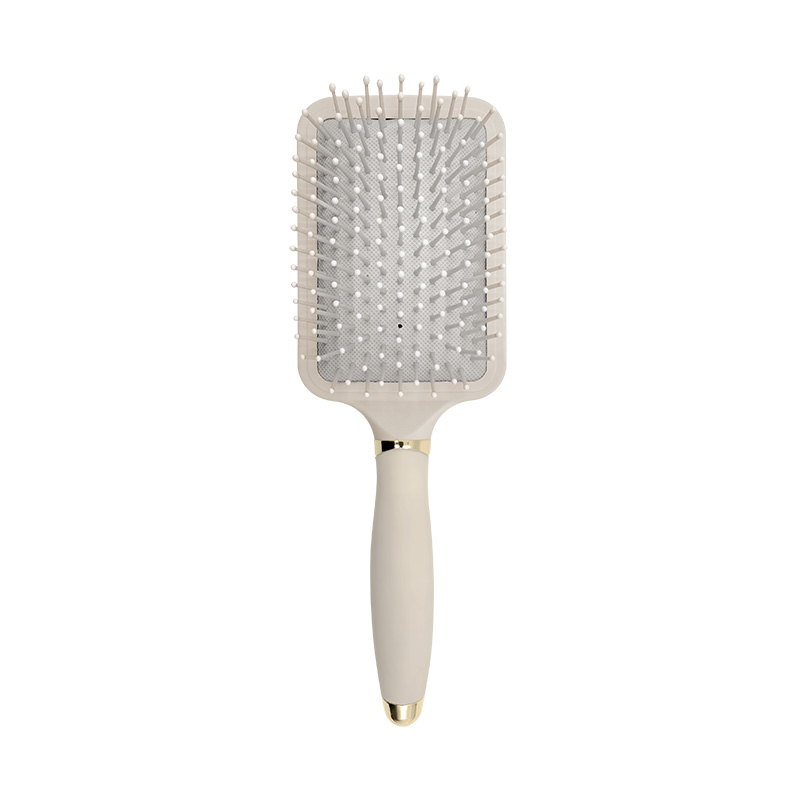
The paddle brush is the most widely used classic brush type. Its flat, wide head — typically 70–100 mm wide — covers a large section of hair in each stroke, making it the fastest option for detangling and smoothing medium to long hair. The cushioned air-pad base allows bristles to flex independently, reducing scalp pressure. Paddle brushes with mixed boar and nylon bristles offer a balance between grip (nylon) and polish (boar), making them suitable for straight to wavy hair of most thicknesses.
Cushion Brushes
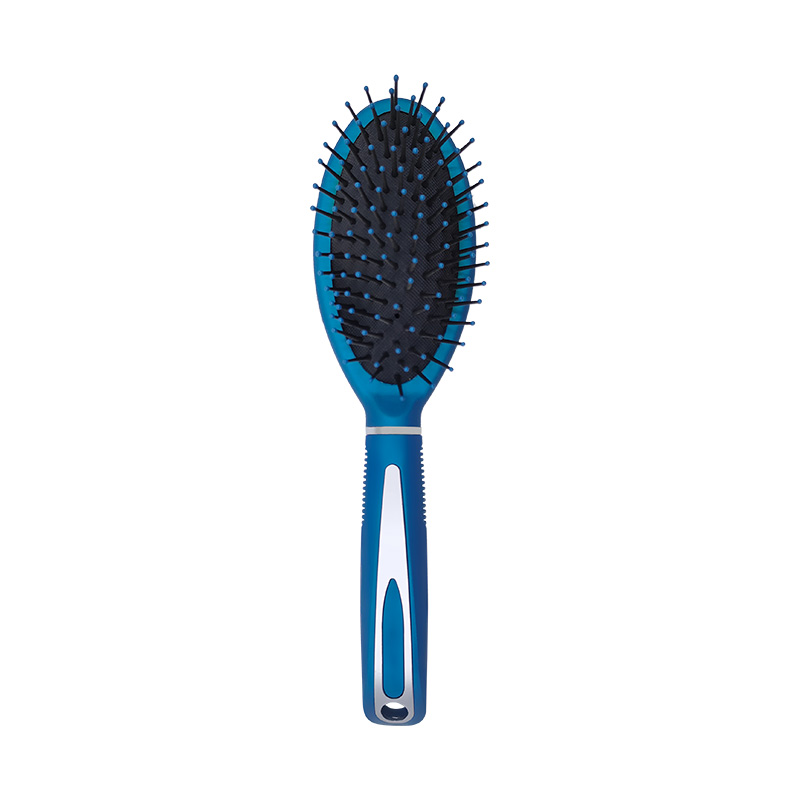
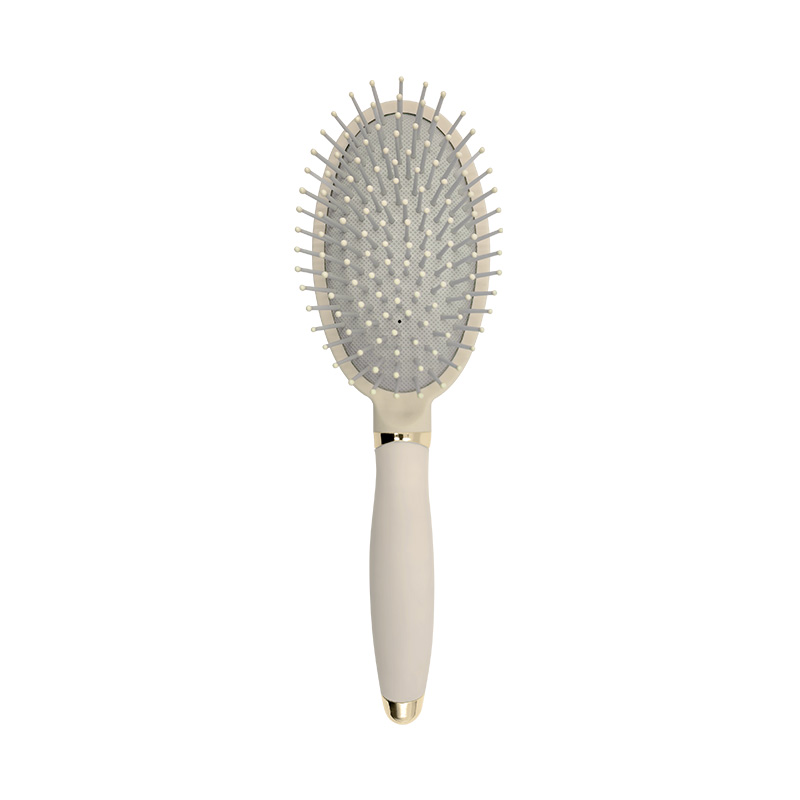
Cushion brushes share the air-pad base of paddle brushes but come in a more compact oval or rounded shape. The pneumatic cushion absorbs brushing pressure, making them gentler on fine or fragile hair. They are a particularly good everyday brush for people with hair that is prone to breakage — the flexing base reduces the pulling force transferred to each strand by an estimated 30–40% compared to rigid-base brushes.
Boar Bristle Brushes
Pure boar bristle brushes are considered the classic choice for fine, straight, or chemically treated hair. The bristles are scaled similarly to human hair, which allows them to grip each strand, distribute sebum from the scalp along the full length of the hair shaft, and smooth the cuticle layer to produce visible shine without any product. They are less effective on thick or very curly hair, where the bristles cannot penetrate deeply enough to detangle. High-quality pure boar bristle brushes from brands like Mason Pearson or Kent typically retail between £30 and £120, reflecting the material and handcrafting involved.
Barrel Hairbrushes: Styling, Volume, and Blow-Dry Results
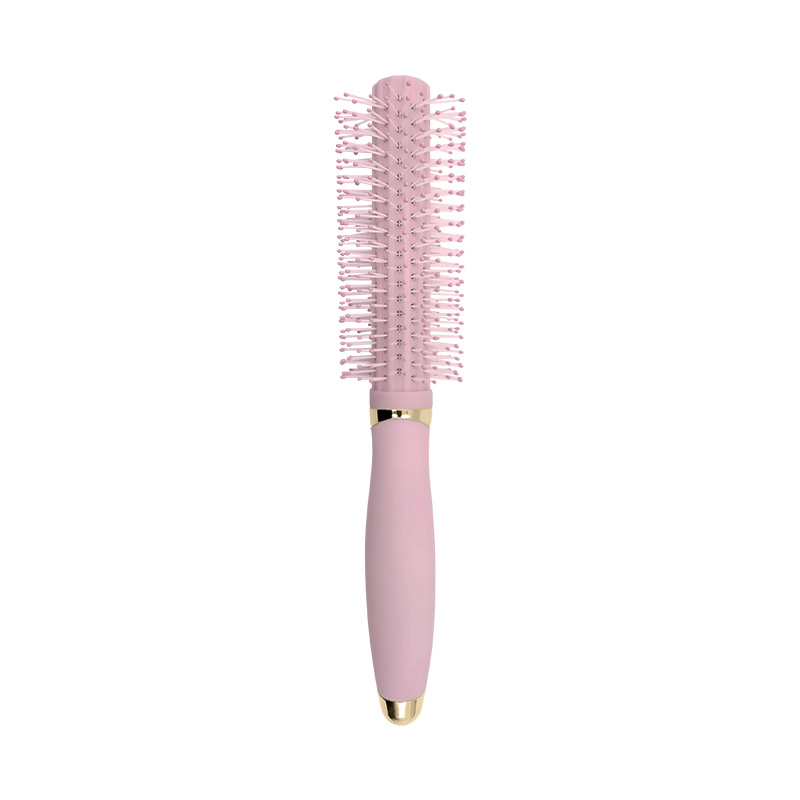
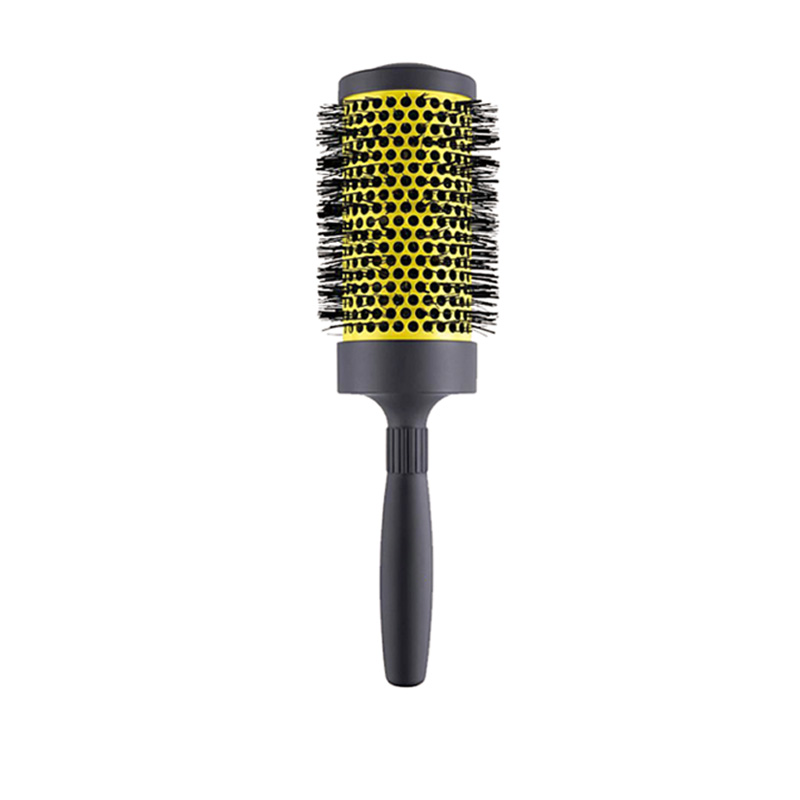
Barrel brushes — also called round brushes — are the primary tool for professional and at-home blow-dry styling. The cylindrical shape allows hair to be wrapped around the brush and tensioned under heat, creating curl, volume, and smoothness that flat brushes cannot produce.
Choosing the Right Barrel Diameter
Barrel diameter is the most important selection factor for round brushes:
- Small barrel (25–35 mm): Creates tight curls and ringlets; ideal for short hair, fringes, and curl definition on medium-length hair
- Medium barrel (40–55 mm): The most versatile size; produces soft waves, root lift, and smoothness on shoulder-length hair
- Large barrel (60–80 mm): Creates volume and gentle movement on long hair; the go-to size for the classic blowout look
- Extra-large barrel (85 mm+): Primarily for smoothing and straightening very long, thick hair while adding body
Metal Core vs. Ceramic vs. Vented Barrel Brushes
The barrel material affects heat distribution and drying speed. Metal-core barrels conduct and retain heat, effectively acting as a second heat source that speeds up styling but increases the risk of heat damage if left in one section too long. Ceramic-coated barrels distribute heat more evenly and emit far-infrared energy that dries hair from the inside out, reducing surface damage. Vented barrels allow airflow through the brush body, cutting blow-dry time by up to 30% on thick or long hair by letting hot air circulate directly through the hair section.
Tunnel / Detachable Barrel Brushes
A growing subcategory of barrel brush features a hollow or tunnel design that allows a hair dryer nozzle to insert directly into the brush body, combining the brush and dryer into a single tool. These deliver concentrated heat to wrapped hair and are particularly effective for adding volume at the root. They are sold as standalone accessories and as part of complete hair tools — Dyson's Airwrap system operates on a similar principle using the Coanda effect.
Wooden Hairbrushes: Natural Materials for Healthier Hair and Scalp
Wooden hairbrushes differ from plastic-bodied alternatives in two key ways: the handle and body material, and increasingly, the bristle or pin material. Both elements contribute to a gentler, lower-static brushing experience that many users find noticeably better for scalp health and hair texture over time.
Wooden Pin Brushes
Wooden pin brushes use rounded wooden pegs rather than nylon or metal bristles. The smooth wooden tips generate significantly less static than plastic or metal pins — a measurable advantage for fine, flyaway, or colour-treated hair that reacts strongly to friction. They glide through hair with minimal snagging, making them particularly popular for daily scalp massage and gentle detangling on hair that is not severely tangled.
Common Wood Types Used in Hairbrushes
- Bamboo: The most common sustainable wood used in hairbrush bodies; lightweight, harder than most woods, naturally antimicrobial
- Beechwood: Traditional choice for classic brush handles; dense, smooth-grained, and durable under daily use
- Olive wood: Used in premium brushes; naturally varied grain, heavier feel, and high durability
- Cherry or walnut: Found in artisan and high-end brush makers; chosen for aesthetics and smooth finish as much as function
Care Considerations for Wooden Brushes
Wooden brushes require slightly more care than plastic equivalents. They should never be soaked in water — prolonged moisture exposure can cause the wood to swell, crack, or warp, and can loosen the glue pad holding cushion bristles. Clean by removing hair after each use and wiping the bristles with a slightly damp cloth rather than rinsing under a tap. A light application of natural oil (such as linseed or coconut oil) to the handle once or twice a year preserves the wood and prevents drying.
Eco Hairbrushes: Sustainable Design Without Compromising Performance
Eco hairbrushes have moved well beyond simple bamboo handles. The category now encompasses fully compostable brushes, recycled ocean plastic bodies, plant-based bristles, and refillable brush systems that allow the handle to be kept while only the bristle pad is replaced. The global sustainable personal care market was valued at over $22 billion in 2023, and hairbrush manufacturers are responding with genuinely functional eco alternatives across all brush types.
What Makes a Hairbrush Truly Eco-Friendly
The eco credentials of a hairbrush should be evaluated across three areas rather than just the handle material:
- Body and handle: FSC-certified wood, bamboo, or post-consumer recycled plastic (look for rPET or rPP designations)
- Bristles: Plant-based nylon (nylon 11 from castor beans), natural boar bristle, or sisal — conventional nylon bristles are petroleum-derived and non-biodegradable
- Packaging: Recycled card, plastic-free packaging, or compostable wrapping
Refillable and Modular Eco Brush Systems
The user keeps the wooden or recycled-plastic handle indefinitely and replaces only the bristle component when worn — reducing waste by an estimated 60–70% compared to replacing the full brush. This model is particularly appealing for high-quality boar bristle brushes where the handle represents the majority of the product's value and environmental cost.
Performance vs. Conventional Brushes
Eco brushes in the mid-to-premium price range — typically £12–£45 — perform comparably to conventional equivalents. The main practical trade-off is that fully biodegradable bristle materials like agave or sisal are stiffer and less flexible than conventional nylon, making them better suited to scalp massage and normal daily brushing than to detangling heavily knotted hair. Hybrid eco brushes combining bamboo handles with plant-based nylon bristles offer the closest performance match to conventional brushes while substantially reducing plastic content.
Kids' Hairbrushes: Gentle Design for Sensitive Scalps and Fine Hair
Children's hairbrushes are not simply smaller versions of adult brushes. They are specifically engineered to address the characteristics of children's hair and the practical challenges of brushing a child who may be sensitive to scalp pressure, pulling, or discomfort.
Key Design Features of a Good Kids' Hairbrush
- Extra-soft bristles: Tipped with ball-ended or ultra-fine nylon that cannot scratch the scalp, even with firm brushing pressure from a parent or child
- Deep pneumatic cushion pad: Absorbs pressure variations caused by an uneven or quick brushing motion, protecting fine strands from breakage
- Ergonomic, non-slip handle: Sized for both a parent's hand and a child learning to brush independently — typically 10–14 cm handle length compared to 15–20 cm for adult brushes
- Lightweight construction: Kids' brushes typically weigh 40–80 g, making them easy for children aged 3+ to hold and use without fatigue
- Wide-spaced bristle layout: Allows fine hair to pass through easily with minimal pulling or static generation
Newborn and Infant Brushes
For newborns and infants under 12 months, brushes use natural goat hair or ultra-fine synthetic bristles that are softer than any standard boar bristle product. These are designed primarily for scalp stimulation and cradle cap management rather than detangling, as infant hair is too fine and sparse to require conventional brushing. Many paediatricians recommend daily gentle brushing of infant scalps to stimulate circulation — a soft natural-bristle brush is the appropriate tool for this purpose.
Detangling Brushes for Curly and Afro-Textured Children's Hair
Children with curly, coily, or afro-textured hair benefit significantly from wide-tooth or flex-bristle detangling brushes that separate curls without pulling them straight. Using a standard paddle brush on tightly coiled children's hair can cause up to 3× more breakage than a wide-tooth detangler used on damp, conditioned hair. Detangling should always begin at the ends and work upward in sections for this hair type.
Trendy Hairbrushes: What's Popular Now and Why It Works
Trendy hairbrushes are not purely aesthetic — most of the brush styles that have gained significant popularity in recent years offer a genuine functional innovation over older designs. Understanding what makes them effective helps separate lasting tools from passing novelties.
Flexible Detangling Brushes
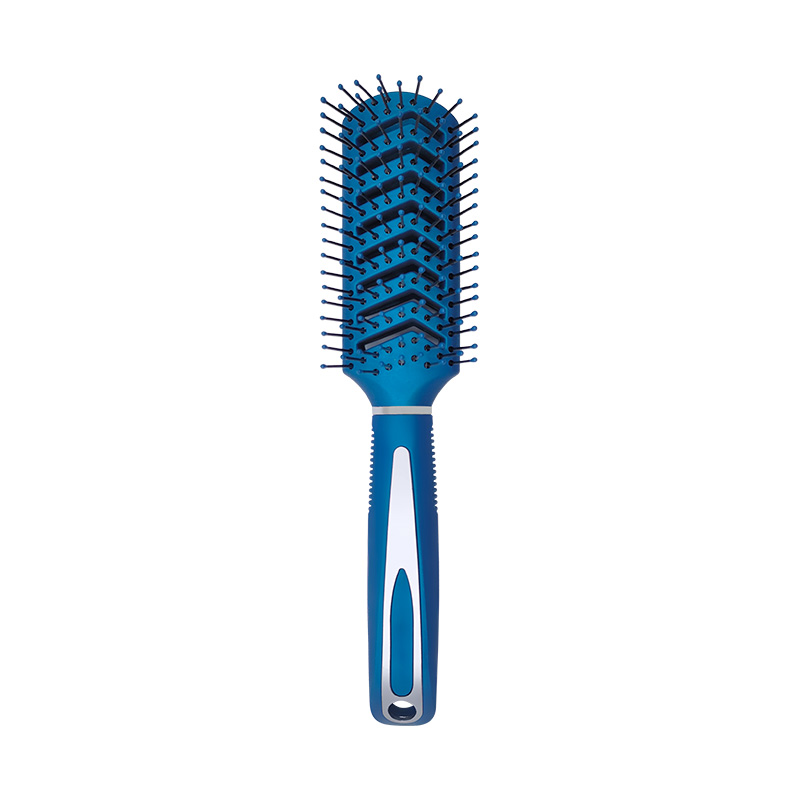
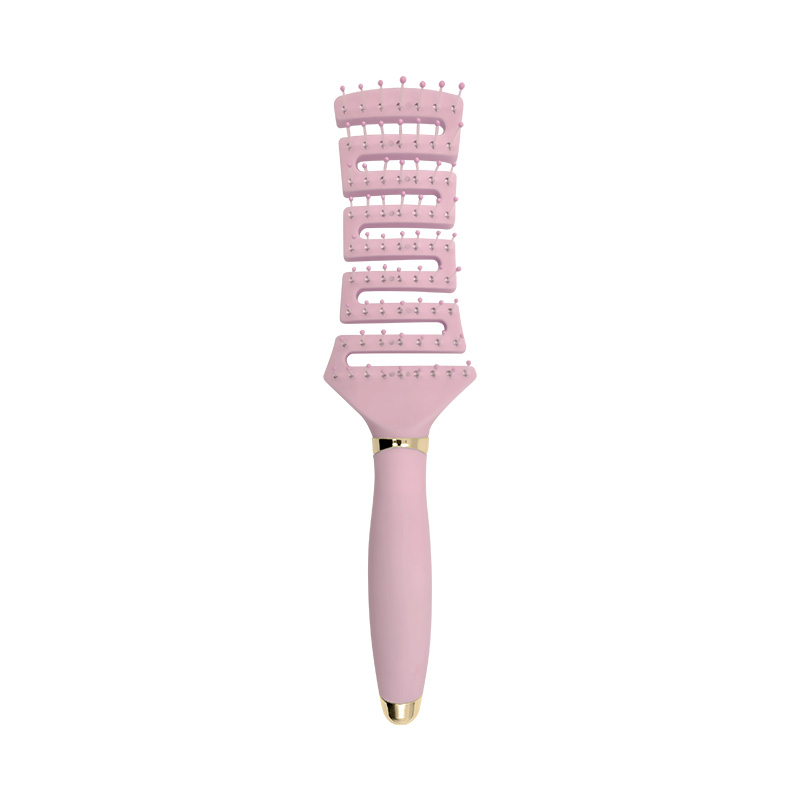
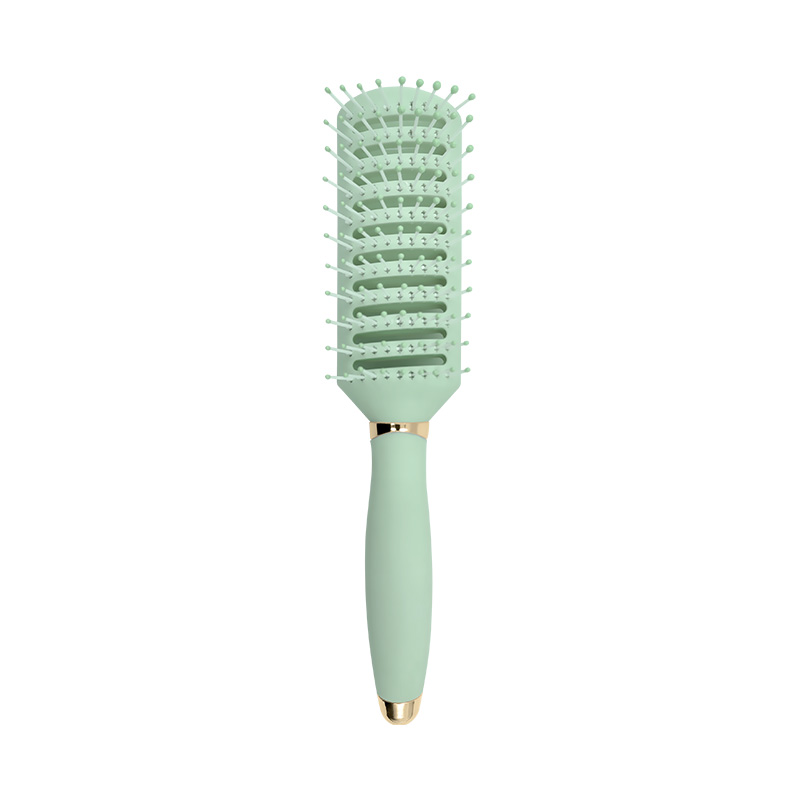
These brushes have become mainstream because they work — the flexible platform reduces hair breakage by allowing bristles to fold over and release tangles progressively rather than forcing through them. They are particularly effective on wet hair, where strands are up to 30% weaker than dry hair and most susceptible to breakage from aggressive brushing.
Scalp Massager Brushes
Silicone scalp massager brushes — used dry or in the shower during shampooing — have become one of the fastest-growing hairbrush categories. They use flexible silicone bristles arranged in a dense circular or grid pattern to stimulate blood circulation to hair follicles. Research published in dermatology journals suggests that regular scalp massage may increase hair thickness and support growth by improving follicular blood flow. Scalp massager brushes retail from £3 to £25 and have an almost universal appeal across hair types because they work independently of hair texture.
Aesthetically Designed Brush Sets
A significant trend in the premium and mid-market hairbrush category is the matching set — a coordinated paddle brush, comb, and round brush in a unified aesthetic designed for display as much as function. These sets typically combine genuine functional quality with elevated design, using translucent acetate, pastel colorways, or marble-effect finishes that appeal to a design-conscious buyer. Prices range from £25 for entry-level sets to over £150 for premium acetate collections.
Heat-Activated and Smart Brushes
Heated styling brushes — a category blending the barrel brush with a hair straightener — have gained mainstream traction through products like the Remington Shine Therapy and various Revlon one-step brushes. These tools use ceramic or tourmaline-coated heated bristles to smooth and style hair in a single pass, reducing blow-dry time by combining the functions of a dryer and round brush. They are best suited to straight or wavy hair; on very curly or highly textured hair, the tension required can cause breakage if used incorrectly.
Bristle Materials Compared: What Each Type Actually Does
Bristle material is often the deciding factor in how a brush performs on a specific hair type, and many purchasing mistakes come from choosing by brush shape alone without considering the bristle composition:
- Pure boar bristle: Best for fine to medium straight hair; polishes cuticle, distributes oils, reduces frizz; too soft to penetrate thick or curly hair effectively
- Mixed boar and nylon (hybrid): The most versatile all-hair-type bristle combination; nylon pins grip and detangle while boar bristles smooth and shine
- Nylon only: Strong grip and detangling ability; suited to thick or curly hair but can generate static and cause friction on fine hair
- Metal / stainless steel pins: Maximum grip for thick or highly textured hair; not suitable for fine or fragile hair; most common in teasing and back-combing brushes
- Wooden pins: Very low static, gentle on scalp, good for daily grooming and scalp massage; limited detangling ability on knotted hair
- Silicone bristles: Waterproof, flexible, and easy to clean; used in scalp massagers and wet-use brushes; not suitable for styling or detangling
How to Clean and Maintain Any Hairbrush Type
A hairbrush accumulates dead skin cells, sebum, product residue, and dust within days of regular use. Studies of unwashed hairbrushes have found bacterial counts significant enough to reintroduce contamination to clean hair — making regular cleaning a genuine hygiene concern, not just a cosmetic one. The cleaning method varies by brush type:
- Remove trapped hair after every use — use a tail comb or dedicated brush cleaning tool to lift hair from the bristle base; this prevents buildup from becoming compacted and harder to remove
- For plastic-body brushes: Soak in warm water with a few drops of shampoo for 5–10 minutes, agitate with an old toothbrush, rinse thoroughly, and air-dry bristle-side down
- For wooden brushes: Never soak — instead, dip only the bristles briefly in soapy water, scrub, and shake excess water off; dry immediately with a towel, then air-dry bristle-side down away from direct heat
- For boar bristle brushes: Use a small amount of gentle shampoo worked through the bristles with fingers; rinse quickly and dry as above — prolonged water exposure can damage the bristle keratin structure over time
- For silicone scalp brushes: These are fully waterproof and can be cleaned under running water with soap at any time; dishwasher-safe models can be placed in the top rack
A full clean every 1–2 weeks is the recommended frequency for daily-use brushes. Even with regular cleaning, bristles and cushion pads degrade over time — most hairbrushes should be replaced every 1–3 years depending on use frequency and bristle wear.