

 en
en 简体中文
简体中文 English


Content
Quick answer: caring for a hairbrush comes down to four habits — remove trapped hair after every few uses, wash the bristles on a schedule that matches how often you use styling products, match your cleaning method to the actual bristle and base material (natural boar bristle, flexible nylon, and wood or plastic handles all tolerate water differently), and replace the brush once bristles are visibly bent, frayed, or missing their protective tips. Skipped care doesn't just make a brush look dirty — buildup on the bristles gets redistributed into clean hair, and bent or damaged bristles increase breakage and snagging instead of reducing it, which defeats the brush's purpose.
A hairbrush is a low-maintenance tool by design, which is exactly why care is so easy to neglect. Unlike a toothbrush or razor with an obvious replacement cycle, a hairbrush can look fine on the surface for months while quietly losing effectiveness underneath — through product buildup, flattened bristles, or trapped moisture. Good hairbrush care is less about a single deep clean and more about a small set of habits repeated consistently, matched to the specific brush you own.
The Four Habits of Proper Hairbrush Care
1. Clear Hair Regularly
Pull trapped hair from the base of the bristles every 2–3 uses with a comb or your fingers, working outward from the base. This single habit prevents most buildup from ever accumulating.
2. Wash on a Set Schedule
Daily users with styling products should wash weekly; light or occasional users can stretch to every 3–4 weeks. A consistent interval beats waiting until the brush visibly needs it.
3. Match Method to Material
Natural bristle, flexible nylon, and wood handles each respond differently to water. Using one universal cleaning method across all of them is the most common source of avoidable damage.
4. Replace on Schedule, Not on Failure
Visibly bent, frayed, or missing-tip bristles reduce the brush's function well before it "breaks" outright. Most brushes have a practical lifespan, not an indefinite one.
How to Clean Different Types of Hairbrushes
This is the step most people get wrong, because the correct method genuinely differs by brush construction. Using a full water soak on a brush that isn't built for it is a leading cause of premature bristle and handle damage.
| Brush Type | Safe Cleaning Method | What to Avoid |
|---|---|---|
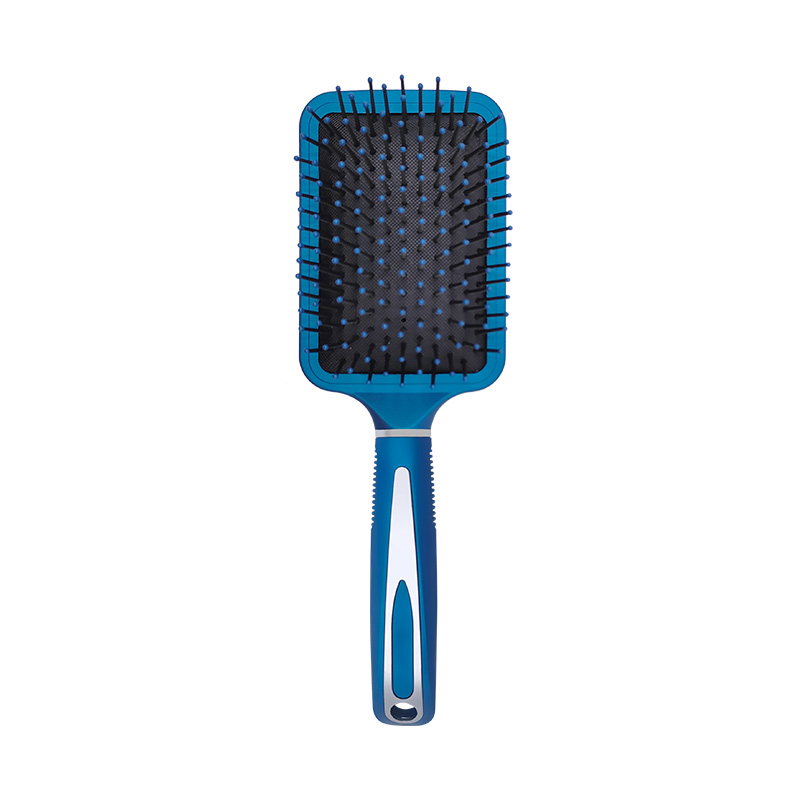
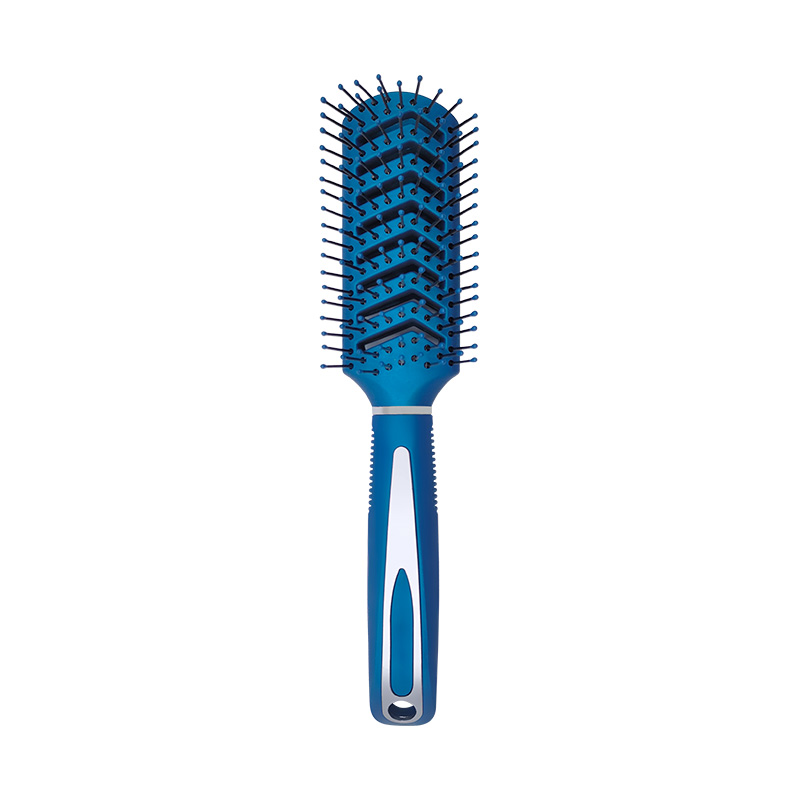
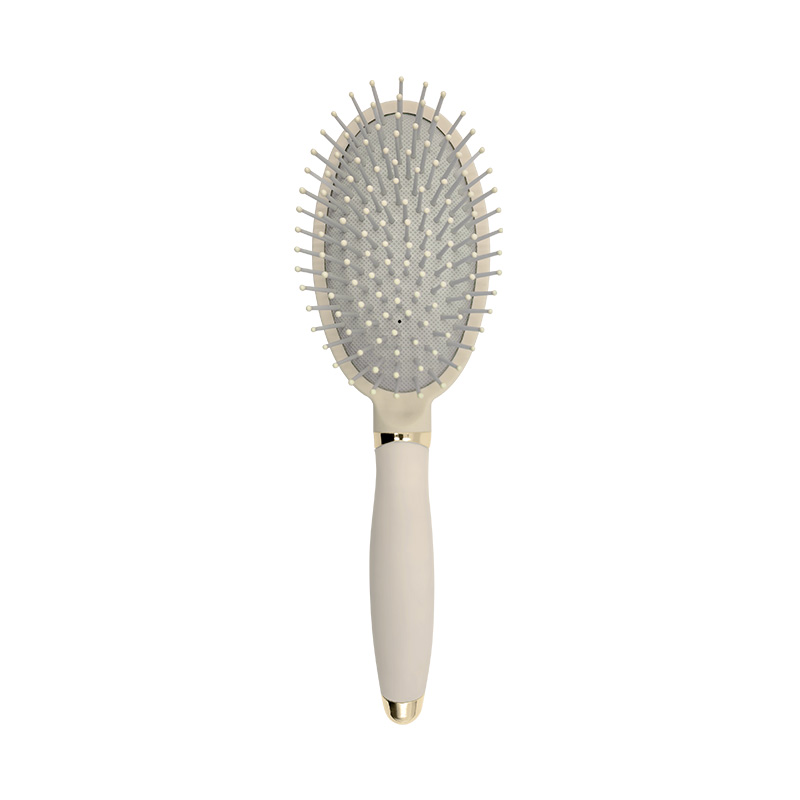
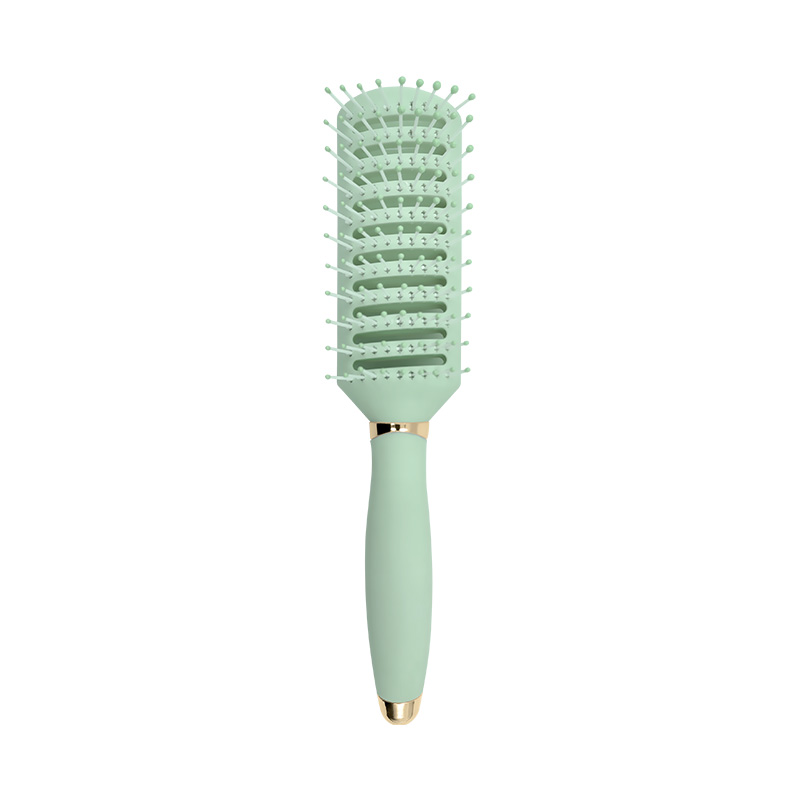
| Flexible nylon / detangling brushes | Full bristle soak in warm water with clarifying shampoo, 5–10 minutes | Soaking the cushioned base or handle joint for extended periods |
| Natural boar bristle brushes | Damp cloth wipe-down; light rinse of bristle tips only, dried quickly | Full submersion — natural bristle can dry out and split with repeated soaking |
| Wood or bamboo handle brushes | Keep water contact limited to bristles; dry handle immediately if splashed | Prolonged water exposure, which can warp or crack untreated wood over time |
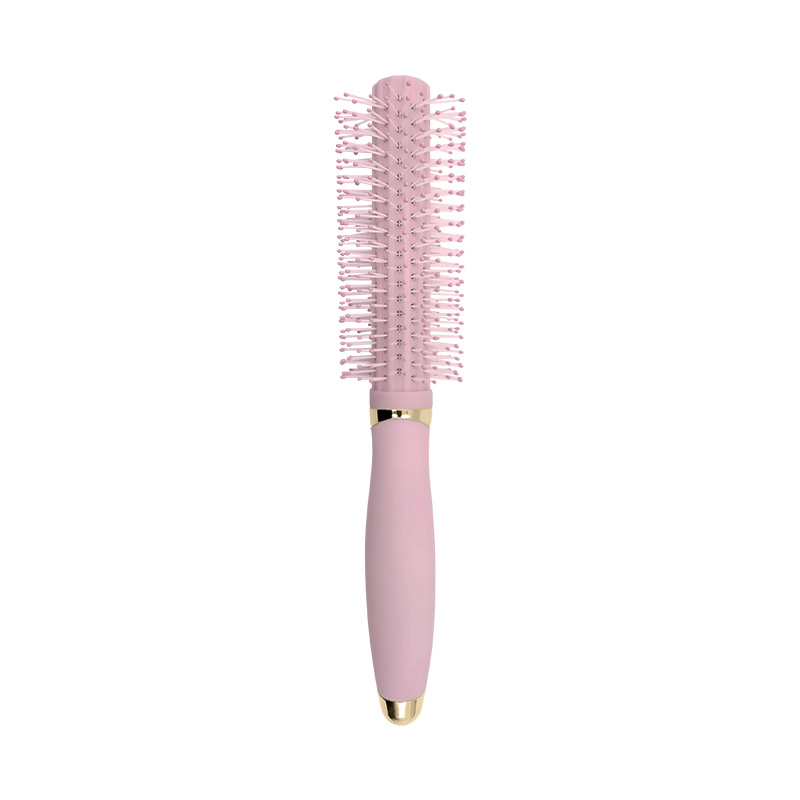
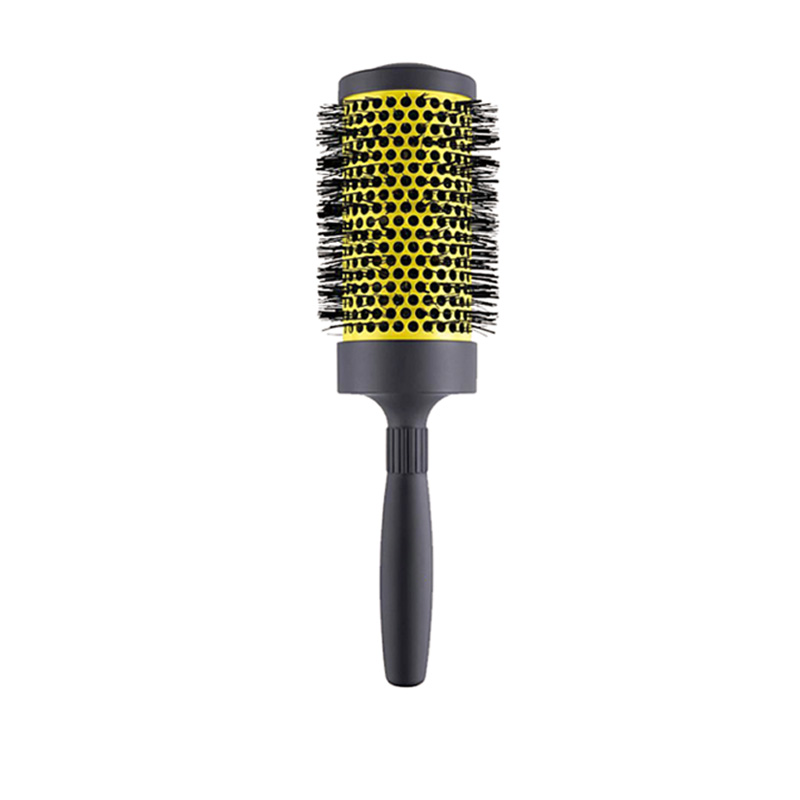
| Round/thermal styling brushes | Wipe barrel clean with a damp cloth; avoid soaking any metal or ceramic core | Submerging fully — internal metal components can corrode if water gets inside |
When in doubt about a specific brush, wipe rather than soak. A damp-cloth wipe-down removes the majority of surface buildup safely on almost any brush type, and is a reasonable default between full washes even for brushes rated for soaking.
When to Replace a Hairbrush
Cleaning extends a brush's life, but it doesn't reset physical wear. These are the clearest signs a brush has reached the end of its useful lifespan rather than needing another wash.
- Bent or splayed bristles that don't return to shape. This is most common on flexible nylon brushes used daily on wet hair; once the bristle loses its spring, it also loses grip on hair strands.
- Missing or worn-off bristle ball tips. Many brushes have small rounded tips at the end of each bristle specifically to protect the scalp and reduce hair snagging; once these wear away, the exposed bristle tip is more likely to scratch and catch.
- Cracked or split cushion base. A cracked base can trap moisture and debris in a spot that's difficult to clean thoroughly, and often signals the bristles themselves are loosening.
- Persistent odor after a full wash. If odor returns quickly after proper cleaning, it usually means moisture has worked into a part of the brush that can't be fully dried or cleaned, most often the base.
- Visible rust on metal pins or wire-core round brushes. Rust can transfer onto hair and scalp, and signals the metal component's protective coating has already failed.
How Hairbrushes Are Built — and Why It Determines Their Care
Care instructions aren't arbitrary; they follow directly from how a brush is manufactured. A hairbrushes factory typically works from three separate material decisions — bristle type, base construction, and handle material — and each one carries its own care implications downstream.
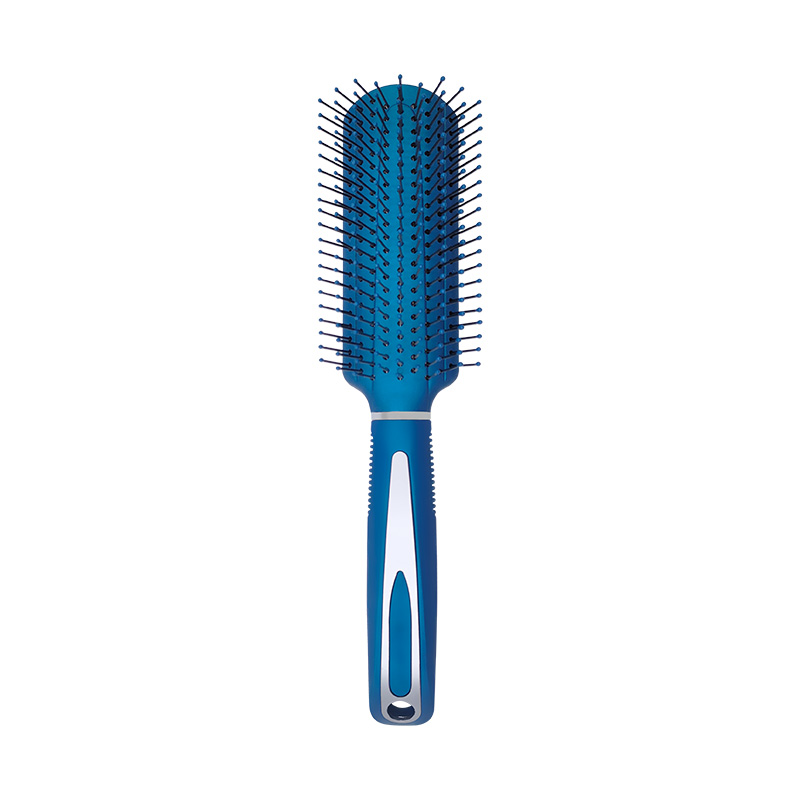
- Bristle material. Natural boar bristle is derived from animal hair and behaves similarly to human hair in how it reacts to water — prolonged soaking dries it out. Synthetic nylon bristle is engineered for flexibility and water tolerance, which is why nylon-bristle brushes are the ones generally safe to soak.
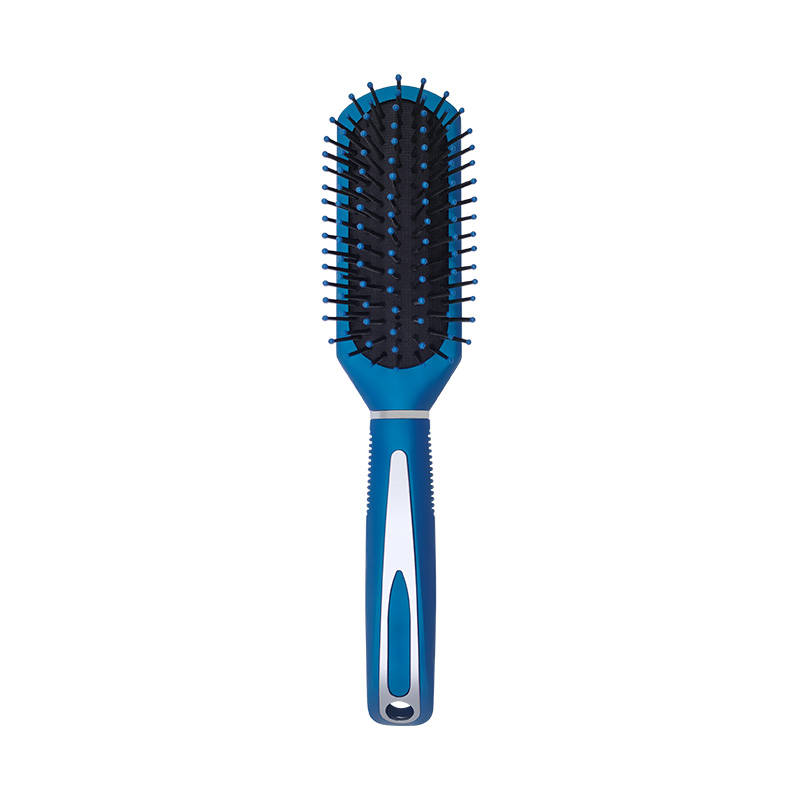
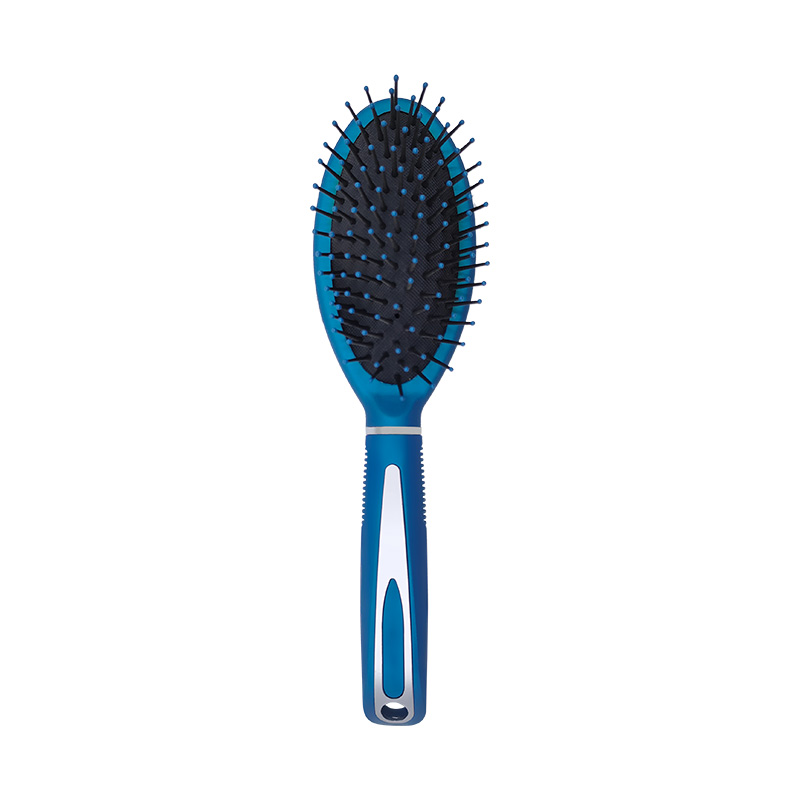
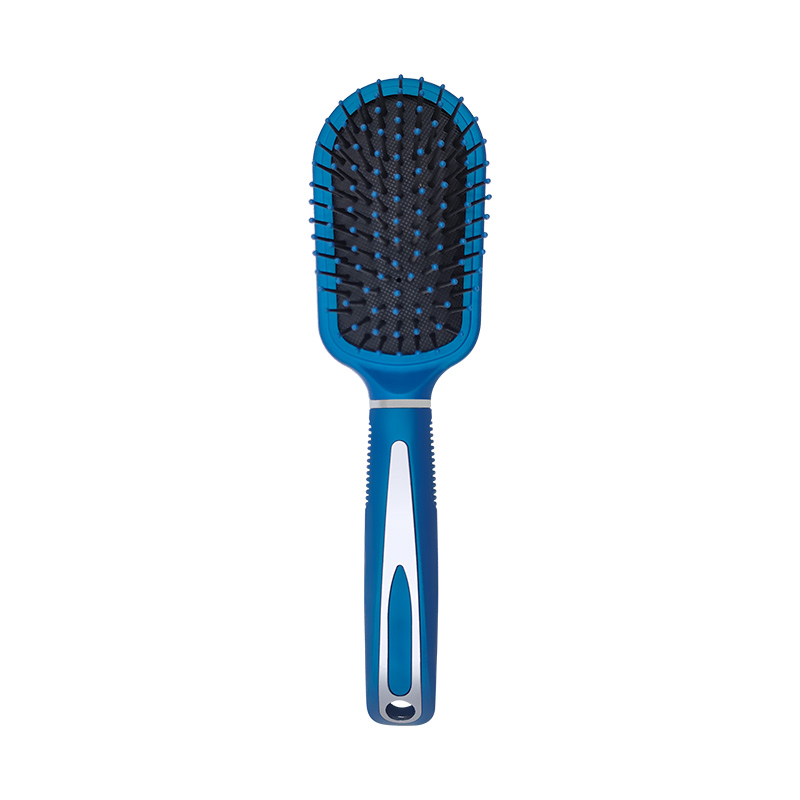
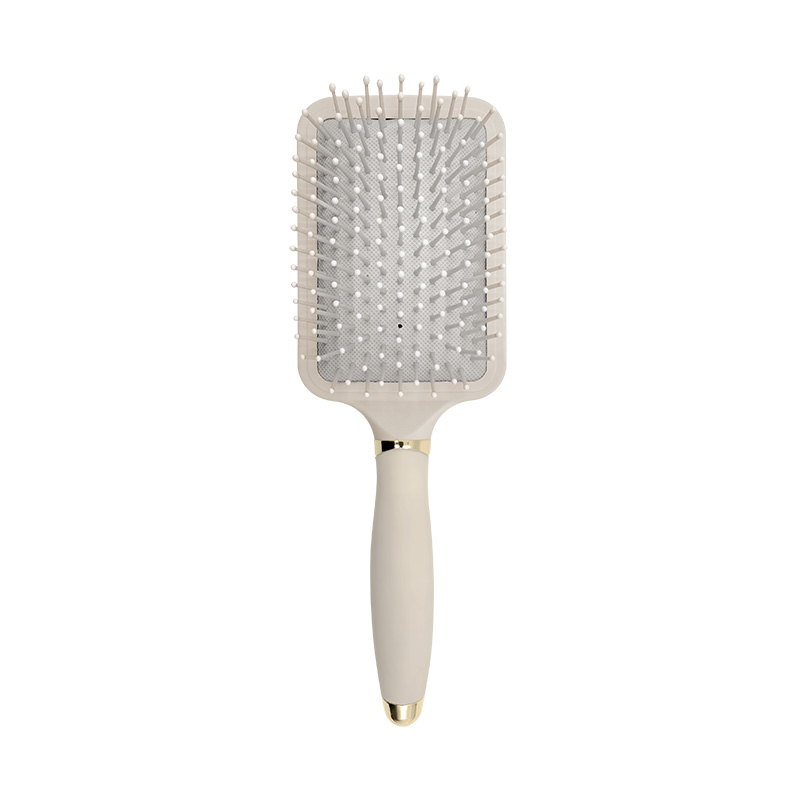
- Base and cushion construction. A rubber or foam cushion base allows bristles to flex during brushing, but the seams where bristles are individually set into that base are rarely fully sealed against water — which is the direct reason full submersion is discouraged on cushioned brushes regardless of bristle type.
- Handle material and attachment. Molded one-piece plastic handles tolerate water contact well since there's no seam to weaken. Wood handles, and handles attached with adhesive rather than molded as a single piece, are more vulnerable to water damage and benefit from being kept dry during cleaning.
This matters beyond individual brush ownership. For retailers, salons, or businesses sourcing hairbrushes in bulk, working with a hairbrushes factory that documents bristle type, base material, and handle construction clearly in its product specifications makes it possible to write accurate, brush-specific care instructions for customers — which reduces premature returns caused by customers cleaning a brush in a way it wasn't built to handle.
Final Takeaway
Consistent hairbrush care is simple in principle — clear trapped hair often, wash on a regular schedule, match the cleaning method to the bristle and base material, and replace the brush once bristles lose their shape or protective tips — but the details matter more than they appear to. A single universal cleaning approach applied across different brush types is the most common reason brushes wear out faster than they should, while understanding how a brush is actually constructed makes it far easier to care for it correctly from the first use.