

 en
en 简体中文
简体中文 English


Content
The right hairbrush or comb depends primarily on your hair type, texture, and the styling task at hand — no single tool works well for every head of hair. Fine, straight hair benefits from boar-bristle brushes that distribute oils without adding static, curly and coily hair needs wide-tooth combs and detangling brushes that reduce breakage, and wet hair should generally avoid brushes altogether in favor of a wet-specific comb. Using the wrong tool is one of the most common causes of split ends and excessive shedding, with studies on hair mechanics showing that wet hair can stretch up to 30% before breaking, making gentle detangling tools essential immediately after washing.
This article breaks down the main types of hairbrushes and combs, which materials perform best, how to match tools to hair type, and the maintenance habits that keep both in good condition.
Main Types of Hairbrushes
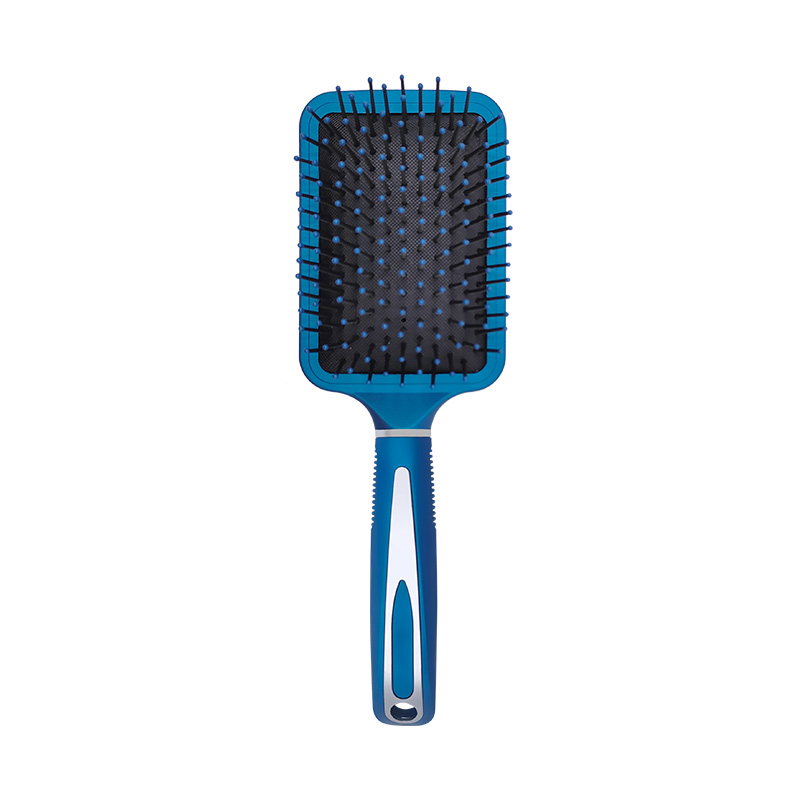
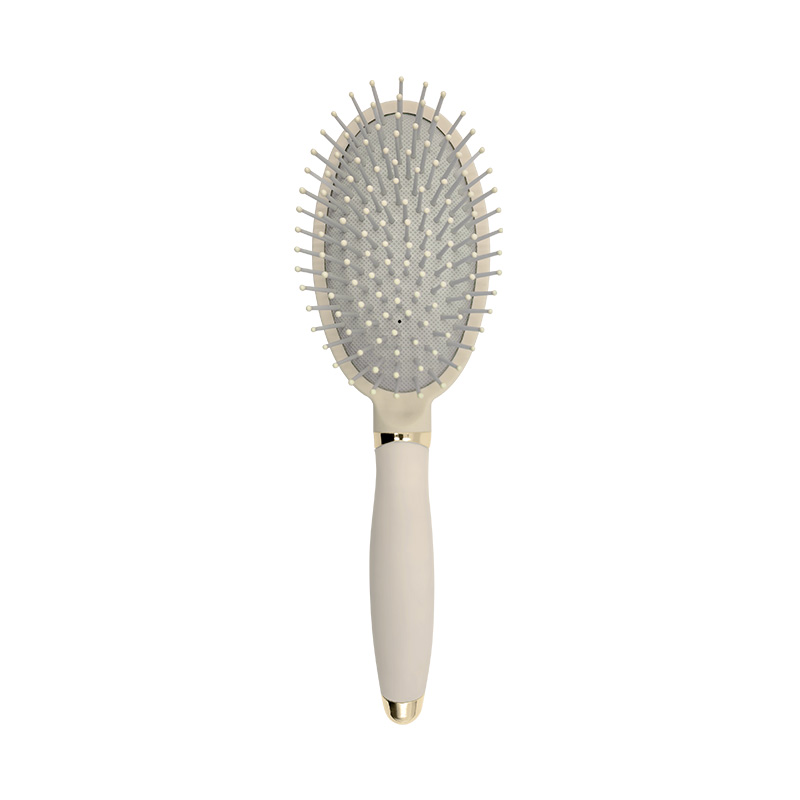
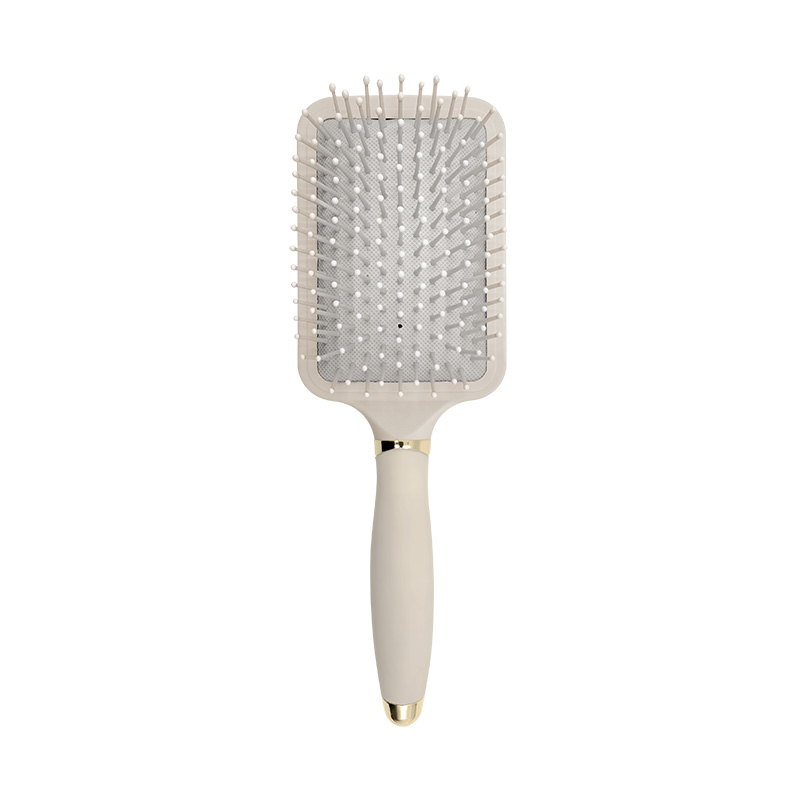
Paddle Brushes
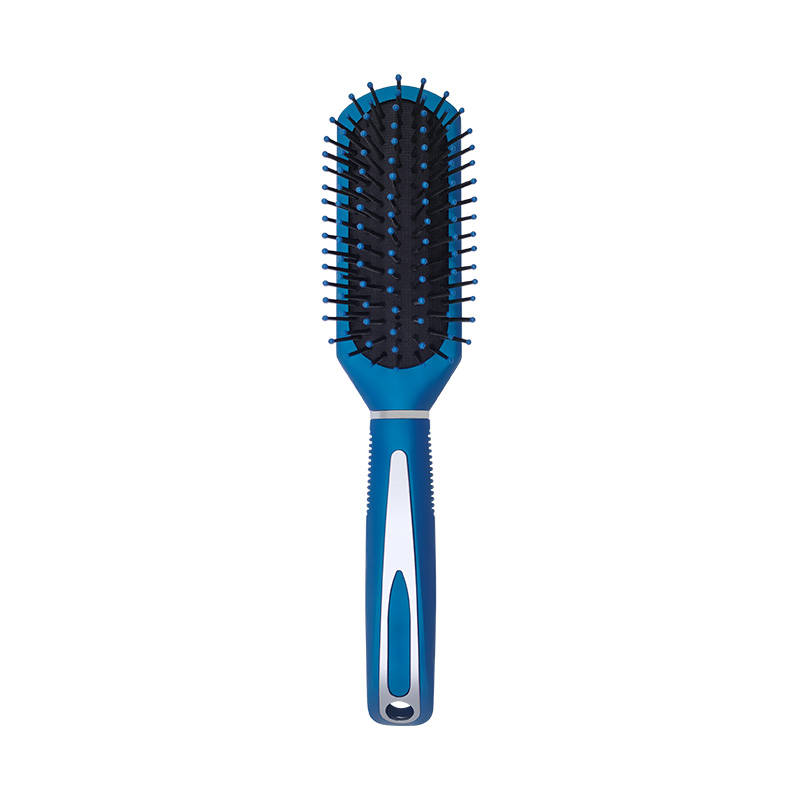
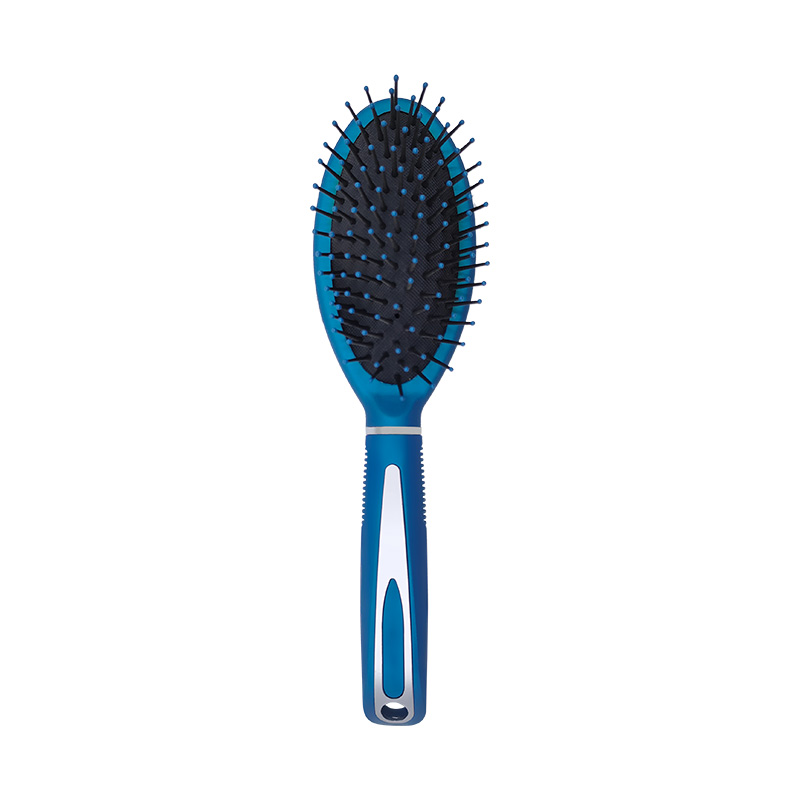
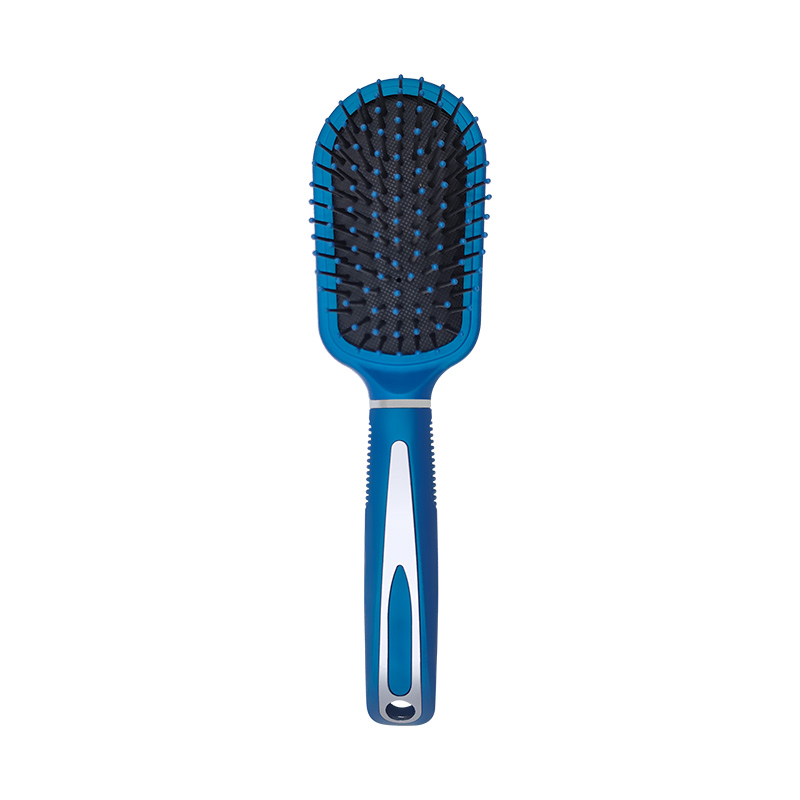
Flat, wide-headed brushes designed to smooth long or straight hair and cover large sections quickly. They work well for daily brushing and reducing tangles in medium to long hair but are less effective for adding volume at the roots.
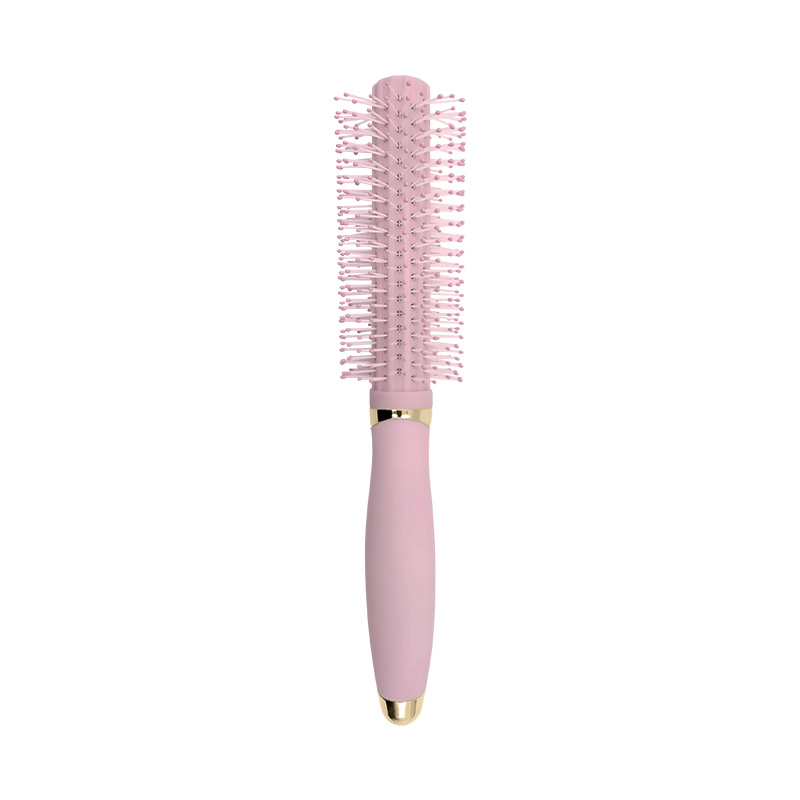
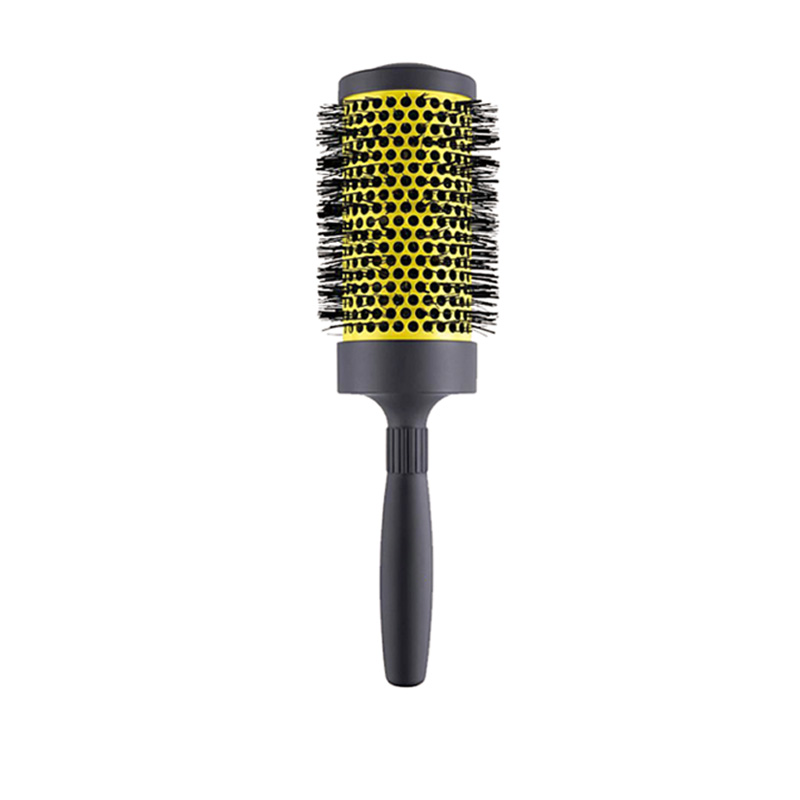
Round Brushes
Used primarily with a blow dryer to create curls, waves, or volume at the roots. Barrel diameter matters: smaller barrels (under 1 inch) create tighter curls, while larger barrels (2 inches or more) produce loose waves and smooth blowouts.
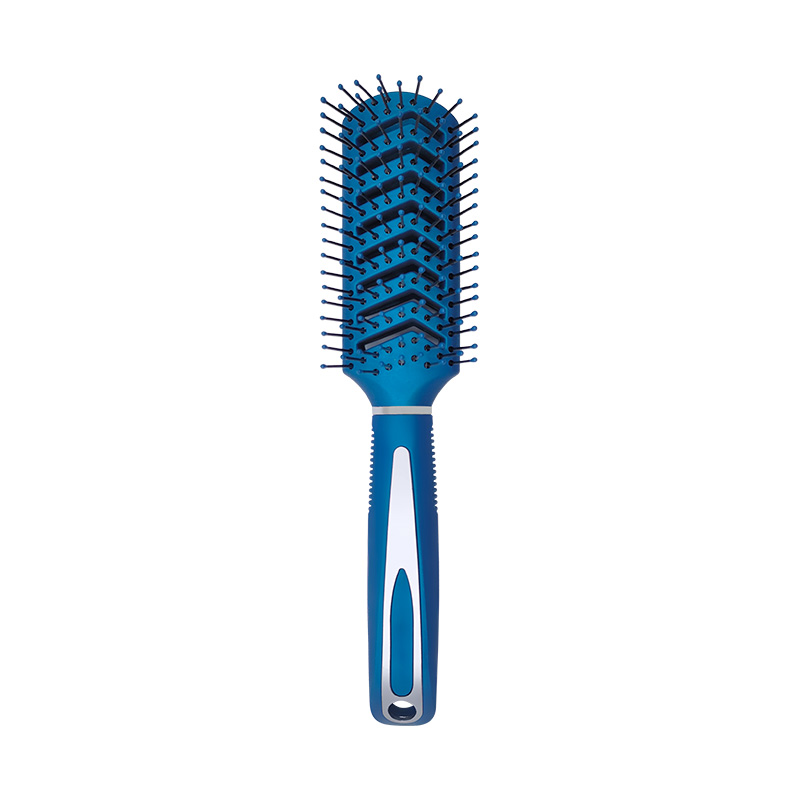
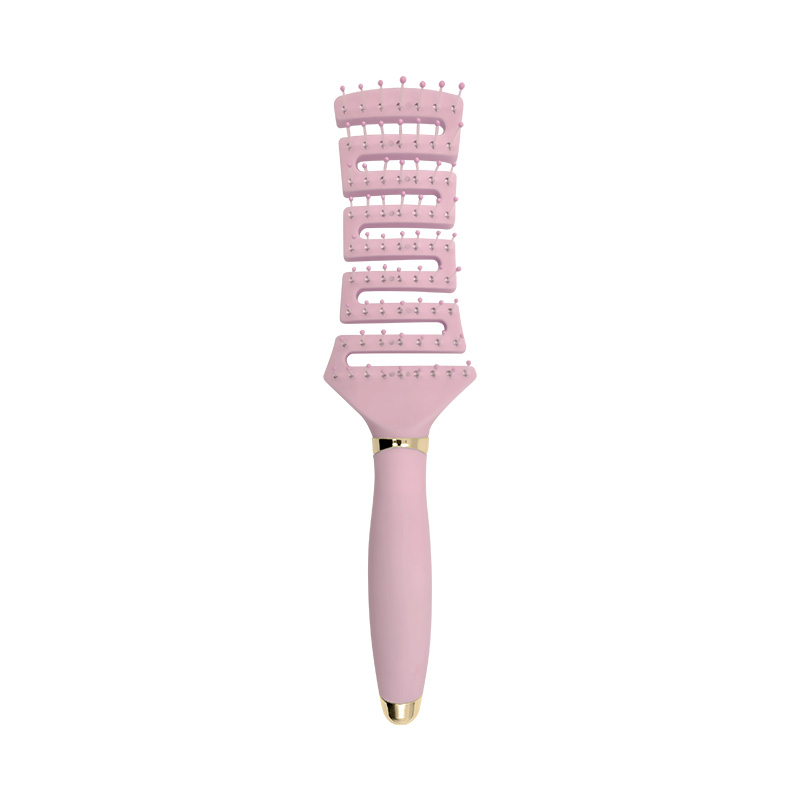
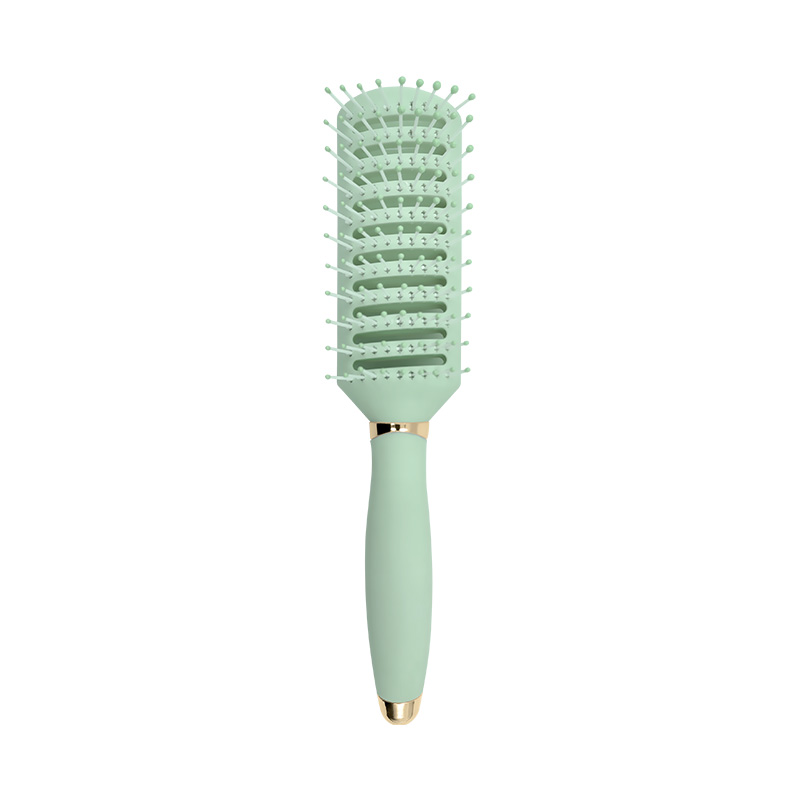
Vent Brushes
Featuring open slots in the brush head, vent brushes allow air to pass through during blow-drying, cutting drying time and reducing heat damage. They are a practical choice for people who blow-dry hair regularly but want less thermal exposure than a round brush requires.
Detangling Brushes
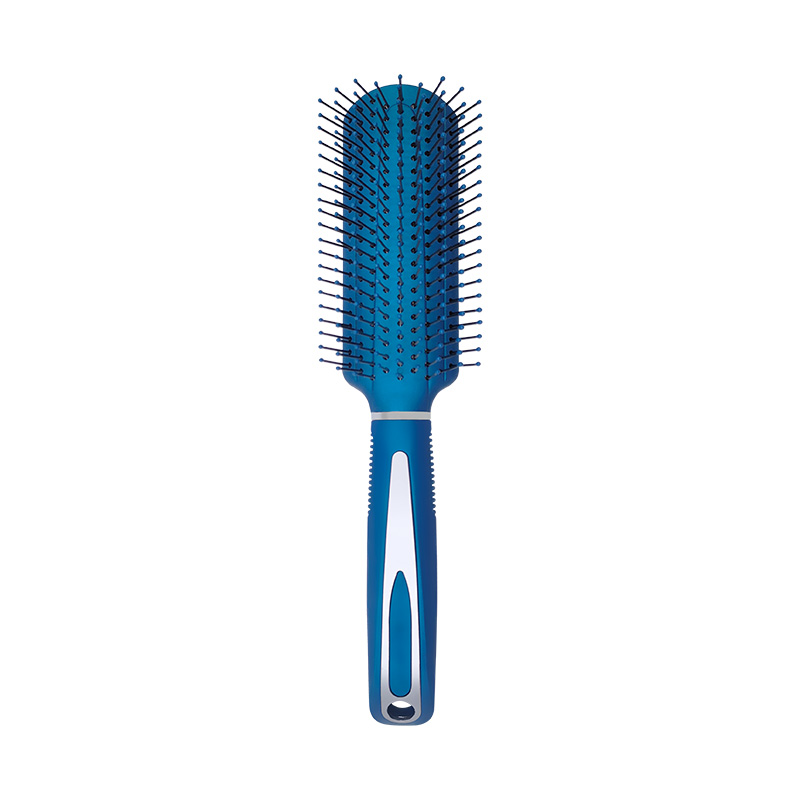
Built with flexible, widely spaced bristles, these brushes are designed specifically to work through knots without pulling. They are the recommended choice for curly, coily, and thick hair types, and for children's hair, where scalp sensitivity is often higher.
Main Types of Combs
Wide-Tooth Combs
The gentlest option for detangling, wide-tooth combs are best used on wet or conditioner-coated hair, starting at the ends and working upward. They are the standard recommendation for curly and textured hair to minimize breakage.
Fine-Tooth Combs
Used for precise styling, parting, and smoothing short or fine hair. They are also standard tools for lice detection and treatment, since closely spaced teeth catch nits that wider combs miss.
Tail Combs
Combining a fine-tooth section with a long, pointed handle, tail combs are used by stylists to create clean, straight partings and to section hair during coloring or braiding.
Pocket and Travel Combs
Compact combs designed for portability, typically combining medium and fine teeth in one unit for quick touch-ups away from home.
Matching Tools to Hair Type
| Hair Type | Recommended Brush | Recommended Comb |
|---|---|---|
| Fine, Straight | Boar-bristle paddle brush | Fine-tooth comb |
| Thick, Wavy | Vent brush | Wide-tooth comb |
| Curly, Coily | Flexible detangling brush | Wide-tooth comb |
| Chemically Treated | Soft-bristle detangling brush | Wide-tooth comb |
Materials: What They're Made Of and Why It Matters
The material of a brush or comb affects static, gentleness, and durability as much as its shape does.
- Natural boar bristle — distributes scalp oils along the hair shaft, adding shine, but can be harsher on very curly hair
- Nylon bristle — durable and effective for detangling thicker hair, often mixed with boar bristle for balance
- Silicone-coated bristle — flexible and gentle, commonly used in detangling brushes for children and sensitive scalps
- Cellulose acetate combs — a durable, low-static plastic favored by professional stylists over standard plastic
- Wooden combs — naturally low in static and gentle on the scalp, though they require more careful drying to prevent warping
Standard plastic combs, while inexpensive, generate more static electricity than cellulose acetate or wood, which can cause frizz and flyaways, particularly in dry climates or low-humidity winter months.
Brushing and Combing Habits That Reduce Hair Damage
Technique matters as much as tool selection. Dermatologists and trichologists generally recommend the following practices to minimize breakage:
- Detangle from the ends first, working upward toward the roots in small sections
- Use a wide-tooth comb with conditioner on wet hair rather than a brush
- Avoid brushing dry curly hair, which disrupts the natural curl pattern and increases frizz
- Brush before, not after, washing to remove loose hair and reduce shower drain clogging
- Replace brushes and combs with worn, bent, or sharp-edged teeth, which can scratch the scalp
The average person loses between 50 and 100 hairs per day through natural shedding, so some hair in a brush is normal. Excessive breakage — hair with visible white bulbs or snapping mid-shaft — usually points to overly aggressive brushing technique or an unsuitable tool rather than the shedding cycle itself.
Cleaning and Maintaining Brushes and Combs
Brushes and combs accumulate oil, product residue, and dead skin cells, which can be transferred back onto clean hair and scalp if not cleaned regularly. Dermatologists recommend deep-cleaning brushes and combs at least once every one to two weeks.
- Remove loose hair from bristles after every few uses
- Soak plastic and nylon-bristle brushes in warm water with a few drops of shampoo for 10–15 minutes
- Avoid fully submerging wooden combs or boar-bristle brushes with wooden handles, since prolonged water exposure causes cracking
- Use an old toothbrush to scrub between bristles and teeth
- Dry bristle-side down on a towel to prevent water from pooling at the base and loosening the bristles
A well-maintained, quality brush or comb typically lasts two to five years with regular cleaning, while neglected tools accumulate buildup that can contribute to scalp irritation and dull-looking hair well before that.
Common Mistakes When Choosing or Using These Tools
Several recurring mistakes account for most of the avoidable damage linked to hairbrushes and combs:
- Brushing wet hair with a standard bristle brush instead of a wide-tooth comb or detangler
- Using one brush for all purposes rather than matching the tool to the task, such as styling versus daily detangling
- Sharing brushes and combs, which can spread scalp conditions and, in rare cases, lice
- Continuing to use a brush with missing or bent bristles that can snag and pull hair
- Applying excessive pressure when brushing, especially near the scalp
Conclusion
Choosing the right hairbrush or comb comes down to matching the tool to your hair's texture and the task at hand — wide-tooth combs for wet detangling, boar-bristle brushes for fine straight hair, and flexible detangling brushes for curly and coily textures. Combined with gentle technique and regular cleaning, the correct tool reduces breakage, limits static and frizz, and keeps both hair and scalp healthier over time. Investing in a small, well-matched set of tools for specific tasks — detangling, styling, and daily maintenance — outperforms relying on a single all-purpose brush.