

 en
en 简体中文
简体中文 English


Content
- 1 Why Choosing the Right Hairbrush Actually Matters
- 2 The Core Hairbrush Types and What Each Does Best
- 3 How to Choose a Hairbrush Based on Your Hair Type
- 4 Barrel Hairbrushes: Choosing the Right Diameter
- 5 ECO Hairbrushes: Sustainable Options That Don't Compromise Performance
- 6 Wooden Hairbrushes: Benefits Beyond Aesthetics
- 7 Classic Hairbrushes: Timeless Designs That Still Outperform Trends
- 8 Trendy Hairbrushes: What's Worth Buying and What's Hype
- 9 Kids Hairbrushes: What Parents Need to Know
- 10 Quick Reference: Matching the Right Brush to Your Situation
The right hairbrush can reduce breakage, cut styling time in half, and genuinely improve the health of your hair. Match your brush to your hair type and styling goal first — then consider material, bristle type, and handle design. A barrel brush for blowouts, a wooden paddle for thick straight hair, a soft-bristle kids brush for fine tangles — each solves a specific problem. The sections below walk through every major category so you can buy with confidence.
Why Choosing the Right Hairbrush Actually Matters
Most people use whatever brush is on the bathroom shelf, but the wrong tool causes measurable damage. A study published in the International Journal of Trichology found that aggressive brushing with the wrong bristle type increased hair breakage by up to 30% compared to brushing with an appropriate brush for the hair's condition. Beyond breakage, the wrong brush distributes oils unevenly, creates static, or simply fails to detangle without pulling — all problems that a well-matched brush eliminates entirely.
The Core Hairbrush Types and What Each Does Best
Before getting into materials and trends, understand the structural categories. Each brush shape serves a distinct function.
| Brush Type | Best Hair Type | Primary Use | Not Ideal For |
|---|---|---|---|
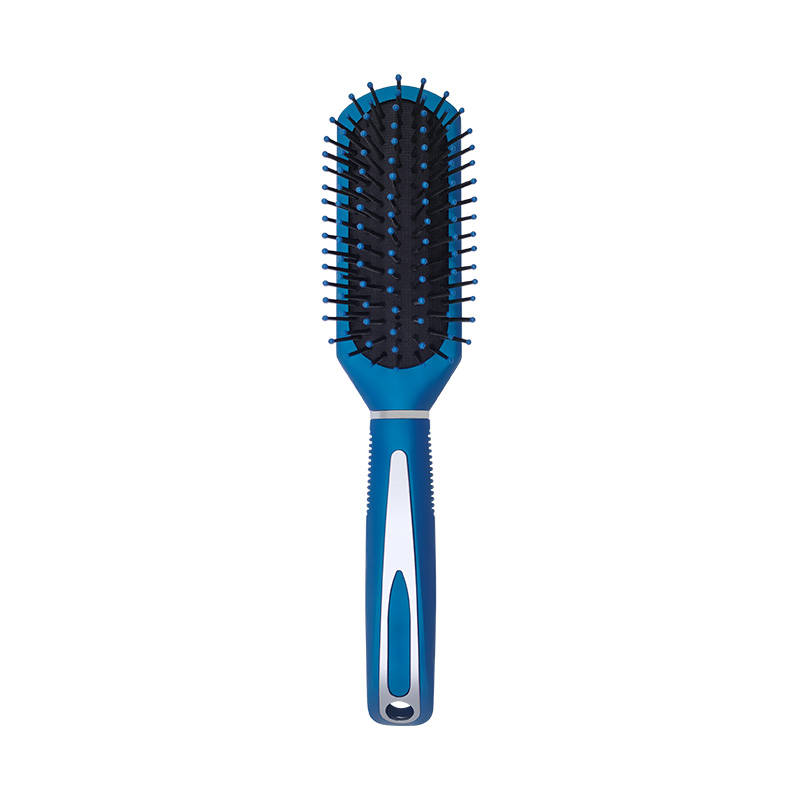
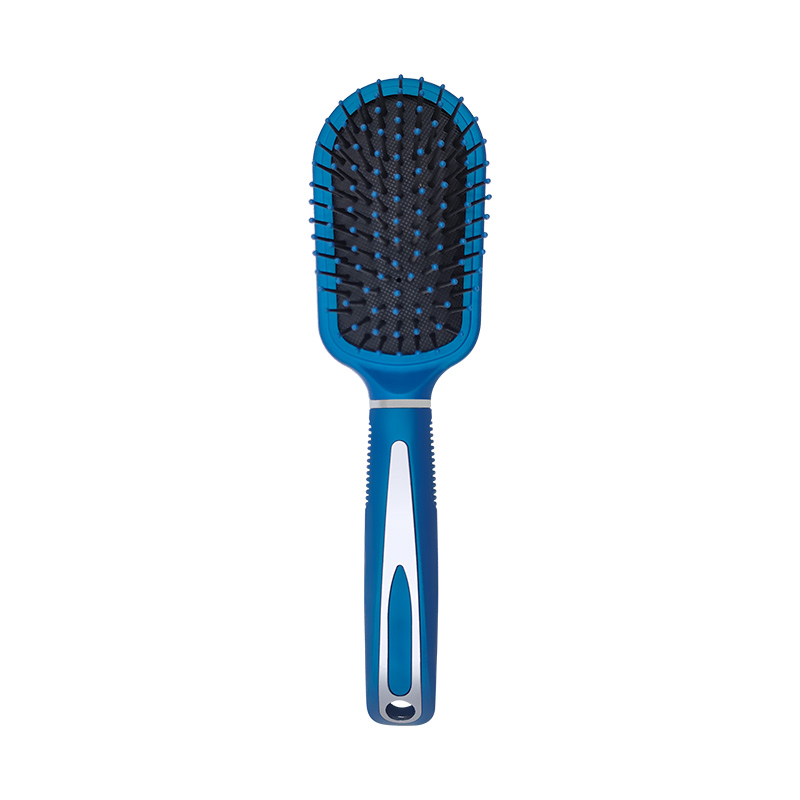
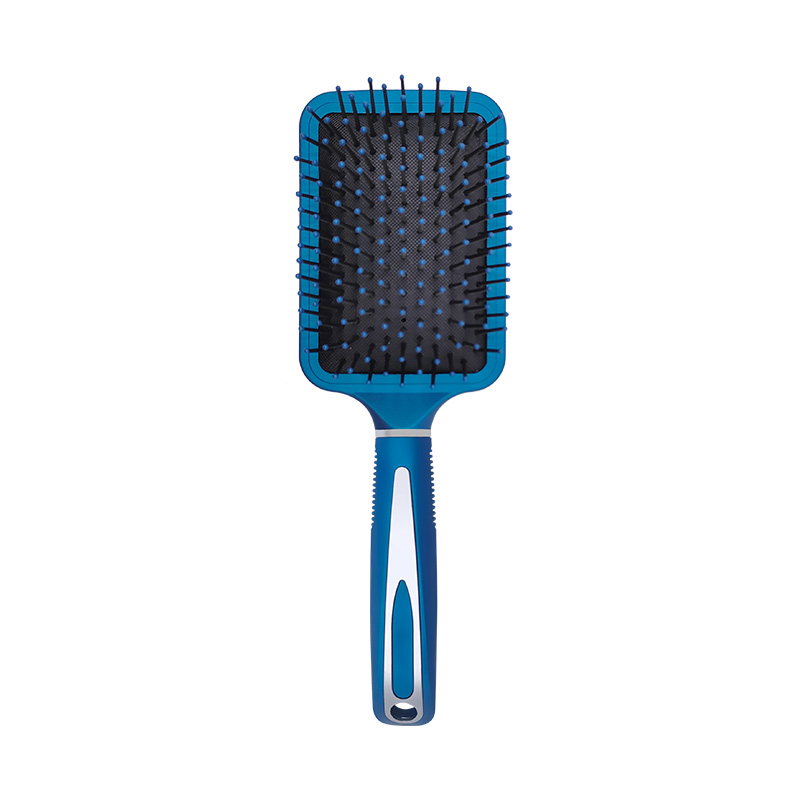
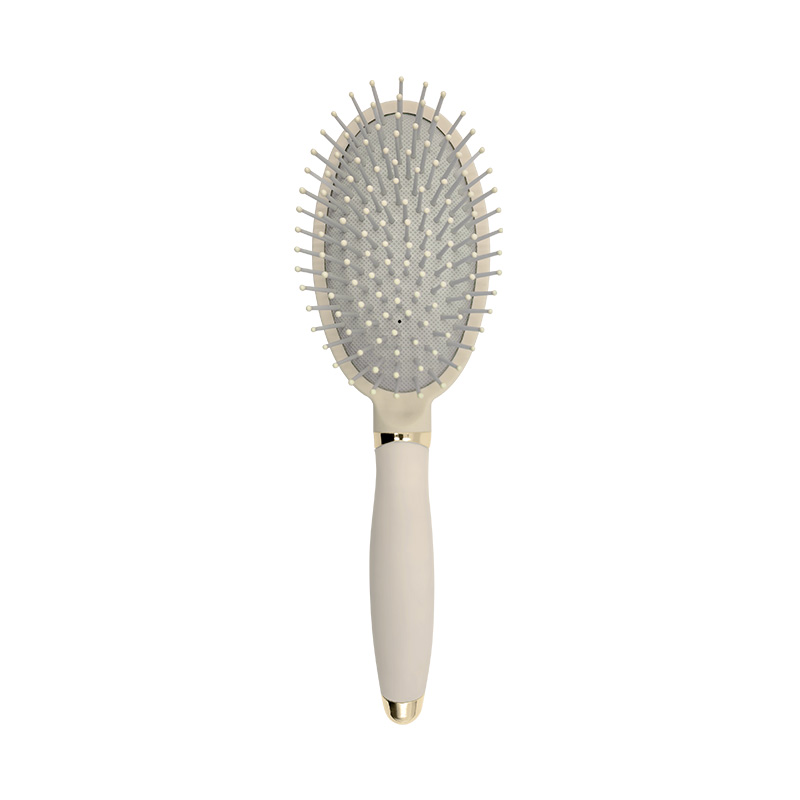
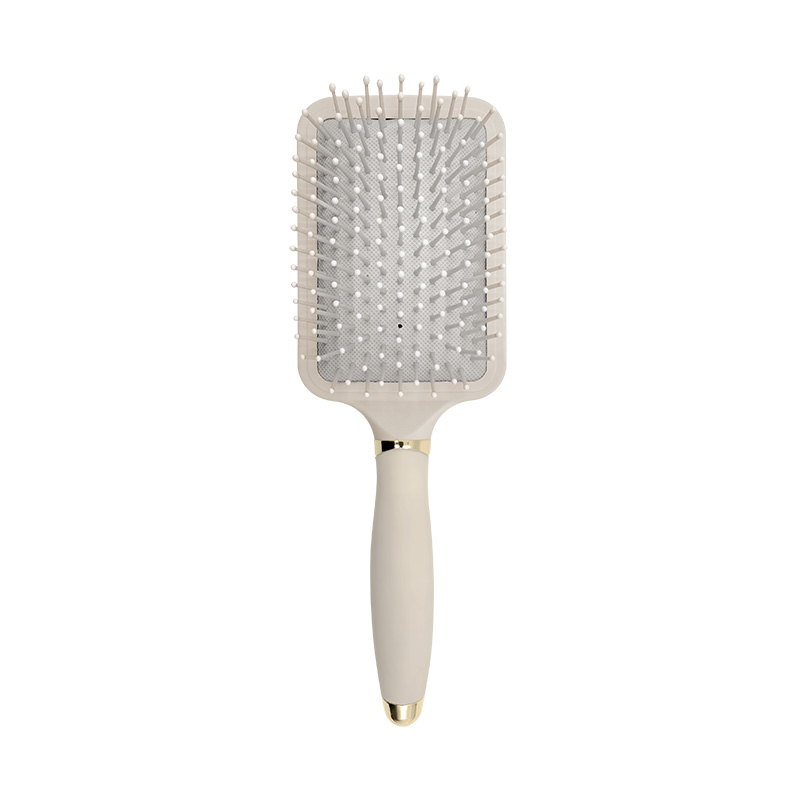
| Paddle Brush | Long, thick, or straight hair | Detangling, smoothing, everyday brushing | Short hair, tight curls |
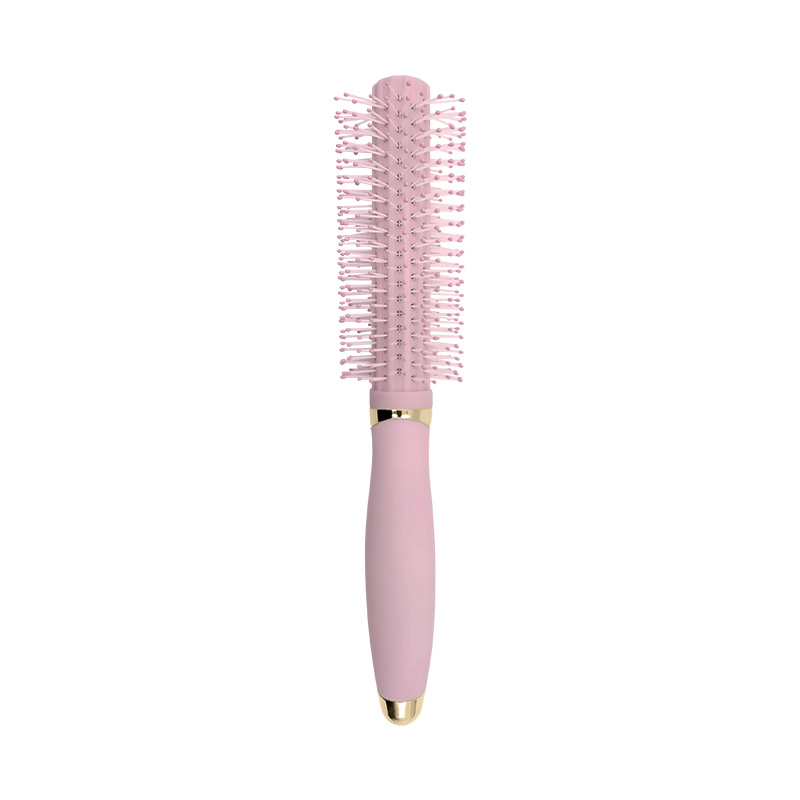
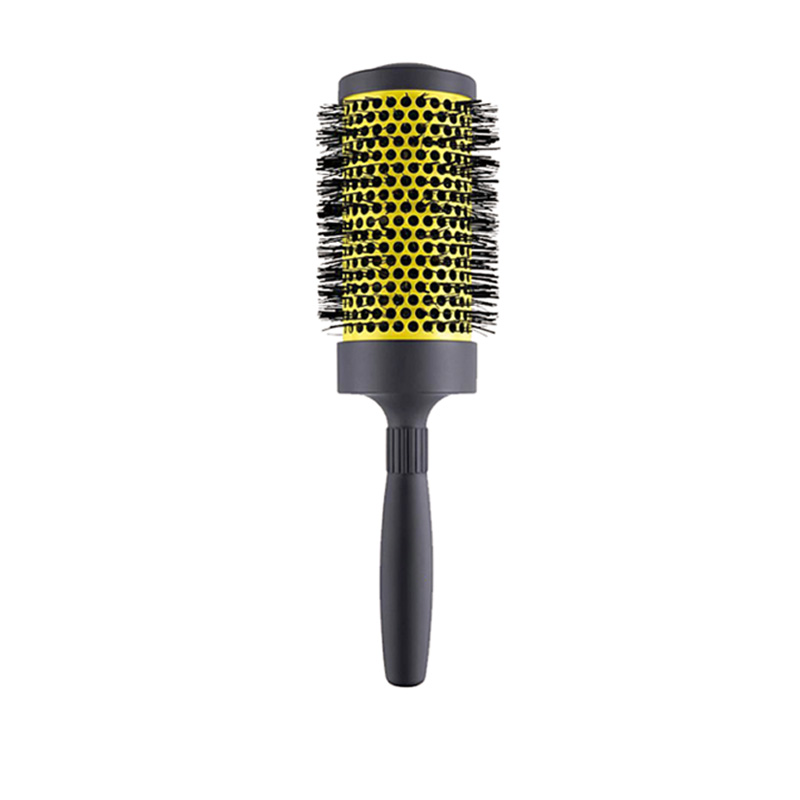
| Barrel / Round Brush | All lengths, wavy to straight | Blowouts, adding volume, curling ends | Very curly or coily hair (can tangle) |
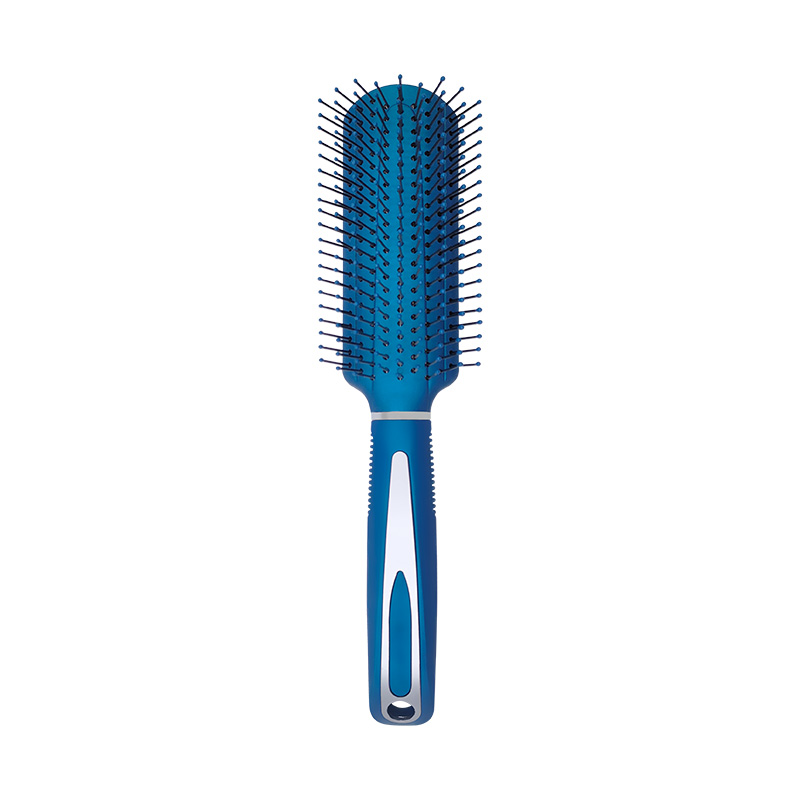
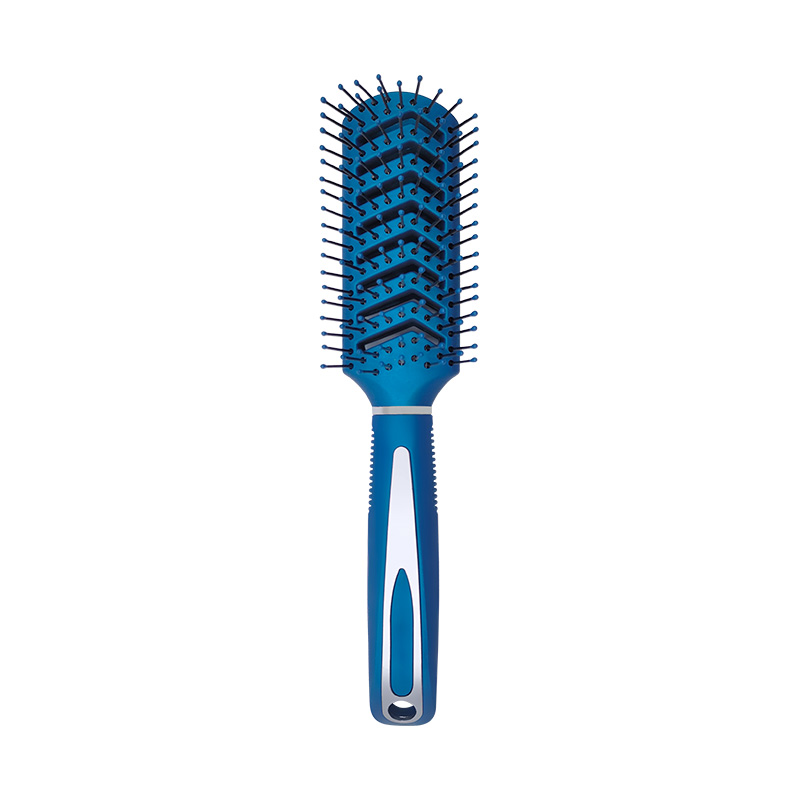
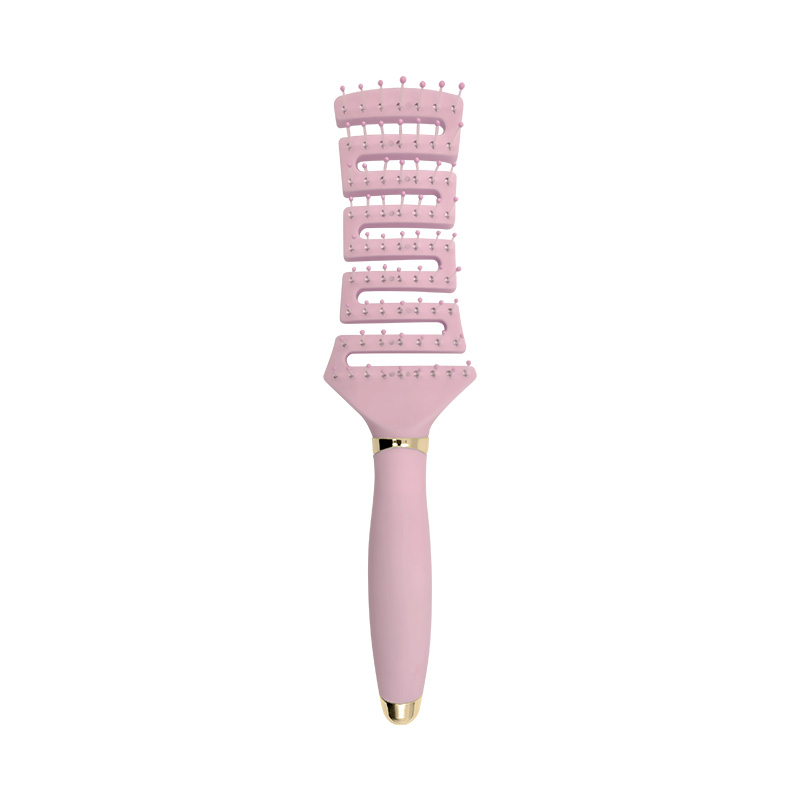
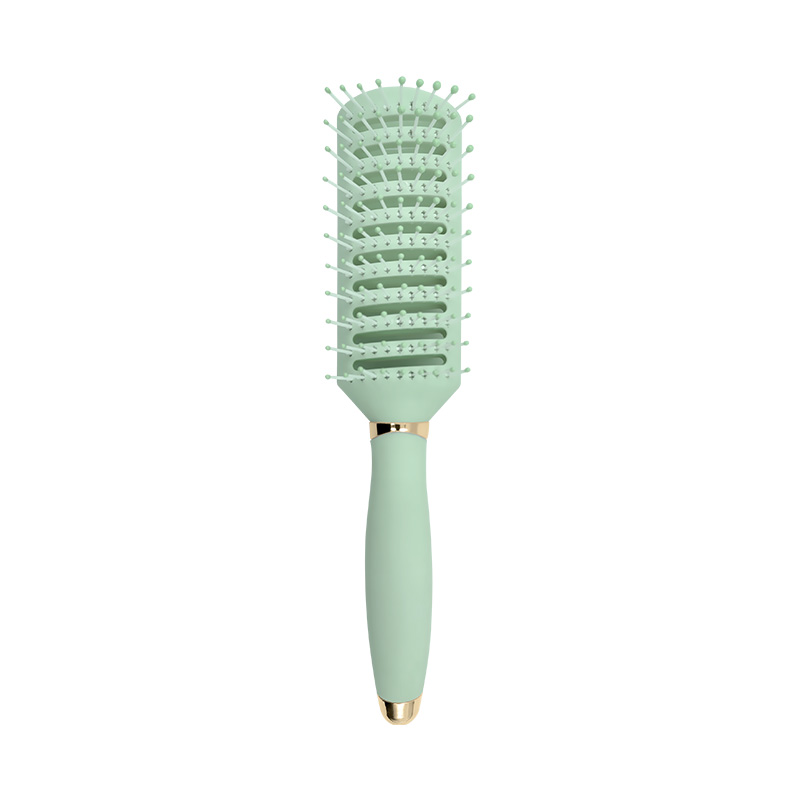
| Vent Brush | Fine to medium hair | Fast blow-drying, everyday styling | Sleek styles, thick hair |
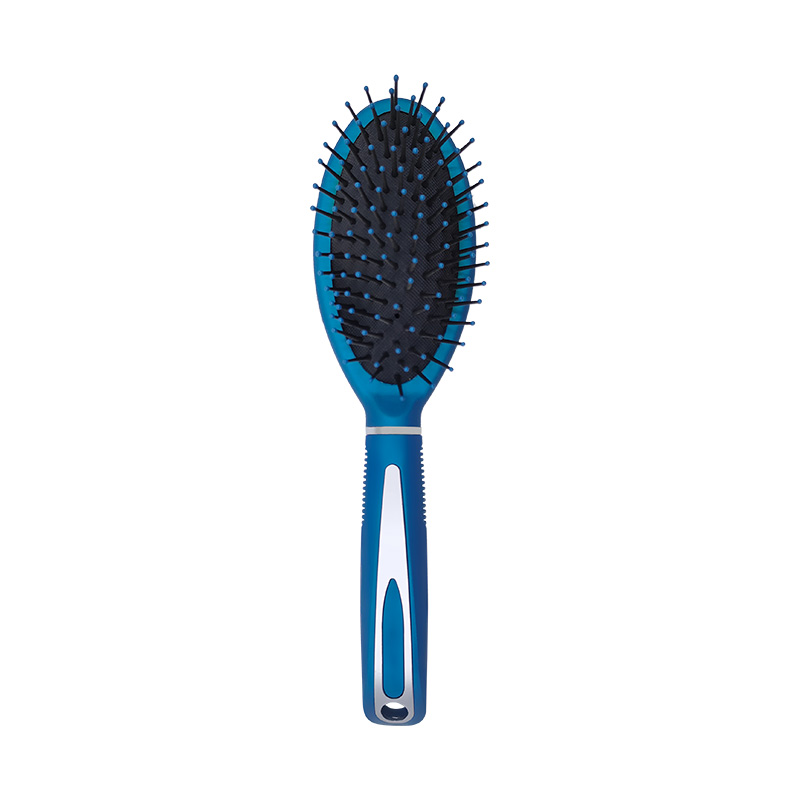
| Boar Bristle Brush | Fine, normal, or color-treated hair | Shine, scalp stimulation, oil distribution | Thick, coarse, or very curly hair |
| Detangling Brush | Wet, curly, or tangled hair | Gentle detangling without breakage | Styling, adding volume |
| Kids Brush | Fine, delicate children's hair | Pain-free detangling, gentle scalp care | Adult thick or coarse hair |
How to Choose a Hairbrush Based on Your Hair Type
Hair type — not personal preference — should drive your first decision. Here's how to narrow it down fast.
Fine or Thin Hair
Fine hair is easily damaged and prone to static. Soft natural bristles, such as boar bristle or a boar-nylon blend, are the safest choice — they move through the hair without snagging individual strands. Avoid stiff nylon pins with ball tips on fine hair; they create friction that snaps fragile shafts. A cushion-base paddle brush with soft bristles also works well for everyday detangling without adding volume-robbing stress.
Thick or Coarse Hair
Thick hair needs penetrating power. Look for brushes with widely spaced, firm nylon or mixed bristles that can reach the scalp through dense layers. A large paddle brush (at least 3 inches wide) or a large-barrel round brush with stiff bristles handles thick hair without the bristles bending flat on contact. Wooden-handle brushes tend to be heavier, which gives better grip during longer detangling sessions.
Curly or Coily Hair
Most traditional brushes disrupt curl pattern and cause frizz. For curly hair, use a wide-tooth detangling brush with flexible pins only on wet, conditioner-coated hair. Brands like Denman and Felicia Leatherwood have designed brushes specifically to define and detangle curl patterns without breaking the coil structure. Dry brushing curly hair with a standard brush is one of the most common causes of frizz and breakage in textured hair.
Wavy Hair
Wavy hair benefits from a mixed-bristle brush — part boar bristle, part nylon — which smooths the cuticle without fully straightening the wave. A medium-barrel round brush is also ideal for blowouts that enhance the wave rather than flatten it.
Barrel Hairbrushes: Choosing the Right Diameter
Barrel hairbrushes (also called round brushes) are among the most versatile tools in a styling kit, but the barrel diameter determines the result. This is the detail most buyers get wrong.
- Small barrel (under 1 inch / 25mm): Tight curls, root lift at the crown, short pixie cuts. Best for creating defined ringlets or dramatic volume at the roots.
- Medium barrel (1–1.5 inches / 25–38mm): Loose waves, shoulder-length hair, flip-under or flip-out ends. The most versatile size for the majority of blowout styles.
- Large barrel (1.75–2.5 inches / 44–63mm): Smooth blowouts, soft volume, long hair. This is the professional salon standard for a sleek, bouncy finish on medium to long hair.
- Extra-large barrel (3 inches+ / 75mm+): Straightening with slight volume for very long, thick hair. Minimal curl, maximum smoothness.
Barrel brushes also come in ceramic, metal (aluminum), or wood-core barrels. Ceramic barrels retain heat evenly and reduce hot spots, making them the preferred choice for heat styling. Metal barrels heat up faster but can overheat sections if held in one place too long.
ECO Hairbrushes: Sustainable Options That Don't Compromise Performance
The global hairbrush market is shifting toward sustainability, and ECO hairbrushes have moved well beyond token green gestures. Today's best ECO options are competitive with conventional brushes on performance while significantly reducing plastic waste.
What Makes a Hairbrush Truly ECO?
Look beyond marketing language. A genuinely ECO hairbrush typically features:
- Biodegradable or recycled handles: Bamboo, FSC-certified wood, reclaimed wood, or handles made from recycled ocean plastic (brands like Acca Kappa and Bass Brushes use these materials).
- Natural bristles: Boar bristle, plant-based nylon alternatives, or Tencel fiber bristles instead of virgin petroleum-based plastics.
- Replaceable brush heads: Some ECO brands design brushes where only the bristle pad is replaced rather than the entire brush — reducing waste by up to 70% over the product's lifetime.
- Plastic-free packaging: Cardboard, paper ties, or no packaging at all.
Top ECO Hairbrush Materials Compared
Bamboo handles are the most widely available ECO option — bamboo grows to maturity in 3–5 years versus 20–80 years for most hardwoods. However, bamboo brushes often still use nylon bristles, so check the full material list. True zero-plastic ECO brushes — bamboo handle, boar bristle, rubber cushion pad from natural latex — exist but are harder to find and typically cost $25–$60 compared to $8–$15 for standard plastic options.
Wooden Hairbrushes: Benefits Beyond Aesthetics
Wooden hairbrushes have been used for centuries, and for good reason — wood offers functional advantages that plastic cannot replicate. Wooden hairbrushes generate significantly less static electricity than plastic brushes, which makes them especially valuable for fine or fly-away hair in dry climates or during winter.
Types of Wood Used in Hairbrushes
- Beechwood: The most common wood used in quality hairbrushes (brands like Kent and Olivia Garden use beechwood extensively). Dense, smooth, and resistant to moisture when properly finished.
- Bamboo: Technically a grass, but functions like wood in brush handles. Lightweight and fast-growing, making it the most sustainable choice.
- Cherry and walnut: Used in premium brushes for their visual warmth and fine grain. More expensive but exceptionally durable.
- Olive wood: Dense and naturally antimicrobial. Found in artisan-crafted brushes, particularly from Italian and Spanish makers.
Wooden Brush Maintenance
Wood requires slightly more care than plastic. Avoid soaking wooden brushes in water — prolonged moisture causes warping and loosens bristles. Clean by removing hair with a comb, then wiping the bristles with a barely damp cloth and a drop of mild shampoo. Dry wooden brushes bristle-side down to prevent water from pooling at the base of the pins, which accelerates deterioration. Apply a light coat of linseed or tung oil to the handle annually to prevent cracking.
Classic Hairbrushes: Timeless Designs That Still Outperform Trends
Classic hairbrushes — the boar bristle brush, the cushion paddle, the military-style flat brush — have remained largely unchanged for decades because they work exceptionally well. The most enduring classic is the pure boar bristle brush, which mimics the structure of human hair closely enough to distribute sebum (the scalp's natural oil) from root to tip, adding natural shine without product.
Classic brushes from heritage brands like Mason Pearson (founded 1885), Kent (founded 1777), and Denman (founded 1938) command prices of $30–$200 but routinely last 10–20 years with proper cleaning. Over a decade, that's often cheaper per use than replacing cheaper brushes every 1–2 years. When choosing a classic brush, look for a hand-tied bristle base (not glued), a pneumatic cushion pad for flexibility, and a handle weight that feels balanced in your hand.
Trendy Hairbrushes: What's Worth Buying and What's Hype
The beauty industry launches new brush innovations regularly. Some represent genuine improvements; others are marketing over substance.
Worth Considering
- Detangling brushes with flexible pin technology (e.g., Wet Brush, Tangle Teezer): Genuinely reduce breakage on wet hair. Studies and wide consumer adoption validate their effectiveness — the Tangle Teezer has sold over 50 million units globally since 2007.
- Scalp-stimulating brushes: Silicone pin brushes designed for scalp massage during shampooing improve blood circulation and have measurable uptake in the dermatology community for promoting hair growth support.
- Blow-dry brush tools (e.g., Revlon One-Step): Combine barrel brush and hair dryer into one tool. Convenient and effective for medium-thickness hair; not a replacement for a professional round brush in skilled hands but excellent for everyday users.
Skip or Approach With Skepticism
- Ionic hairbrushes claiming to permanently alter hair texture: Ionic technology in blow dryers is real and documented; passive ionic brushes without a power source have very limited scientific backing.
- Vibrating "scalp stimulation" brushes at low price points: Inconsistent motor quality and no peer-reviewed backing at the consumer tier.
Kids Hairbrushes: What Parents Need to Know
Children's hair — especially in the toddler and early childhood stage — is finer, more fragile, and more sensitive at the scalp than adult hair. The wrong brush turns hair brushing into a painful daily battle. The single most important feature in a kids hairbrush is bristle softness, followed closely by flexible pin give and a comfortable grip for small hands or a parent's grip.
Key Features for Kids Hairbrushes
- Extra-soft bristles: Ball-tipped nylon pins or ultra-soft boar bristle. Avoid firm or stiff bristle sets entirely for children under 8.
- Cushion base: A pneumatic (air-filled) cushion pad flexes on contact, dramatically reducing scalp pressure. This is the feature that turns a painful brush into a comfortable one.
- Non-slip handle: Rubberized or contoured handles prevent slipping during wriggling. For toddlers, short handles with wide grips work best.
- BPA-free and non-toxic materials: Children's brushes enter the mouth. Look for BPA-free plastic or natural wood with non-toxic finishes certified to EN71 (European toy safety standard) or ASTM F963 (U.S. standard).
- Easy to clean: Children's brushes collect product residue, lint, and bacteria faster than adult brushes. Removable bristle pads or open-pin designs simplify weekly cleaning.
Age-Based Brush Recommendations for Kids
- 0–12 months: Soft natural goat hair or ultra-soft boar bristle brush for gentle cradle cap brushing and scalp stimulation. No pins.
- 1–4 years: Cushion detangling brush with flexible ball-tipped pins. The Wet Brush Kids line and the Tangle Teezer Mini are widely recommended by pediatric hairstylists.
- 5–12 years: Transition to a standard soft-to-medium cushion brush, appropriate to the child's hair texture, following the same adult hair-type guidelines above.
Quick Reference: Matching the Right Brush to Your Situation
Use this summary to make a fast, confident decision:
- Want maximum shine and scalp health: Classic boar bristle brush (Mason Pearson, Kent, Bass Brushes)
- Blowout or salon-quality styling at home: Ceramic barrel brush, medium or large diameter
- Eco-conscious buyer: Bamboo-handle ECO brush with natural bristles or replaceable head system
- Reduce static, no plastic: Wooden paddle or cushion brush (beechwood or bamboo)
- Wet hair or curly texture: Flexible detangling brush (Wet Brush, Tangle Teezer)
- Child with fine, sensitive hair: Soft cushion kids brush with ball-tipped pins and non-slip handle
- Quick everyday blowdry: Vent brush or all-in-one hot air brush tool