

 en
en 简体中文
简体中文 English


Content
- 1 Why Disinfecting Hair Brushes Matters More Than Most People Realize
- 2 Step One: Remove Hair and Loose Debris Before Disinfecting
- 3 The Best Disinfecting Solutions for Hair Brushes and Combs
- 4 Step-by-Step: How to Disinfect Plastic and Nylon Hairbrushes
- 5 How to Disinfect Natural Bristle Hairbrushes Without Damage
- 6 How to Disinfect Combs: Plastic, Metal, and Fine-Tooth Types
- 7 Disinfecting Hair Brushes After Lice, Illness, or Scalp Infection
- 8 How Different Hairbrush Types Should Be Cleaned and Disinfected
- 9 What Hairbrush Factories Do to Ensure Hygiene at Point of Sale
- 10 How Often Should You Disinfect Your Hair Brush and Comb
- 11 Signs That Your Hair Brush Needs to Be Replaced, Not Just Cleaned
To disinfect hair brushes and combs, remove all trapped hair first, then soak in a solution of warm water mixed with either isopropyl alcohol, white vinegar, or antibacterial dish soap for 10–30 minutes, scrub with a clean toothbrush, rinse thoroughly, and air dry bristle-side down. This process eliminates bacteria, fungi, product buildup, and scalp debris that accumulate with regular use. The specific method varies slightly by brush material — what works safely on a plastic brush may damage a natural-bristle or wooden brush.
Why Disinfecting Hair Brushes Matters More Than Most People Realize
A hairbrush used daily accumulates far more than just loose hairs. Studies on personal grooming tools have found that the average hairbrush harbors bacteria, yeast, mold spores, dead skin cells, sebum, and residual styling product — all within the bristle base and cushion pad. Left uncleaned, these contaminants are redistributed onto the scalp with every stroke, potentially contributing to scalp irritation, folliculitis, and dandruff flare-ups.
The issue is compounded in shared environments. Hairbrush and comb sharing is a primary transmission route for head lice (Pediculus humanus capitis), scalp ringworm (tinea capitis), and staphylococcal scalp infections. Hairbrush factories and professional salon suppliers recommend that brushes used in commercial settings be disinfected between every client — the same logic applies at home when brushes are shared among family members.
Dermatologists generally recommend cleaning hairbrushes at least once per week for daily users, with full disinfection once every two to four weeks depending on product use and scalp condition.
Step One: Remove Hair and Loose Debris Before Disinfecting
Disinfecting solutions cannot penetrate or sanitize through a thick layer of tangled hair and product residue. Debris removal is a non-negotiable first step that determines how effective the disinfection will be.
- Use a rat-tail comb or fine pick to lift hair strands from the bristle base, working from one end of the brush to the other in rows.
- Pull lifted hair off with your fingers or use a pair of scissors to cut through dense mats of hair before pulling — this avoids stressing the bristles or pad.
- Tap the brush firmly bristle-side down against the edge of a sink or trash bin to dislodge loose skin flakes and dry debris.
- Use a dry toothbrush to scrub the bristle base and remove compacted lint or powder residue before wetting the brush.
After this step, the brush should be visibly free of hair and loose particles — only product buildup and microbial contamination remain, which the disinfecting soak addresses.
The Best Disinfecting Solutions for Hair Brushes and Combs
Several household and professional solutions effectively disinfect hairbrushes. The right choice depends on your brush material and the level of contamination you need to address.
| Solution | Dilution | Soak Time | Best For | Avoid On |
|---|---|---|---|---|
| Isopropyl alcohol (70%) | Undiluted or 1:1 with water | 10–15 min | Plastic combs, metal picks | Natural bristles, rubber cushion pads |
| White vinegar | 1:1 with warm water | 20–30 min | All plastic and nylon brushes, combs | Wooden handles (prolonged soaking) |
| Antibacterial dish soap | A few drops in warm water | 10–20 min | All brush types including natural bristle | Not suitable for lice disinfection alone |
| Baking soda + dish soap | 1 tsp baking soda + soap in warm water | 15–20 min | Heavy product buildup on plastic brushes | Boar bristle brushes |
| Bleach solution | 1 tbsp bleach per gallon of water | 10 min max | Lice outbreak, fungal infection, salon use | Natural bristles, colored or decorative brushes |
| Tea tree oil solution | 10–15 drops in warm water | 20–30 min | Antifungal concerns, gentle disinfection | Not sufficient alone for lice |
For general home disinfection, a 1:1 white vinegar and warm water solution is the safest all-purpose choice — it kills most bacteria and fungi, dissolves mineral deposits, and is safe for most brush materials. For professional or post-illness disinfection, a dilute bleach solution or 70% isopropyl alcohol provides stronger antimicrobial action.
Step-by-Step: How to Disinfect Plastic and Nylon Hairbrushes
Plastic and nylon brushes are the most common type found in homes and are the most forgiving when it comes to cleaning methods. Most can tolerate full submersion without damage.
- Remove all hair using a comb or pick as described above.
- Fill a bowl or basin with warm (not boiling) water and add your chosen disinfecting agent — a 1:1 vinegar solution or a few drops of antibacterial dish soap work well.
- Submerge the brush fully and allow it to soak for 15–20 minutes. The soaking loosens product buildup and allows the disinfectant to reach the bristle base.
- Scrub with an old toothbrush — work between the bristles and across the cushion pad where bacteria concentrate. Pay extra attention to the base where bristles meet the pad.
- Rinse under cool running water until no soap or vinegar smell remains and the water runs clear.
- Shake out excess water and place bristle-side down on a clean towel. Allow to air dry completely — at least 2–4 hours — before using. Storing a damp brush accelerates mold growth inside the cushion pad.
How to Disinfect Natural Bristle Hairbrushes Without Damage
Boar bristle brushes and other natural-bristle brushes require more careful handling. Natural bristles are protein-based (similar to hair) and can be weakened by prolonged soaking, harsh detergents, or alcohol-based solutions. Wooden handles will crack, split, or warp if submerged in water.
Recommended Method for Natural Bristle Brushes
- Remove all hair thoroughly — natural bristle brushes trap hair more densely than synthetic types.
- Mix a small amount of gentle shampoo (or baby shampoo) in a shallow bowl of lukewarm water — avoid hot water, which can soften the adhesive holding bristles in the pad.
- Dip only the bristle section into the solution — hold the brush at an angle so the handle and backing stay dry. Do not fully submerge.
- Work the solution through the bristles with your fingers or a soft toothbrush for 1–2 minutes.
- Rinse by dipping the bristle end only into clean water, repeating until the water runs clear. Avoid running the whole brush under a tap.
- Pat dry with a towel and lay bristle-side down on a dry cloth in a well-ventilated area. Natural bristle brushes require 8–12 hours or overnight to dry fully.
For disinfection beyond basic cleaning on a natural bristle brush, lightly spritz the bristles with diluted tea tree oil spray (10 drops per cup of water) after cleaning and before drying. This provides antifungal and antibacterial action without harsh chemical exposure to the bristle fibers.
How to Disinfect Combs: Plastic, Metal, and Fine-Tooth Types
Combs are generally easier to disinfect than brushes due to their simpler structure — there is no cushion pad or bristle base to harbor debris. Most plastic and metal combs tolerate full submersion without issue.
- Remove all hair by pulling strands free or rinsing under running water.
- Soak in your chosen solution — for plastic combs, a 1:1 vinegar-water soak for 20 minutes or a 10-minute soak in 70% isopropyl alcohol works well. For metal combs, avoid vinegar (which can corrode some metals) and use dish soap solution instead.
- Scrub between teeth with a toothbrush or interdental brush to remove any trapped sebum or product residue at the tooth base.
- Rinse thoroughly and dry with a clean towel before storing.
Fine-tooth combs used for lice detection should be disinfected after every use by soaking in hot water (above 130°F / 54°C) for 10 minutes, which kills lice and nits on contact, or by soaking in 70% isopropyl alcohol for 10 minutes.
Disinfecting Hair Brushes After Lice, Illness, or Scalp Infection
Standard cleaning routines are not sufficient after a confirmed head lice infestation, scalp fungal infection, or illness involving scalp sores or open skin. These situations require more aggressive disinfection protocols.
After Head Lice
Lice can survive off the scalp for up to 48 hours, and nits (eggs) can remain viable on brush bristles. To eliminate both:
- Soak the brush in water heated to at least 130°F (54°C) for a minimum of 10 minutes — this temperature kills both live lice and nits.
- Alternatively, seal brushes in a airtight plastic bag for 48–72 hours — lice suffocate and dehydrate without a human host.
- For plastic combs and brushes, a 10-minute soak in 70% isopropyl alcohol after the hot water treatment provides additional assurance.
- Replace brushes with rubber or fabric cushion pads if the infestation was severe — nits lodge in cushion fibers and are extremely difficult to fully remove.
After Scalp Ringworm or Fungal Infection
Tinea capitis (scalp ringworm) is caused by dermatophyte fungi that can survive on brush surfaces. Use a dilute bleach solution (1 tablespoon of bleach per gallon of water) for a 10-minute soak on plastic or nylon brushes. Rinse very thoroughly afterward. Discard natural bristle or wooden brushes used during an active infection — disinfection cannot fully guarantee elimination of fungal spores from porous materials.
How Different Hairbrush Types Should Be Cleaned and Disinfected
| Brush/Comb Type | Full Submersion Safe? | Recommended Solution | Drying Time |
|---|---|---|---|
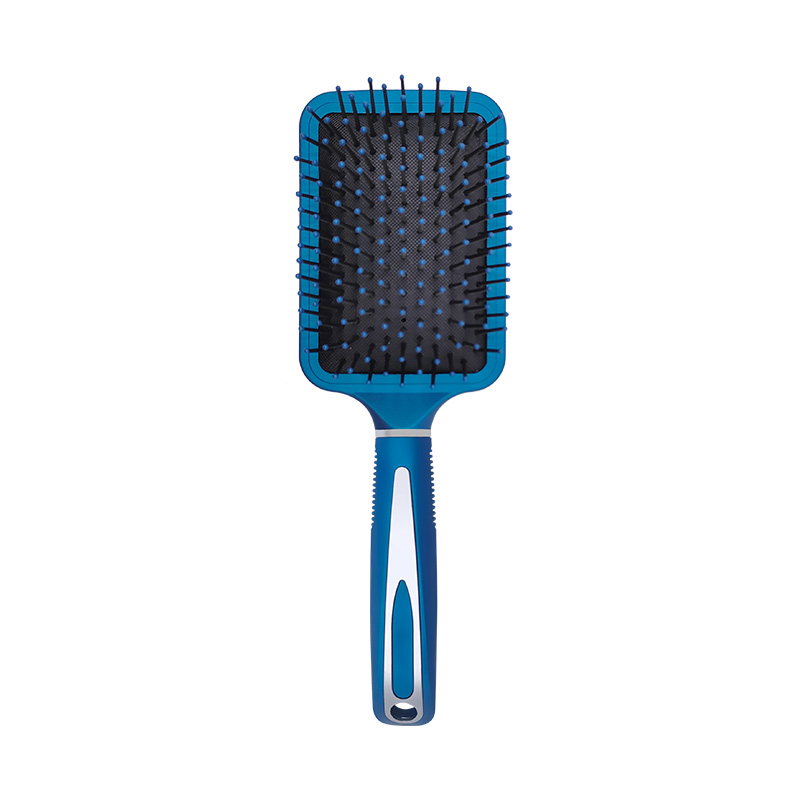
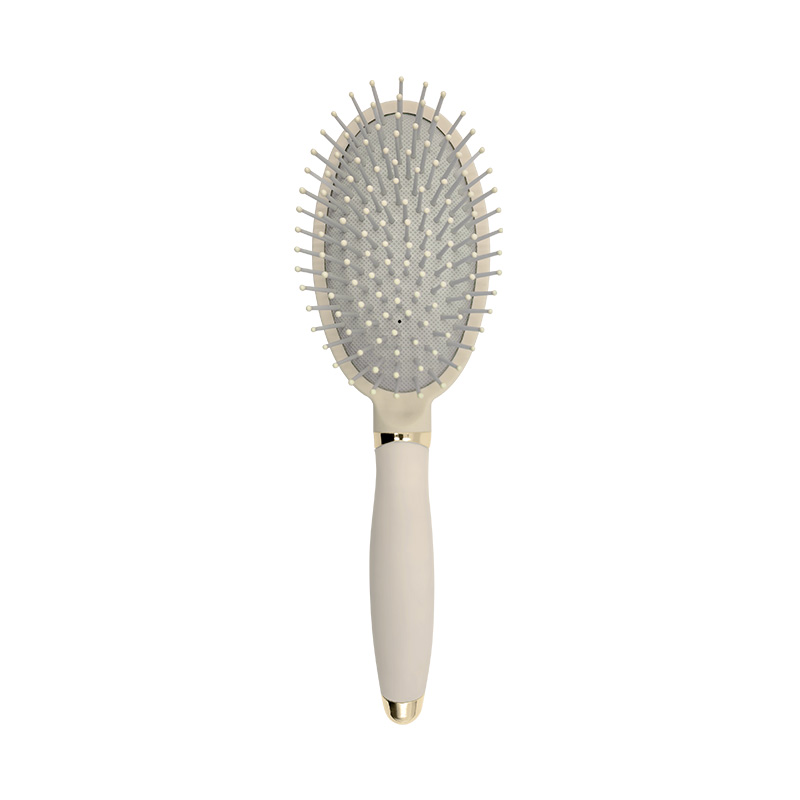
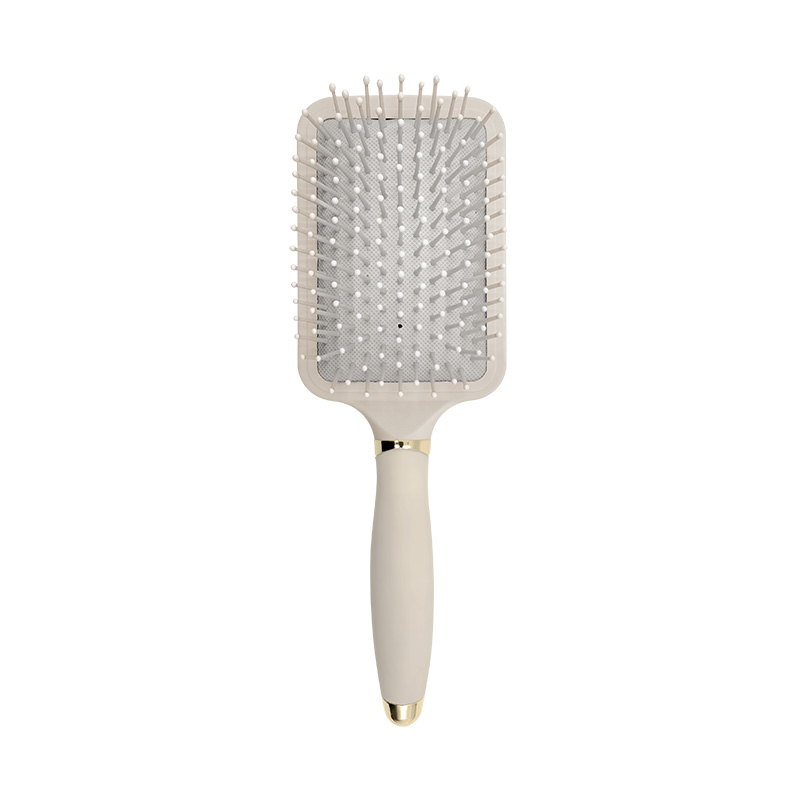
| Plastic paddle brush | Yes | Vinegar-water or dish soap | 2–4 hours |
| Boar bristle brush | Bristles only | Gentle shampoo + tea tree spray | 8–12 hours |
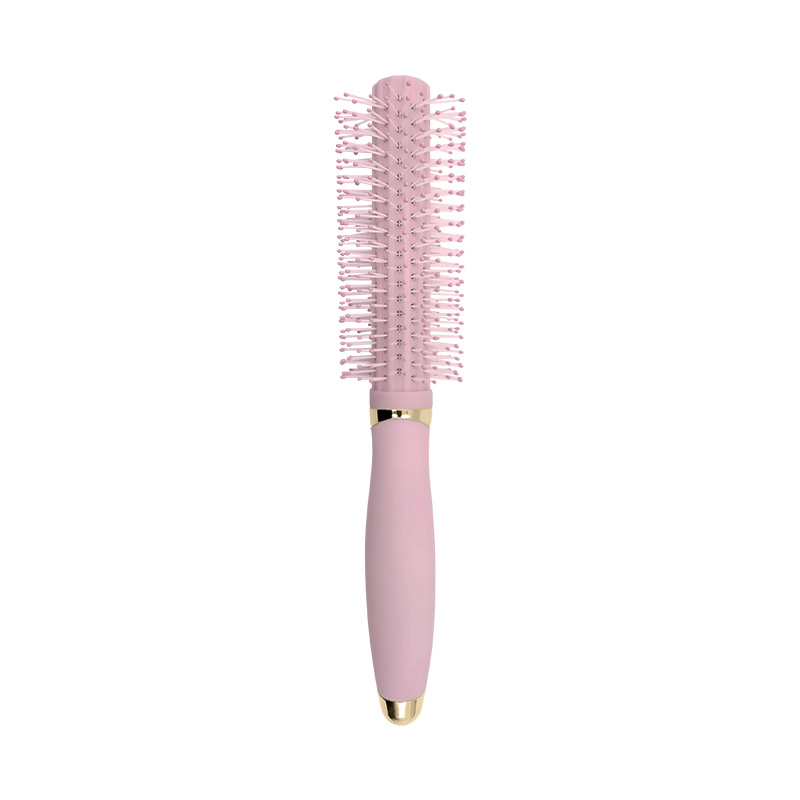
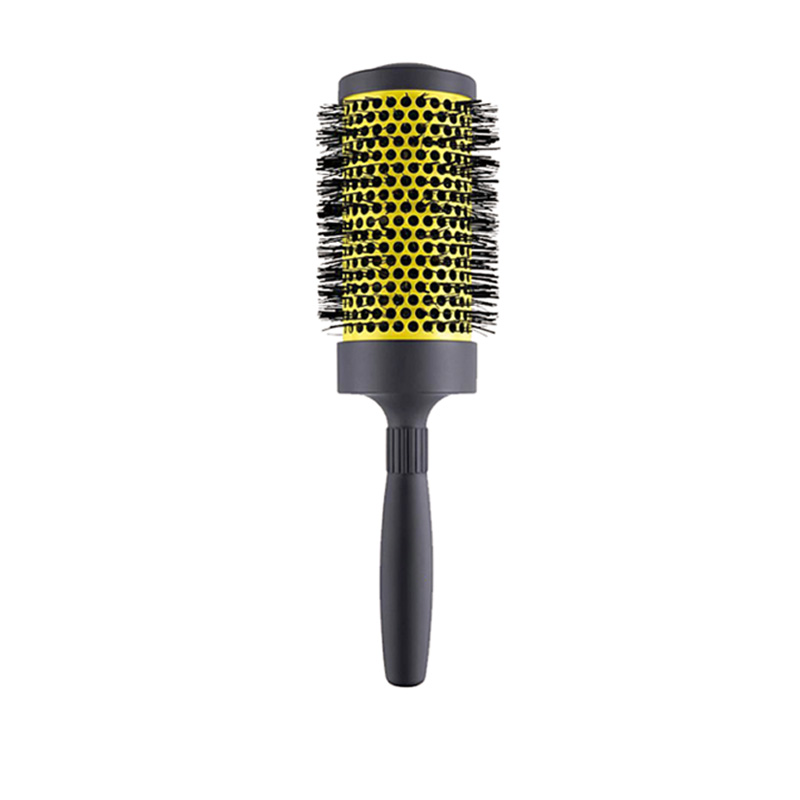
| Round styling brush | Depends on handle material | Dish soap soak; avoid wooden handles | 4–6 hours |
| Wide-tooth comb (plastic) | Yes | Vinegar-water or isopropyl alcohol | 30–60 min |
| Fine-tooth lice comb (metal) | Yes | Hot water 130°F+ or isopropyl alcohol | 30 min |
| Wooden brush (any bristle type) | No — wood warps | Damp cloth wipe + bristle-only dip | 12+ hours |
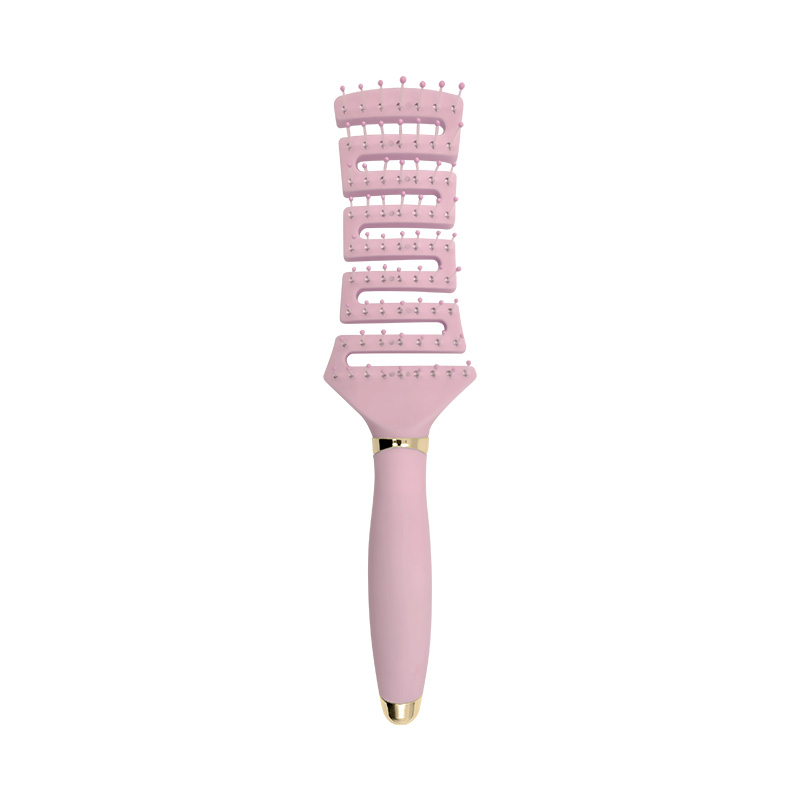
| Detangling brush (flexible pins) | Yes | Dish soap or vinegar-water | 2–3 hours |
What Hairbrush Factories Do to Ensure Hygiene at Point of Sale
Understanding factory hygiene standards helps consumers appreciate how much contamination accumulates during use — and why regular disinfection is necessary. Reputable hairbrush manufacturers follow strict quality control protocols before brushes reach retail shelves.
Most professional hairbrush factories that supply salon-grade or export-quality products are required to comply with international cosmetic tool hygiene standards, including ISO 22716 (Good Manufacturing Practices for cosmetic products). Under these standards, brushes are:
- Assembled in controlled-dust manufacturing environments to prevent airborne contamination of bristles
- Inspected for bristle security — loose bristles are a contamination and injury risk and are rejected before packaging
- Packaged in sealed wrapping or sleeve packaging to prevent contact contamination during shipping and retail display
- Tested to confirm that bristle materials (particularly natural boar bristle) meet specified cleanliness thresholds before incorporation into brush heads
However, factory cleanliness only addresses the brush at the point of manufacture. Within two to four weeks of regular use, a brush accumulates enough sebum, skin cells, and bacteria to significantly change its hygiene status — making consumer-level disinfection just as important as the factory cleaning standards applied during production.
How Often Should You Disinfect Your Hair Brush and Comb
Cleaning frequency should match usage intensity and personal scalp conditions. Here are evidence-informed guidelines:
- Weekly cleaning (basic): Remove hair and rinse with warm soapy water every 5–7 days for daily-use brushes.
- Bi-weekly deep clean: Full disinfection soak every 2 weeks for people who use styling products daily — product residue accelerates microbial growth.
- Monthly for low-use brushes: Brushes used only occasionally for dry hair with no product can be cleaned monthly.
- After every use (professional settings): Salon brushes and combs used on multiple clients should be disinfected between every client per most state cosmetology board regulations.
- Immediately after illness, lice, or infection: Disinfect all brushes and combs in the household as soon as the condition is identified — do not wait for the next scheduled cleaning.
Signs That Your Hair Brush Needs to Be Replaced, Not Just Cleaned
Even with regular disinfection, hairbrushes have a finite useful life. Continuing to use a degraded brush reintroduces problems that cleaning cannot fix:
- Splayed, bent, or missing bristles — compromised bristles snag and break hair instead of distributing oils evenly.
- Cracked or peeling cushion pad — a damaged pad traps moisture and bacteria in crevices that cannot be reached by cleaning.
- Persistent odor after cleaning — a brush that still smells musty or rancid after a full disinfection cycle has deep contamination in the cushion that will not resolve with surface cleaning.
- Visible mold on the cushion or handle — replace immediately; mold that has penetrated a brush pad cannot be fully eradicated by disinfection.
- Used during a confirmed lice or ringworm outbreak (natural bristle or wooden brushes) — the porous materials make complete disinfection unreliable; replacement is the safer choice.
Most hair care professionals recommend replacing everyday hairbrushes every 6–12 months with regular use, and combs every 12–18 months. High-quality brushes from reputable hairbrush factories — particularly those with replaceable cushion pads — can last significantly longer when properly maintained.