

 en
en 简体中文
简体中文 English


Content
- 1 Match the Brush to Your Hair Type First
- 2 Bristle Types and What Each Does to Your Hair
- 3 Brush Shape and Size: Which Design Does What
- 4 Handle Design and Ergonomics Matter More Than You Think
- 5 How to Evaluate Hairbrush Quality from the Factory Level
- 6 Hairbrush Selection by Styling Goal
- 7 How Often to Clean Your Hairbrush — and How to Do It
- 8 What to Know When Sourcing Hairbrushes from a Factory
The right hairbrush comes down to three factors: your hair type, your styling goal, and the bristle material. Fine or damaged hair needs soft, flexible bristles like natural boar or mixed nylon; thick or curly hair needs firm, widely spaced pins or paddle designs; and those who blow-dry or style daily need a round brush with a vented or ceramic barrel. Choosing wrong leads to breakage, frizz, and scalp irritation — choosing right can cut your styling time in half and visibly improve hair health within weeks.
This guide breaks down every variable — bristle type, brush shape, handle design, and what separates a quality factory-made brush from a cheap one — so you can make a confident, lasting choice.
Match the Brush to Your Hair Type First
Hair type is the single most important variable in brush selection. Using a brush designed for straight fine hair on thick coily hair will cause snagging, breakage, and frustration — no matter how expensive the brush is.
Fine or Thin Hair
Fine hair breaks easily and loses volume quickly. Choose a brush with soft, densely packed boar bristles or a mixed boar-and-nylon blend. The boar bristles distribute natural scalp oils along the hair shaft, adding shine without weighing strands down. Avoid hard nylon pins, which can cause static and snap fine strands. A flat paddle brush with a cushioned base works well for detangling; a small round brush (1–1.5 inch diameter) is ideal for adding volume at the roots during blow-drying.
Thick or Coarse Hair
Thick hair requires firm, widely spaced bristles that can penetrate the full depth of the hair. Nylon pin brushes or boar-nylon mixed brushes with longer, stiffer pins are the best choice. A large paddle brush (at least 3 × 5 inches) can detangle efficiently; a large round brush (2.5–3 inch barrel) is optimal for smoothing during blow-drying. Avoid soft boar-only brushes — they will glide over the surface without actually styling the hair underneath.
Curly or Wavy Hair
Brushing curly hair while dry can disrupt curl pattern and cause frizz. For curly hair, use a wide-tooth detangling brush or a wet brush with flexible nylon bristles on damp hair only, working from ends to roots. If you blow-out curly hair straight, a large round brush with a vented barrel and mixed bristles gives the best control. Many curly-hair specialists recommend the "finger-detangle first" approach before introducing any brush.
Damaged, Color-Treated, or Chemically Processed Hair
Processed hair has a weakened cuticle and is prone to breakage under mechanical stress. Use only soft natural boar bristle brushes or flexible-pin detangling brushes with a cushioned base that flexes on contact. Avoid any brush with metal pins or rigid nylon pegs. Tension during blow-drying should be minimized — use a round brush to guide rather than pull.
Bristle Types and What Each Does to Your Hair
Bristle material is the most technically significant factor in how a brush interacts with your hair. Each material has a specific effect on the cuticle, scalp, and overall finish.
| Bristle Type | Best For | Key Benefit | Avoid If |
|---|---|---|---|
| 100% Boar Bristle | Fine, straight, normal hair | Distributes oils, adds shine, smooths cuticle | Thick or tightly curly hair |
| Boar + Nylon Mix | Medium to thick hair | Detangles + smooths; versatile all-rounder | Very fine or severely damaged hair |
| Nylon Pin | Thick, coarse, or textured hair | Deep detangling, scalp stimulation | Fine or color-treated hair |
| Flexible Nylon | Wet or curly hair | Minimal breakage on wet strands | Precision blow-dry styling |
| Metal Pin (Ball-Tipped) | Thick, dry hair; scalp massage | Penetrates dense hair; stimulates scalp | Fine, fragile, or processed hair |
Quality boar bristles used by reputable hairbrush factories are graded by stiffness — Grade 1 (softest) through Grade 4 (stiffest). Consumer brushes rarely disclose the grade, but premium brands specify it. If you have fine hair, look explicitly for Grade 1 or Grade 2 boar bristle on the packaging.
Brush Shape and Size: Which Design Does What
The shape of a hairbrush determines the styling outcome more than most people realize. The same bristle type in a paddle versus a round brush will produce completely different results on the same hair.
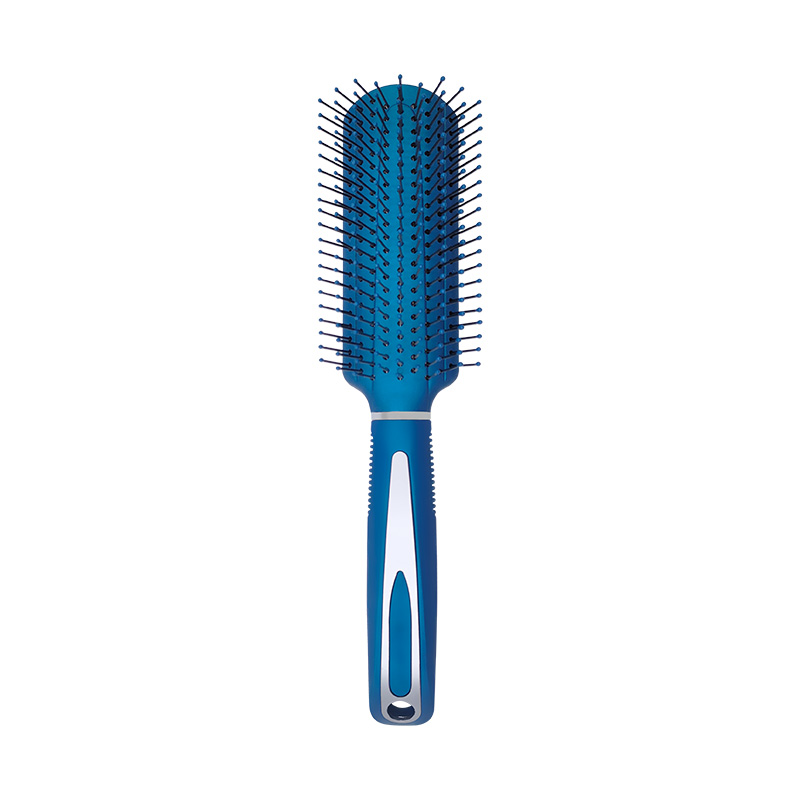
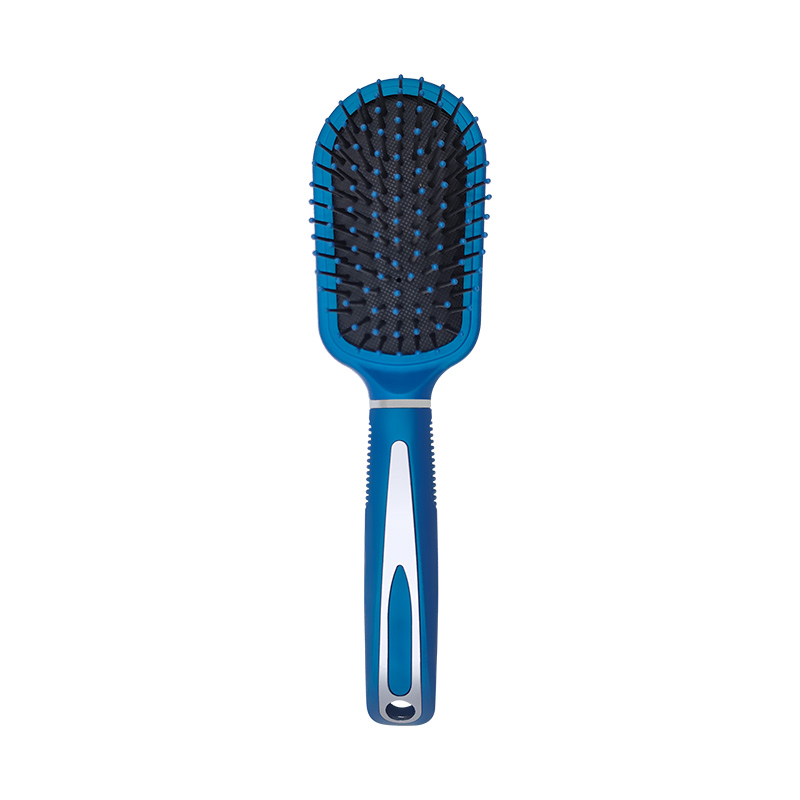
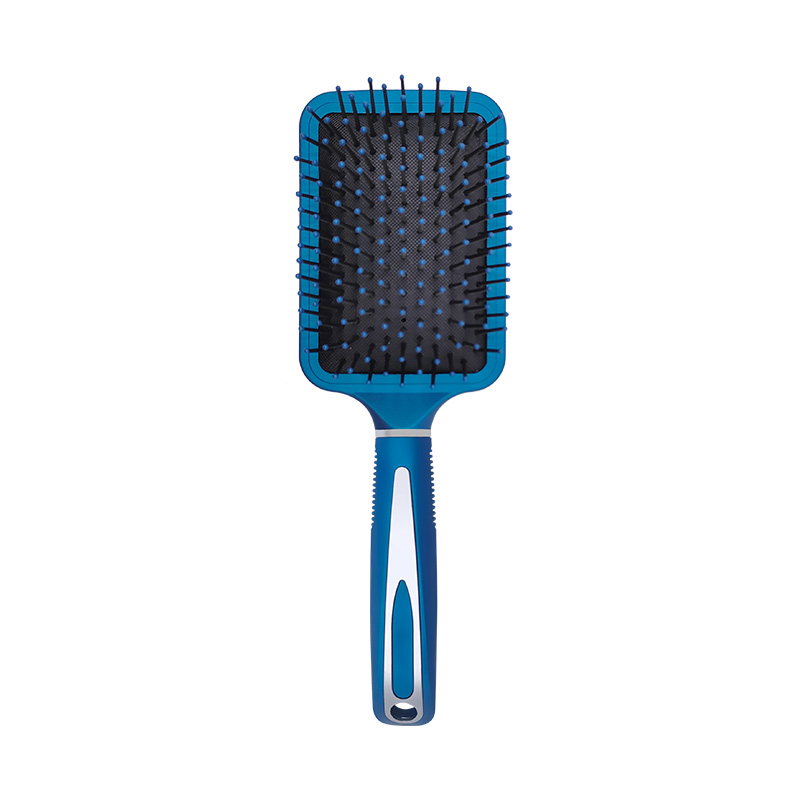
Paddle Brush
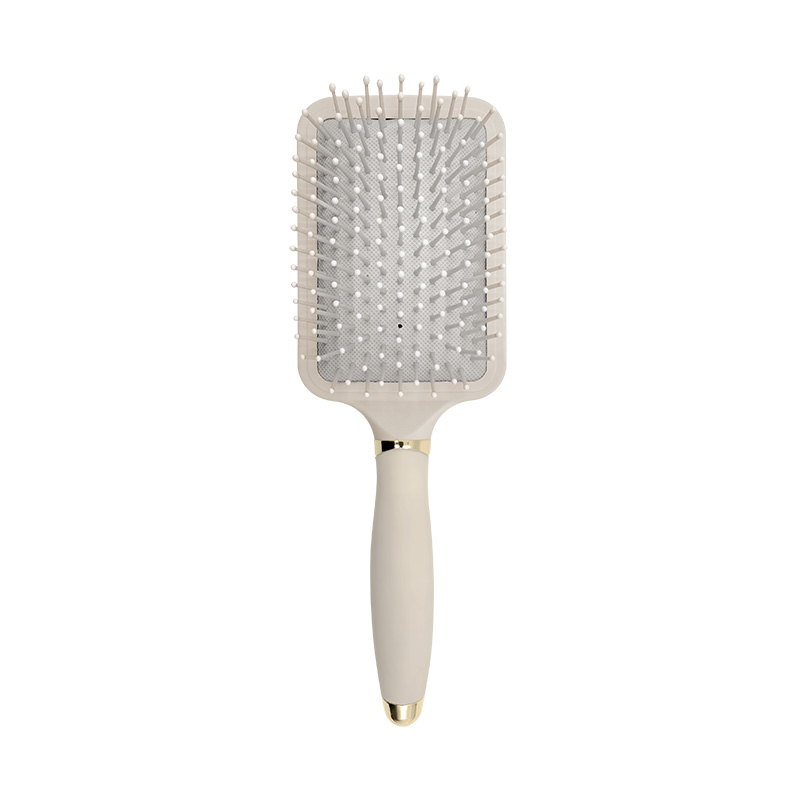
Wide, flat surface — typically 3 × 5 inches or larger. Best for detangling, smoothing, and straightening long or medium hair. The large surface area covers more hair per stroke, making it efficient for daily brushing. A cushioned base reduces scalp drag. Not suitable for adding curl or volume.
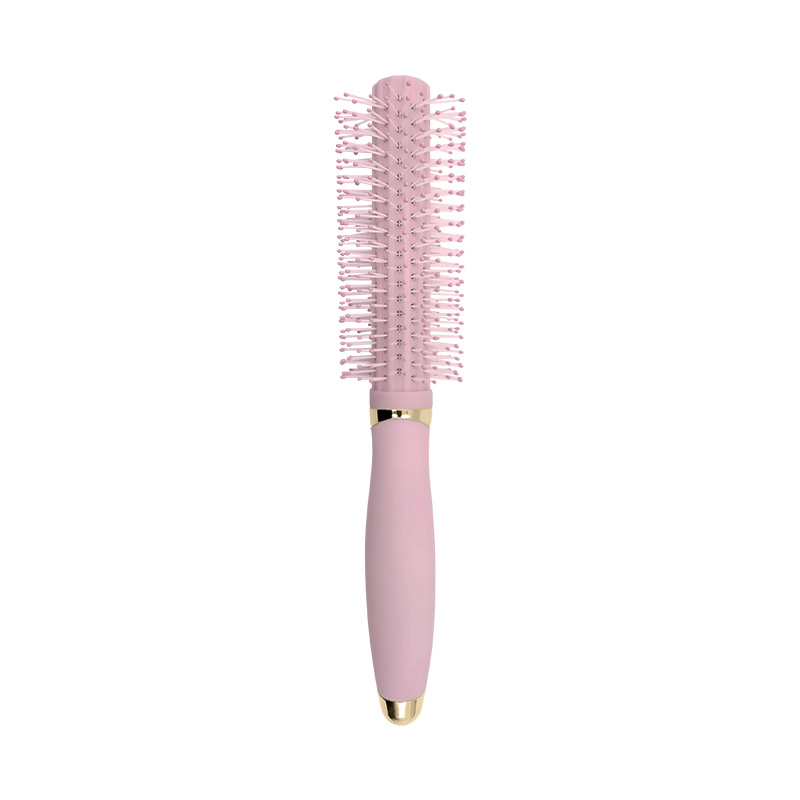
Round Brush
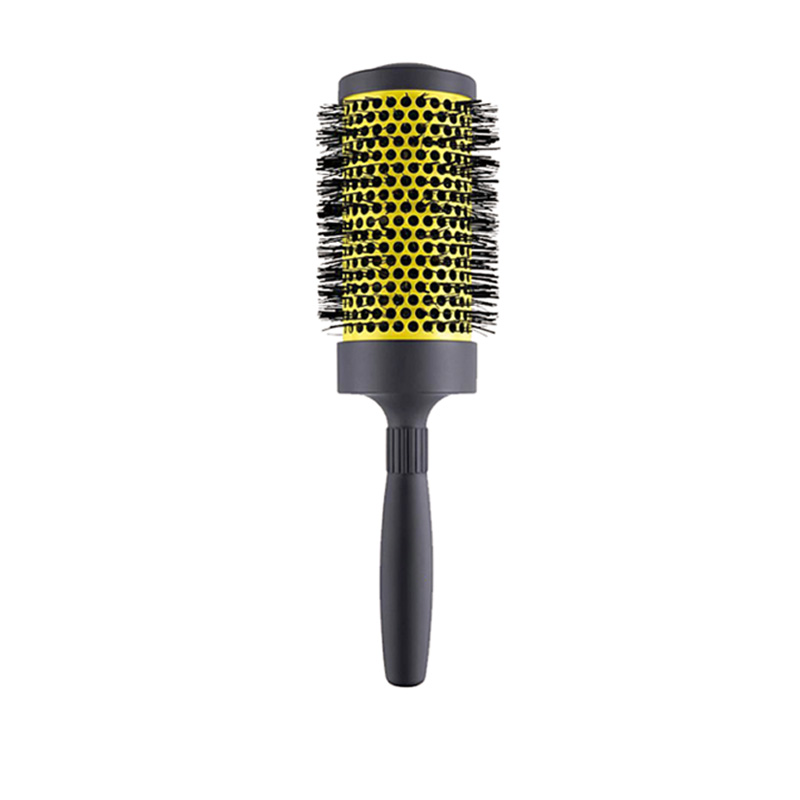
Cylindrical barrel used with a blow-dryer. The barrel diameter determines the styling result: smaller barrels (0.75–1.5 inches) create tighter curls or maximum root lift; larger barrels (2–3 inches) create soft waves or a straight blowout with body. Ceramic or tourmaline-coated barrels retain and distribute heat more evenly than plain metal, reducing hot spots. Vented barrels allow air to flow through, cutting drying time by up to 30%.
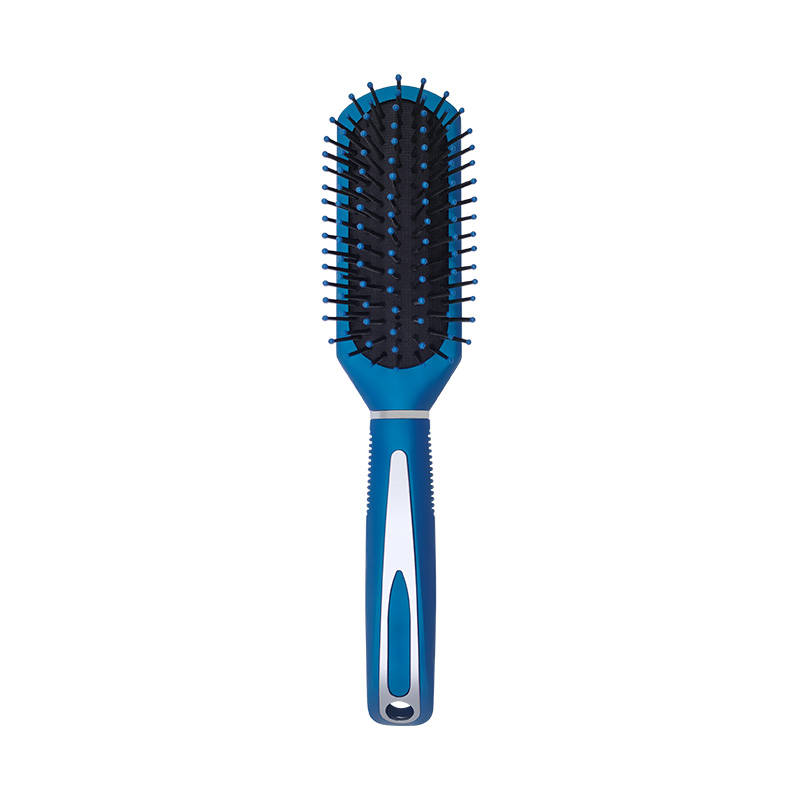
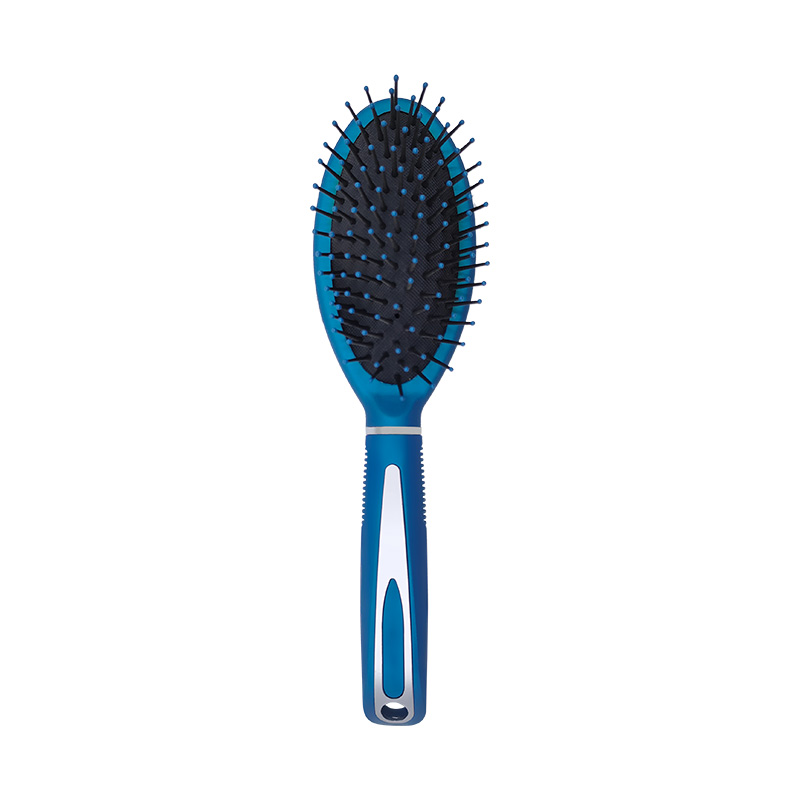
Cushion Brush
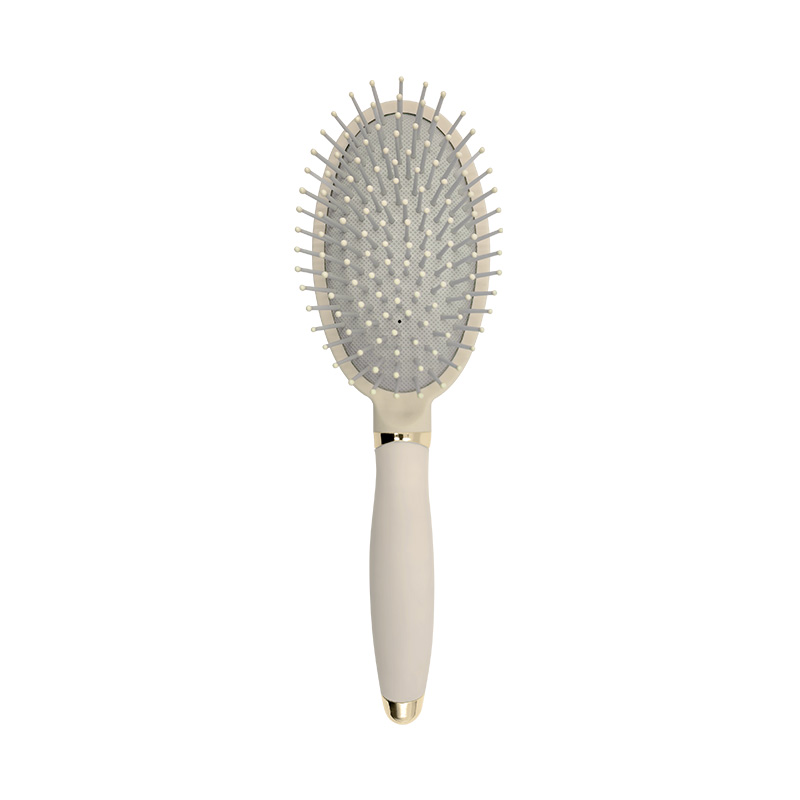
A flat or slightly curved brush with a pneumatic rubber pad beneath the bristles. The cushion flexes with the contour of the head, making it ideal for everyday brushing, scalp stimulation, and gentle detangling. It is forgiving on the scalp and reduces the risk of bristle-induced breakage. Not designed for precision styling.
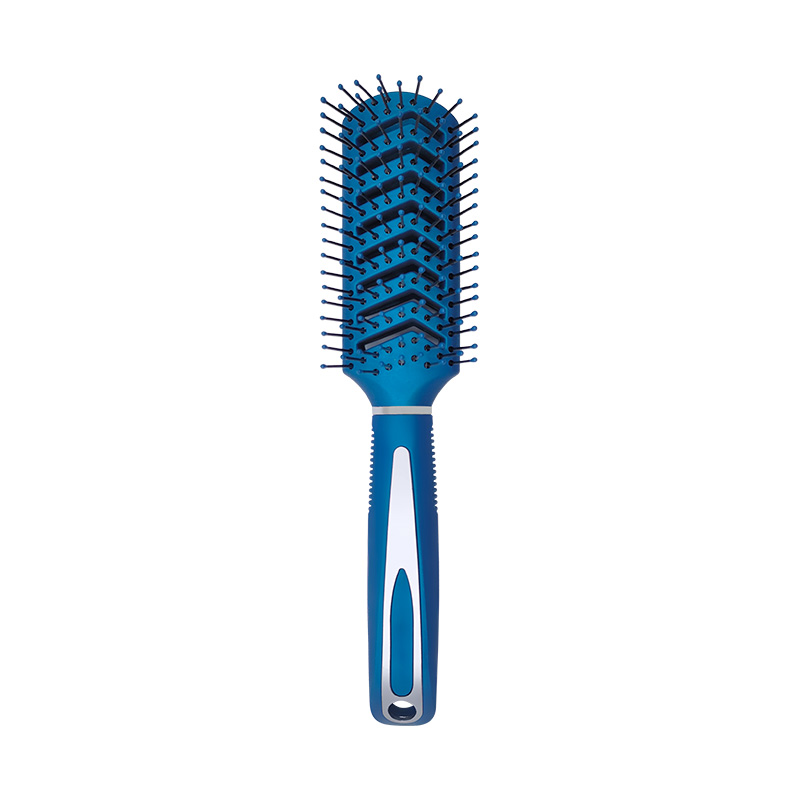
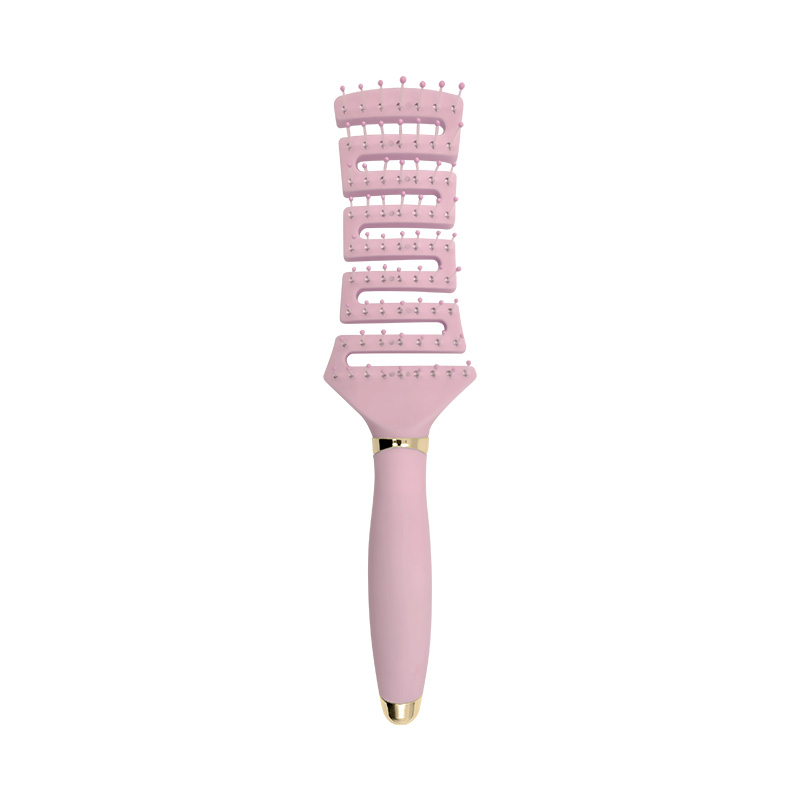
Vent Brush
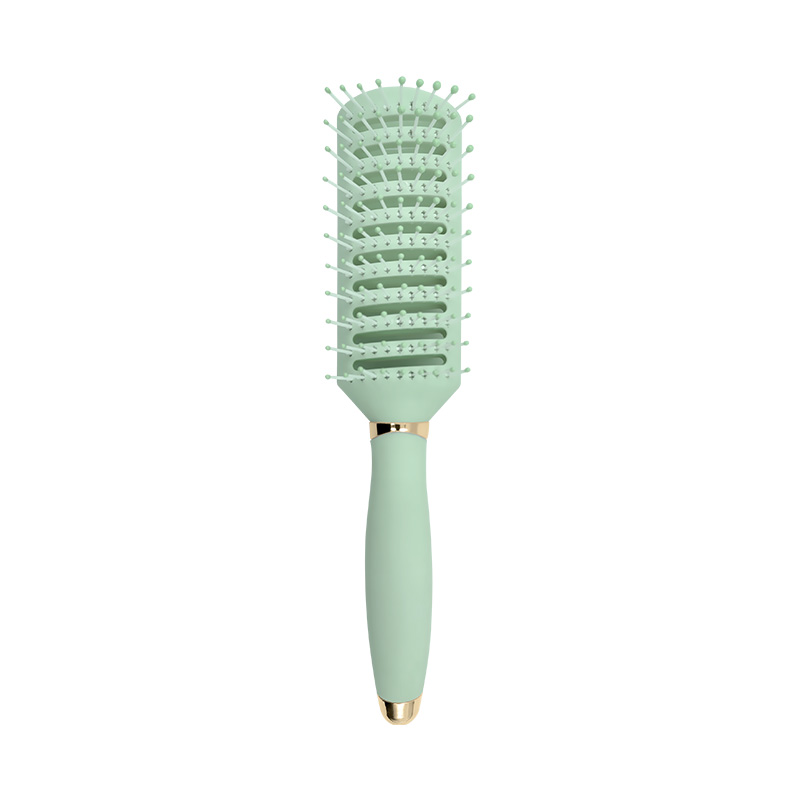
Features open slots or holes in the base that allow blow-dryer airflow to pass directly through the brush. Designed purely for speed drying with a blow-dryer. It does not smooth or add shine the way a round or boar brush does, but it significantly reduces drying time for thick hair. Best used in the rough-drying stage before finishing with another brush.
Detangling Brush
Engineered specifically to pass through knots with minimal resistance. Flexible pins at varying heights move independently to navigate tangles without snapping hair. Ideal for wet, curly, or knotted hair.
Handle Design and Ergonomics Matter More Than You Think
A brush you use every day should fit comfortably in the hand. Poor handle ergonomics lead to wrist fatigue, reduced control, and ultimately worse styling results.
- Length: Handles of 4–5 inches are standard; longer handles (6+ inches) provide leverage for thick or long hair and are preferred for blow-drying.
- Grip material: Rubber or soft-touch coating reduces hand fatigue and prevents slipping during blow-drying. Glossy plastic handles are inexpensive but slippery when hands are warm.
- Weight balance: A brush that is too head-heavy will strain the wrist over extended use. Quality factory construction uses a handle-to-head weight ratio that keeps the brush balanced at the grip point.
- Tail comb extension: Some brushes include a pointed tail at the end of the handle, useful for sectioning hair during styling. A practical addition for anyone who sections before blow-drying.
How to Evaluate Hairbrush Quality from the Factory Level
Whether you are a consumer buying a single brush or a brand sourcing thousands of units, understanding factory-level quality indicators helps you avoid brushes that shed bristles, crack at the base, or irritate the scalp after a few weeks of use.
Bristle Anchoring Method
In quality hairbrush manufacturing, bristles are wire-drawn or staple-set into drilled holes, then secured with a metal staple or looped anchor beneath the pad. Cheaper production methods simply glue bristle tufts into holes, which leads to shedding within weeks. When evaluating a brush, try gently pulling a single tuft — it should not move at all. Shedding during the first wash of the brush is a red flag.
Cushion Pad Construction
A quality cushion pad is made from natural rubber or high-density synthetic rubber at least 3–4mm thick, with a small vent hole that allows the pad to compress and release. Thin plastic pads crack with temperature changes and lose their flex within months. Press the pad with your thumb — it should give noticeably and spring back immediately.
Handle Joint and Construction
The joint between the handle and the brush head is the most common failure point in mass-produced brushes. Look for injection-molded one-piece construction or a metal-screwed connection. Brushes where the handle is simply snapped or glued onto the head will loosen with regular washing. For round brushes, check that the barrel is securely welded or crimped to the handle, not just press-fit.
Nylon Pin Quality
All nylon pins should have a smooth, rounded ball tip — not a sharp or rough molded point. Run your fingertip lightly across the pins; each tip should feel identical and smooth. Uneven or sharp tips will scratch the scalp and snag cuticles, causing damage that is cumulative over time. Reputable factories use a secondary polishing step on nylon pins; budget manufacturers skip this.
Hairbrush Selection by Styling Goal
Beyond hair type, your primary styling goal should drive the final selection. The same person may need two or three brushes for different tasks throughout the week.
| Styling Goal | Recommended Brush Type | Key Feature to Look For |
|---|---|---|
| Everyday smoothing and shine | Boar bristle cushion or paddle brush | 100% or mixed boar bristles |
| Volume and lift at roots | Small round brush (1–1.5" barrel) | Mixed bristles, vented barrel |
| Straight blowout on long hair | Large round brush (2.5–3" barrel) | Ceramic barrel, boar-nylon mix |
| Fast rough-drying thick hair | Large vent brush | Wide vent slots, stiff nylon pins |
| Detangling wet or curly hair | Flexible-pin detangling brush | Independent flex pins, cushion base |
| Scalp stimulation and oil distribution | Ball-tip nylon pin cushion brush | Smooth ball tips, rubber cushion |
How Often to Clean Your Hairbrush — and How to Do It
A dirty brush redeposits product buildup, dead skin cells, and oil back onto clean hair. Dermatologists recommend cleaning hairbrushes at least once every 1–2 weeks for daily users, or after every use if styling products are applied.
- Remove trapped hair by running a fine-tooth comb or your fingers through the bristles from base to tip. Discard collected hair.
- Fill a bowl with lukewarm water and a few drops of clarifying shampoo or gentle dish soap.
- For nylon or mixed brushes: submerge and swish gently. For natural boar bristle brushes: do not fully submerge — the wooden base or cushion pad can warp or develop mold. Instead, dip bristles only and scrub gently with an old toothbrush.
- Rinse thoroughly under cool running water until no soap remains.
- Shake out excess water and lay bristle-side down on a clean towel to air-dry completely before the next use. Never dry in direct sunlight or near a heat source, which can warp plastic components.
Replace your hairbrush when bristles are bent, missing, or no longer spring back after pressing — typically every 6–12 months for daily users, or 12–24 months for occasional use. A worn brush does more damage than no brush at all.
What to Know When Sourcing Hairbrushes from a Factory
For buyers, brand owners, or distributors sourcing hairbrushes at volume, factory selection determines not just price but long-term brand reputation. A brush that sheds bristles or cracks within a month will generate returns and damage customer trust regardless of how well it is marketed.
- Request material certifications: Boar bristle quality should be documented; nylon should be food-grade or cosmetic-grade nylon (PA6 or PA6/6). Avoid brushes made with recycled or unspecified plastic pins.
- Inspect the bristle retention test standard: Reputable factories use a pull-force test on bristle tufts, requiring each tuft to withstand at least 5–10N of axial pull force without displacement.
- Check for compliance with relevant standards: EU brushes should comply with EN 71 (toy safety is a baseline for general product safety); US products should comply with ASTM standards for cosmetic accessories. Factories exporting globally should hold ISO 9001 certification as a baseline quality management indicator.
- Evaluate sample durability before committing: Request production samples — not showroom samples — and subject them to at least 500 brush strokes on real hair. Examine bristle loss, pad integrity, and handle joint stability after use.
- Clarify MOQ and customization scope: Most hairbrush factories offer custom handle colors, logo engraving, and packaging from minimum order quantities of 500–1,000 units per SKU. Bristle material changes typically require higher MOQs due to tooling adjustments.
The difference between a brush that retails for $8 and one that retails for $45 is rarely the raw material cost alone — it is almost entirely the quality control rigor, bristle grade, and construction method enforced at the factory level.