

 en
en 简体中文
简体中文 English


Content
You have probably seen the before-and-after photos: a flat, frizzy ponytail transformed into a smooth, shiny section of hair with nothing but a brush. It is easy to assume the effect is lighting or styling product. In fact, it is usually a boar bristle hair brush doing exactly what it was designed to do. This type of brush uses natural boar hairs instead of synthetic nylon pins, and that one material change makes a surprising difference.
What Is a Boar Bristle Hair Brush?
A boar bristle hair brush is a hairbrush whose bristles are made from the coarse hair of a boar, usually taken from the animal's neck and back. These hairs are firm but flexible, and they have a layered keratin structure very similar to human hair. Because of that similarity, the bristles interact with the cuticle in a way that plastic or nylon pins simply cannot match.
Boar bristles are not all the same. The diameter, length, and natural curl vary with the animal and the part of the body the hair comes from, which is why brushing a lower-cost brush can feel dramatically different from brushing a premium one. Some brushes use 100% boar bristle; others combine boar bristles with a few nylon pins to add detangling ability. The label may not say how much of each is used, so it is worth checking the material breakdown before you buy.
How a Boar Bristle Brush Works
Three things happen at the same time when you brush with boar bristles.
First, the bristles move natural oil, or sebum, from the scalp down the hair shaft. The oily sebum that sits near the roots is the same substance that can make hair look dull at the ends when it never travels past the first few centimeters. The bristles pick up a small amount of that oil and deposit it along the length of the hair. Over several passes, this creates a thin, even coating that acts like a natural conditioner.
Second, the gentle friction of the bristles produces enough heat to help soften the cuticle. The hair cuticle is made of overlapping scales. When these scales lie flat, hair reflects light better and feels smooth. When the cuticle is rough, the hair looks dry and frizzy. Boar bristles press the scales down with each stroke.
Third, the brushing motion stimulates the scalp. The firm but flexible tips massage the skin without the harsh scratching that stiff plastic pins can cause. Over time, this can improve circulation in the scalp, although the direct effect on hair growth is less important than the conditioning benefit to the hair itself.
One important detail: boar bristle brushing works best on hair that is mostly dry. Wet hair is weaker and more elastic, so brushing it aggressively with a dense natural brush can cause breakage. Use a wide-tooth comb for wet hair, then finish with the boar bristle brush once hair is about 80-90% dry.
Key Benefits of Using One
- Natural shine without product. For people with dry hair from mid-length to ends, regular brushing distributes the scalp's own oil and reduces the need for leave-in conditioners or hair oils.
- Less frizz and flyaways. The cuticle-laying action helps keep the outermost layer of hair closed, which reduces humidity-related puffiness.
- Gentle scalp massage. The natural bristle tips are rounded by nature, not cut from plastic, so they feel soothing even on sensitive skin.
- Protective styling. Because boar bristles do not aggressively grip the hair, they are less likely to pull out strands than fine-tooth plastic brushes when hair is not tangled.
- Deeper cleaning of the scalp. As the bristles move through the hair, they help dislodge dead skin cells and buildup around the hairline, leaving the scalp feeling fresher.
What a Boar Bristle Brush Is Not For
A pure boar bristle brush is a finishing tool, not a detangler. If you have very thick, curly, or coily hair, a pure boar brush may glide over the top of the hair without penetrating the curl, or it may be too stiff to work through knots comfortably. For those textures, a mixed-bristle brush with boar bristles around a core of nylon pins gives you the oil-distribution benefit while the nylon pins provide the extra grip needed to detangle.
Similarly, if you prefer a quick full-head detangle in the morning, start with a wide-tooth comb or a detangling brush, then finish with a boar bristle brush for shine. This two-step approach protects the hair and still delivers the polished look.
How to Choose the Right Boar Bristle Brush
Not every boar bristle brush behaves the same way. The most useful distinctions are bristle density, bristle length, cushion flexibility, and shape.
| Brush construction | Best for | Main trade-off |
|---|---|---|
| Pure boar bristle | Fine to medium-normal hair, finishing, shine | Limited detangling power; can feel stiff on sensitive scalps |
| Boar bristle + nylon pins | Thicker, longer, or curly hair | Nylon pins can be harsher if used too aggressively |
| Nylon or plastic only | Quick detangling and blow-drying | No natural oil distribution; more static |
Bristle density and cushion
Dense, shorter bristles create a high-polish finish because more bristle tips contact the hair with each pass. Longer, slightly spaced bristles feel softer and are better for sensitive scalps. A flexible rubber cushion follows the curve of the head and makes brushing more comfortable, while a solid wooden base gives you firmer control for styling and lasts longer in humid environments. When sourcing a house line, many brands start with a classic brush collection and then refine the details.
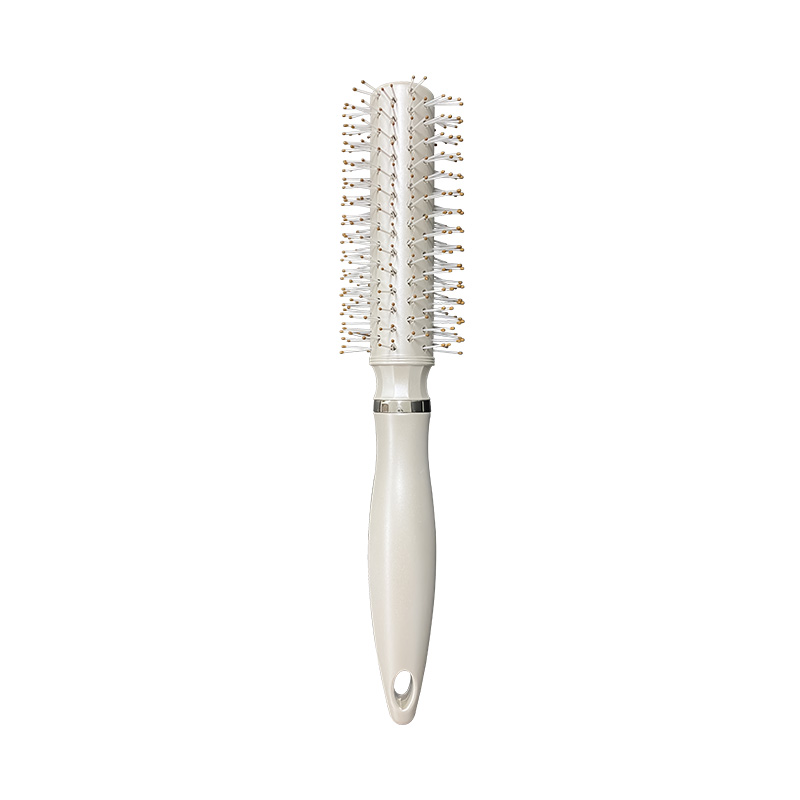 Custom Classic hairbrushes Manufacturers, Classic hair brush FactoryAs China Classic hairbrushes manufacturers and Classic hair brush factory, Ningbo Osaki Biotech Co., Ltd produce Custom Classic Brushes o...View Product →
Shape and intended use
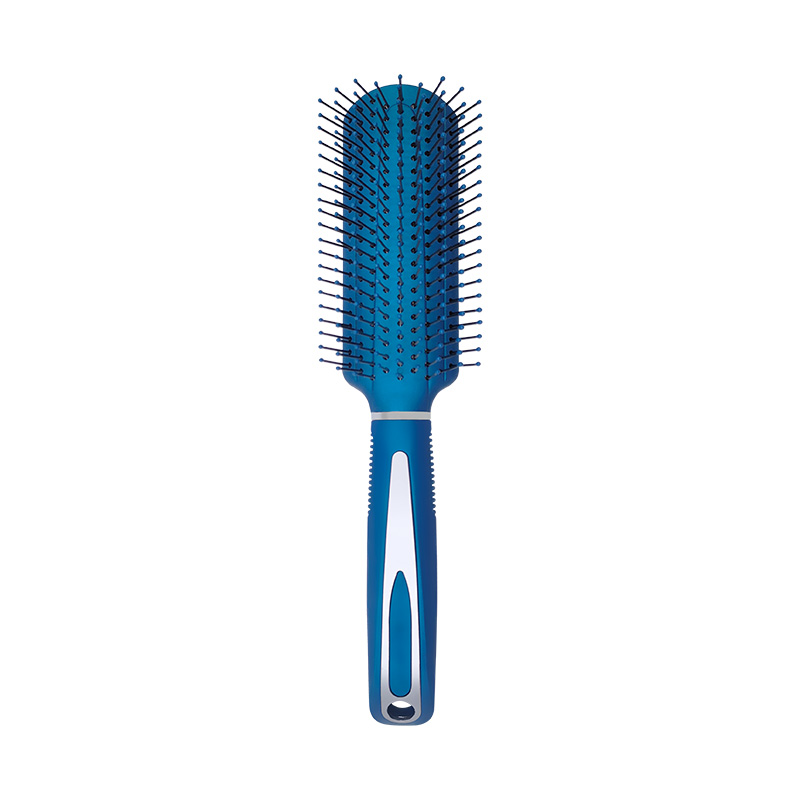
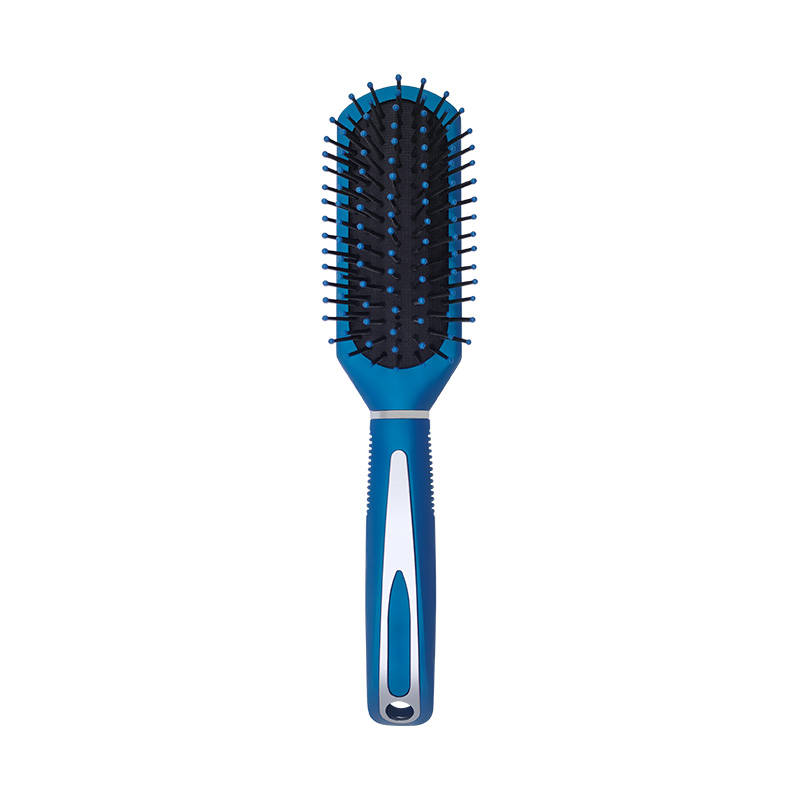
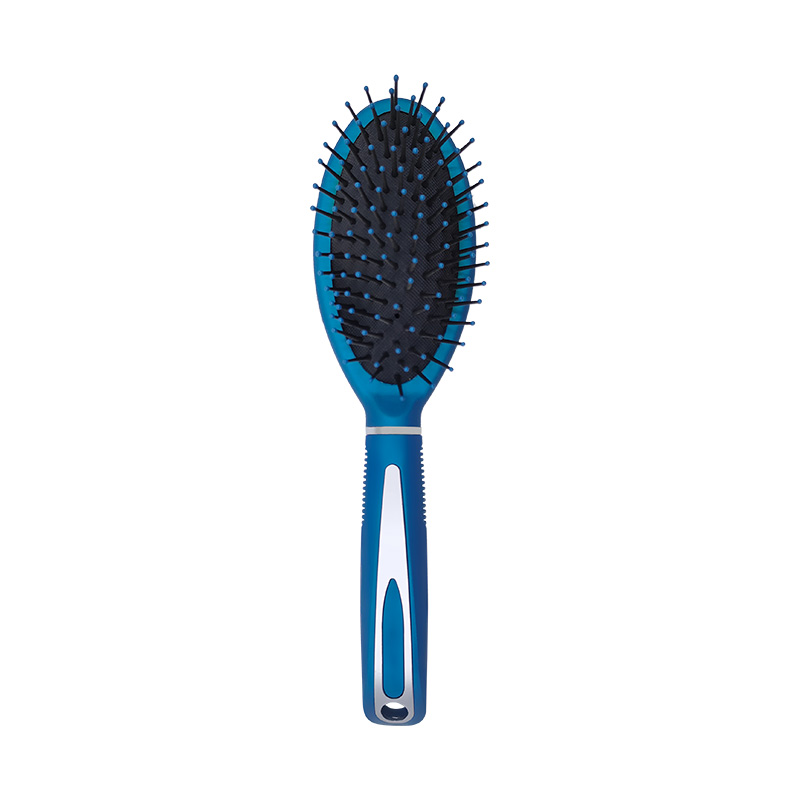
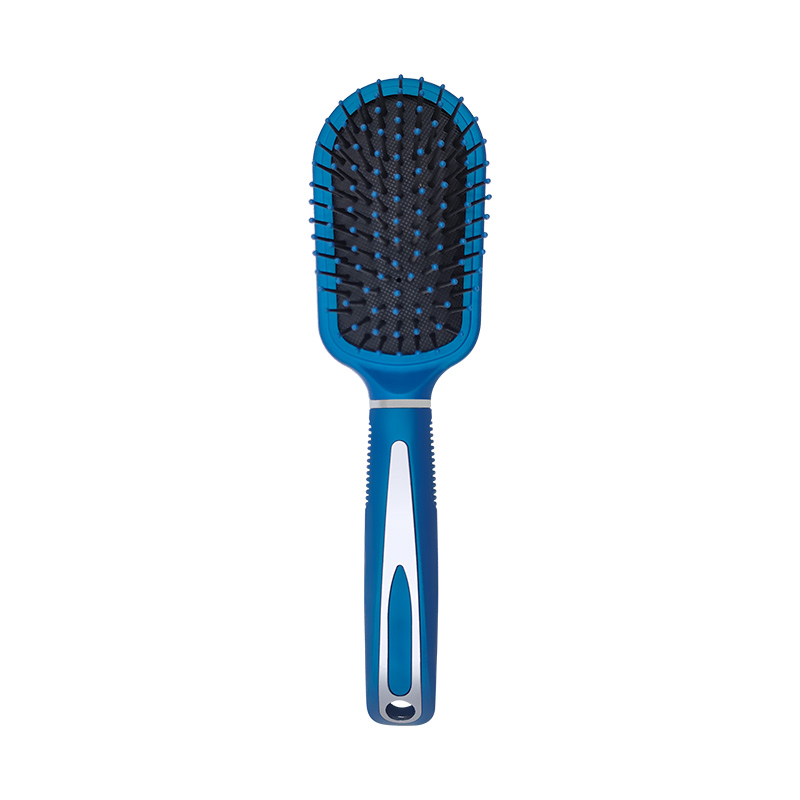
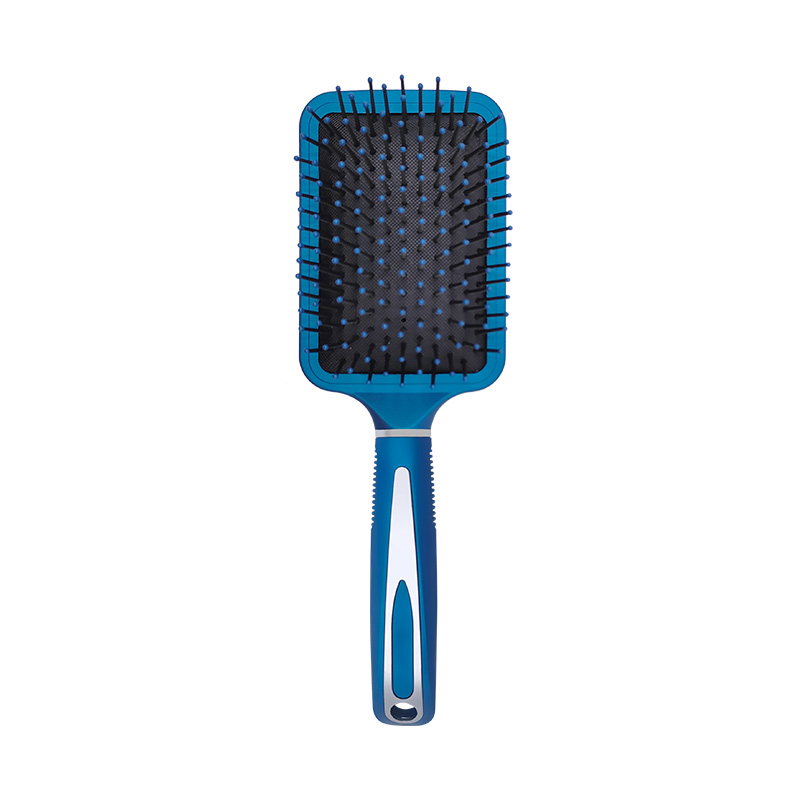
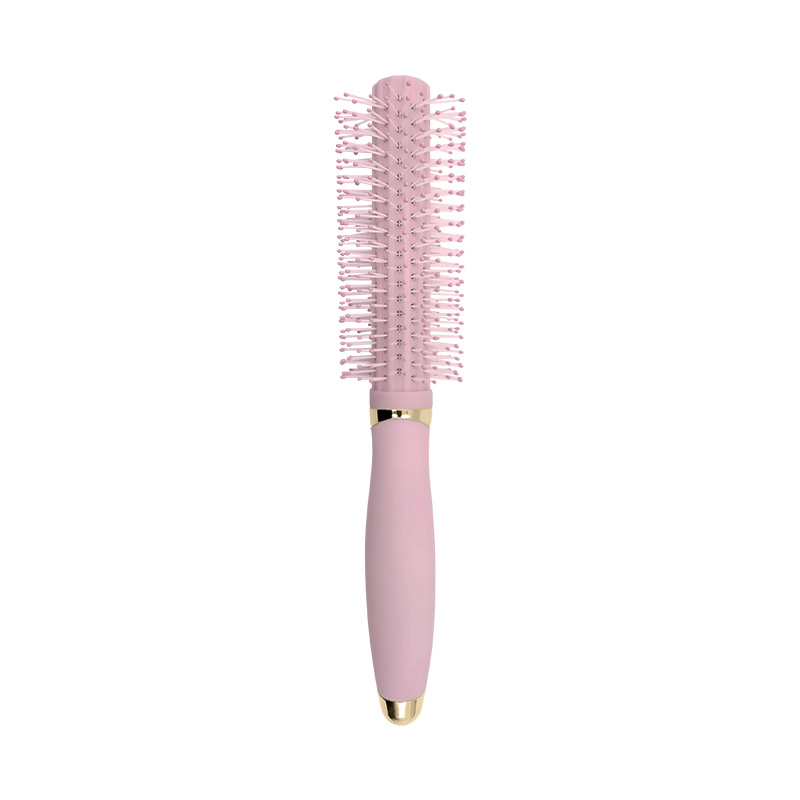
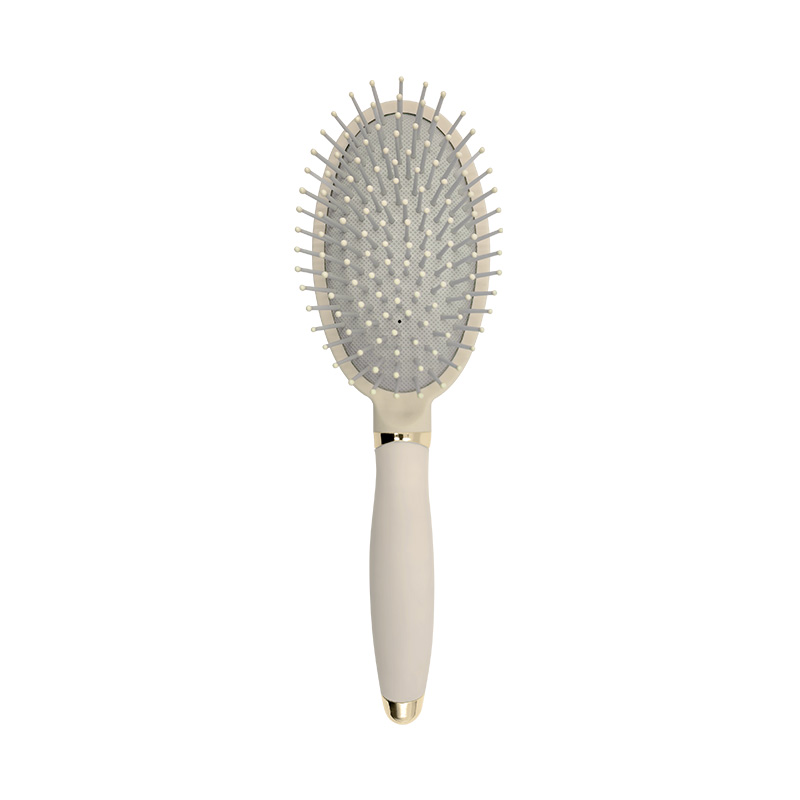
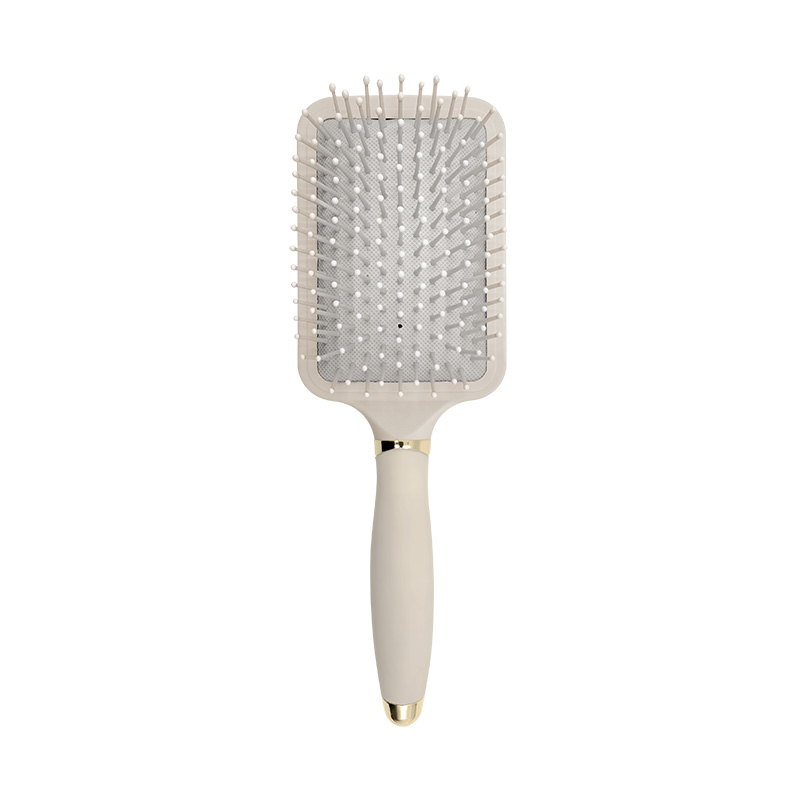
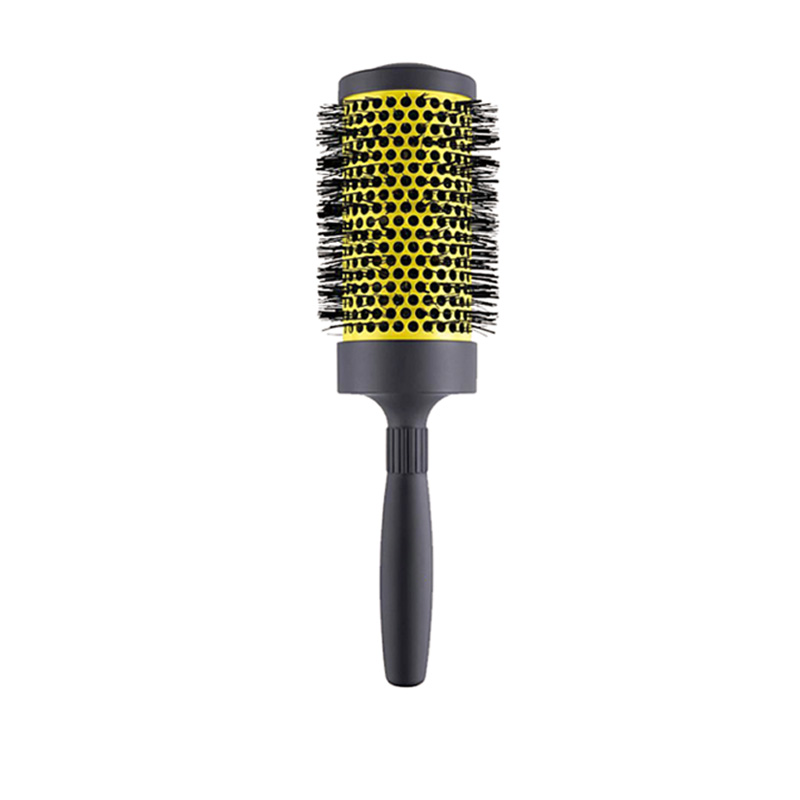
A flat paddle brush is the universal choice for everyday finishing and works well on mid-length and long hair. A round barrel brush adds volume and is used with a blow dryer to create curl or bend. A smaller oval brush is convenient for travel, fringe, and quick touch-ups through the day. For professional blow-drying sets, our round barrel brush designs can be produced with natural boar bristle on a heat-resistant body.
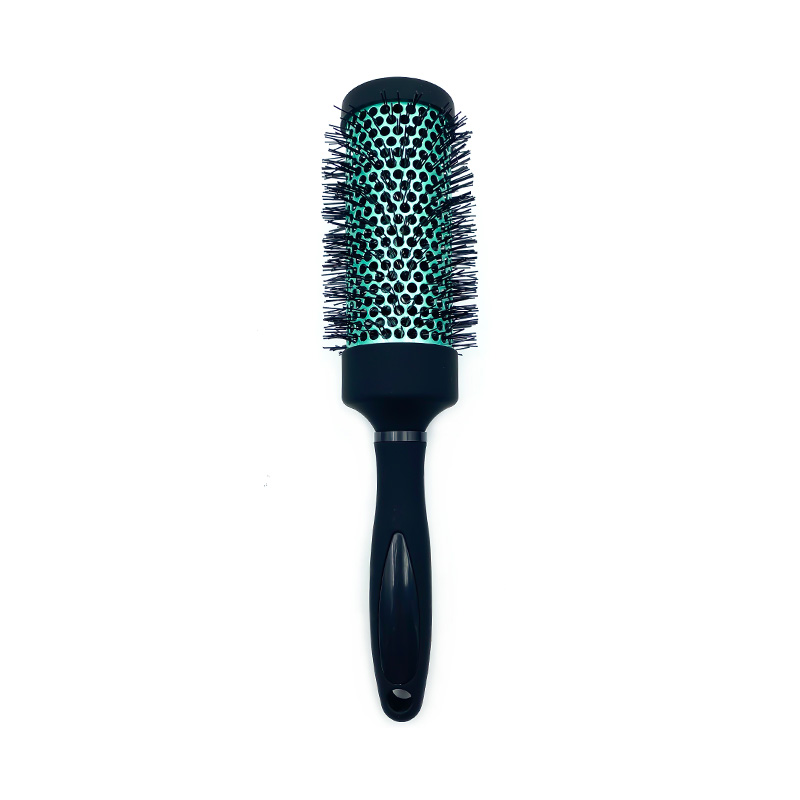 Custom Barrel hairbrushes Manufacturers, Barrel hair brush FactoryAs China Barrel hairbrushes manufacturers and Barrel hair brush factory, Ningbo Osaki Biotech Co., Ltd produce Custom Barrel Brushes onlineView Product →
For a natural-material story, wooden and bamboo brush options pair well with boar bristle in both consumer and gift ranges. The handle material reinforces the same premium, sustainable message without affecting the performance of the bristles.
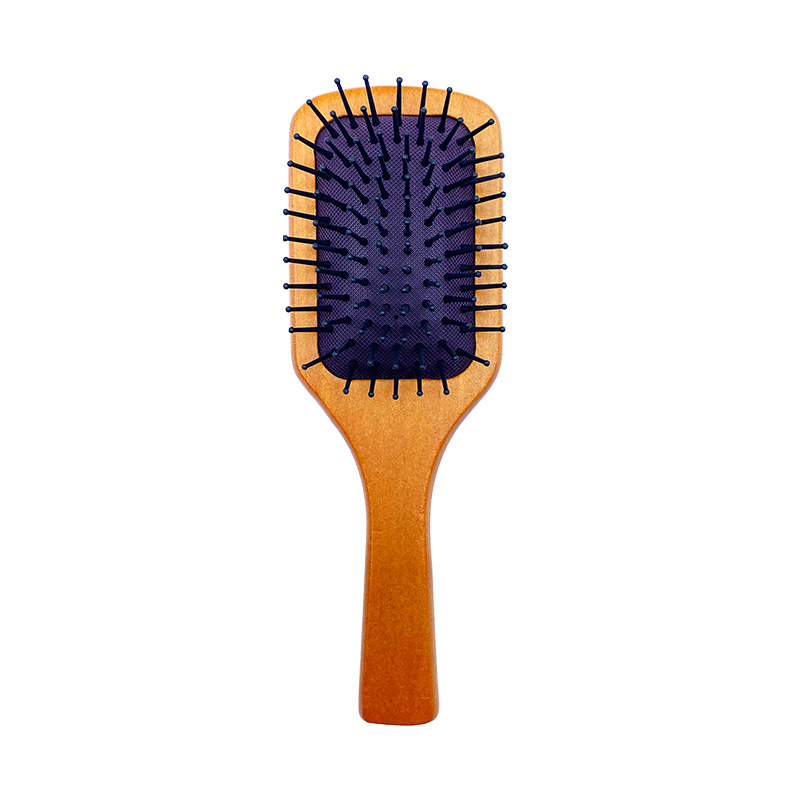 Custom Wooden hairbrushes Manufacturers, Bamboo hairbrushes FactoryAs China Wooden hairbrushes manufacturers and Bamboo hairbrushes factory, Ningbo Osaki Biotech Co., Ltd produce Custom Wooden & Bamboo o...View Product →
How to Care for a Boar Bristle Brush
Boar bristle brushes last for years if they are cleaned properly. Remove hair from the bristles after every few uses, using a comb or your fingers. Once a month, wash the bristles with mild shampoo and lukewarm water, then dry the brush with the bristles facing down so that water does not loosen the handle or cushion. Do not soak the whole brush, and do not use a hair dryer on it. For more guidance, our professional hairbrush care tips cover cleaning routines for different brush materials.
A Practical Note for Buyers and Brands
If you are sourcing boar bristle brushes for a retail line, the quality of the bristle is the first thing to validate. Bristle stiffness, density, how the hair has been cleaned and treated, and even the direction it faces in the brush all affect how the brush feels on the head. That is why working with a manufacturer that controls production in-house matters. As a brush maker with more than 25 years of OEM and ODM experience, we can adjust these variables without changing the overall design. If you have a specific shape or price point in mind, contact our team to discuss a custom specification.