

 en
en 简体中文
简体中文 English


Content
- 1 What Is a Barrel Brush and How Does It Work?
- 2 Barrel Brush Size Guide by Hair Length
- 3 How Hair Type Affects the Barrel Size You Should Choose
- 4 Choosing Barrel Size by Desired Style Result
- 5 Barrel Brush Materials and How They Affect Results
- 6 How to Use a Barrel Brush Correctly: Technique Fundamentals
- 7 Common Barrel Brush Mistakes and How to Avoid Them
- 8 Building Your Barrel Brush Collection
The right barrel brush size depends on your hair length and the result you want: use a small barrel (¾"–1") for short hair or tight curls, a medium barrel (1"–1½") for mid-length hair and natural waves, and a large barrel (2"+) for long hair and maximum volume and smoothness. The core rule is simple — the larger the barrel, the looser and more voluminous the result; the smaller the barrel, the more defined the curl and the more precise the control.
This guide breaks down exactly which barrel brush size works for every hair length, type, and styling goal, how barrel material affects your results, and the techniques that make a barrel brush work most effectively.
What Is a Barrel Brush and How Does It Work?
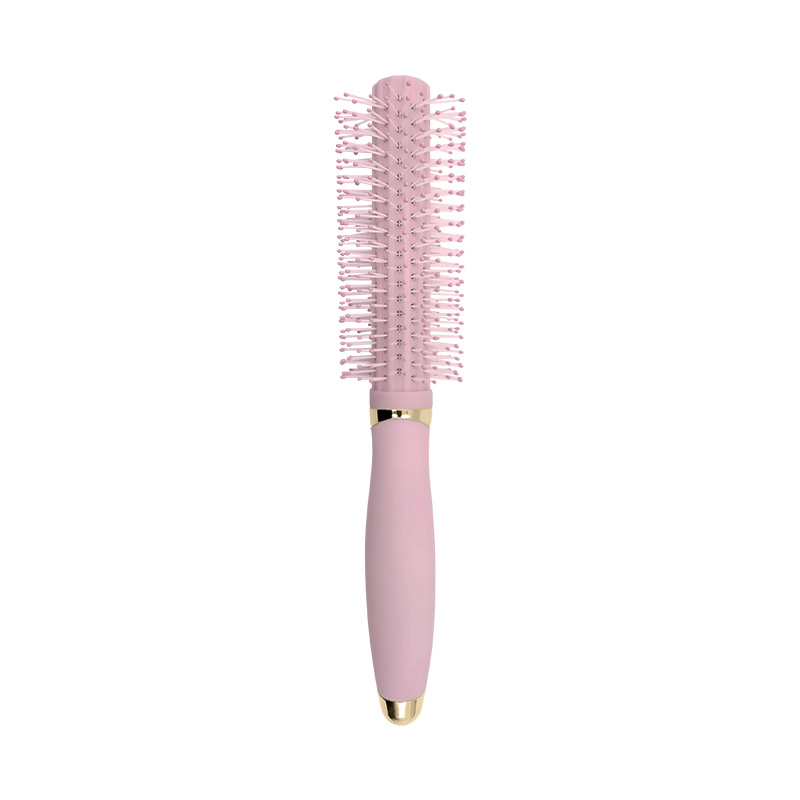
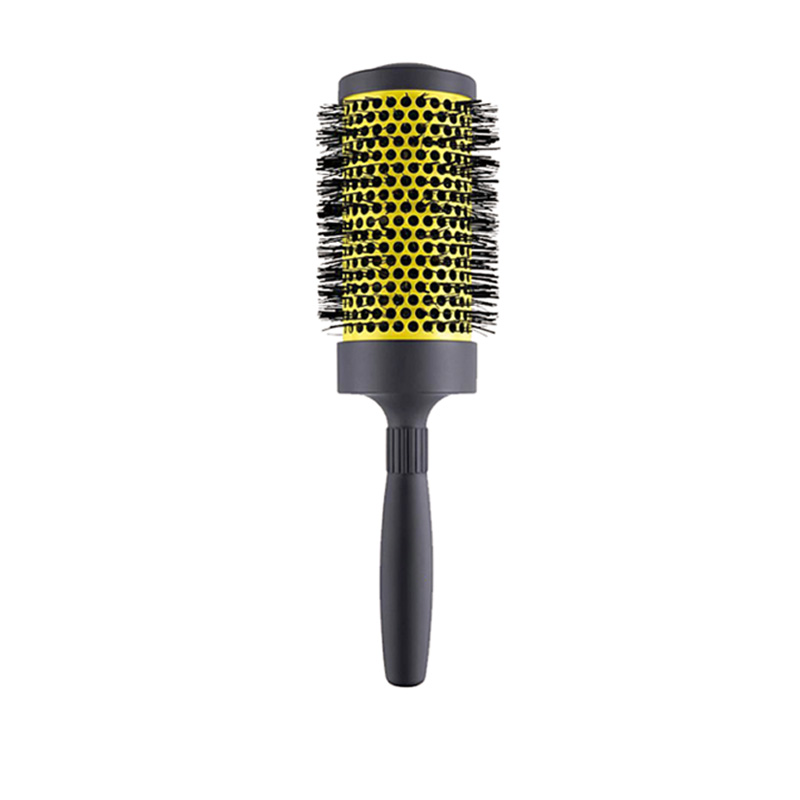
A barrel brush — also called a round brush — is a cylindrical styling tool used during blow-drying to add curl, wave, volume, and smoothness to hair. Unlike a flat paddle brush, the circular barrel creates tension and curvature as hair wraps around it, which — combined with heat from a blow-dryer — sets the hair into shape as it dries.
The brush works through three simultaneous mechanisms: tension (stretching the hair cuticle smooth), heat shaping (the dryer sets the hair in the curved position), and cooling (the hair holds its shape as it cools while still wrapped around the barrel). Skipping the cooling step — pulling the brush out immediately after drying — is the most common reason barrel brush results don't last.
The Barrel Size Principle
Barrel diameter directly determines how tightly hair wraps around the brush. A strand of hair wrapped around a ¾-inch barrel completes a much tighter curve than the same strand wrapped around a 2-inch barrel. This is why barrel size is the single most important specification when choosing a round brush — it defines the style outcome before technique even comes into play.
Barrel Brush Size Guide by Hair Length
Hair length is the primary factor in barrel brush selection. As a general rule, the barrel diameter should be roughly proportional to the section of hair being worked — too small a barrel on long hair creates excessive curl; too large a barrel on short hair fails to grip and tension the hair effectively.
Short Hair (Pixie to Bob, Under 4 Inches)
For short hair, use a barrel diameter between ¾ inch and 1 inch. The small circumference grips short sections effectively and creates enough wrap to smooth and lift the hair at the root. A 1-inch barrel on a short bob adds body and a slight bend at the ends without creating an unwanted tight curl. Anything larger than 1 inch on hair under 4 inches typically fails to complete even a half-wrap, providing minimal shaping benefit.
Medium Hair (Lob to Shoulder Length, 4–8 Inches)
Medium-length hair is the most versatile range, and barrel sizes from 1 inch to 1¾ inches all work depending on the desired result. A 1-inch barrel creates defined waves and noticeable curl; a 1½-inch barrel produces the classic blow-out wave that is the most commonly requested salon result; a 1¾-inch barrel on shoulder-length hair adds volume and a soft bend rather than a defined curl.
Long Hair (Collarbone and Below, 8+ Inches)
Long hair benefits most from barrels in the 1¾-inch to 2½-inch range. A 2-inch barrel on long hair produces loose, voluminous waves; a 2½-inch barrel used with a pull-through technique (rolling the brush through without full wrapping) smooths the hair and adds body at the root without significant bend at the ends — creating the sleek, high-volume blowout look. For very long hair (past the mid-back), a large barrel also works more efficiently because fewer sections are needed per pass.
Quick Size Reference by Hair Length
| Hair Length | Recommended Barrel Size | Result | Avoid |
|---|---|---|---|
| Pixie / very short (under 2") | ¾ inch | Root lift, smoothing | 1½"+ (won't grip) |
| Short bob (2–4") | 1 inch | Bend, body, smoothness | 2"+ (no wrap possible) |
| Lob / chin–shoulder (4–6") | 1–1½ inch | Defined wave, volume | Under ¾" (too tight) |
| Shoulder length (6–8") | 1½–1¾ inch | Classic blowout wave | Under 1" (over-curled) |
| Collarbone to mid-back (8–14") | 1¾–2 inch | Loose wave, volume | Under 1" (excessive curl) |
| Long / very long (14"+) | 2–2½ inch | Smooth blowout, body | Under 1½" (too much curl) |
How Hair Type Affects the Barrel Size You Should Choose
Hair length sets the starting point, but hair type — texture, thickness, and natural curl pattern — refines the ideal barrel size within that range. Two people with identical shoulder-length hair can need different barrel sizes based on their hair's natural behavior.
Fine or Thin Hair
Fine hair holds a curl well but is more prone to heat damage and over-processing. Choose a barrel one size larger than you think you need. A larger barrel creates a softer, more natural wave that fine hair holds effectively without becoming frizzy or over-shaped. For example, fine shoulder-length hair typically performs better with a 1¾-inch barrel than a 1½-inch barrel, because the looser curl looks more natural and lasts longer without collapsing.
Thick or Coarse Hair
Thick hair requires more heat and tension to hold a shape. A slightly smaller barrel than the length guide suggests gives the extra wrap and tension needed to set the curl against the hair's natural resistance. Thick shoulder-length hair that would normally use a 1½-inch barrel may produce better, longer-lasting results with a 1¼-inch barrel instead.
Naturally Curly or Wavy Hair
When using a barrel brush to stretch and smooth naturally curly or wavy hair, go larger than the length-based guide suggests — often 1–2 sizes up. The goal is maximum tension and smoothing, not additional curl formation. A 2-inch barrel pulling through mid-length curly hair straightens and smooths far more effectively than a 1½-inch barrel, which would simply reinforce existing curl rather than smoothing it.
Naturally Straight Hair
Straight hair requires less correction from the brush and holds wave well. Follow the standard length-based guide directly. For straight hair that loses curl quickly, wrapping the brush section tighter (using a slightly smaller barrel) and holding the hair wrapped around the hot brush for an extra 10–15 seconds before releasing significantly improves hold time.
Choosing Barrel Size by Desired Style Result
Sometimes the target style — rather than hair length — is the dominant factor in barrel selection. Here is how to match barrel diameter to the most common styling goals:
Maximum Volume at the Root
For root lift and volume without significant curl at the ends, use a large barrel (1¾"–2½") depending on your length. Roll the brush under the hair at the root, direct the blow-dryer at the root area with the nozzle pointing downward along the barrel, then roll forward and away as you dry. The key is applying heat and tension at the root, not at the ends.
Defined, Bouncy Curls
Defined curls with noticeable shape require a small to medium barrel (¾"–1¼"). Wrap smaller sections of hair fully around the barrel, direct the dryer from above, and hold for at least 15–20 seconds before slowly unrolling. Allow the section to cool completely before touching — this is what sets the curl. Touching warm hair immediately after brush removal collapses the shape before it sets.
Smooth Blowout with Body
The classic blowout — smooth, shiny, with soft movement and no distinct curl — is best achieved with a large barrel (1¾"–2½") using a pull-through technique. Instead of wrapping the hair, roll the brush under the section and pull it through from root to tip while following with the dryer. This smooths the cuticle, adds body at the root, and finishes the ends straight or with only a slight bend.
Face-Framing Waves
For soft waves that frame the face, use a 1½-inch barrel on the front sections and direct the wave away from the face (rolling the brush outward) on one side and toward the face (rolling inward) on the other, for a natural, alternating movement. The front sections require the most precision — take thinner sections here (no wider than 1–1.5 inches) for cleaner, longer-lasting results.
Barrel Brush Materials and How They Affect Results
Barrel size determines shape; barrel material determines heat behavior and hair finish. The two most important material choices are the barrel core and the bristle type.
Ceramic Barrel Brushes
Ceramic barrels absorb and emit heat evenly, providing a consistent temperature along the entire barrel surface. This even heat distribution reduces hot spots and dries hair more uniformly. Ceramic barrel brushes are the best all-around choice for most hair types — they work efficiently with standard blow-dryer temperatures and produce a smooth, frizz-reduced finish. Most quality ceramic barrel brushes in the $20–$60 range perform well for daily use.
Tourmaline-Coated Barrel Brushes
Tourmaline is an ionic mineral that, when heated, emits negative ions. These ions break up water molecules faster and neutralize the positive charge static buildup in hair, significantly reducing frizz. Tourmaline barrel brushes are particularly effective for frizz-prone, coarse, or color-treated hair where shine and smoothness are the primary goals.
Boar Bristle Barrel Brushes
Boar bristles are natural, slightly flexible, and microscopically similar in scale structure to human hair. They grip and distribute natural oils along the hair shaft during styling, producing exceptional shine and smoothness that synthetic bristles cannot replicate. Pure boar bristle barrel brushes are ideal for fine to medium hair where shine is the priority, but they can struggle to penetrate thick, dense hair. Mixed boar-nylon bristle brushes balance grip (from nylon) with smoothing (from boar) for thicker hair types.
Nylon or Synthetic Bristle Barrel Brushes
Nylon bristles are stiffer than boar bristles, providing more grip and tension — better suited for thick, coarse, or curly hair that needs stronger detangling and smoothing force. The trade-off is that nylon can cause more static and friction in fine hair, potentially increasing frizz. For thick or textured hair, a nylon-bristle ceramic barrel brush is often the most effective combination.
Barrel Material Comparison
| Barrel Material | Heat Distribution | Best For | Main Benefit | Price Range |
|---|---|---|---|---|
| Ceramic | Even, consistent | All hair types | Smooth, frizz-free finish | $15–$60 |
| Tourmaline | Even + ionic | Frizzy, coarse, color-treated | Maximum frizz reduction, shine | $25–$80 |
| Metal / aluminum | Fast, intense heat | Thick, coarse hair | Fast drying, strong curl set | $10–$35 |
| Boar bristle | Moderate (depends on core) | Fine to medium hair | Exceptional shine, oil distribution | $20–$100+ |
How to Use a Barrel Brush Correctly: Technique Fundamentals
Choosing the right barrel size is only effective if the technique supports it. These are the fundamentals that determine whether your barrel brush delivers salon-quality results or frustration.
Section Size Relative to Barrel Diameter
The width of each section you work should not exceed the diameter of the barrel. Taking sections wider than the barrel diameter means the outer edges of the section receive little or no tension — they dry without wrap and contribute frizz rather than shape. For a 1½-inch barrel, sections should be no wider than 1–1.5 inches. Thinner sections create better definition and longer-lasting results.
Hair Dampness at the Start
Barrel brush styling works best when hair is 70–80% dry before you begin working with the brush. Attempting to blow-dry soaking wet hair with a round brush is inefficient and can cause tangling, especially on fine or fragile hair. Rough-dry hair with your hands or a towel and the blow-dryer first, then switch to the barrel brush for final shaping. This approach reduces total heat exposure and styling time by 30–40% compared to starting with wet hair.
Dryer Nozzle Placement
Always use a concentrator nozzle on your blow-dryer when using a barrel brush. Direct the airflow downward along the hair shaft from root to tip — this direction smooths the cuticle scales flat and produces a smooth, shiny result. Directing heat straight into the brush or upward lifts the cuticle, causing frizz regardless of barrel size or material.
The Cool-Down Step Is Not Optional
After each section is dried, switch your dryer to the cool shot setting and blast the wrapped section for 10–15 seconds before releasing the brush. The cool air locks the hydrogen bonds in the hair in their new shape — the same principle used by curling irons. Skipping this step means the hair returns to its natural shape within minutes. This single technique change makes the biggest difference in how long barrel brush results last throughout the day.
Work Bottom to Top
Always style from the bottom layers upward, clipping the top layers out of the way. This ensures each section is fully dried and set before the next layer is placed over it. Styling the top sections first and then working underneath disturbs already-styled sections and produces uneven results.
Common Barrel Brush Mistakes and How to Avoid Them
Even with the right barrel size, these common errors undermine results and can damage hair:
- Tangling the brush in hair — Nearly always caused by taking sections that are too large or working on hair that is too wet. If the brush catches, do not pull — rotate the brush in the direction of the wrap to unwind it. Yanking causes breakage.
- Using the wrong barrel size for the goal — The most common error. A small barrel on long hair over-curls; a large barrel on short hair under-shapes. Refer back to the size-by-length table and adjust one size if results look too curled or not curled enough.
- Holding the dryer too close — Holding the blow-dryer within 2–3 inches of the barrel concentrates intense heat in one spot. Keep the dryer 4–6 inches from the barrel and keep it moving. Concentrated heat causes heat damage and can melt synthetic bristles on lower-quality brushes.
- Skipping heat protectant — Barrel brush styling involves sustained heat exposure. Always apply a heat protectant spray or serum before blow-drying. Quality heat protectants can withstand temperatures up to 450°F (230°C) and reduce moisture loss from the hair shaft by up to 50% during styling.
- Not cleaning the brush — Hair, product buildup, and natural oils accumulate in the bristles and degrade performance. Remove trapped hair after every use and deep-clean bristles with a gentle shampoo solution every 2–4 weeks. A clogged barrel brush transfers residue back into freshly styled hair.
Building Your Barrel Brush Collection
Most people benefit from owning two or three barrel brush sizes rather than a single brush. Different looks, different days, and different sections of the same head of hair often call for different diameters. A practical starter collection for medium to long hair would include:
- 1-inch barrel — For face-framing sections, creating definition at the ends, and precise work on shorter layers around the face
- 1½-inch barrel — The workhorse size for mid-length hair; handles classic blowouts, soft waves, and everyday volume
- 2-inch barrel — For the body sections of long hair, root volume, and smooth-finish blowouts
This three-brush set covers virtually every everyday styling scenario for hair from bob length to very long. For short hair, replace the 2-inch with a ¾-inch brush. The investment in two to three quality barrel brushes — typically $20–$50 per brush for a reputable ceramic or boar bristle option — pays off quickly compared to frequent salon visits for blowouts that average $45–$95 per session.