

 en
en 简体中文
简体中文 English


Content
- 1 How to Clean a Dirty Hairbrush (Quick Answer)
- 2 Step-by-Step: How to Deep Clean Any Hairbrush
- 3 Cleaning a Wooden Hairbrush: Special Care Required
- 4 Bamboo Hairbrush: Eco-Friendly Cleaning Tips
- 5 ECO Hairbrush Options: What to Look For
- 6 Classic Hairbrush vs. Trendy Hairbrush: Which Is Right for You?
- 7 Barrel Hairbrush: Cleaning a Round Brush Properly
- 8 Kids Hairbrush: Safe Cleaning for Little Ones
- 9 Mini Hairbrush: Travel Care and Cleaning on the Go
- 10 When to Replace Your Hairbrush
How to Clean a Dirty Hairbrush (Quick Answer)
To clean a dirty hairbrush, remove trapped hair with a comb or your fingers, soak the brush in warm water mixed with a few drops of shampoo for 3–5 minutes, scrub the bristles with an old toothbrush, rinse thoroughly, and let it air-dry bristle-side down. This process takes under 10 minutes and should be done every 1–2 weeks to prevent product buildup, oil accumulation, and bacterial growth.
Most people underestimate how dirty a hairbrush can get. Studies on personal care tools show that a single hairbrush can harbor dead skin cells, sebum, dust mites, and residual styling products within just a few days of use. Regular cleaning not only protects your scalp health but also extends the lifespan of your brush significantly.
Step-by-Step: How to Deep Clean Any Hairbrush
Different brush materials require slightly different approaches, but the core cleaning method works for most types. Follow these steps for a thorough clean:
- Remove hair buildup: Use a rat-tail comb or a pencil to lift tangled hair from the base of the bristles. Pull it out in sections from one side to the other.
- Prepare a cleaning solution: Fill a bowl with warm (not hot) water and add 1–2 teaspoons of gentle shampoo or liquid soap. For extra disinfecting power, add 1 tablespoon of white vinegar.
- Soak the brush: Submerge only the bristle head (avoid soaking wooden or bamboo handles fully) for 3–5 minutes. This loosens product residue and oils.
- Scrub with a toothbrush: Use an old soft-bristled toothbrush to scrub between and around the bristles in small circular motions. Pay extra attention to the base pad where lint accumulates.
- Rinse under cool running water: Hold the brush bristle-side down and rinse until the water runs clear. Avoid running water directly over any wooden components.
- Dry correctly: Shake off excess water and lay the brush flat or bristle-side down on a clean towel. Never dry a brush bristle-side up—water pools at the base and can rot the pad or warp wooden handles.
Allow 2–4 hours of air-drying before using the brush again. For paddle brushes with air cushion bases, press the cushion a few times after rinsing to expel trapped water.
Cleaning Frequency by Brush Type
| Brush Type | Quick Clean (Hair Removal) | Deep Clean (Full Wash) |
|---|---|---|
| Daily-use brush | Every 2–3 days | Once a week |
| Styling brush (heat use) | After every use | Every 1–2 weeks |
| Kids' or fine-hair brush | Weekly | Every 2–3 weeks |
| Travel / mini brush | After each trip | Monthly |
Cleaning a Wooden Hairbrush: Special Care Required
A wooden hairbrush demands more careful handling than plastic alternatives because prolonged water exposure causes the wood to crack, warp, or grow mold. The key rule: never fully submerge a wooden brush.
- Remove hair thoroughly before any moisture is introduced.
- Dampen only the bristle tips using a spray bottle filled with a diluted shampoo solution.
- Use a dry toothbrush to work the solution into the base, then wipe down with a barely damp cloth.
- Dry immediately—never let a wooden brush sit wet for more than 30 minutes.
- Condition the wooden handle every few months with a small amount of linseed oil or beeswax to prevent cracking.
With proper care, a quality wooden hairbrush can last 5–10 years, making it a cost-effective and sustainable choice despite the extra maintenance effort.
Bamboo Hairbrush: Eco-Friendly Cleaning Tips
The bamboo hairbrush has surged in popularity as consumers seek sustainable alternatives to plastic. Bamboo is naturally antimicrobial and more water-resistant than traditional hardwoods, though it still requires mindful cleaning.
Bamboo brushes can tolerate brief bristle soaks of 3–5 minutes without damage, but the handle should remain dry. A diluted tea tree oil solution (5 drops per cup of water) makes an excellent natural disinfectant for bamboo brushes and complements bamboo's own antibacterial properties. After cleaning, allow the brush to dry in a well-ventilated area; bamboo can develop mildew if stored damp in enclosed spaces.
From an environmental perspective, bamboo grows up to 35 inches per day and requires no pesticides, making bamboo brushes one of the most sustainable personal care tools available.
ECO Hairbrush Options: What to Look For
An ECO hairbrush goes beyond just the handle material. Truly eco-conscious brushes consider the full product lifecycle, from raw materials to end-of-life disposal. When choosing an eco hairbrush, evaluate these factors:
- Handle material: Bamboo, FSC-certified wood, or recycled ocean plastic are the gold-standard options.
- Bristle type: Natural boar bristles are biodegradable; recycled nylon bristles are a more animal-friendly eco option.
- Packaging: Look for plastic-free or compostable packaging.
- Durability: A brush designed to last 5+ years has a far lower environmental footprint than a cheap brush replaced annually.
- Repairability: Some premium eco brands offer replacement bristle pads, so you only discard one part rather than the whole brush.
Keeping an eco hairbrush clean is also part of its sustainability story—a well-maintained brush lasts longer, reducing waste over time.
Classic Hairbrush vs. Trendy Hairbrush: Which Is Right for You?
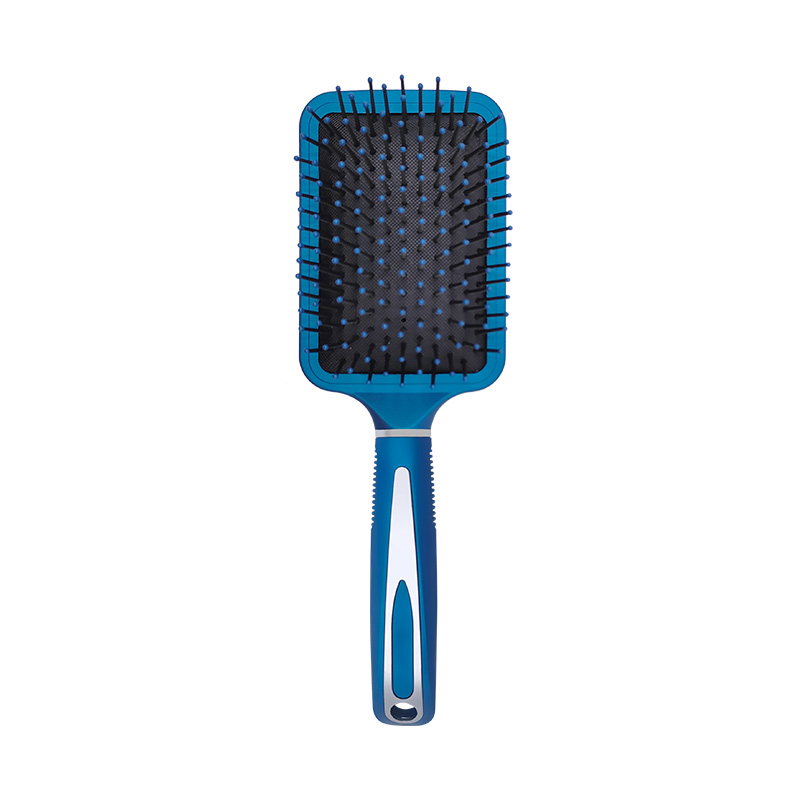
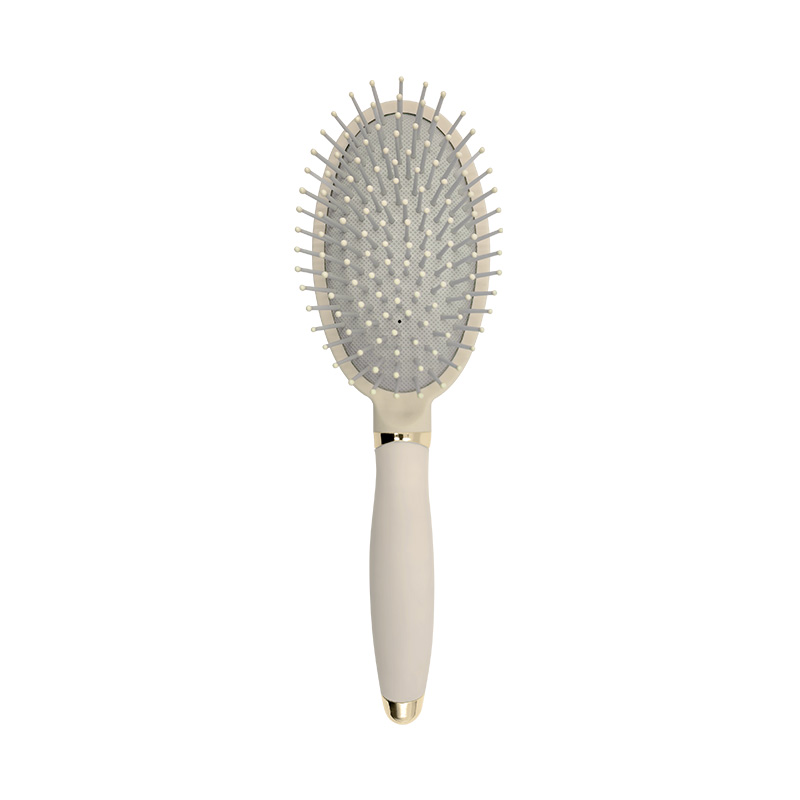
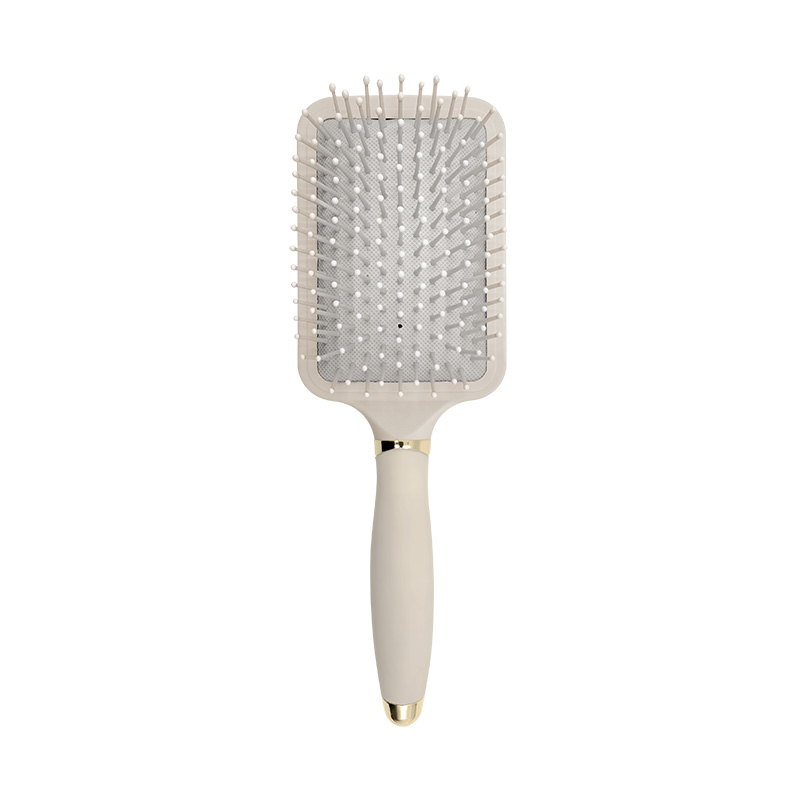
The classic hairbrush—typically a paddle or cushion brush with mixed bristles—remains the best all-around choice for daily detangling and smoothing. It distributes the brush's natural oils evenly from root to tip, reduces static, and works on all hair types from fine to thick.
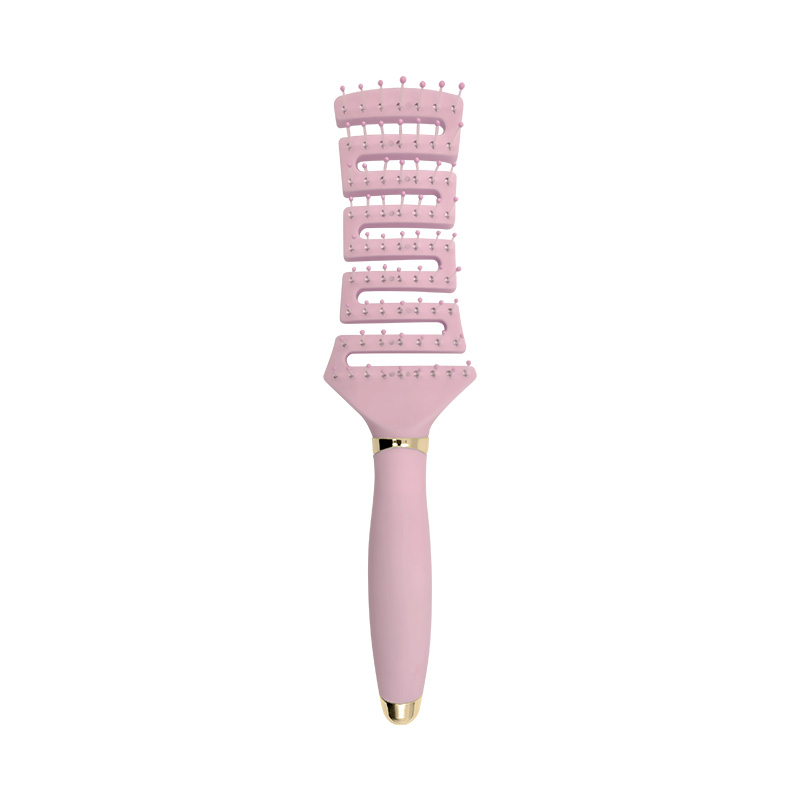
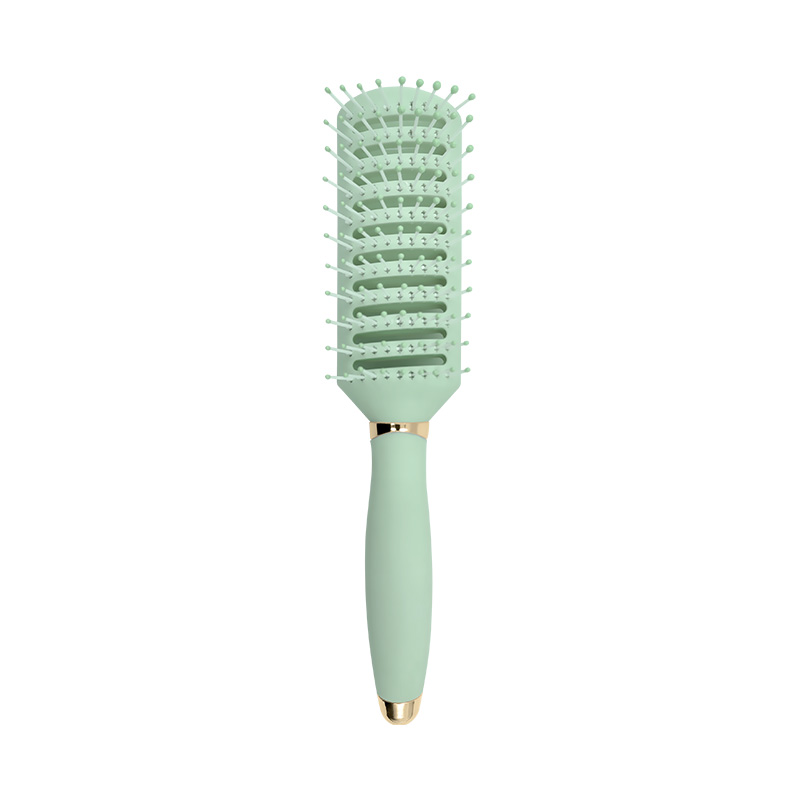
A trendy hairbrush, by contrast, refers to newer designs that gain popularity through social media and beauty influencer culture. Examples include the viral "TikTok detangling brush" with flexible bristles, the scalp-stimulating massage brush, or the ribbed ergonomic handle brush. These often solve a specific problem very well—such as painless detangling for curly hair—but may not offer the same versatility as a classic brush.
Side-by-Side Comparison
| Criteria | Classic Hairbrush | Trendy Hairbrush |
|---|---|---|
| Versatility | High – suits most hair types | Low to Medium – specialized |
| Longevity | 3–10 years | 1–3 years (trend-driven replacement) |
| Price range | $10–$60 | $15–$80+ |
| Best for | Everyday brushing, all hair | Specific styling or scalp goals |
| Ease of cleaning | Simple, straightforward | Varies by design complexity |
The smartest approach is often to own one reliable classic brush for daily use and add a trendy brush only if it addresses a genuine hair concern—not just a social media moment.
Barrel Hairbrush: Cleaning a Round Brush Properly
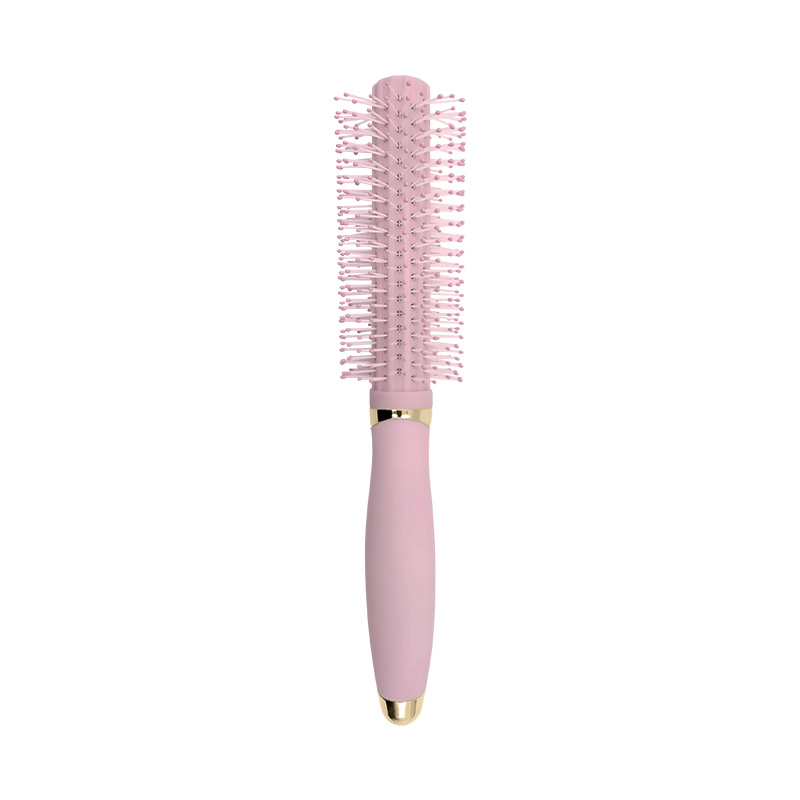
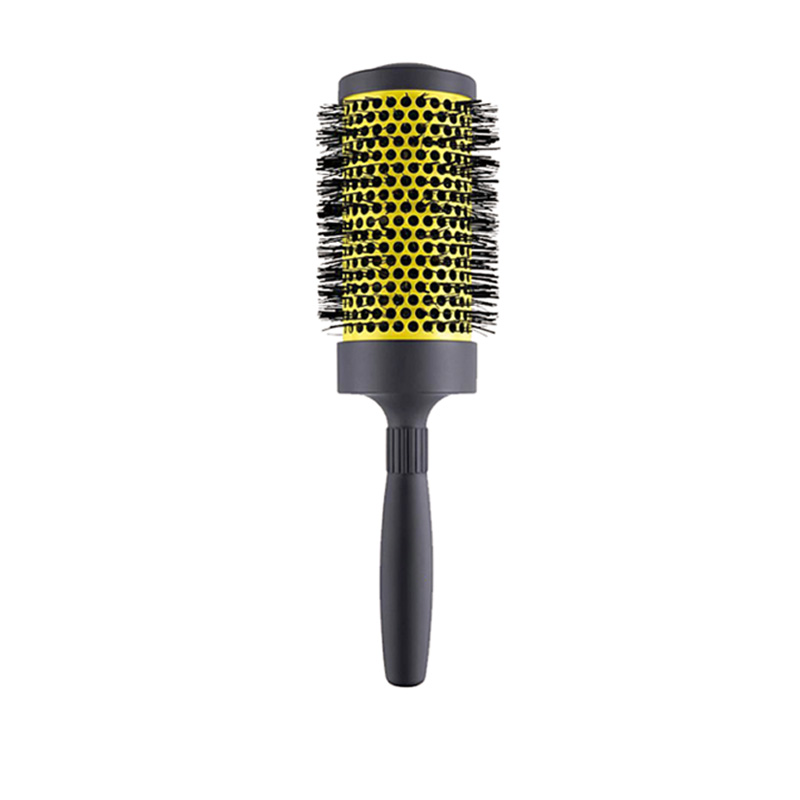
The barrel hairbrush (also called a round brush) is the go-to tool for blowouts, adding volume, and creating curls or waves. Because of its cylindrical shape and dense bristle arrangement, it traps hair more aggressively than flat brushes—making thorough cleaning both more important and more challenging.
Cleaning Steps Specific to Barrel Brushes
- Unwind the hair: Use a rat-tail comb to tease out wrapped hair lengthwise along the barrel. Work from the center outward to each end.
- Remove residual fuzz: Use a lint roller or adhesive tape around the barrel to pick up fine hairs and lint the comb missed.
- Soak the barrel portion: Submerge only the bristle section in warm soapy water. Hold the handle above the waterline for metal-handled brushes.
- Rotate while scrubbing: Spin the brush slowly while working a toothbrush around the circumference to reach all sides evenly.
- Rinse and stand upright to dry: Stand the barrel brush on end (handle up) in a glass or cup so air circulates around the entire barrel.
If you use a barrel brush with heat frequently, product residue can bake onto the bristles. A paste of baking soda and water (1:1 ratio) applied with a toothbrush effectively removes heat-hardened buildup that shampoo alone won't dissolve.
Kids Hairbrush: Safe Cleaning for Little Ones
A kids hairbrush is typically designed with softer, more flexible bristles and a smaller head to be gentle on a child's sensitive scalp. Because children's brushes come into contact with scalp skin that is more delicate than adult skin, cleanliness is especially important—dirty brushes can contribute to cradle cap flare-ups, scalp irritation, or fungal issues in young children.
- Use fragrance-free, tear-free baby shampoo as your cleaning solution to avoid any residue that could irritate the child's scalp on next use.
- Avoid harsh disinfectants or bleach solutions—these are unnecessary for a household brush and can damage the soft bristles.
- Clean more frequently than adult brushes: at least once a week for daily-use kids' brushes.
- Check bristle condition monthly—soft kids' bristles fray and flatten faster than firmer adult bristles, signaling it's time to replace the brush.
- Store kids' brushes separately from adult brushes to prevent cross-contamination of products and bacteria.
For newborns and infants, a dedicated soft-bristle cradle cap brush should be sanitized after every single use and allowed to dry completely between sessions.
Mini Hairbrush: Travel Care and Cleaning on the Go
A mini hairbrush is a compact, travel-friendly version of a standard brush, typically featuring a fold-out handle or a slim profile that fits in a purse or carry-on. Because mini brushes often live in bags alongside makeup, snacks, and other items, they accumulate dirt and debris faster than brushes kept on a bathroom counter.
Quick Cleaning Method for Travel Brushes
When away from home and without access to a full cleaning setup, use these on-the-go methods:
- Dry clean with a comb: Slide the tail of a fine-tooth comb through the bristles to remove accumulated hair—takes under 60 seconds.
- Wipe with a makeup remover pad: A single pad dampened with micellar water can remove oil and product residue from bristle tips quickly.
- Use hand sanitizer as a quick disinfectant: A small amount rubbed into the bristles with your fingers evaporates quickly and kills surface bacteria. Not a substitute for a full wash, but effective between trips.
Give your mini brush a full deep clean within 24 hours of returning from a trip. Also consider storing it in a breathable cloth pouch rather than a sealed plastic bag, which traps moisture and promotes bacterial growth. A well-maintained mini brush has a realistic lifespan of 2–4 years with consistent care.
When to Replace Your Hairbrush
Even the most diligent cleaning routine cannot compensate for a brush that is genuinely worn out. Knowing when to replace your brush is as important as knowing how to clean it.
- Missing or broken bristles: Gaps in bristle coverage mean uneven pressure across the hair, causing breakage.
- Frayed or bent bristles: Splayed natural bristles or bent nylon tips scratch the scalp and snag hair instead of smoothing it.
- Persistent odor after cleaning: A musty or unpleasant smell that does not go away after a thorough wash indicates bacterial or mold growth embedded in the pad or handle that cannot be removed.
- Warped or cracked handle: A damaged handle on a wooden or bamboo brush is a hygiene concern and a grip safety issue.
- General lifespan exceeded: As a rule of thumb, replace plastic brushes every 1–2 years, quality wooden or bamboo brushes every 3–5 years with proper care.
A damaged brush does more harm than good. Investing in a quality replacement—particularly an eco, bamboo, or classic wooden brush—pays dividends in both hair health and long-term environmental impact.