

 en
en 简体中文
简体中文 English


Content
- 1 Why Wooden Hairbrushes Are Worth the Switch
- 2 Types of Wooden Hairbrushes and What They're For
- 3 How to Choose the Right Wooden Hairbrush for Your Hair Type
- 4 What Wood and Bristle Materials to Look For
- 5 How to Use a Wooden Hairbrush Correctly
- 6 How to Clean and Maintain a Wooden Hairbrush
- 7 Common Mistakes to Avoid with Wooden Hairbrushes
- 8 Wooden Hairbrushes vs. Plastic Hairbrushes: A Direct Comparison
Wooden hairbrushes are genuinely better for hair health than most plastic alternatives — they distribute natural oils from scalp to ends, reduce static, and are gentler on the hair shaft. Whether you have fine, thick, curly, or color-treated hair, the right wooden hairbrush can reduce breakage, add shine, and improve scalp circulation. This guide covers everything you need to know to choose, use, and care for one effectively.
Why Wooden Hairbrushes Are Worth the Switch
The advantages of wooden hairbrushes go beyond aesthetics. Several functional properties make them stand out from plastic and synthetic alternatives:
Natural Oil Distribution
Wooden pins and natural bristles (often combined in wooden-handled brushes) glide along the hair shaft and help carry sebum — the scalp's natural oil — from root to tip. This natural conditioning effect can reduce the need for leave-in products and gives hair a healthy sheen without added grease.
Reduced Static and Frizz
Plastic brushes generate static electricity through friction, causing frizz and flyaways. Wood is a poor conductor, meaning wooden hairbrushes create significantly less static during brushing — a measurable benefit, especially in dry climates or during winter months.
Scalp Stimulation
Rounded wooden pins massage the scalp gently, stimulating blood circulation to hair follicles. Consistent scalp stimulation has been associated with improved follicle activity — one small study published in ePlasty found that 4 minutes of daily scalp massage over 24 weeks increased hair thickness in participants.
Gentler on Hair Strands
Wooden pins have smooth, rounded tips that glide through hair rather than snagging or scraping. This is particularly important for fine or damaged hair, where plastic bristles with rough seams can cause micro-tears in the cuticle.
Eco-Friendly and Sustainable
Most wooden hairbrushes are biodegradable and sourced from sustainably managed forests. Compared to plastic brushes — which contribute to landfill waste and take hundreds of years to decompose — a well-maintained wooden brush can last 5 to 10 years or more, making it both an environmental and economical choice.
Types of Wooden Hairbrushes and What They're For
Not all wooden hairbrushes are the same. The shape, bristle type, and pin material all affect performance. Here's a breakdown of the most common types:
| Brush Type | Bristle/Pin Type | Best For | Key Benefit |
|---|---|---|---|
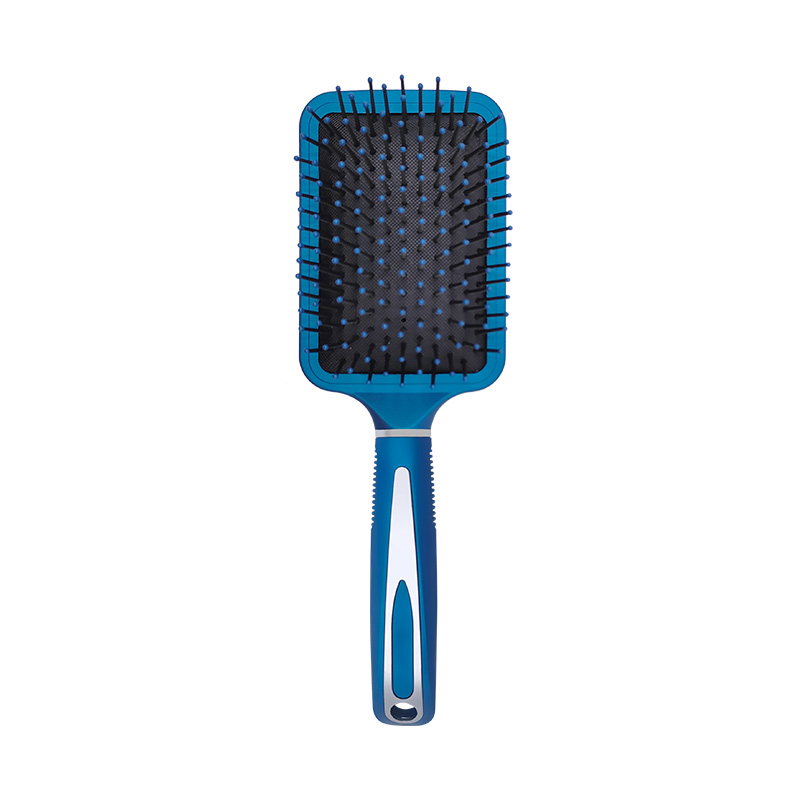
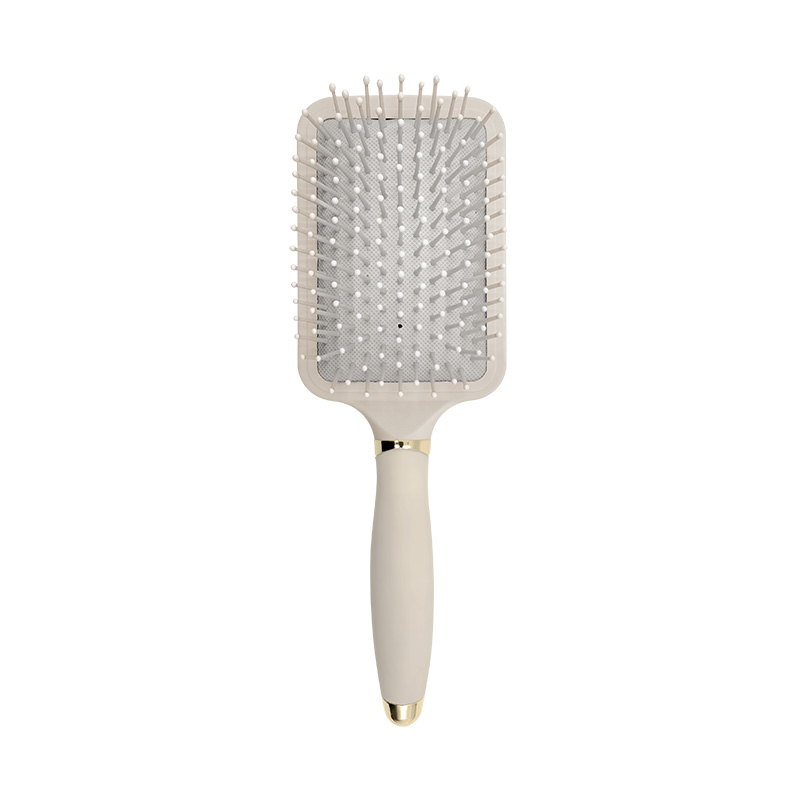
| Paddle Brush | Wooden pins or boar bristle | Long, straight, or thick hair | Detangling, smoothing |
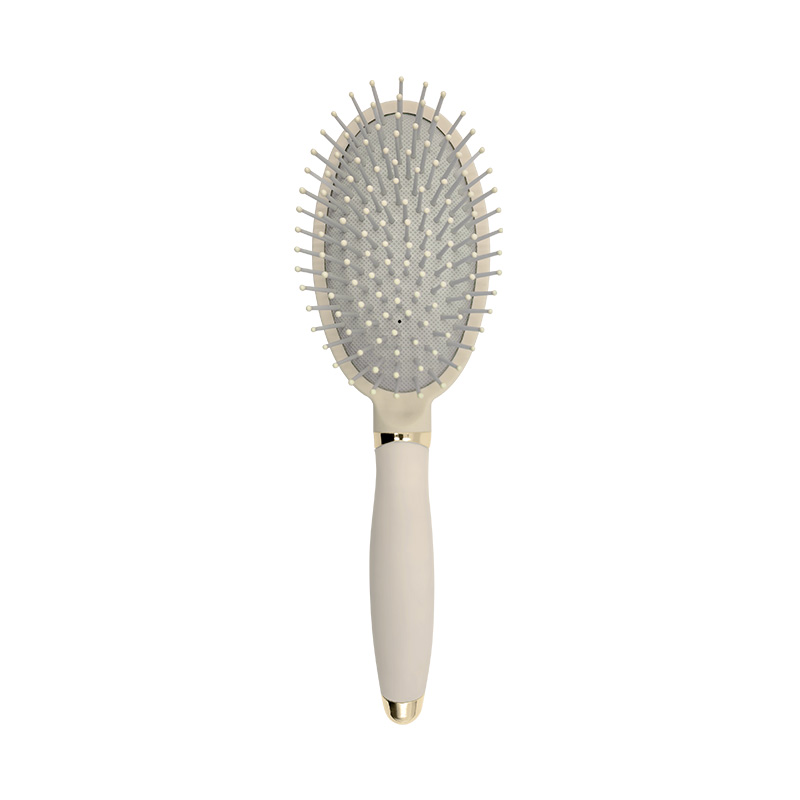
| Cushion Brush | Wooden or nylon pins on rubber base | All hair types, especially sensitive scalps | Gentle scalp massage, everyday brushing |
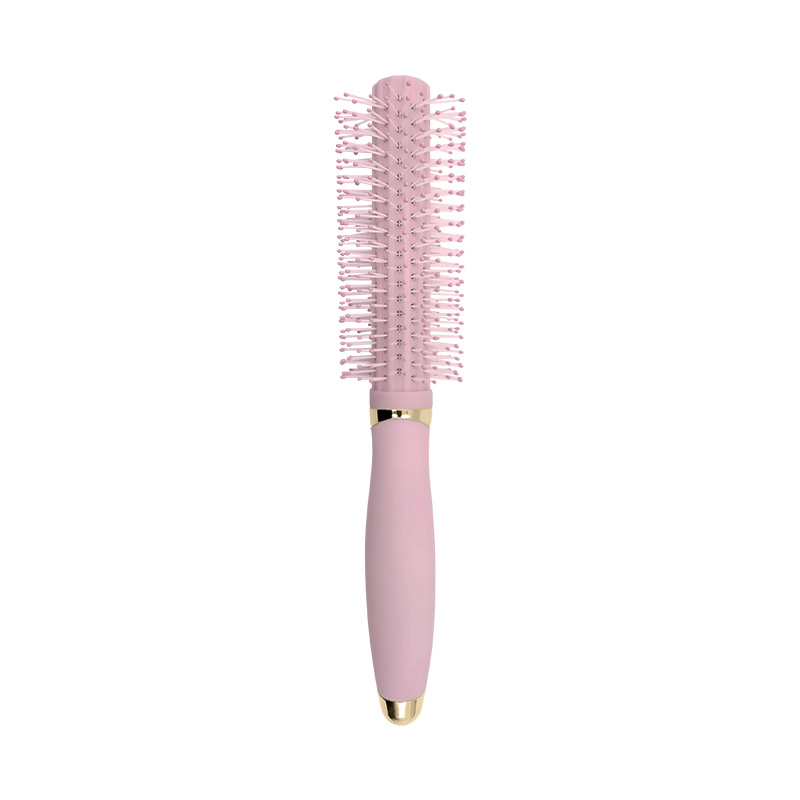
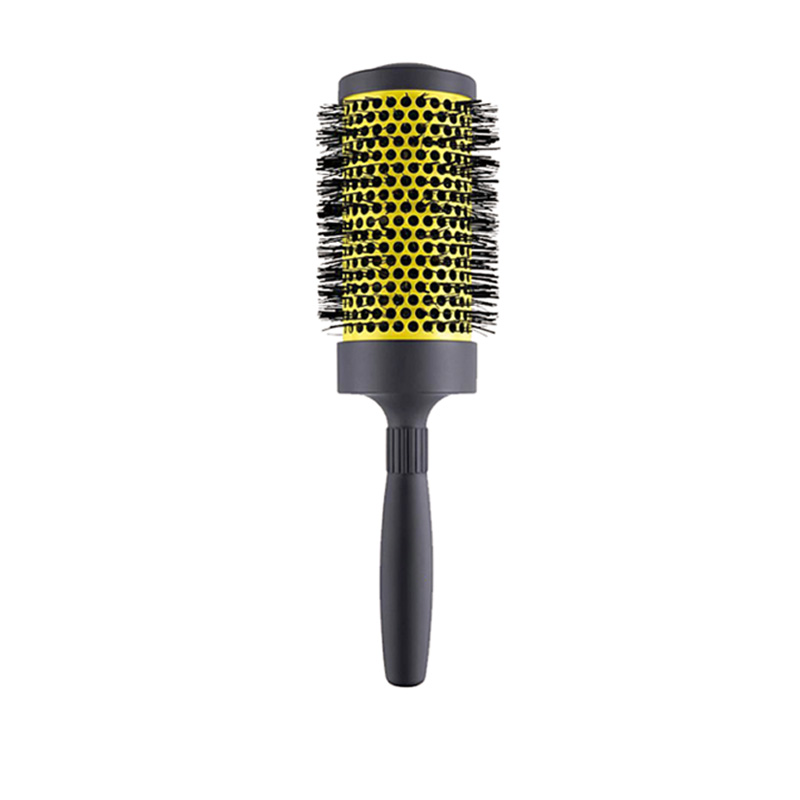
| Round Brush | Mixed boar and nylon bristle | Blow-drying, adding volume or curl | Heat styling, lift at the root |
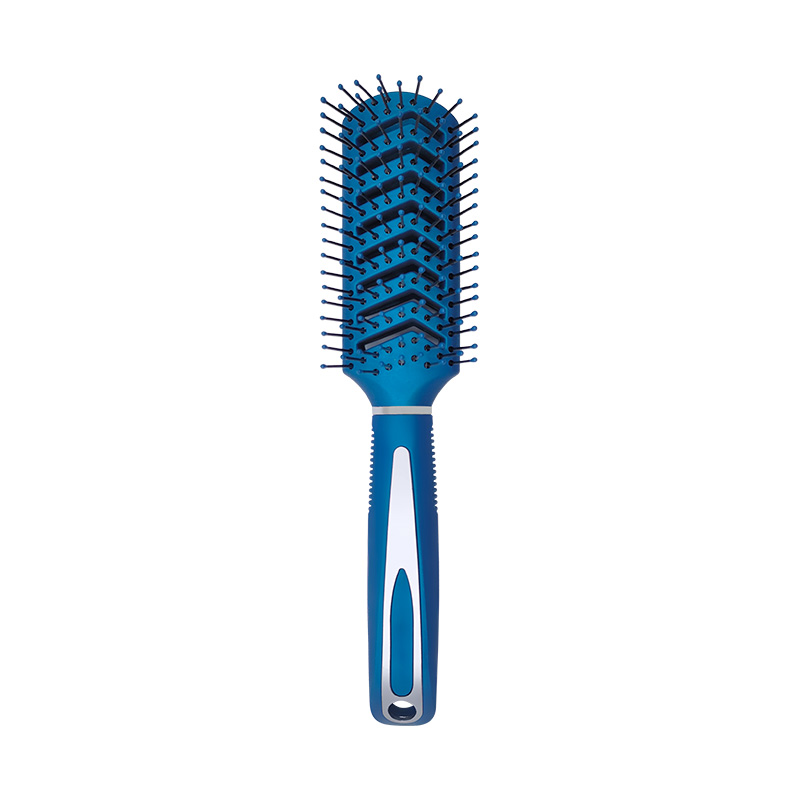
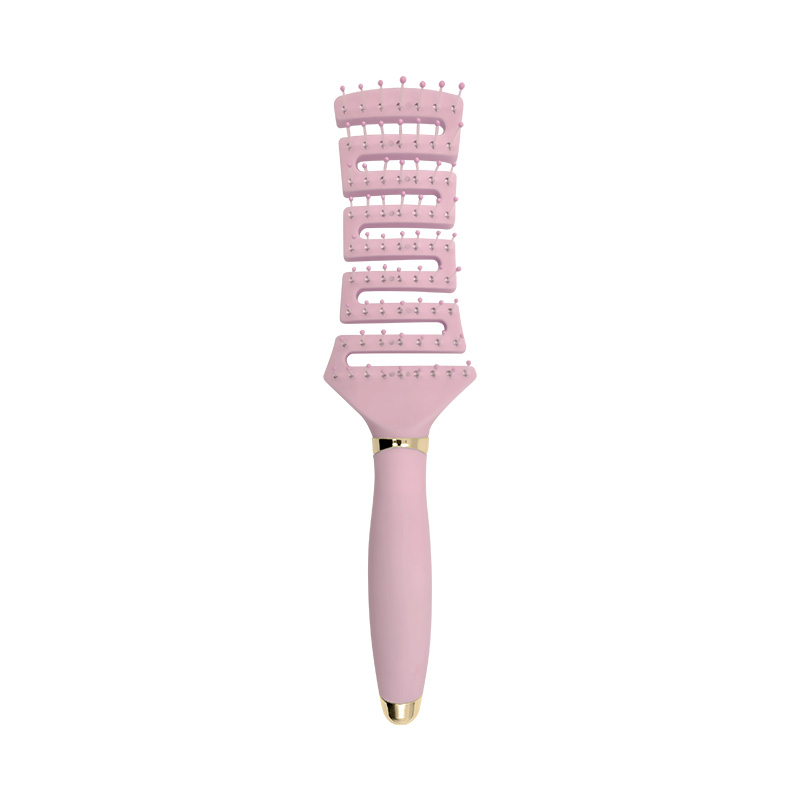
| Detangling Brush | Flexible wooden pins | Curly, wavy, or knotted hair | Knot removal without breakage |
| Boar Bristle Brush (wooden handle) | Pure boar bristle | Fine, straight, or color-treated hair | Maximum shine, oil distribution |
How to Choose the Right Wooden Hairbrush for Your Hair Type
Selecting the correct brush depends on your hair's texture, thickness, and condition. Using the wrong brush — even a high-quality wooden one — can cause unnecessary tension or fail to deliver results.
Fine or Thin Hair
Choose a pure boar bristle brush with a wooden handle. Boar bristles are close together and fine enough to grip delicate strands without pulling. Avoid brushes with widely spaced wooden pins, which can catch and snap thin hair.
Thick or Coarse Hair
A wooden paddle brush with widely spaced pins or a mixed bristle brush (boar + nylon) works best. The wider spacing allows the brush to move through dense hair without dragging. Look for pins at least 9–11 mm in length to reach through thick layers.
Curly or Wavy Hair
Use a wooden detangling brush or a wide-pin cushion brush. These allow you to work through curls section by section without disrupting the curl pattern. Always brush curly hair when damp and coated with conditioner to minimise frizz.
Color-Treated or Damaged Hair
Opt for a soft boar bristle brush or a cushion brush with flexible wooden pins. Chemically treated hair has a weakened cuticle and is prone to breakage. Soft, flexible pins reduce tension at the shaft and distribute oils that help restore surface smoothness.
For Blow-Drying and Styling
A wooden round brush is the right tool. The barrel size matters: a smaller barrel (25–35 mm) creates tighter curls or waves, while a larger barrel (50–65 mm) adds volume and smoothness to longer hair. Ensure the wooden handle is heat-resistant and the bristles are rated for dryer use.
What Wood and Bristle Materials to Look For
The quality of a wooden hairbrush depends heavily on its materials. Here's what to look for when reading product descriptions:
Common Handle and Pin Woods
- Bamboo: Lightweight, fast-growing, and naturally antibacterial. A popular sustainable option for both handles and pins.
- Beechwood: Dense and durable, commonly used for high-end brush handles. Resistant to moisture warping when properly sealed.
- Cherry or Walnut: Premium hardwoods used in artisan brushes. Excellent durability and aesthetics, though often more expensive.
- Pear or Olive Wood: Dense and fine-grained, used in traditional European brush-making. Very smooth finish with good longevity.
Bristle Options
- Pure boar bristle: Best for fine-to-medium hair. Closely mimics the structure of human hair and is excellent at oil distribution and smoothing.
- Mixed boar and nylon: Better for medium-to-thick hair. The nylon pins help penetrate denser hair while boar bristles polish the surface.
- Wooden pins only: Ideal for detangling and scalp massage. Less effective for shine and oil distribution but very gentle.
- Vegan/synthetic bristles: A cruelty-free alternative to boar bristle, often made from nylon. Quality varies widely; look for soft, rounded tips.
How to Use a Wooden Hairbrush Correctly
Technique matters as much as the brush itself. Poor brushing habits can cause breakage regardless of brush quality.
- Start from the ends, not the roots. Work through tangles from the bottom up, holding the hair above the knot to reduce tension on the roots.
- Use slow, deliberate strokes. Fast, aggressive brushing increases friction and breakage. Aim for smooth passes at a steady pace.
- Brush in sections for thick or long hair. Divide hair into 4–6 sections and brush each one individually for complete coverage and less strain.
- Don't brush wet hair aggressively. Wet hair is up to 3 times weaker than dry hair and far more susceptible to breakage. Use a wide-pin detangling brush when hair is damp, and brush gently.
- Finish with scalp strokes. Once tangles are removed, make long strokes from scalp to tip to distribute oils and stimulate circulation.
- Brush before washing, not just after. Pre-wash brushing removes product buildup, loosens dead skin cells, and distributes oils before they're washed away.
How to Clean and Maintain a Wooden Hairbrush
Wooden hairbrushes require slightly more care than plastic ones — primarily because prolonged water exposure can warp the wood or loosen bristles set in a wooden base. With the right routine, a good brush can last a decade or more.
Weekly Maintenance
- Remove trapped hair using a comb or your fingers after each use
- Tap the brush firmly against your palm to dislodge dust and debris from between pins
- Wipe the wooden handle with a dry or slightly damp cloth to remove oil and product residue
Monthly Deep Clean
- Fill a bowl with lukewarm water and a few drops of gentle shampoo — never hot water, which can crack wood.
- Dip only the bristles into the water, keeping the wooden base and handle dry.
- Use an old toothbrush to scrub between pins and remove buildup.
- Rinse by dipping the bristles again in clean water.
- Shake off excess water and lay the brush bristle-side down on a towel to dry — never bristle-side up, which allows water to pool in the base and rot the wood.
- Allow to air dry completely before use — typically 12–24 hours.
Long-Term Care
- Apply a small amount of linseed oil or beeswax to the wooden handle every 6–12 months to prevent drying and cracking
- Store in a dry location — avoid bathrooms with high humidity if possible
- Keep away from direct sunlight, which can bleach and dry out the wood over time
Common Mistakes to Avoid with Wooden Hairbrushes
Even a premium wooden hairbrush can underperform or deteriorate quickly if used incorrectly. Avoid these frequent errors:
- Submerging the brush in water: This is the single most common cause of wooden brush damage. It swells the wood, loosens bristles, and encourages mold growth in the cushion pad.
- Using it on soaking wet hair: Wet hair breaks more easily, and using a stiff wooden brush on it multiplies the damage. Opt for a wide-tooth comb or flexible detangler first.
- Neglecting to remove hair buildup: A brush clogged with old hair loses effectiveness and harbors bacteria. Clean out hair after every 2–3 uses at minimum.
- Using the wrong brush for your hair type: A dense boar bristle brush on very thick hair will drag and pull rather than glide. Match bristle type to hair texture as outlined above.
- Brushing from root to tip aggressively: This forces tangles downward and snaps strands at the weakest point. Always detangle from the ends upward.
Wooden Hairbrushes vs. Plastic Hairbrushes: A Direct Comparison
If you're still weighing the switch, this side-by-side comparison covers the key differences across the factors that matter most:
| Factor | Wooden Hairbrush | Plastic Hairbrush |
|---|---|---|
| Static generation | Very low | High |
| Oil distribution | Excellent (especially with boar bristle) | Poor |
| Gentleness on hair | High (smooth, rounded pins) | Variable (seams can snag) |
| Durability | 5–10+ years with care | 1–3 years typically |
| Eco impact | Biodegradable, sustainable | Non-biodegradable |
| Water resistance | Low (requires careful drying) | High |
| Cost range | $10–$80+ depending on quality | $3–$30 typically |
For most people who use their brush daily, a wooden hairbrush delivers better long-term value despite the higher upfront cost — particularly when you factor in reduced product use, better hair health, and a lifespan that often triples that of plastic alternatives.